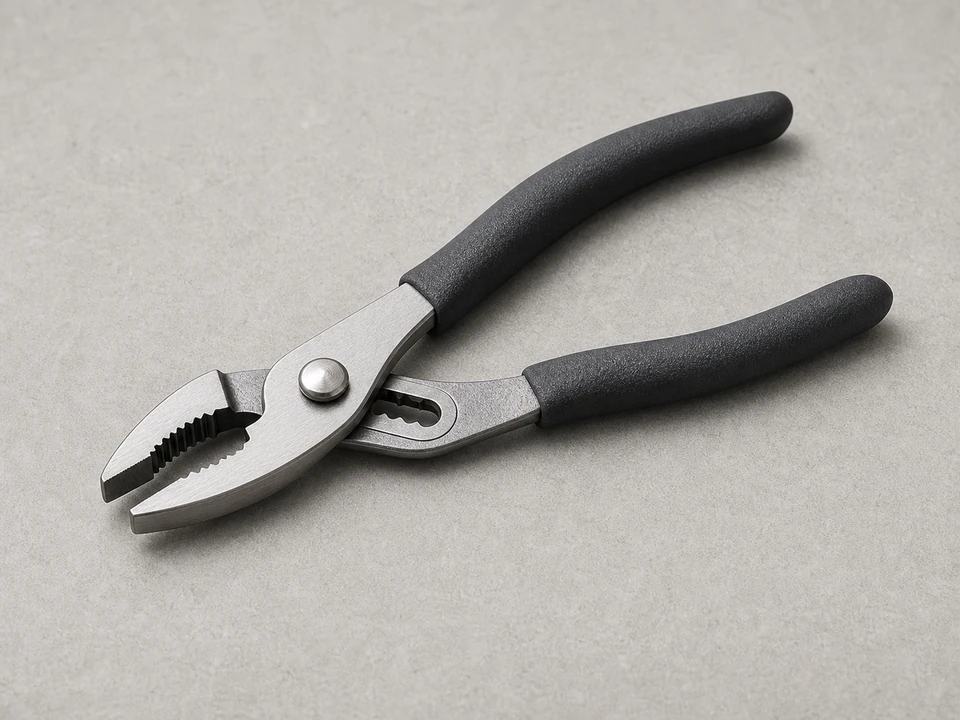
Slip joint pliers
Use it for: To loosen and tighten spring clamps or help remove stubborn hose connections.
Shop slip-joint pliersTo replace a dishwasher drain hose, shut off power and water, pull the dishwasher out enough to reach the hose, swap the old hose for a matching new one, secure the clamps, then test for leaks and proper draining.
A cracked, kinked, or clogged drain hose can cause leaks or keep your dishwasher from draining well. This job is usually manageable for a careful homeowner if you work slowly, keep water contained, and stop if the connections do not match your replacement hose.
Before you start: Match the hose diameter, length, and end connection style before ordering.
Use it for: To loosen and tighten spring clamps or help remove stubborn hose connections.
Shop slip-joint pliers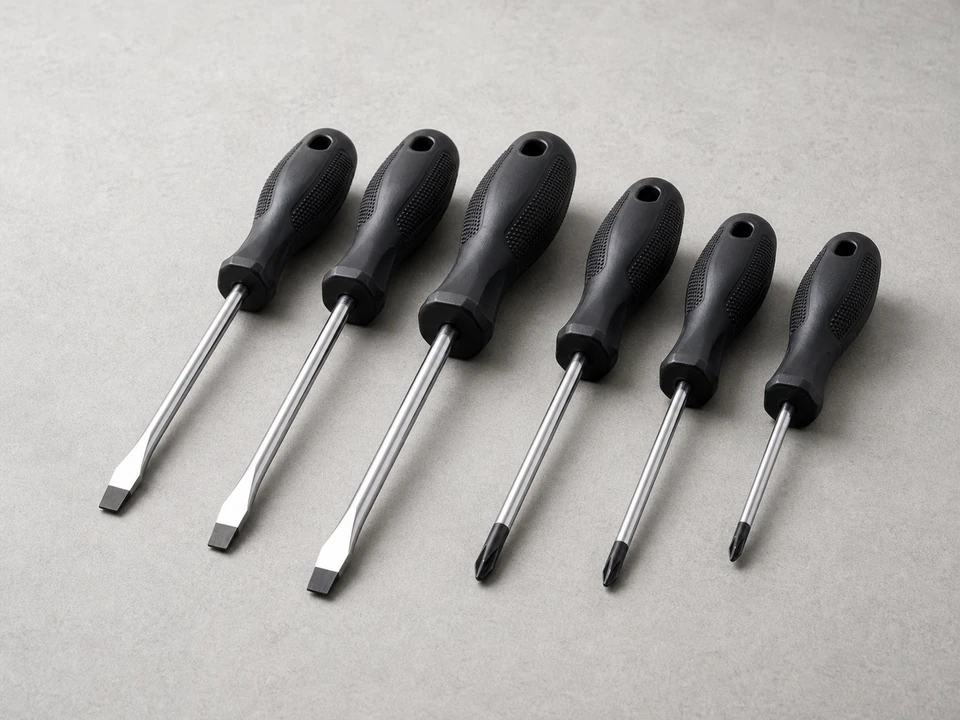
Use it for: To remove the lower access panel and loosen worm-drive hose clamps if present.
Shop screwdriver set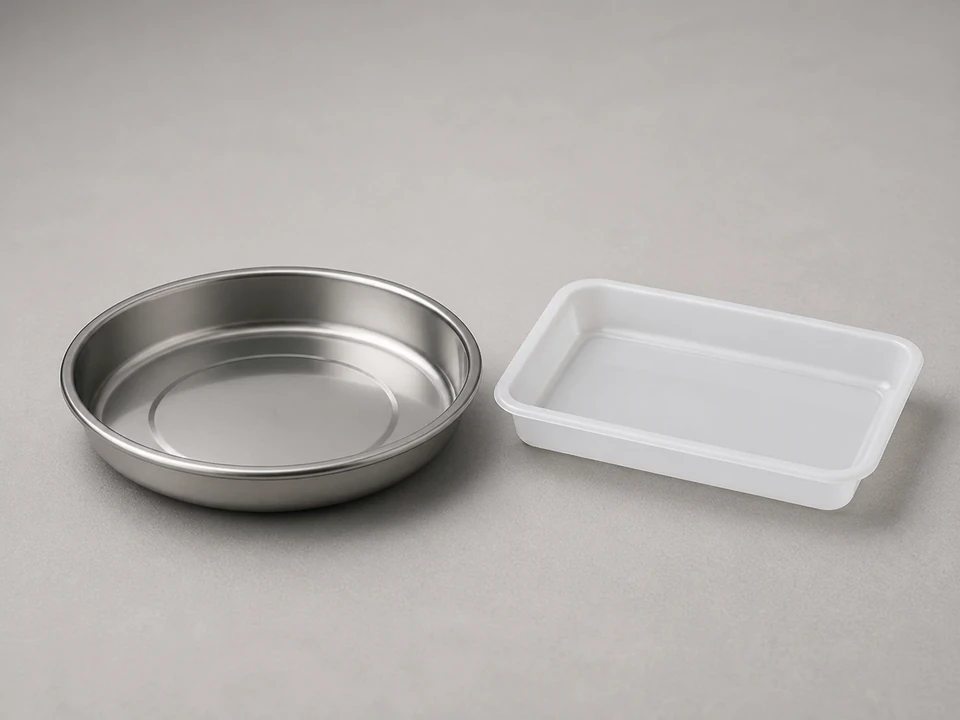
Use it for: To catch water left in the old drain hose when you disconnect it.
Shop shallow drain pan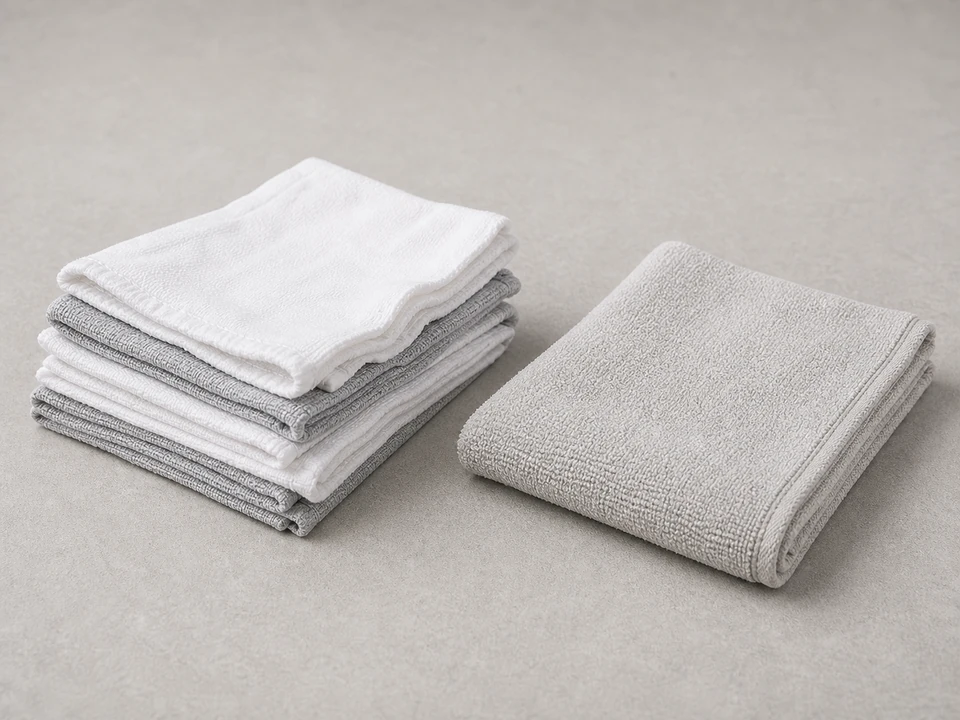
Use it for: To protect the floor and wipe up spills around the dishwasher base and sink cabinet.
Shop absorbent cleaning rags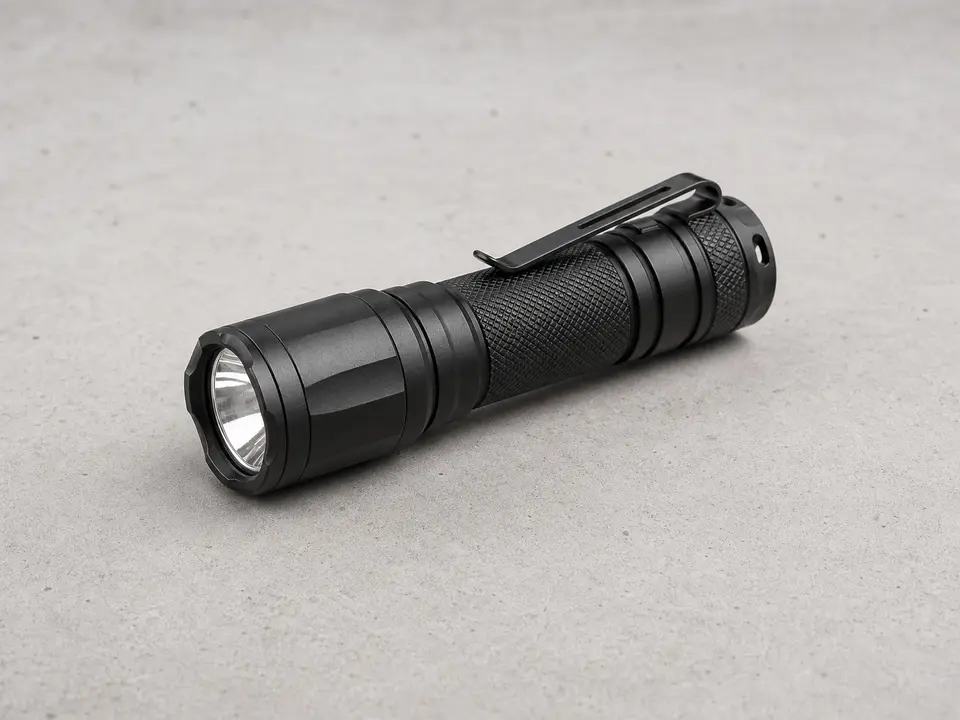
Use it for: To see hose routing, clamps, and connection points under the dishwasher and sink.
Shop LED flashlight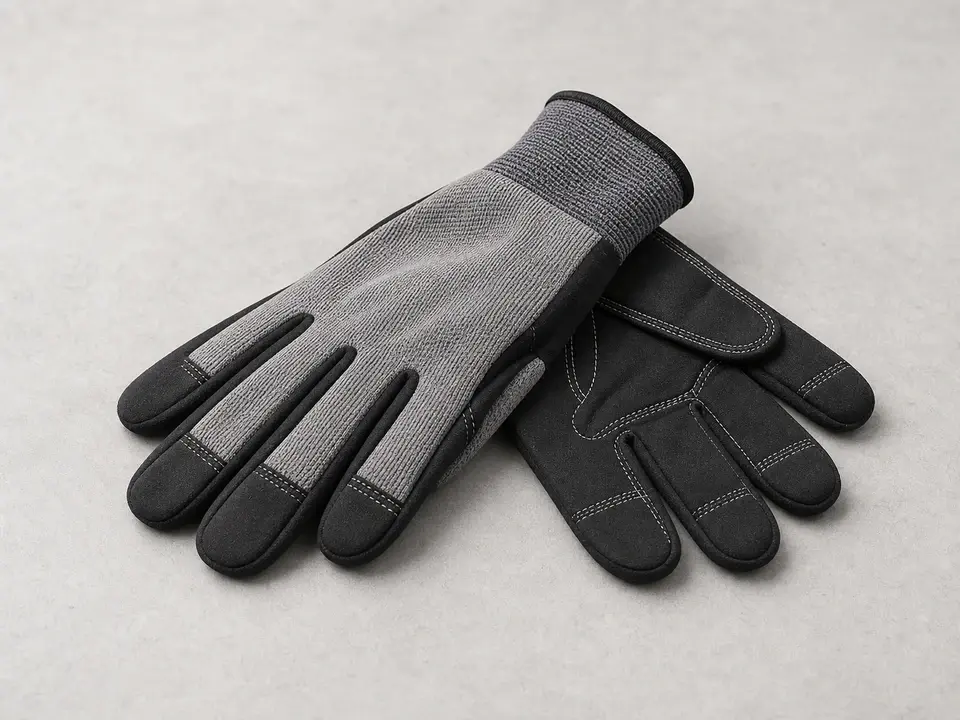
Use it for: To protect your hands from sharp cabinet edges and hose clamps.
Shop work glovesAs an Amazon Associate I earn from qualifying purchases. Repair Riot may earn a commission at no extra cost to you.
If it works: The dishwasher is off, the work area is protected, and you can access the hose path safely.
If it doesn’t: Recheck the breaker, look for a plug under the sink, and make sure mounting screws are removed before trying to move the dishwasher.
If it works: You know where both ends of the hose connect and how the old hose is routed.
If it doesn’t: Use a flashlight and follow the hose slowly from the sink connection back to the dishwasher body.
If it works: The old drain hose is fully removed without damaging the connection points.
If it doesn’t: Try rotating the hose gently with pliers on the clamp only, not crushing the hose fitting itself.
If it works: The new hose is routed correctly and reaches both connection points without stretching or kinking.
If it doesn’t: Adjust the hose path and confirm the replacement is the correct length and connection style.
If it works: Both hose ends are secure and the hose remains smooth and properly routed after the dishwasher is moved back.
If it doesn’t: Pull the dishwasher forward again and correct any twist, pinch point, or loose clamp before testing.
If it works: The dishwasher drains normally and both hose connections stay dry during the test cycle.
If it doesn’t: Tighten the clamps slightly, confirm the hose is fully seated, and check again for kinks or poor routing.
Match the hose diameter, length, and end connection style before ordering.
As an Amazon Associate I earn from qualifying purchases. Repair Riot may earn a commission at no extra cost to you.
It is a good idea, especially if you need to pull the dishwasher out farther. The drain hose itself is not a pressurized supply line, but shutting off the water reduces the chance of an accidental leak while moving the unit.
Yes, if they are not rusted, bent, or weak. If a clamp no longer holds tension well, replace it so the new hose seals properly.
The problem may be elsewhere, such as a clog at the sink connection, a blocked air gap if your setup has one, a drain pump issue, or an internal filter blockage. If the new hose is installed correctly and the dishwasher still will not drain, more diagnosis is needed.
Compare the hose diameter, overall length, and both end connections to the old part. The hose should reach both connection points without stretching and should not need adapters unless your setup already used them.
Usually no. Dishwasher drain hoses typically seal with the hose fitting and clamp, not with thread sealant or tape. A clean fitting and a properly tightened clamp are what matter most.