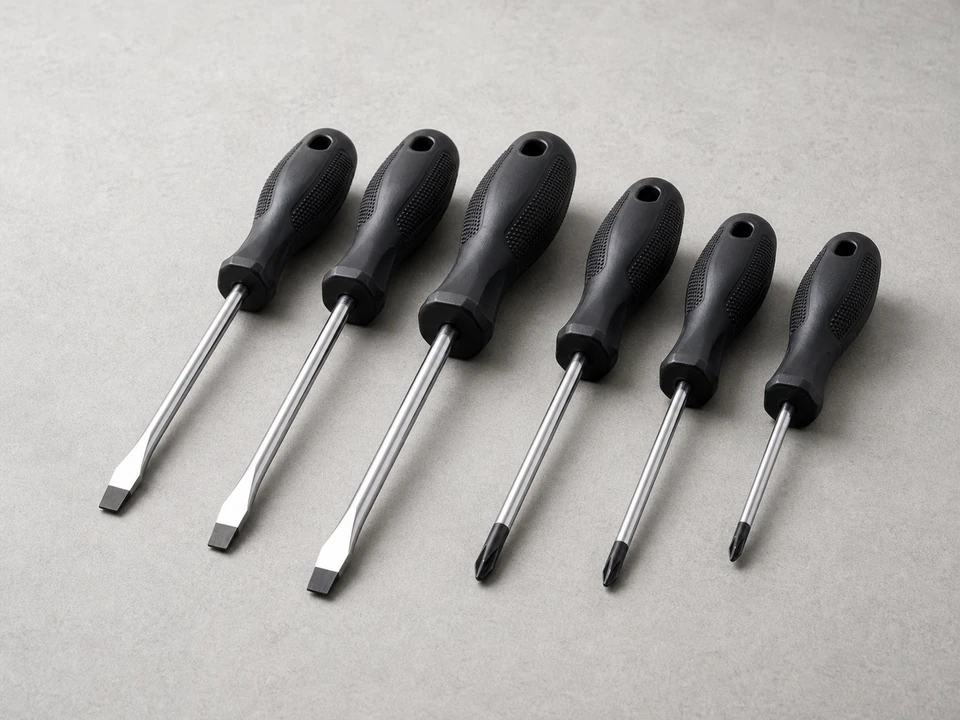
Screwdriver set
Use it for: To remove the lower access panel or any screws holding the float cover or related parts.
Shop screwdriver setsTo replace a dishwasher float assembly, shut off power and water, remove the lower rack, take out the old float assembly from the tub area, install the matching replacement, and test that the dishwasher fills and stops filling normally.
The float assembly helps control water level inside the dishwasher. If it sticks, cracks, or no longer moves the switch correctly, the dishwasher may not fill, may underfill, or may act like it is already full. This is usually a manageable homeowner repair as long as you work carefully around water and electrical parts.
Before you start: Match the replacement part to your exact dishwasher before ordering.
A float problem often shows up near the lower base, tray, or water-level area before deeper controls are involved.
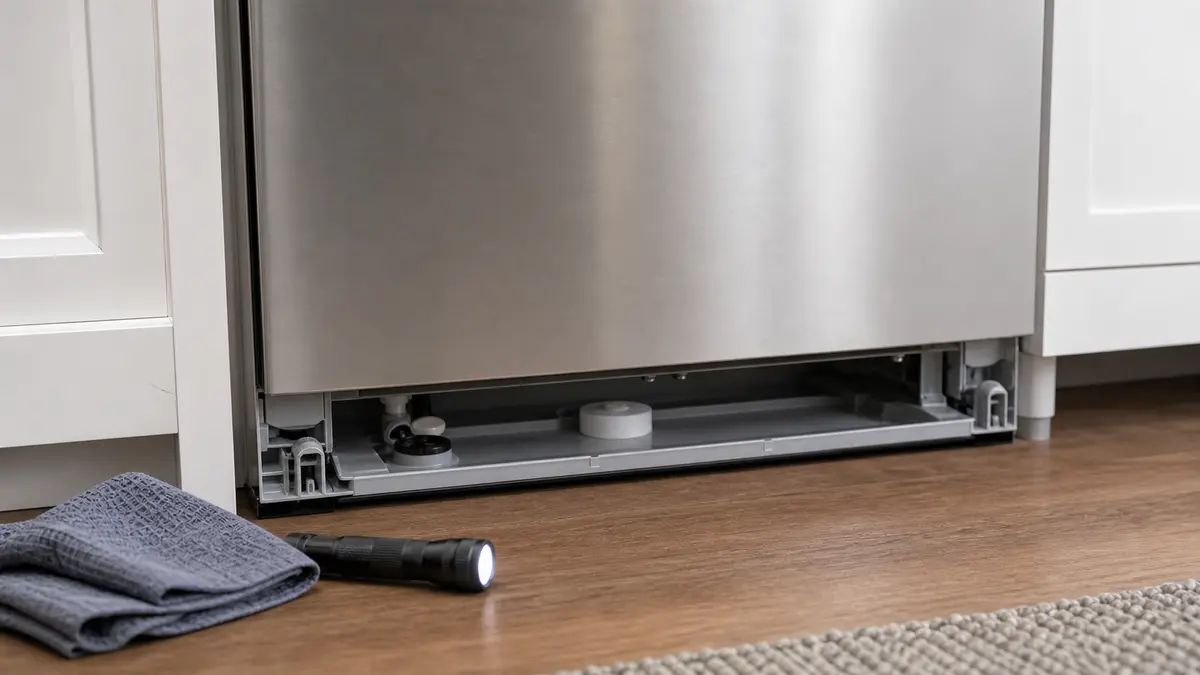
Use it for: To remove the lower access panel or any screws holding the float cover or related parts.
Shop screwdriver sets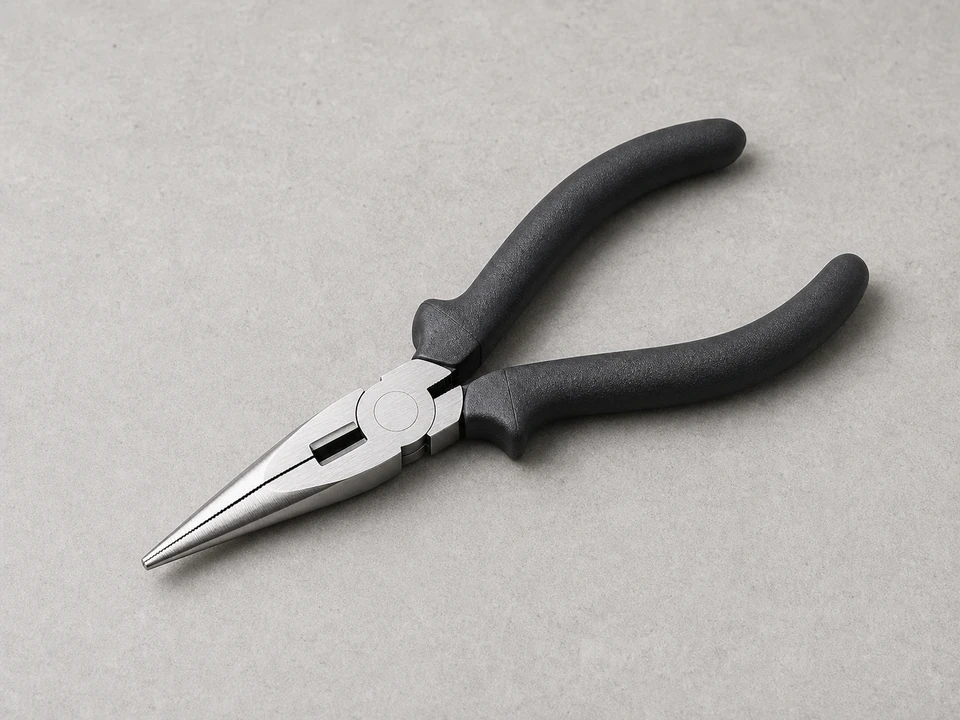
Use it for: To help release clips, pull small retainers, or guide the new part into place.
Shop needle-nose pliers
Use it for: To soak up standing water in the tub and keep the work area dry.
Shop towels and sponges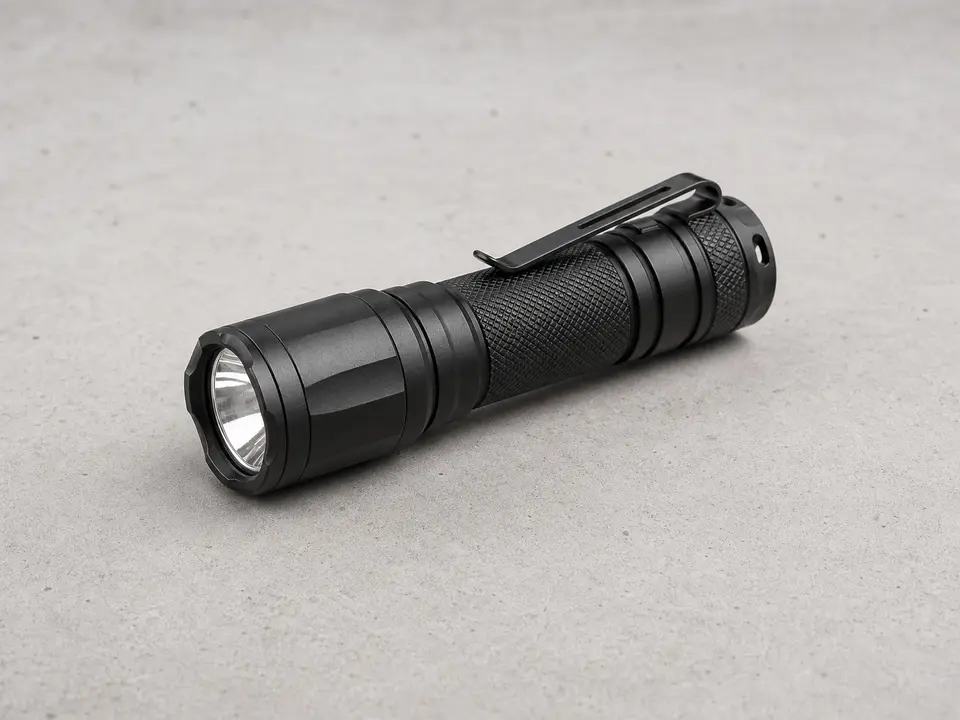
Use it for: To see the float opening, switch area, and any hidden debris clearly.
Shop flashlights
Use it for: To protect your hands from sharp metal edges around the tub and access panel.
Shop work glovesAs an Amazon Associate I earn from qualifying purchases. Repair Riot may earn a commission at no extra cost to you.
If it works: The float assembly is damaged, stuck, or not moving normally, and replacing it makes sense.
If it doesn’t: If the float moves freely and looks intact, clean around it first and consider that the problem may be elsewhere, such as the water supply, inlet valve, or float switch.
If it works: The dishwasher is de-energized, dry enough to work on, and the tub area is clear.
If it doesn’t: If you cannot confirm power is off, do not continue until the breaker or plug is clearly identified.
If it works: The old float assembly is out and the mounting area is clean.
If it doesn’t: If the float will not come free, look again for a hidden retainer or screw rather than forcing it.
If it works: The new float assembly is installed securely and moves freely.
If it doesn’t: If the new part does not sit flat or the float binds, remove it and recheck part fit and alignment before testing.
If it works: The dishwasher fills to a normal level and the cycle continues without overfilling or acting empty.
If it doesn’t: If the dishwasher still will not fill or still overfills, the float switch, inlet valve, or another control issue may need diagnosis.
If it works: The dishwasher completes a full cycle with normal filling behavior and no leaks, confirming the repair held.
If it doesn’t: If the problem returns during a full cycle, inspect the float switch and water inlet system next or schedule service for deeper diagnosis.
Match the replacement part to your exact dishwasher before ordering.
As an Amazon Associate I earn from qualifying purchases. Repair Riot may earn a commission at no extra cost to you.
It helps control the dishwasher's water level. As water rises, the float moves and works with the switch to stop filling at the proper level.
Common clues are a float that sticks, visible cracks or damage, a dishwasher that will not fill, or a machine that stops filling too early. Sometimes heavy buildup around the float can cause the same symptoms.
Yes, if the float is just dirty or scaled up. Remove debris and mineral buildup first. Replace the assembly if it is cracked, warped, loose, or still binds after cleaning.
Not always. The float assembly is the moving part in the tub area. The float switch is usually mounted below and reacts when the float rises. Either one can cause water-level problems.
Usually not for the float itself inside the tub. You may need lower front access if the assembly connects to parts below the tub, but many float replacements can be done from inside the dishwasher.