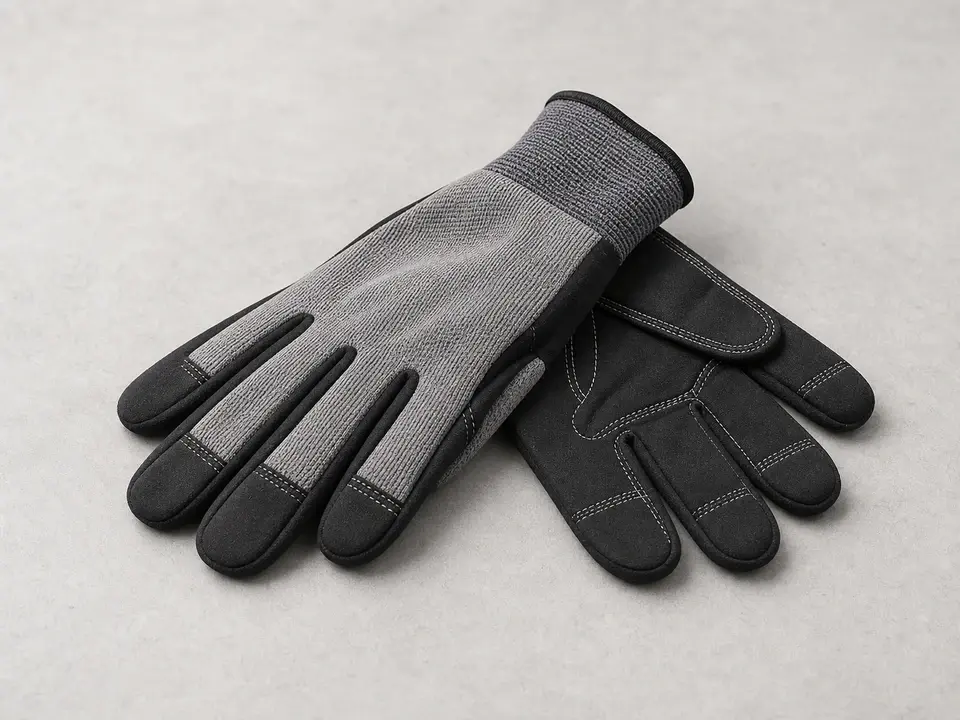
Work gloves
Use it for: Protects your hands from sharp rack wires and worn metal edges.
Shop work glovesTo replace a dishwasher lower rack wheel, pull out the lower rack, remove the damaged wheel or wheel clip, snap or fasten the new wheel in place, and test that the rack rolls smoothly without dropping or binding.
A worn or broken lower rack wheel can make the rack drag, tilt, or jam at the door opening. This is usually a straightforward repair as long as the rack itself is not bent or rusted through where the wheel mounts.
Before you start: Match the replacement part to your exact dishwasher before ordering.
Use it for: Protects your hands from sharp rack wires and worn metal edges.
Shop work gloves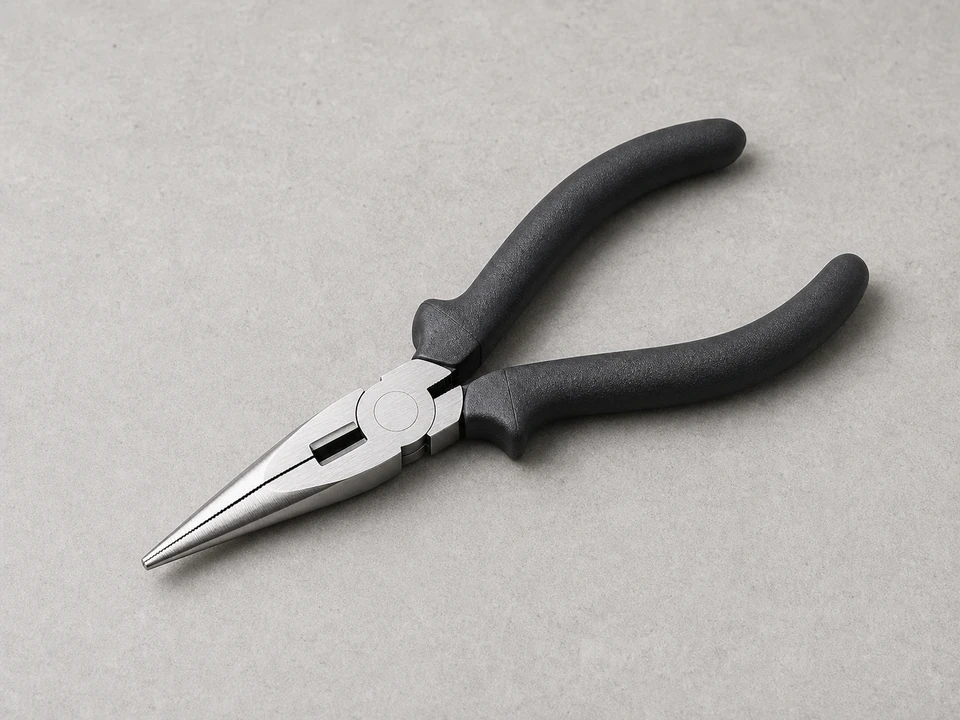
Use it for: Helps remove stubborn retaining clips or guide a new clip into place.
Find needle-nose pliers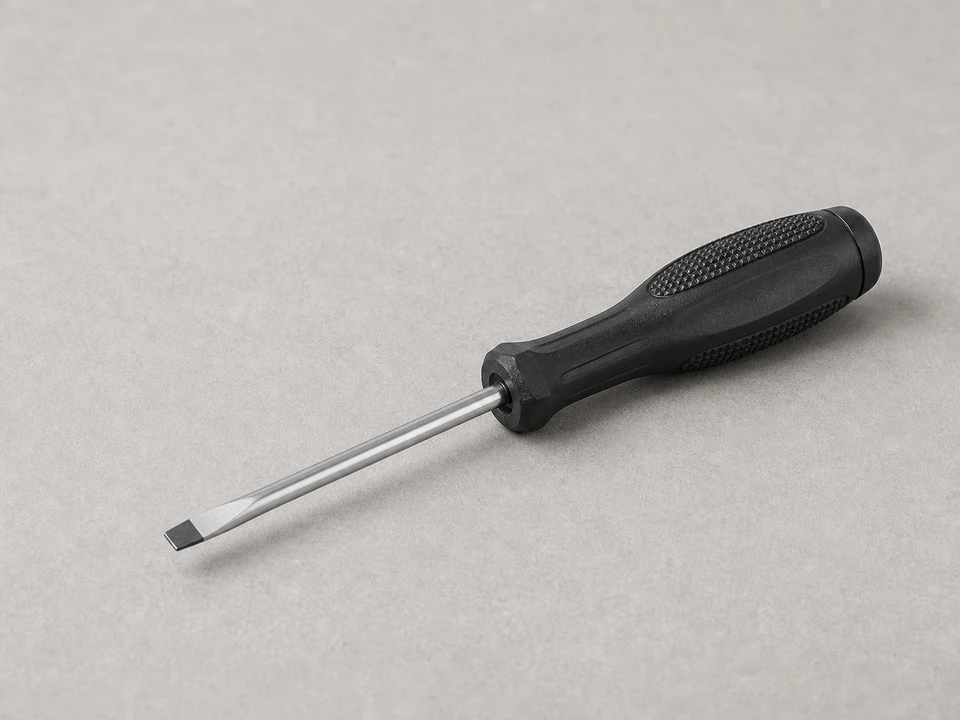
Use it for: Useful for prying off a wheel clip or releasing a tab carefully.
Shop a small flat screwdriver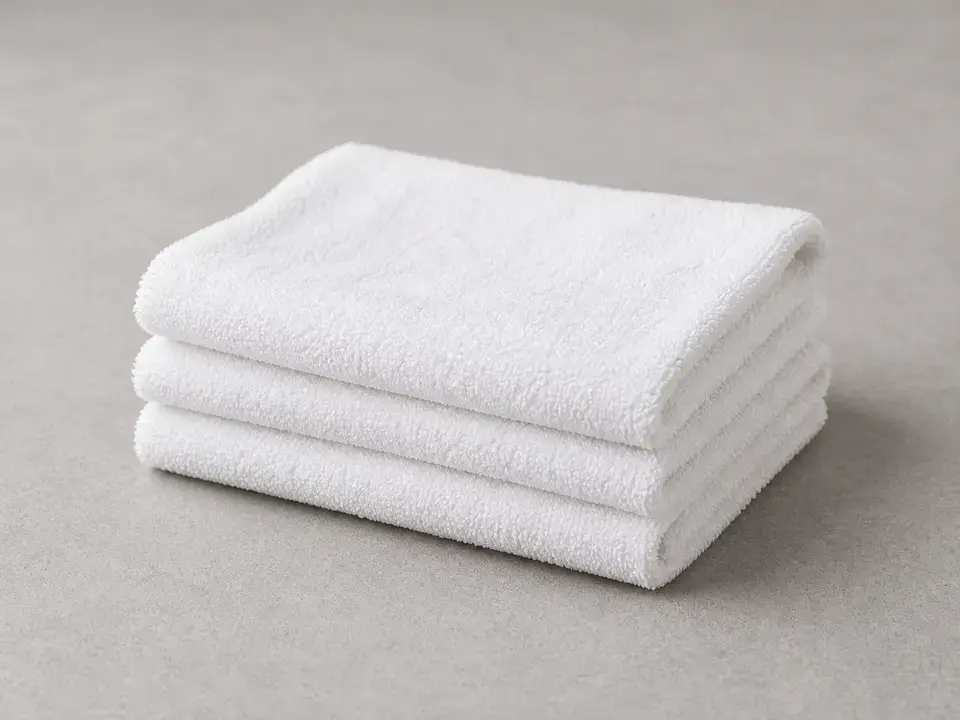
Use it for: Gives you a soft place to set the rack while you work on the wheel.
Find a work towel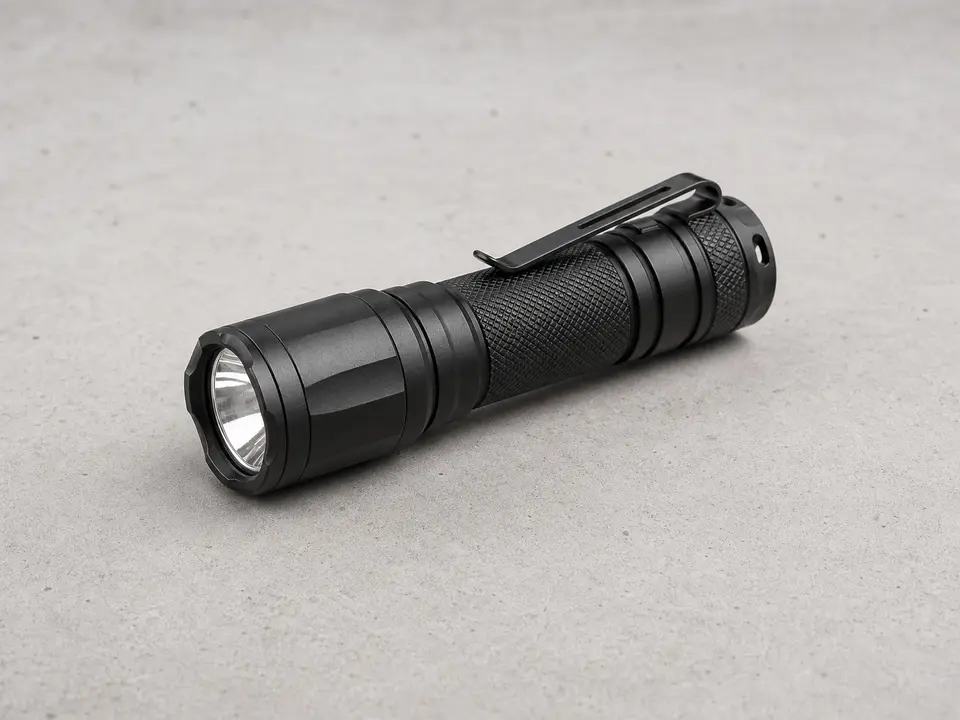
Use it for: Makes it easier to inspect the wheel mount and rack frame for cracks or rust damage.
Shop a flashlightAs an Amazon Associate I earn from qualifying purchases. Repair Riot may earn a commission at no extra cost to you.
If it works: You found a damaged lower rack wheel and the rack frame still looks solid enough to accept a new one.
If it doesn’t: If the rack rolls poorly but all wheels look intact, inspect for bent rack tines, debris in the tub tracks, or a warped rack frame before ordering parts.
If it works: The lower rack is out of the dishwasher and positioned so you can work on the wheel without fighting the door or tub.
If it doesn’t: If the rack catches on the opening, pull it back in slightly, level it, and try lifting it out again without twisting it.
If it works: The old wheel is off and the mounting point is clean and intact.
If it doesn’t: If the wheel will not come off, look again for a hidden clip or locking tab before applying more force.
If it works: The new wheel is attached securely, spins normally, and matches the position of the other wheels.
If it doesn’t: If the new wheel feels loose or will not seat fully, remove it and compare the part shape and clip style to the original again.
If it works: The rack rolls in and out smoothly with the new wheel supporting the load evenly.
If it doesn’t: If the rack still drags or tips, inspect the remaining wheels and the rack frame for another worn wheel or a bent section causing the misalignment.
If it works: The new lower rack wheel stays in place and the rack moves smoothly in everyday use.
If it doesn’t: If the wheel comes loose again, the rack mount may be worn or damaged enough that the full lower rack needs repair or replacement.
Match the replacement part to your exact dishwasher before ordering.
As an Amazon Associate I earn from qualifying purchases. Repair Riot may earn a commission at no extra cost to you.
Usually no. This repair is done on the removable rack and does not involve wiring or internal electrical parts. Just work carefully with the door open and the rack removed.
Yes, if only one wheel is damaged and the others are still solid. If several wheels are cracked, loose, or worn flat, replacing them together can help the rack roll more evenly.
Another wheel may also be worn, or the rack frame may be bent or rusted where the wheel mounts. Debris or damage at the rack contact points can also make the rack bind.
Match the replacement to your exact dishwasher model and compare the wheel size, shape, and attachment style to the original part before installing it.
Replace the wheel if the rack frame is still solid. If the rack is badly rusted, cracked, or bent where the wheel attaches, a new wheel may not hold and the rack itself may need replacement.