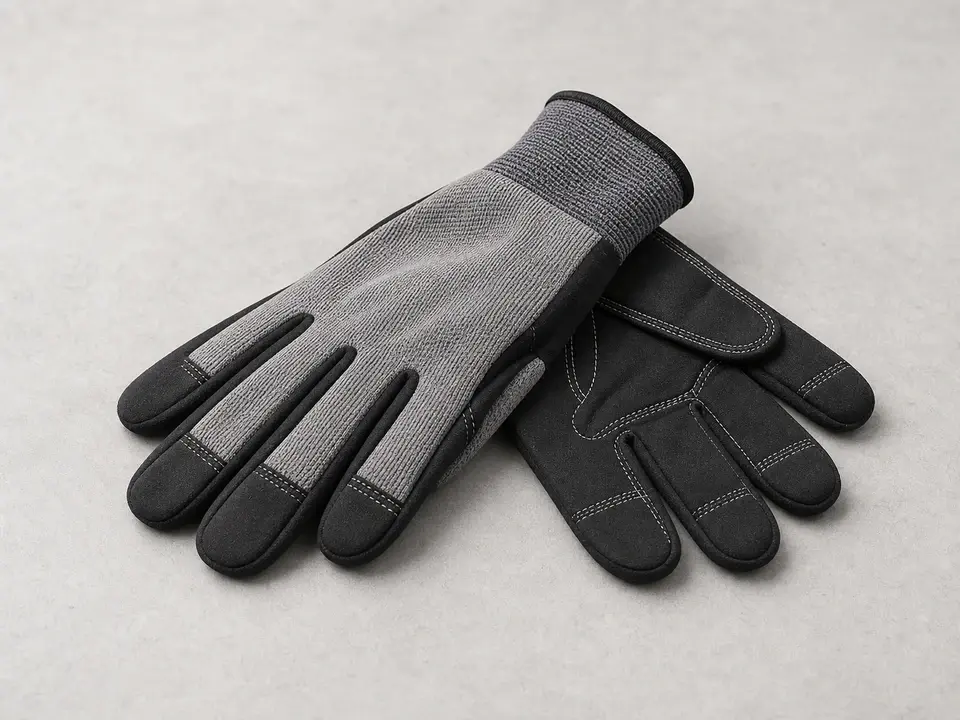
Work gloves
Use it for: Protects your hands from sharp rack wires and metal edges.
Shop work glovesIf your dishwasher rack sags, jumps the track, or will not roll smoothly, replacing the damaged rack wheel is usually a straightforward fix.
Most rack wheels are held on with a small clip, tab, or axle. The job is easier if you pull the rack out, compare the old wheel to the new one, and replace any worn clip or support piece at the same time.
Before you start: Match the replacement part to your exact dishwasher before ordering.
Use it for: Protects your hands from sharp rack wires and metal edges.
Shop work gloves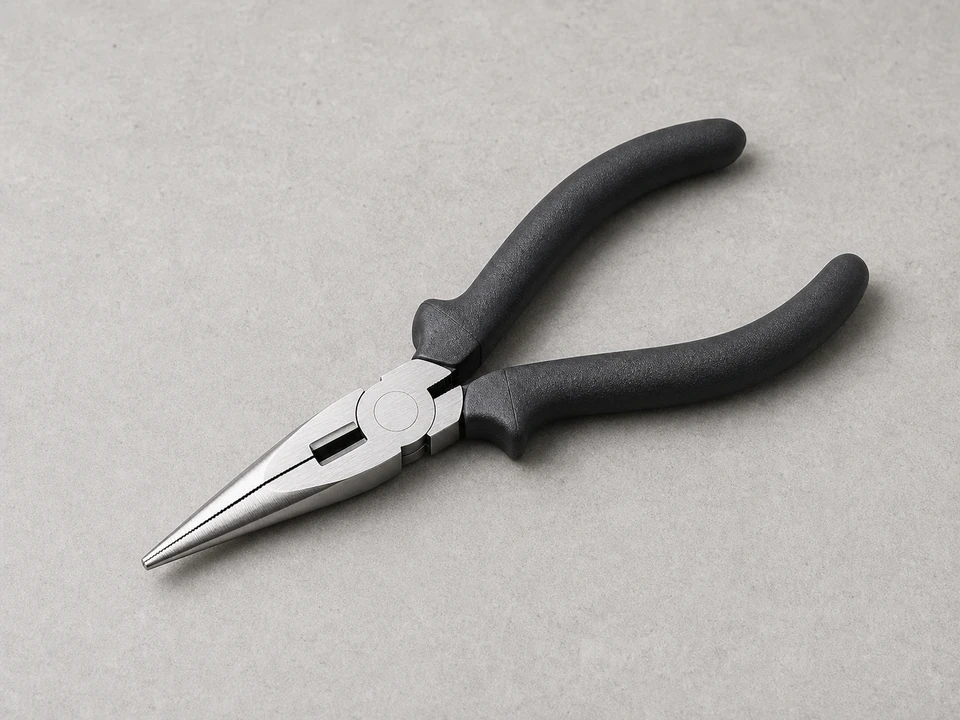
Use it for: Helps remove small retaining clips or squeeze tabs without bending the rack.
Find needle-nose pliers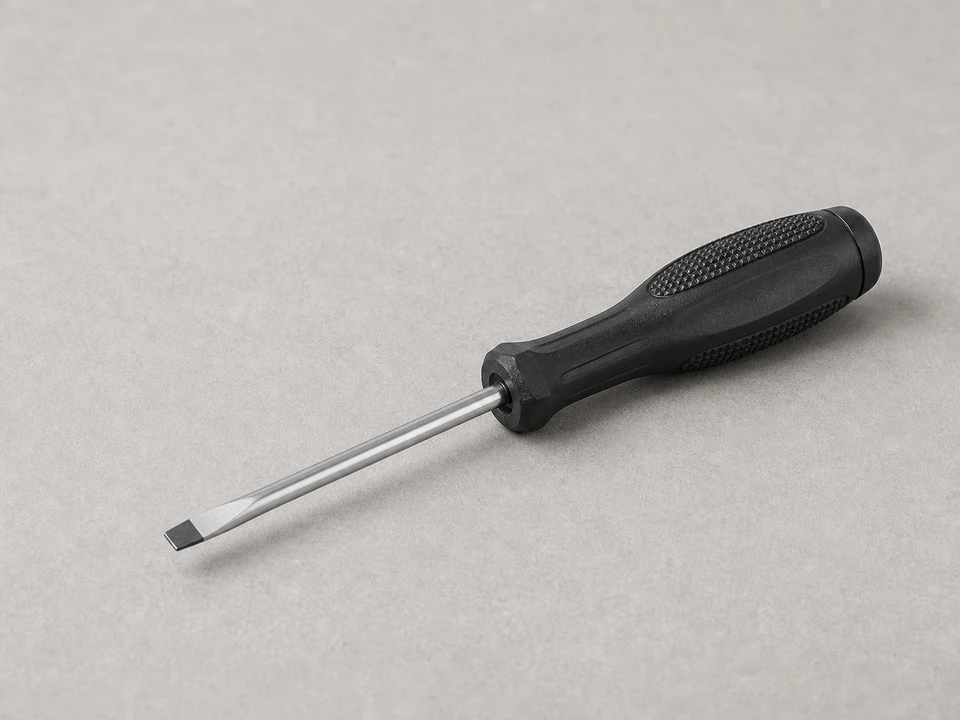
Use it for: Useful for prying off a wheel clip or guiding a tab into place.
Shop small flat screwdriver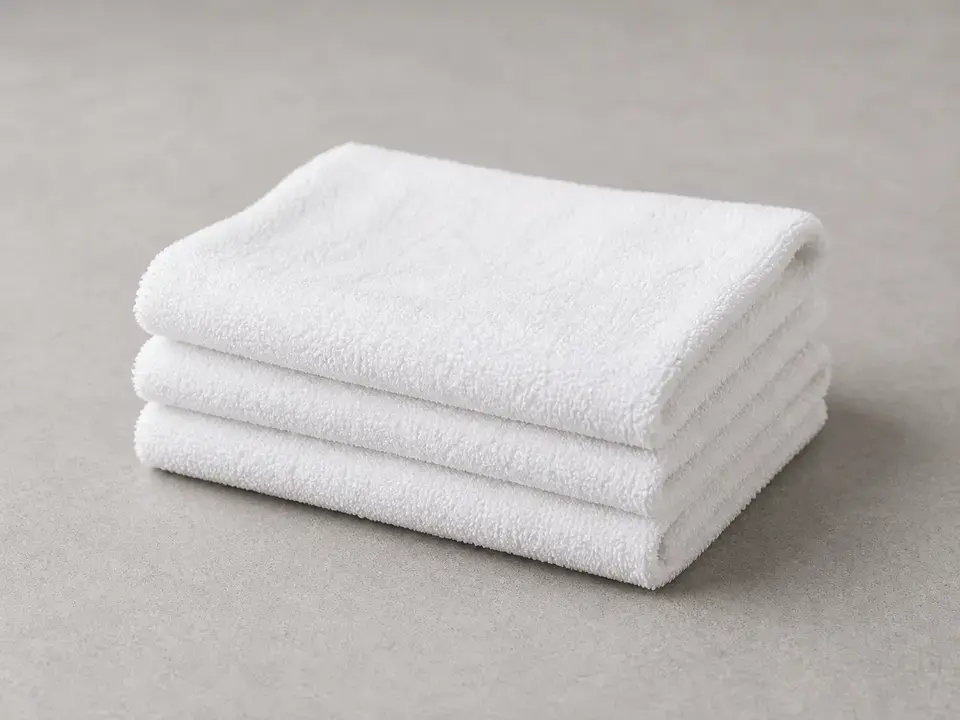
Use it for: Gives you a safe place to set the rack while you work.
Get a work towel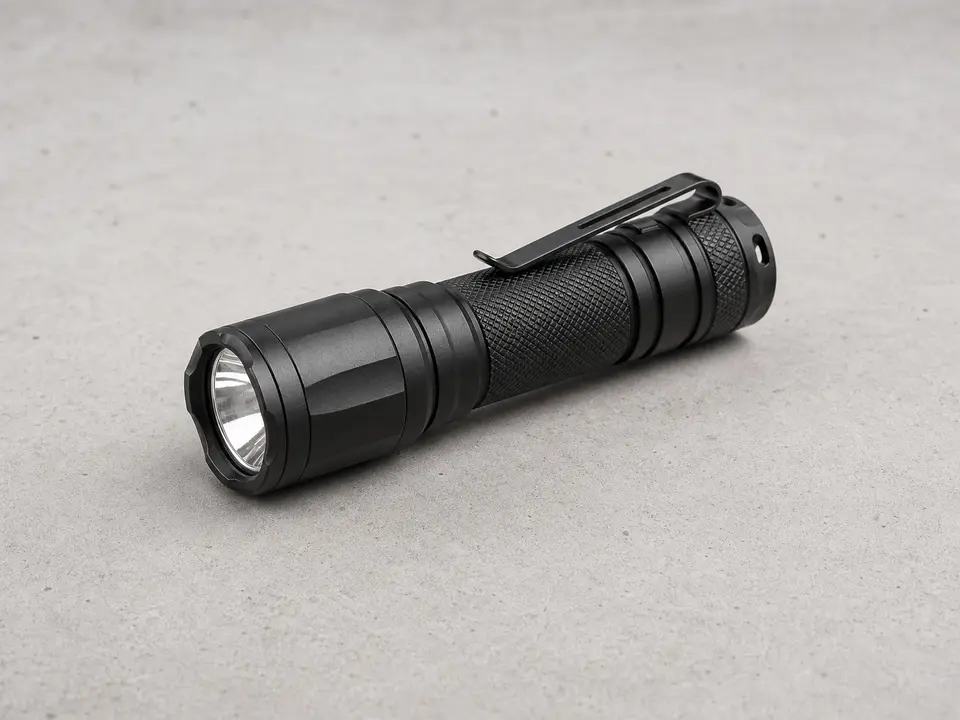
Use it for: Lets you inspect the track, rack wires, and wheel mount closely.
Find a flashlightAs an Amazon Associate I earn from qualifying purchases. Repair Riot may earn a commission at no extra cost to you.
If it works: You have identified a damaged or missing rack wheel, or a wheel mount that no longer holds the wheel securely.
If it doesn’t: If all the wheels look intact, clean the tracks and check for a bent rack tine or an item blocking the rail before ordering parts.
If it works: The rack is out of the dishwasher and positioned so you can reach the damaged wheel easily.
If it doesn’t: If the rack will not come out, look again for rail end caps, stop tabs, or clips that need to be released first.
If it works: The old wheel and its retaining hardware are off, and the mounting point is clear.
If it doesn’t: If the clip will not release, apply steady pressure and work carefully from the open side instead of forcing the rack wire.
If it works: The mounting point and rail are clean, and nothing obvious is left that would interfere with the new wheel.
If it doesn’t: If buildup is heavy, clean it off fully before installing the new part so you do not mistake drag for a bad replacement.
If it works: The new wheel is attached securely and rolls smoothly by hand.
If it doesn’t: If the wheel feels tight or crooked, remove it and reinstall it before putting the rack back in the dishwasher.
If it works: The rack rolls smoothly, stays level with dishes on it, and the new wheel remains secure after use.
If it doesn’t: If the rack still binds or drops, inspect the opposite-side wheel, the rail, and the rack frame for a second worn part.
Match the replacement part to your exact dishwasher before ordering.
As an Amazon Associate I earn from qualifying purchases. Repair Riot may earn a commission at no extra cost to you.
Not always, but if another wheel is cracked, loose, or badly worn, replacing both at the same time can help the rack roll evenly.
You can, but the rack may sag, jump the rail, or wear out the track and nearby wheels faster. It is better to replace the bad wheel before the damage spreads.
The track may be dirty, the opposite wheel may also be worn, or the rack frame may be bent or rusted at the wheel mount. Check the full path the rack travels on both sides.
Yes, if the new part includes it or if the old hardware looks worn. A fresh wheel can still fail early if the retaining piece is loose or damaged.
Match the replacement to your exact dishwasher and compare the wheel size, mount style, and clip design to the original before installation.