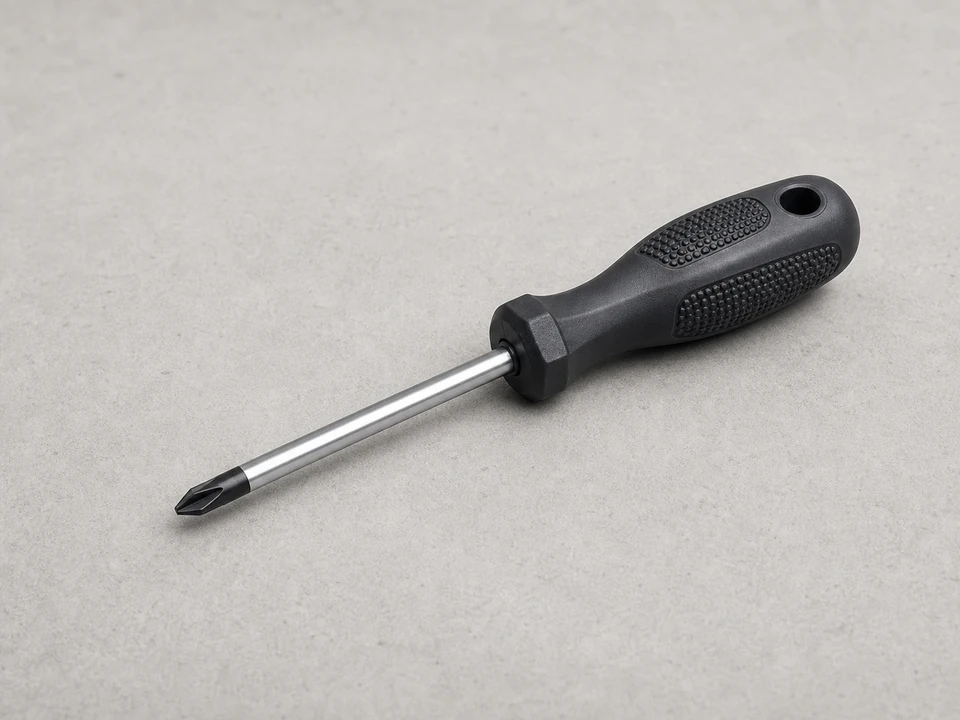
Phillips screwdriver
Use it for: Removes screws that hold some adjusters or rack stops in place.
Shop Phillips screwdriversTo replace a dishwasher top rack adjuster, pull out the upper rack, remove the rack stop or end cap, slide the rack out, swap the broken adjuster for the matching new part, then reinstall the rack and test that it rolls smoothly and sits level.
A worn or broken top rack adjuster can make the upper rack sag, tilt, jam, or stop cleaning well because it no longer sits in the right position. This is usually a manageable homeowner repair if the rack itself and the rail mounts are still in good shape.
Before you start: Match the replacement part to your exact dishwasher before ordering.
Use it for: Removes screws that hold some adjusters or rack stops in place.
Shop Phillips screwdrivers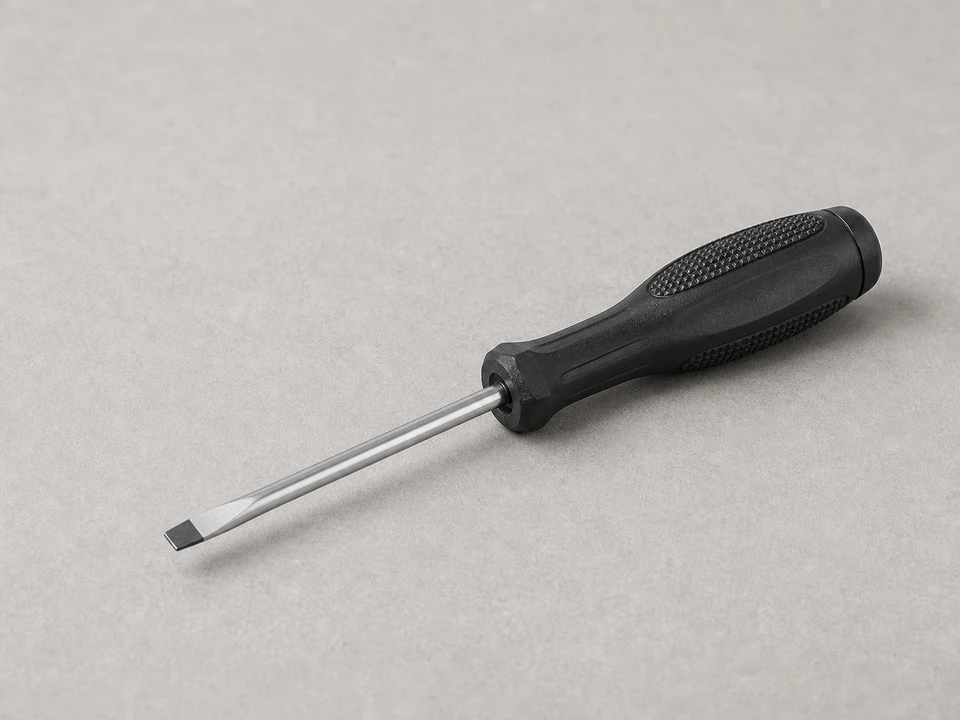
Use it for: Helps release locking tabs or pry off end caps carefully.
Shop small flat screwdrivers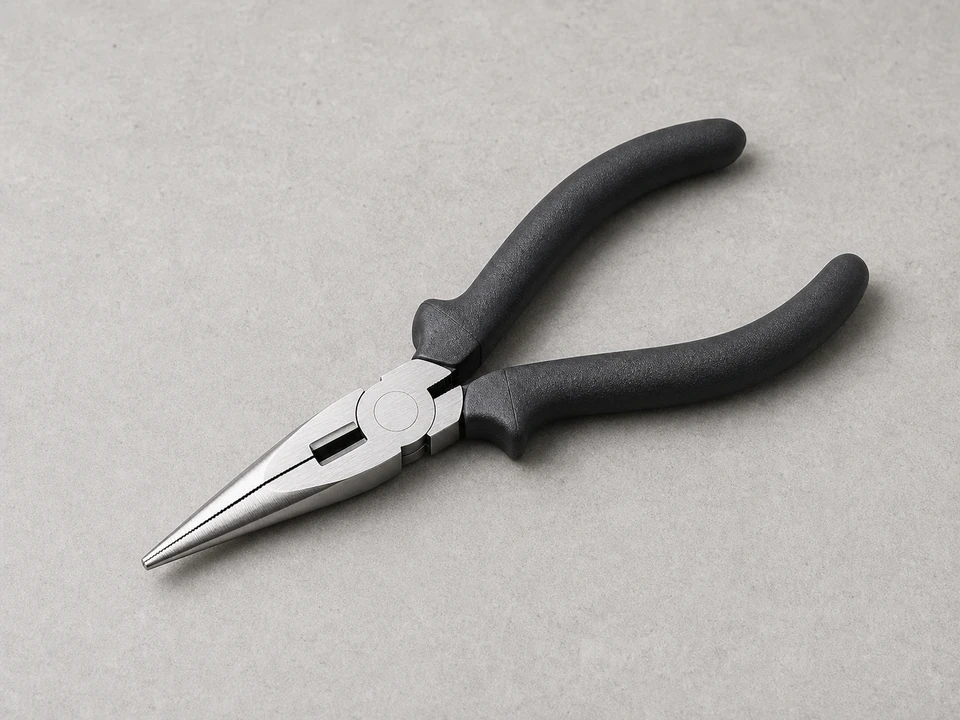
Use it for: Useful for clips, small retainers, and tight spaces around the rack hardware.
Shop needle-nose pliers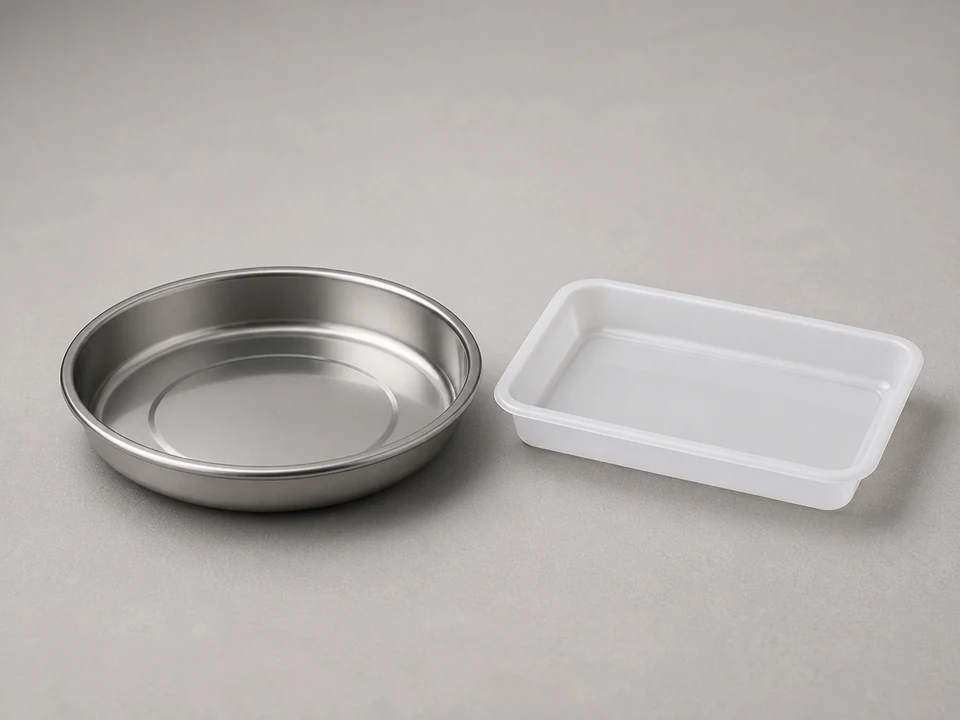
Use it for: Catches screws, clips, and small parts so they do not get lost.
Shop parts trays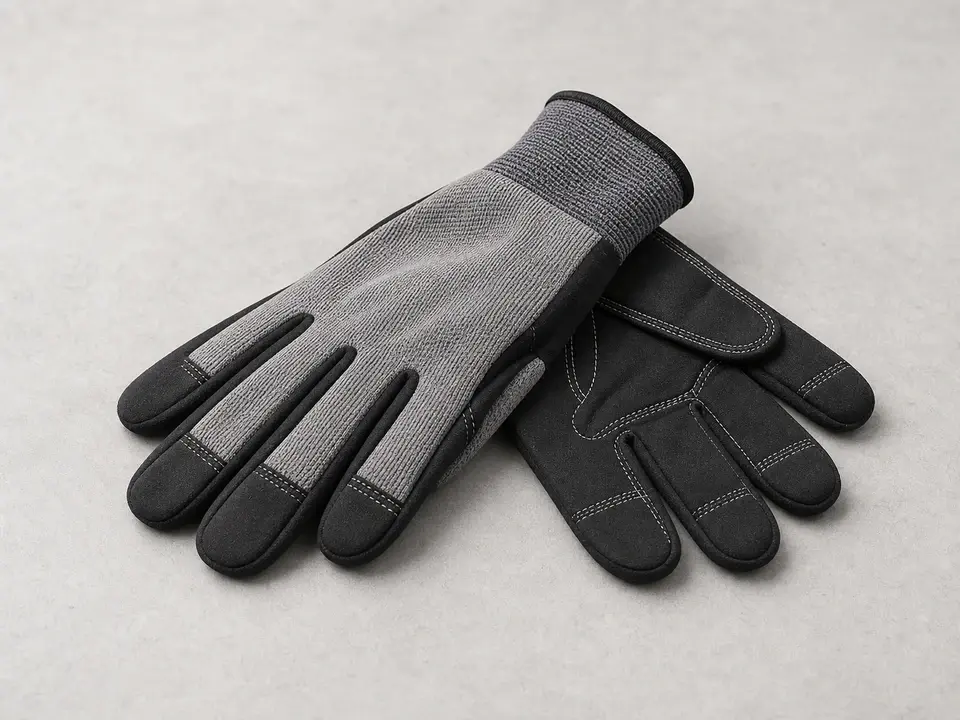
Use it for: Protects your hands from sharp rack wires and metal edges.
Shop work glovesAs an Amazon Associate I earn from qualifying purchases. Repair Riot may earn a commission at no extra cost to you.
If it works: You found a damaged or loose top rack adjuster and the rack and rails look usable.
If it doesn’t: If both adjusters look intact, check for a bent rack, damaged rail, or debris in the track before ordering parts.
If it works: The upper rack is out and you can reach the adjuster clearly.
If it doesn’t: If the rack will not slide out, recheck both rail ends for a hidden stop, clip, or screw that is still holding it in place.
If it works: The old adjuster is off and the mounting area is clear.
If it doesn’t: If the adjuster seems stuck, look again for a hidden tab or retainer instead of forcing the plastic.
If it works: The new adjuster is mounted securely and sits square on the rack.
If it doesn’t: If the adjuster will not seat fully, remove it and compare it side by side with the old part and the opposite side of the rack.
If it works: The rack rolls smoothly, stays level, and stops correctly at the front of the rails.
If it doesn’t: If the rack binds, pull it back out and check that both adjusters are installed at the same height and fully seated on the rack.
If it works: The top rack stays level, rolls normally, and the new adjuster holds during a real cycle.
If it doesn’t: If the rack still sags or jams, inspect the opposite adjuster and both rails for wear because more than one part may need attention.
Match the replacement part to your exact dishwasher before ordering.
As an Amazon Associate I earn from qualifying purchases. Repair Riot may earn a commission at no extra cost to you.
Common signs are a top rack that sags on one side, falls out of position, jams in the rail, or will not stay at the selected height. A cracked wheel, broken plastic housing, or loose adjuster on the rack is a strong clue.
If both sides show wear or the dishwasher is older, replacing both can help the rack sit evenly and reduce repeat repairs. If only one side is clearly damaged, many homeowners replace just that side first.
It is better not to. A broken adjuster can let the rack tilt, interfere with spray coverage, damage dishes, or strain the rail and the other adjuster.
Usually no. This repair is normally done from inside the tub by removing the upper rack and working on it outside the dishwasher.
Stop and compare the new part with the old one and your dishwasher model information. Top rack hardware can look similar but mount differently, so an exact match matters.