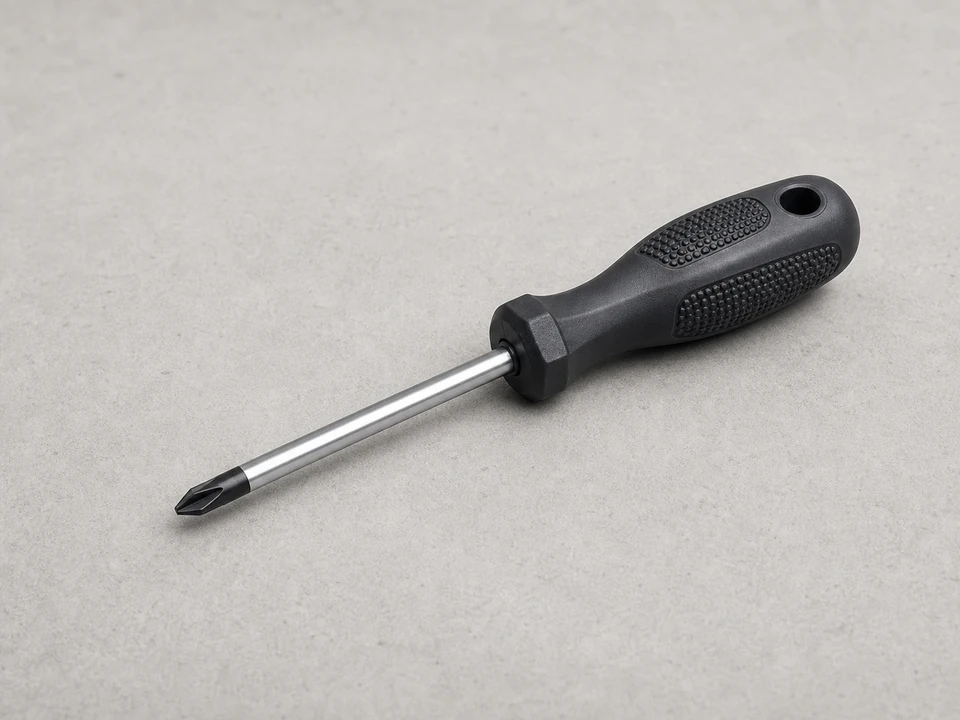
Phillips screwdriver
Use it for: Removes the inner door screws on many dishwashers.
Shop Phillips screwdriversIf the soap cup will not stay closed, pops open too early, or will not release during the cycle, replacing the dishwasher soap dispenser latch is a common fix.
This repair is usually done from the inner door panel. Start by confirming the latch is the actual problem, then remove the door panel carefully, swap the latch, and test the dispenser before putting the dishwasher back into regular use.
Before you start: Match the replacement part to your exact dishwasher before ordering.
Use it for: Removes the inner door screws on many dishwashers.
Shop Phillips screwdrivers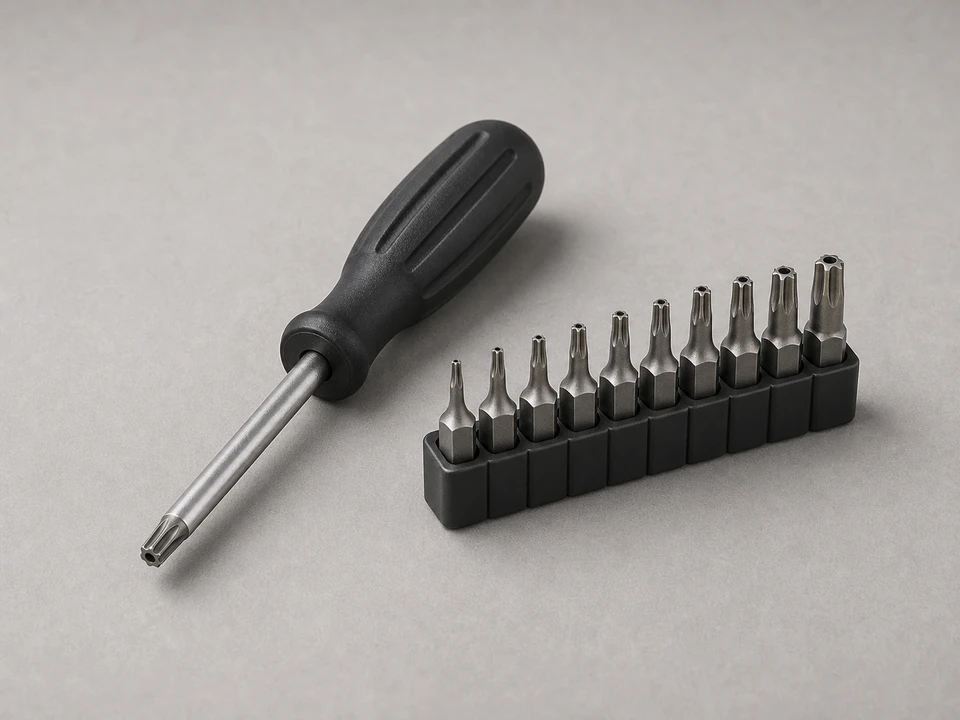
Use it for: Some dishwasher door panels use Torx screws instead of Phillips.
Shop Torx screwdriver sets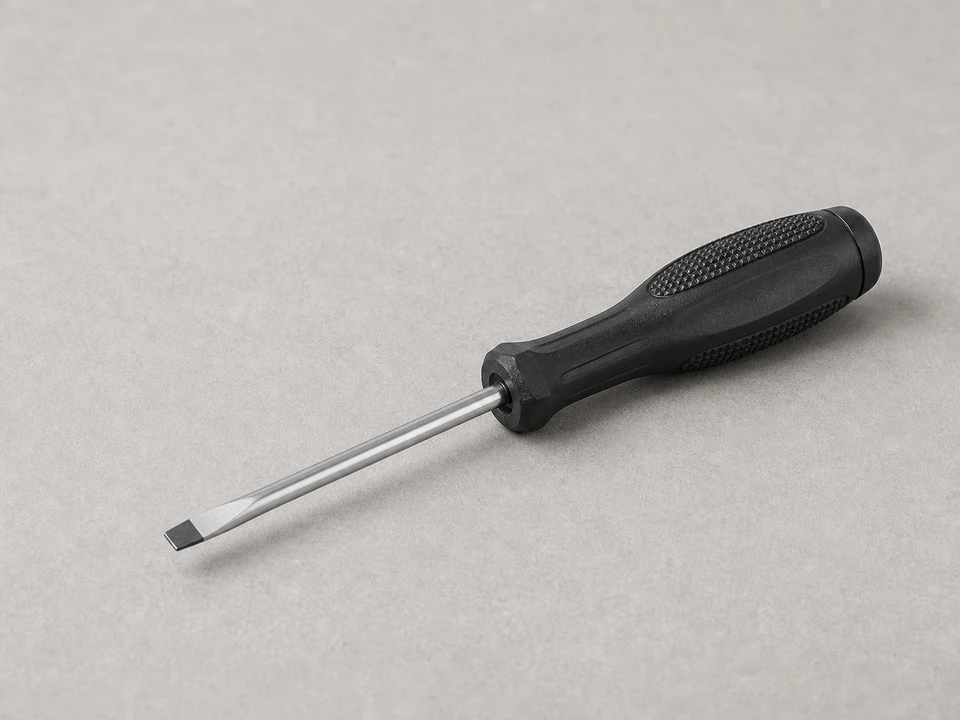
Use it for: Helps release clips or guide the old latch out without forcing it.
Shop small flat screwdrivers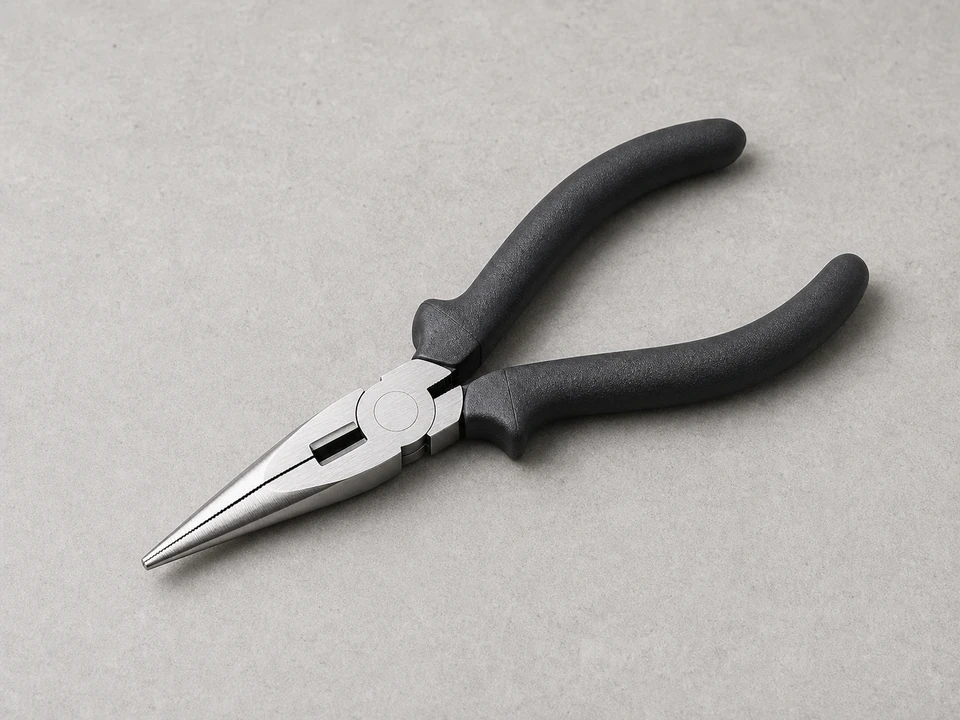
Use it for: Useful for handling small springs, clips, or tight latch pieces.
Shop needle-nose pliers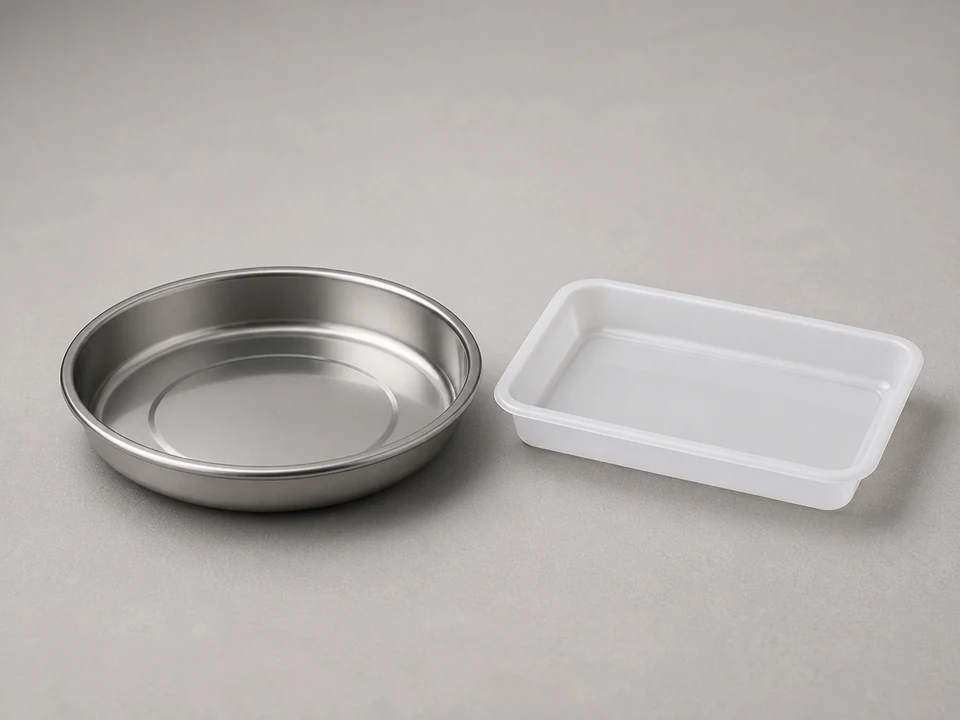
Use it for: Catches screws and protects the door edge while you work.
Shop magnetic trays and work traysAs an Amazon Associate I earn from qualifying purchases. Repair Riot may earn a commission at no extra cost to you.
If it works: You have a clear latch-related symptom instead of a general dispenser or wash-performance issue.
If it doesn’t: If the cover is just sticky from detergent residue, clean the dispenser thoroughly first and retest before replacing parts.
If it works: The dishwasher is safe to work on and the door area is cleared for disassembly.
If it doesn’t: If you cannot confirm power is off, do not continue until you can safely disconnect the dishwasher.
If it works: You can access the back side of the soap dispenser and latch area without straining the door or wiring.
If it doesn’t: If the panel feels stuck, check again for hidden screws before prying on the door.
If it works: The old latch is out and you know how the new one needs to sit in the dispenser.
If it doesn’t: If the latch does not come free, look again for a hidden tab or clip instead of forcing the plastic.
If it works: The dispenser cover now latches and releases smoothly by hand.
If it doesn’t: If the cover still will not latch or release correctly, remove the new latch and compare its shape and orientation to the original part.
If it works: The dispenser opens during a real cycle and the cover latches normally afterward.
If it doesn’t: If the dispenser still does not open during a wash, the issue may be with the dispenser mechanism, timer, control, or wash conditions rather than the latch alone.
Match the replacement part to your exact dishwasher before ordering.
As an Amazon Associate I earn from qualifying purchases. Repair Riot may earn a commission at no extra cost to you.
A bad latch usually will not hold the dispenser cover shut, will release unpredictably, or will not release cleanly even after you clean away dried detergent. If the cover or dispenser body is cracked, the latch may not be the only failed part.
Sometimes yes, if the latch is sold separately and the dispenser body, hinge, and spring are still in good shape. If the mounting area is broken or warped, replacing the full dispenser assembly may make more sense.
The most common causes are the wrong replacement part, incorrect latch orientation, a missing spring or clip, or a damaged dispenser cover or housing that keeps the latch from lining up.
Usually no. Many latch replacements are done by opening the door and removing the inner door panel. You typically only need access to the door itself.
That points away from the latch alone. The dispenser mechanism, control system, or wash cycle timing may be the real issue, so further diagnosis is needed.