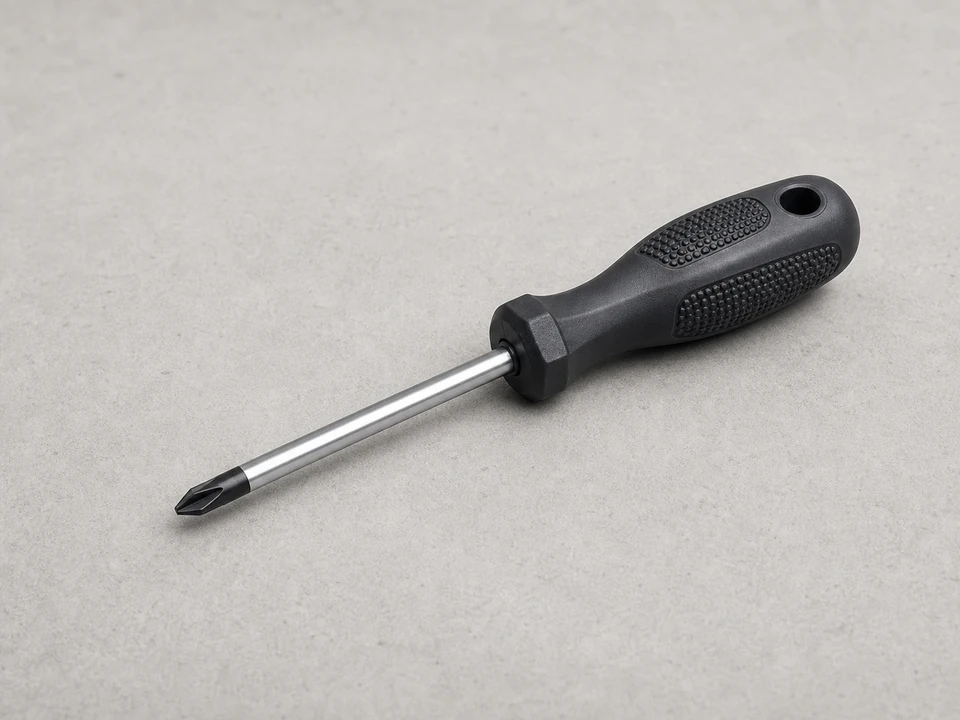
Phillips screwdriver
Use it for: Removes the inner door screws on many dishwashers.
Shop Phillips screwdriversIf the detergent door will not latch, will not open during the cycle, or is cracked and leaking rinse aid, replacing the dishwasher soap dispenser assembly is the usual fix.
This repair is mostly done from the inside of the door, but you may need to open the outer door panel to release the old dispenser and connect the new one. Work slowly so you do not bend the door panel or damage the wiring.
Before you start: Match the replacement part to your exact dishwasher before ordering.
Use it for: Removes the inner door screws on many dishwashers.
Shop Phillips screwdrivers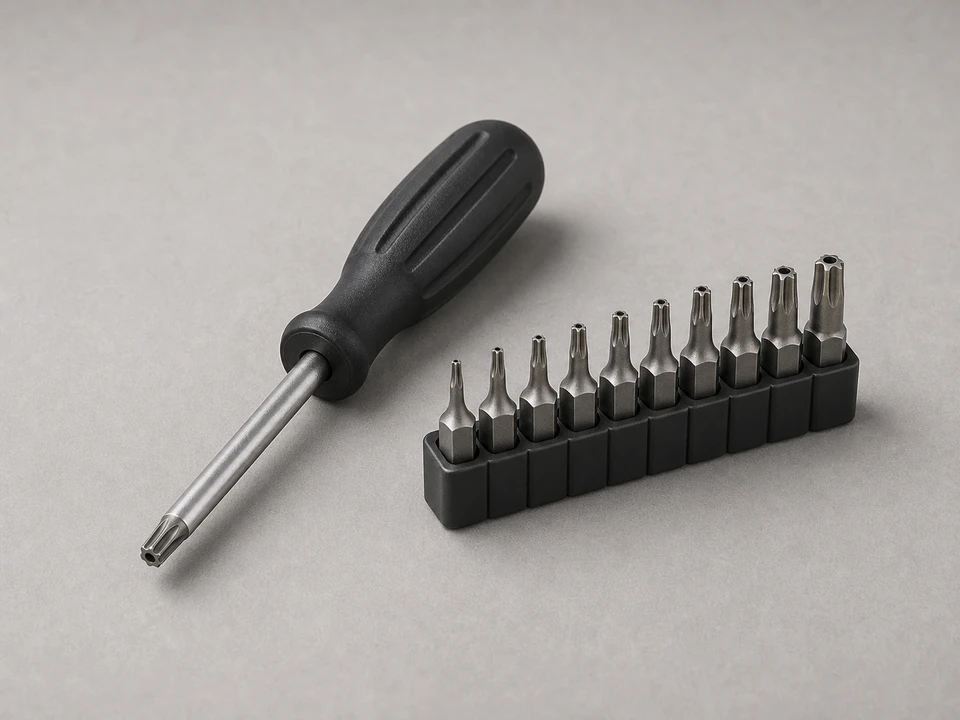
Use it for: Many dishwasher door panels use Torx screws instead of Phillips.
Shop Torx screwdriver sets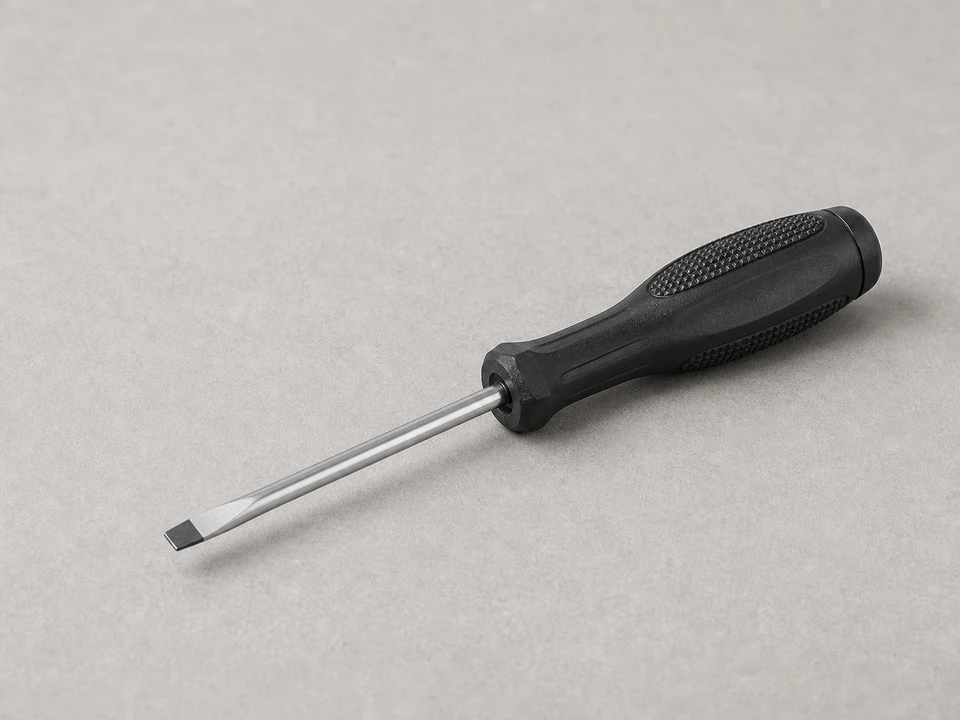
Use it for: Helps release retaining tabs and gently pry the dispenser free.
Shop small flat screwdrivers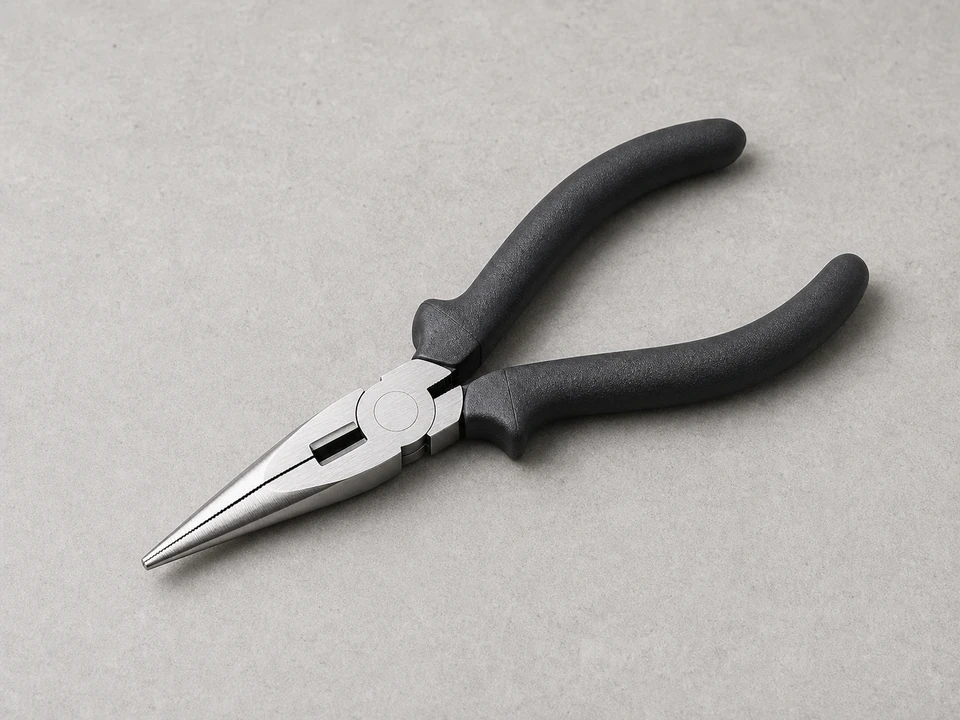
Use it for: Useful for pulling wire connectors or handling small clips.
Shop needle-nose pliers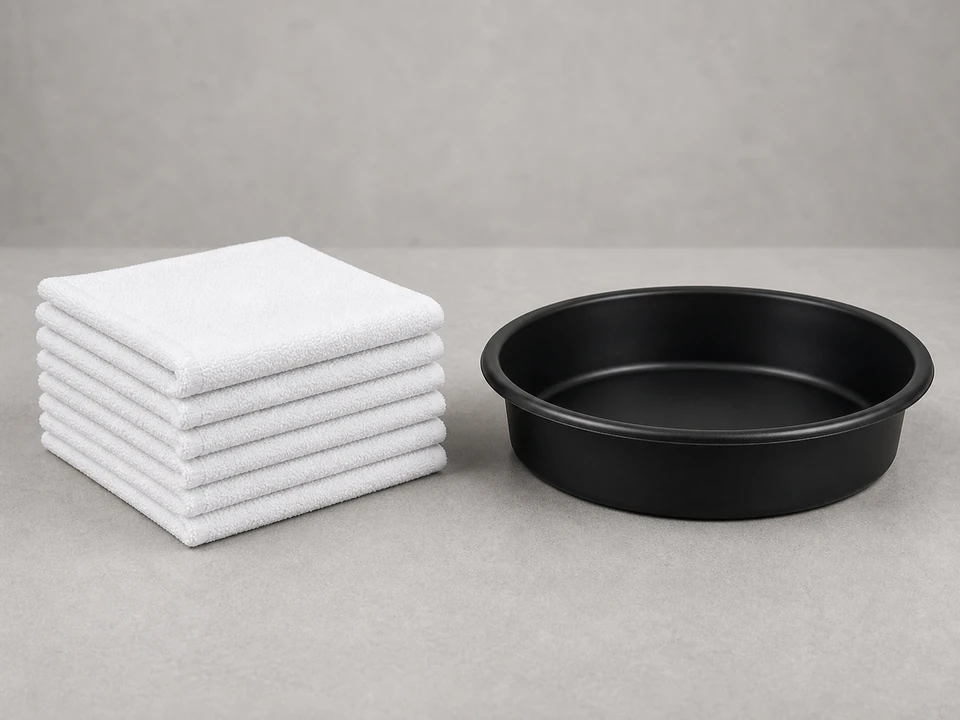
Use it for: Catches any water drips when the door is opened for service.
Shop absorbent towels
Use it for: Protects your hands from sharp sheet-metal edges inside the door.
Shop work glovesAs an Amazon Associate I earn from qualifying purchases. Repair Riot may earn a commission at no extra cost to you.
If it works: You have clear signs the dispenser assembly is broken, sticking internally, or leaking and needs replacement.
If it doesn’t: If the dispenser works normally by hand and nothing is broken, the issue may be with wash performance, loading, or the dispenser release mechanism rather than the dispenser assembly itself.
If it works: The dishwasher is safe to work on and the door area is cleared and protected.
If it doesn’t: If you cannot confidently disconnect power, pause and get help before opening the door panel.
If it works: You can see and reach the back side of the soap dispenser assembly.
If it doesn’t: If the panel will not separate after the screws are removed, check for hidden screws along the top edge or around the latch area and try again gently.
If it works: The old dispenser assembly is out and the door opening is clean and ready for the new part.
If it doesn’t: If the dispenser will not come free, recheck for one more hidden tab or screw before applying more force.
If it works: The new dispenser assembly is mounted securely, connected, and moves freely by hand.
If it doesn’t: If the new part does not line up cleanly or the connector does not match, stop and verify the replacement part number for your exact dishwasher.
If it works: The dispenser opens during the cycle, no leaks appear around the new assembly, and the dishwasher finishes with the repair holding in normal use.
If it doesn’t: If the new dispenser stays closed during a cycle even though it works by hand, the problem may be with the timer, control, wax motor, or release circuit rather than the dispenser assembly.
Match the replacement part to your exact dishwasher before ordering.
As an Amazon Associate I earn from qualifying purchases. Repair Riot may earn a commission at no extra cost to you.
Replace the full assembly when the latch is broken, the door spring or hinge is failing, the housing is cracked, or the rinse-aid section leaks. If the problem is only dried detergent buildup, cleaning may be enough.
Usually no. Most dishwashers require access from inside the door so you can release tabs, remove fasteners, or disconnect a wire connector behind the dispenser.
That usually points to a control or release problem instead of the dispenser itself. The latch may be fine, but the dishwasher may not be sending the signal to release it at the right time.
Many replacement dispenser assemblies include the sealing surface or gasket as part of the assembly. Compare the new part to the old one and make sure the seal sits flat during installation.
If the dispenser opens but detergent remains, the issue may be weak water circulation, blocked spray arms, low water temperature, or loading that blocks the dispenser door.