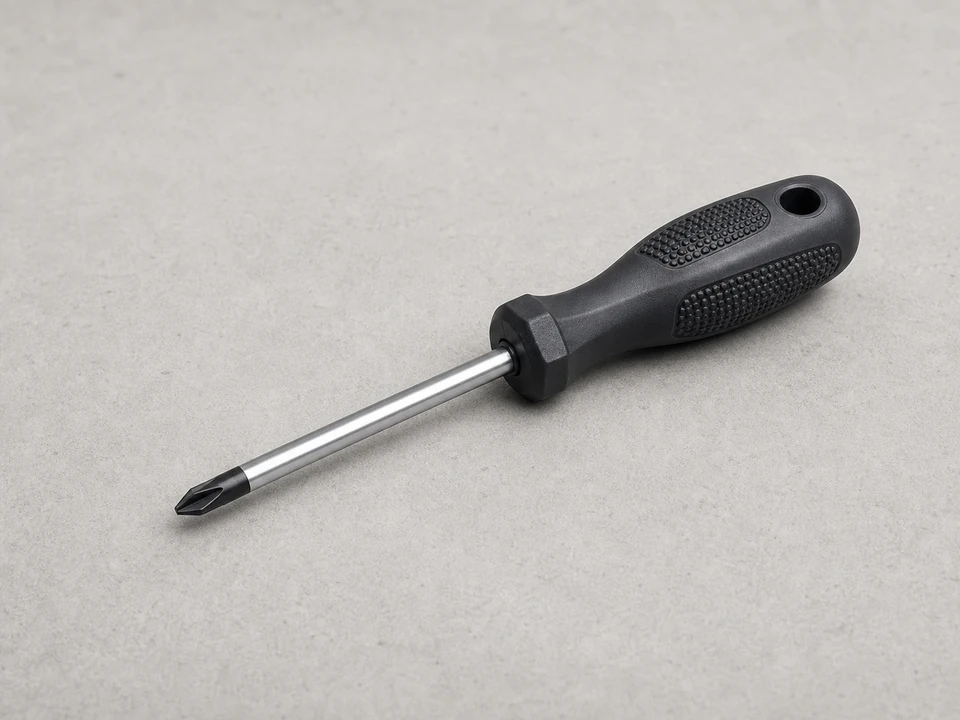
Phillips screwdriver
Use it for: To remove the lower access panel and any mounting screws holding the valve.
Shop Phillips screwdriversTo replace a dishwasher water inlet valve, shut off power and water, remove the lower access panel, disconnect the supply line and wire connector, swap in the new valve, then test for proper fill and leaks.
A bad inlet valve can keep the dishwasher from filling, fill too slowly, or cause inconsistent wash performance. This repair is usually manageable for a careful homeowner because the valve is commonly mounted behind the lower front panel near the water supply connection.
Before you start: Match the valve body layout, electrical connector style, and dishwasher compatibility before ordering.
Use it for: To remove the lower access panel and any mounting screws holding the valve.
Shop Phillips screwdrivers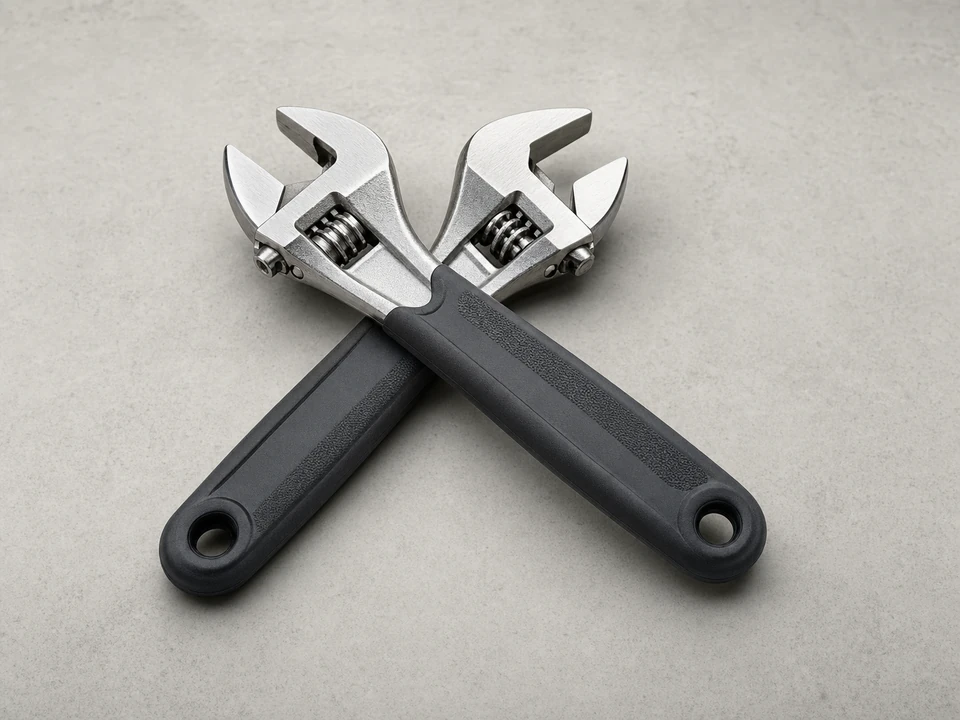
Use it for: To loosen and tighten the water supply fitting on the valve.
Shop adjustable wrenches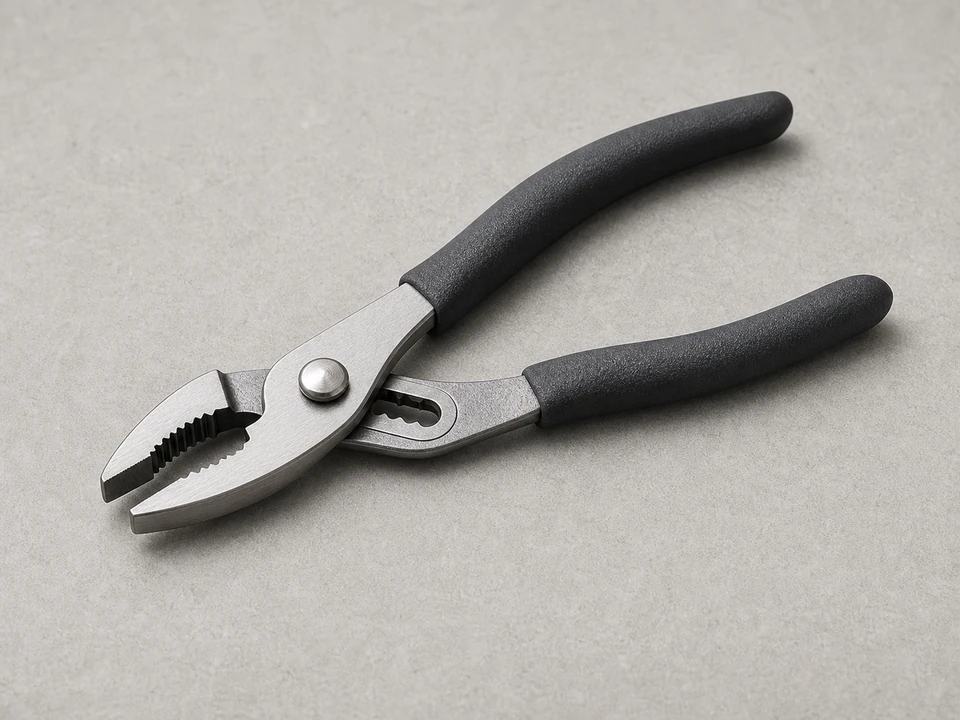
Use it for: To help with hose clamps or stubborn fittings if your dishwasher uses them.
Shop slip-joint pliers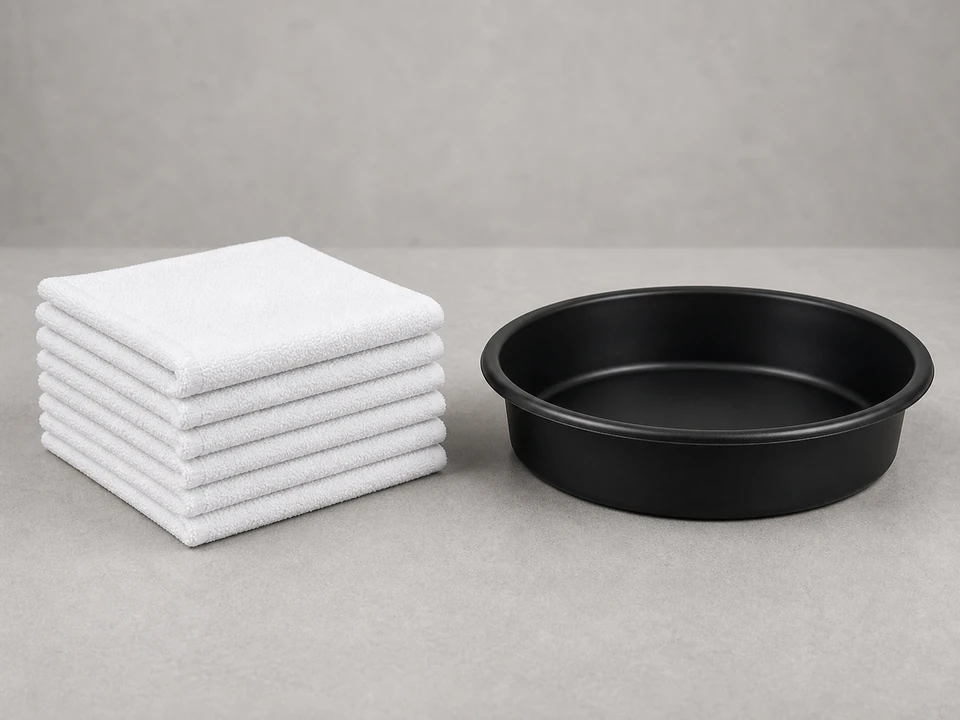
Use it for: To catch the small amount of water that usually spills when the supply line is disconnected.
Shop drip pans and absorbent towels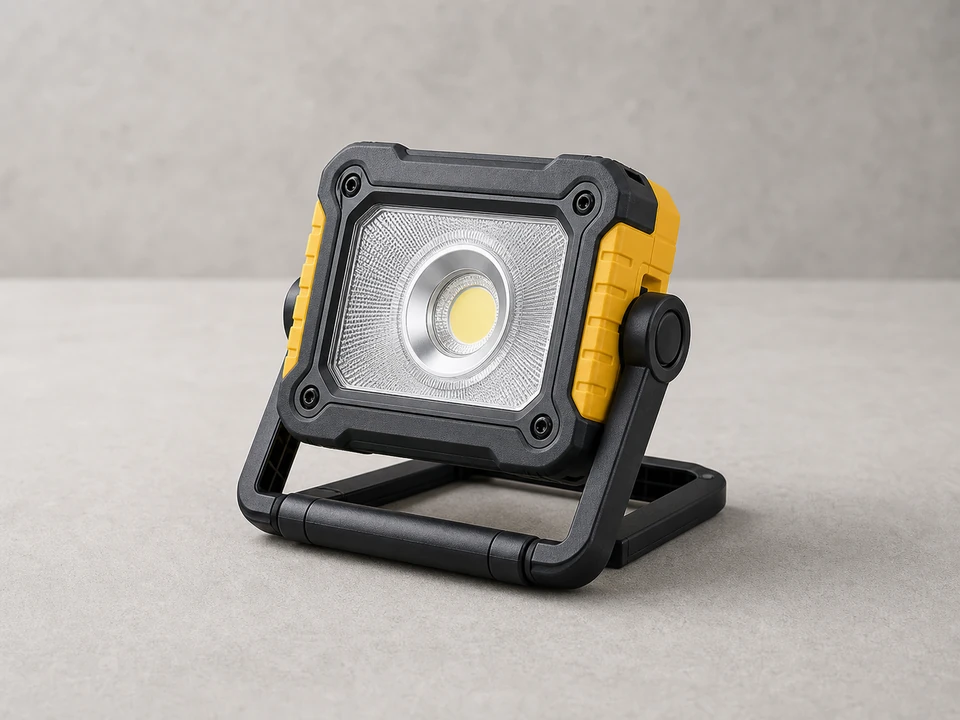
Use it for: To see the valve, wiring, and fittings clearly under the dishwasher.
Shop work lightsAs an Amazon Associate I earn from qualifying purchases. Repair Riot may earn a commission at no extra cost to you.
If it works: You have a reasonable match between the symptoms and a faulty dishwasher water inlet valve.
If it doesn’t: If the dishwasher will not power on, will not drain, or the water supply issue is clearly a closed shutoff or kinked line, fix that problem first before replacing the valve.
If it works: The dishwasher is isolated from power and water, and you can clearly access the inlet valve area.
If it doesn’t: If you cannot reach the valve from the front, you may need to carefully pull the dishwasher forward a few inches after removing any mounting screws at the countertop or cabinet sides.
If it works: The old valve is out and the connections are documented for reassembly.
If it doesn’t: If a fitting is stuck, apply steady pressure and support the valve body. Do not force a plastic fitting until you are sure which side should turn.
If it works: The new valve is mounted securely and all water and electrical connections are back in place.
If it doesn’t: If the new valve does not match the old one closely enough to install without forcing connections, stop and verify the correct replacement part.
If it works: Water is back on, power is restored, and the valve area stays dry before the wash cycle starts.
If it doesn’t: If you see a small drip, shut the water back off and retighten the leaking connection carefully before testing again.
If it works: The dishwasher fills properly, washes normally, and stays dry around the new inlet valve.
If it doesn’t: If the dishwasher still does not fill, the problem may be elsewhere, such as the float switch, control issue, clogged screen, or house water supply problem.
Match the valve body layout, electrical connector style, and dishwasher compatibility before ordering.
As an Amazon Associate I earn from qualifying purchases. Repair Riot may earn a commission at no extra cost to you.
It commonly causes no fill, slow fill, weak wash performance, or a humming sound with little or no water entering the dishwasher.
It is usually behind the lower front access panel near the water supply line connection at the bottom of the dishwasher.
Often yes. Many dishwashers allow access from the front after removing the lower panel, though some installations may need the unit pulled forward slightly.
That depends on the fitting style. Some connections seal with compression fittings and do not use tape. Reconnect it the same way the original was installed unless the replacement instructions say otherwise.
The issue may be a closed or restricted water supply, a clogged screen, a float or float switch problem, wiring trouble, or a control problem rather than the valve itself.