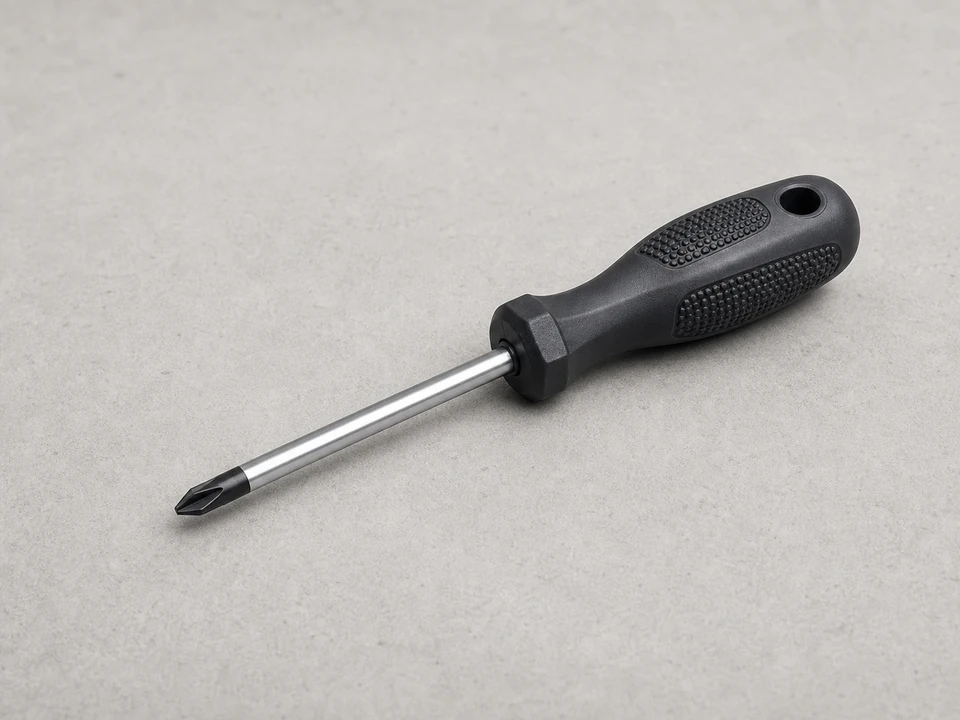
Phillips screwdriver
Use it for: Removes and installs most handle and latch screws.
Shop Phillips screwdriversTo replace a door handle set, confirm the handle itself is worn or loose, remove the inside and outside trim, swap in a matching latch and handle set, then test the door several times to make sure it latches and opens smoothly.
This is a manageable homeowner repair if the door and frame are still sound. The biggest part is getting a replacement that matches your door thickness, backset, latch style, and whether the handle is reversible or handed.
Before you start: Match the handle style, mounting spacing, and handedness or equipment compatibility before ordering.
Use it for: Removes and installs most handle and latch screws.
Shop Phillips screwdrivers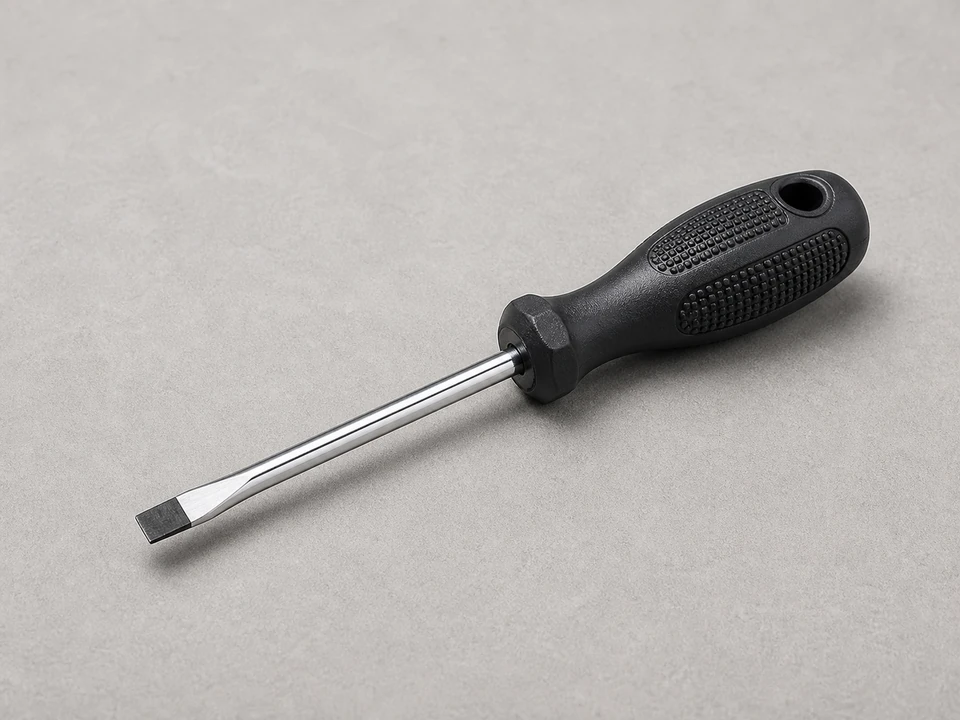
Use it for: Helps pry off trim covers or release hidden clips on some handle sets.
Shop flat screwdrivers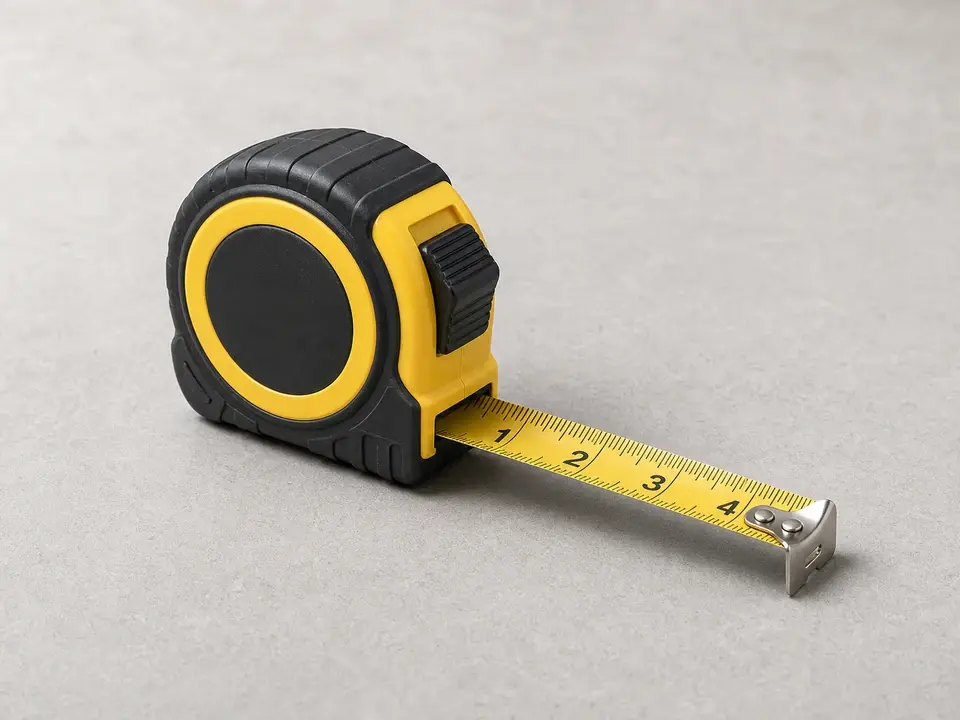
Use it for: Checks backset, bore hole size, and door thickness before you install the new set.
Shop tape measures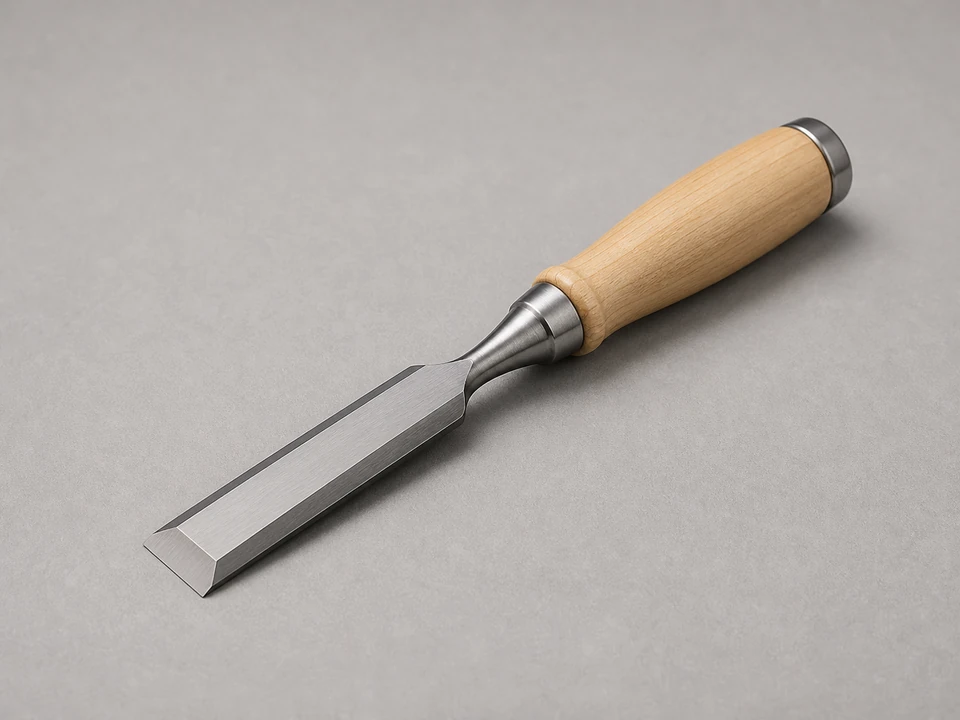
Use it for: Cleans up a latch mortise if the new faceplate does not sit flat.
Shop wood chisels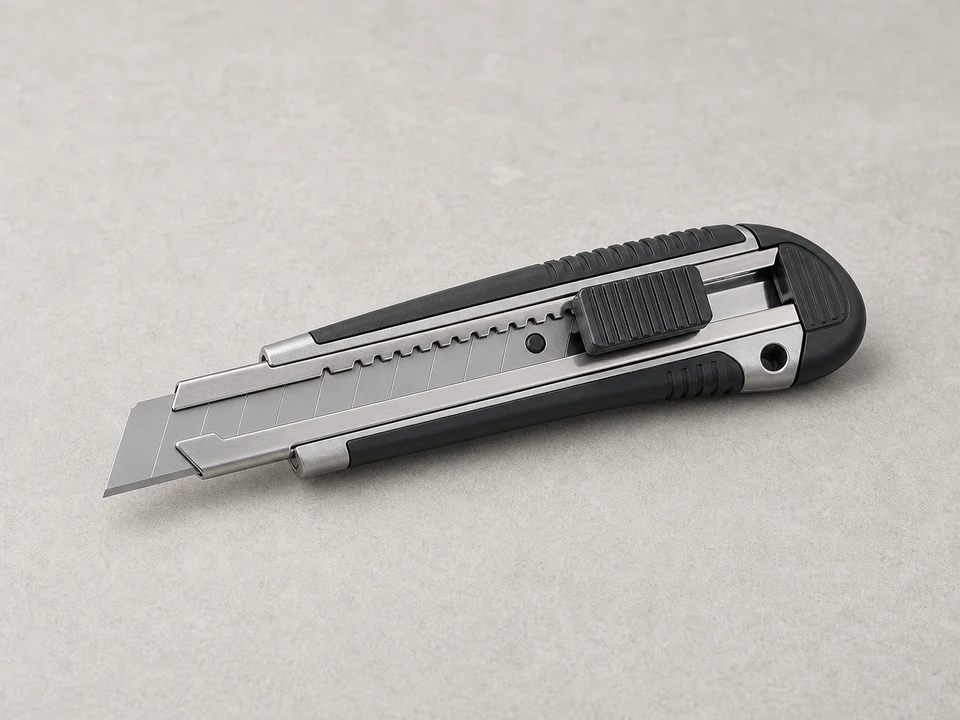
Use it for: Scores paint around trim plates so the old hardware comes off cleanly.
Shop utility knivesAs an Amazon Associate I earn from qualifying purchases. Repair Riot may earn a commission at no extra cost to you.
If it works: You have confirmed the handle set is worn, broken, or too loose to hold adjustment, and you have a compatible replacement ready.
If it doesn’t: If the latch works fine but the door only fails to catch at the frame, adjust the strike or door alignment before replacing the handle set.
If it works: The old handle set and latch are fully removed, and the door holes are exposed for the new hardware.
If it doesn’t: If you cannot see mounting screws, look for a snap-on trim cover or a small release slot on the handle neck and remove the trim carefully.
If it works: The new latch fits the door edge correctly, and the mounting surfaces are clean and flat.
If it doesn’t: If the new latch faceplate shape or size does not match and cannot sit flush without major cutting, exchange the handle set for a better match.
If it works: The latch is installed straight, sits flush on the door edge, and moves smoothly.
If it doesn’t: If the latch binds, remove it and make sure it is facing the right direction and not pinched by a crooked faceplate.
If it works: The handle set is mounted tightly, looks even on both sides, and turns the latch without rubbing.
If it doesn’t: If the handle feels stiff after tightening, loosen the screws slightly, realign the halves, and retighten evenly.
If it works: The door opens, closes, and latches smoothly from both sides, and the handle stays tight after repeated use.
If it doesn’t: If the new handle works but the latch still misses or rubs at the frame, adjust the strike plate or door alignment next.
Match the handle style, mounting spacing, and handedness or equipment compatibility before ordering.
As an Amazon Associate I earn from qualifying purchases. Repair Riot may earn a commission at no extra cost to you.
If the handle keeps loosening, the spindle slips, the latch sticks, or the inside and outside halves no longer stay aligned even after tightening, replacing the full handle set is usually the better fix.
Check the door thickness, the backset, the size of the main bore hole, and the latch faceplate shape on the door edge. Also make sure the handle style works for your door swing or is reversible.
It is usually better to use the latch that comes with the new handle set. The internal parts are designed to work together, and mixing old and new pieces can cause binding or loose operation.
That usually points to a strike or alignment issue, not a bad new handle. The latch may be hitting the strike plate, the door may be sagging slightly, or the strike opening may need adjustment.
A small mismatch can sometimes be cleaned up carefully so the plate sits flush. If the difference is large, return the hardware and get a better match instead of forcing a poor fit.