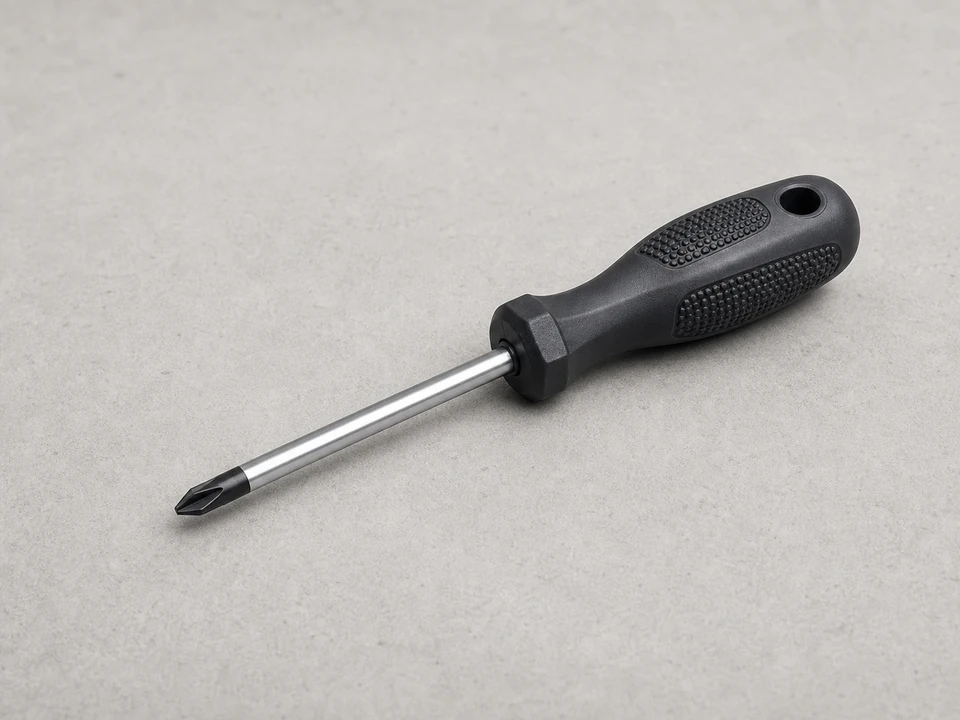
Phillips screwdriver
Use it for: Removes and installs most storm door handle screws.
Shop Phillips screwdriversTo replace a storm door handle set, first make sure the handle or latch is actually the problem, then remove the inside and outside handles, swap in the new latch parts, and test that the door opens, closes, and latches without binding.
This is a manageable homeowner repair if the door itself is still in good shape. The key is ordering a handle set that matches your door and installing it without twisting the hardware or stripping the screws.
Before you start: Match the handle style, mounting hole spacing, latch style, and door handing before ordering so the new set lines up with your door.
Use it for: Removes and installs most storm door handle screws.
Shop Phillips screwdrivers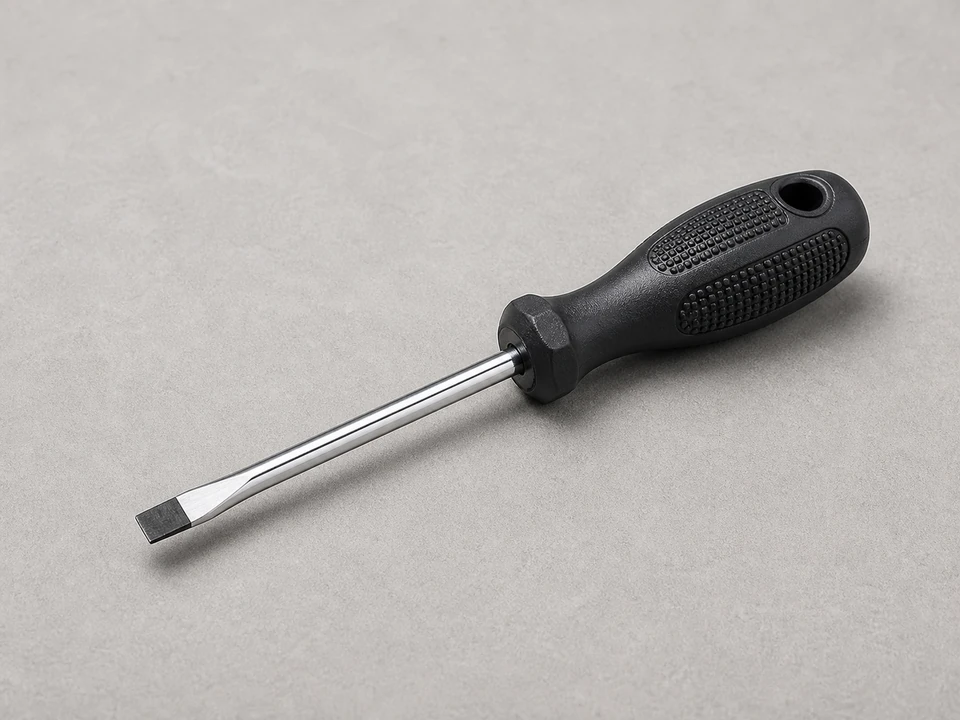
Use it for: Helps gently pry trim pieces or guide the latch if needed.
Shop flat screwdrivers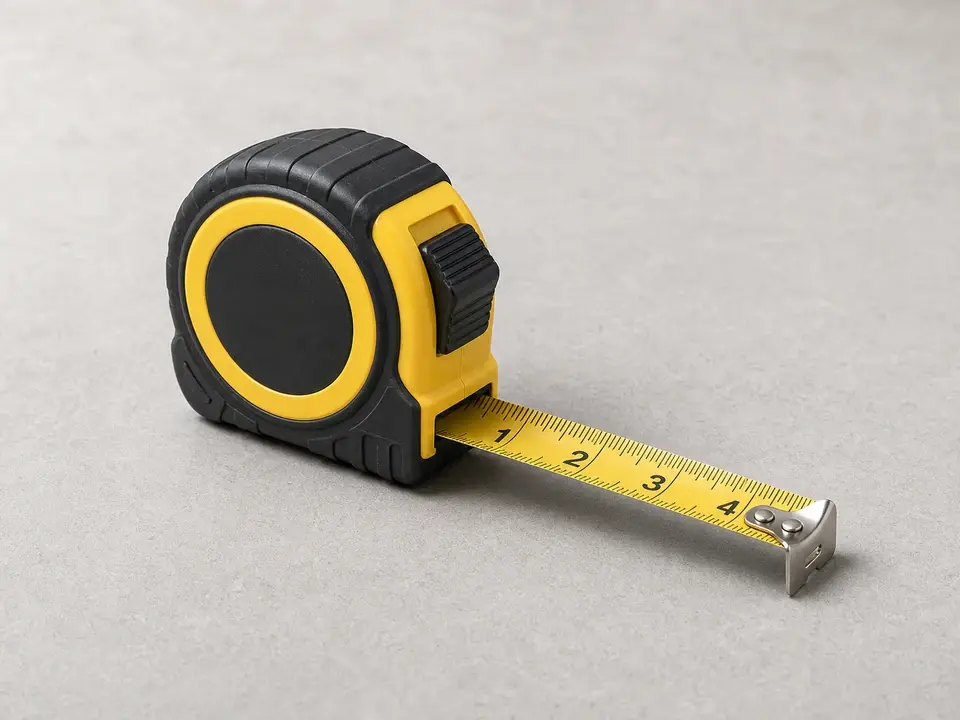
Use it for: Checks mounting hole spacing and backset before you order the replacement.
Shop tape measures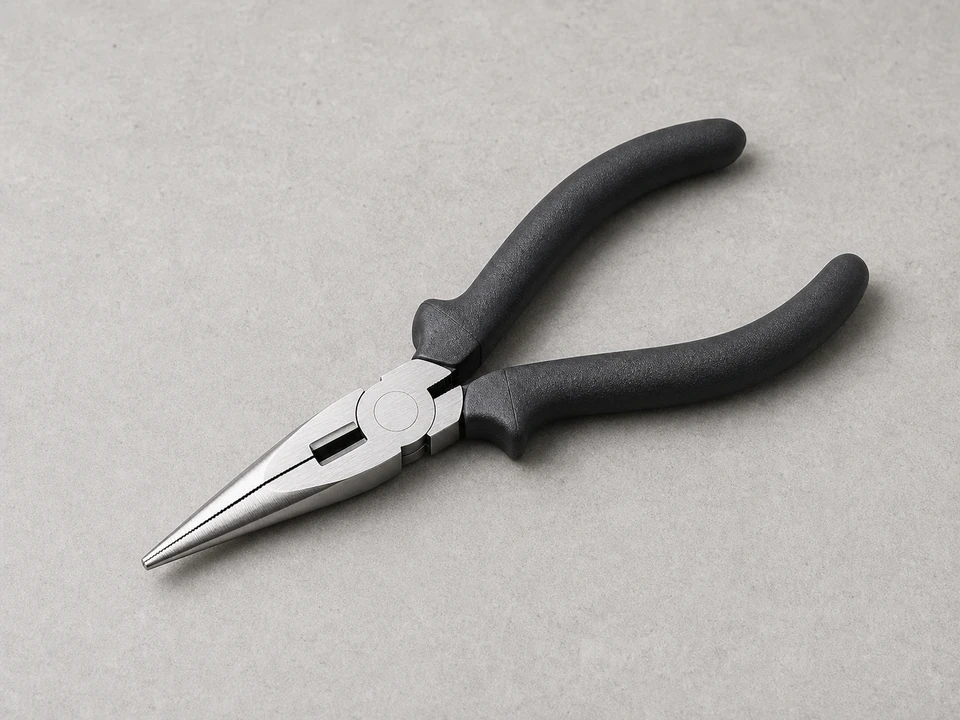
Use it for: Useful for handling small clips, spindle pieces, or stubborn latch parts.
Shop needle-nose pliers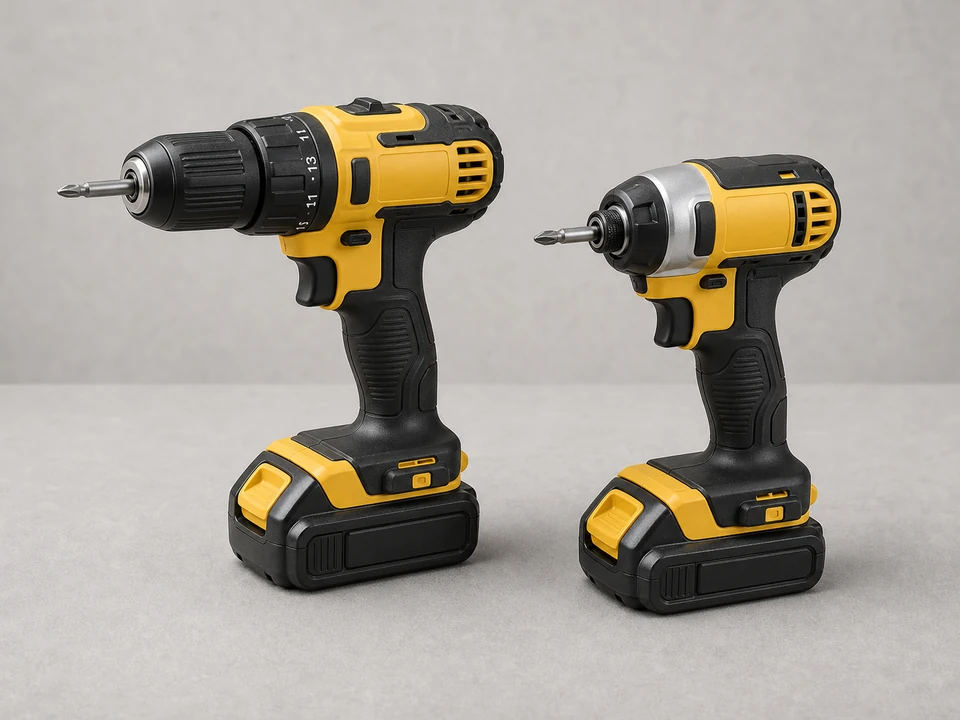
Use it for: Speeds up screw removal and installation if the screws are tight.
Shop drill drivers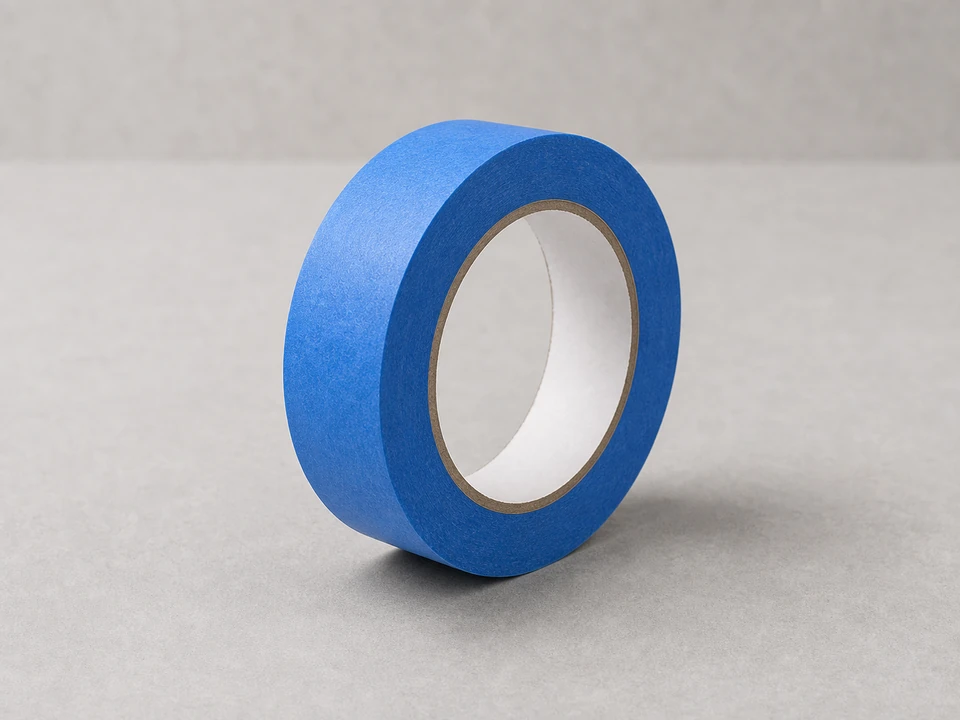
Use it for: Holds the outside handle in place during installation and protects the door finish.
Shop painter's tapeAs an Amazon Associate I earn from qualifying purchases. Repair Riot may earn a commission at no extra cost to you.
If it works: You have a failed or worn handle set, not just a simple alignment issue.
If it doesn’t: If the handle works normally with the door open but the door will not latch when closed, adjust the strike or door alignment before replacing parts.
If it works: You have the right replacement on hand and the door is stable to work on.
If it doesn’t: If the new handle set does not match the hole spacing, latch style, or handing, pause and exchange it before removing more parts.
If it works: The old handle set and latch parts are off the door without damaging the door skin.
If it doesn’t: If a screw is stuck, apply steady pressure with the correct bit and back it out slowly to avoid stripping it.
If it works: The new latch and outside handle are positioned correctly and the screws are started without cross-threading.
If it doesn’t: If the spindle will not pass through cleanly or the latch will not sit flat, remove it and recheck the orientation against the old parts.
If it works: The handle feels solid, the latch moves freely, and the hardware sits flat against the door.
If it doesn’t: If the handle binds, loosen the screws slightly and realign the inside and outside pieces before retightening.
If it works: The door opens, closes, and latches smoothly in real use, and the new handle set stays tight.
If it doesn’t: If the new handle works but the door still will not latch reliably, adjust the strike plate or inspect the hinges and closer for alignment problems.
Match the handle style, mounting hole spacing, latch style, and door handing before ordering so the new set lines up with your door.
As an Amazon Associate I earn from qualifying purchases. Repair Riot may earn a commission at no extra cost to you.
If the handle is cracked, loose, jammed, or no longer retracts the latch properly with the door open, replacement is usually the right fix. If the handle works fine with the door open but the door will not latch when closed, the strike or door alignment may be the real issue.
Yes. In many cases the handle set is a separate repair as long as the door skin, mounting holes, and latch area are still solid enough to hold the new hardware.
Check the mounting hole spacing, latch style, door handing, and how the latch lines up with the door edge. Matching those details is what keeps the new set from binding or leaving unused holes exposed.
The most common causes are misalignment between the inside and outside pieces, a spindle installed in the wrong orientation, or screws tightened unevenly. Loosen the screws slightly, realign the parts, and tighten them evenly.
Not always. If the old strike still lines up well and the latch catches cleanly, you may be able to keep it. If the latch rubs, misses, or only catches partway, a small strike adjustment or replacement can help.