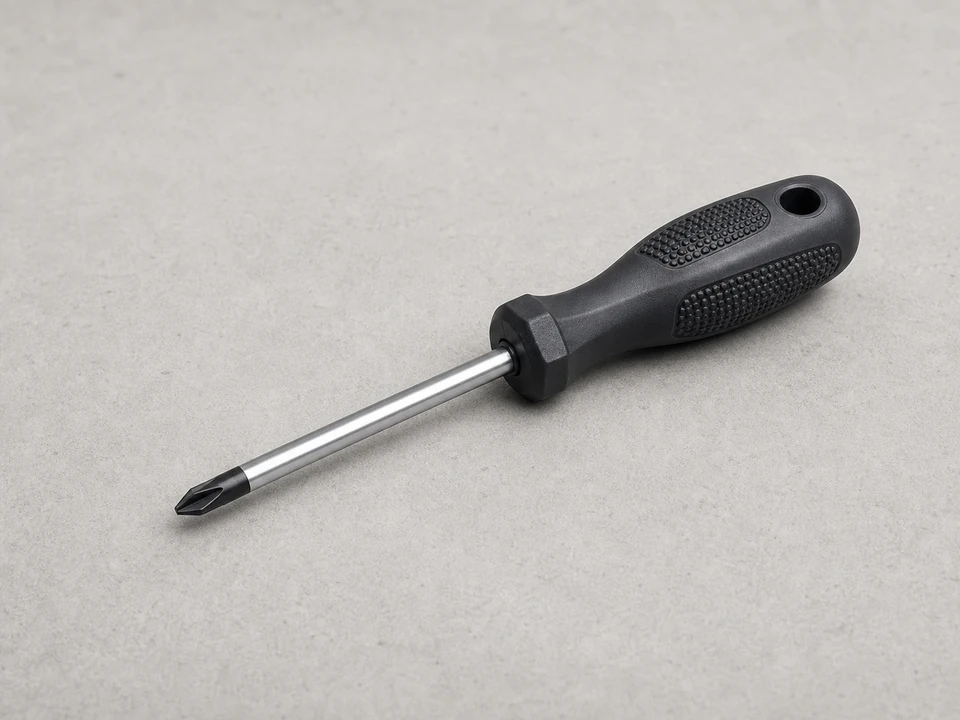
Phillips screwdriver
Use it for: To remove and install most hinge screws with better control than a drill.
Shop Phillips screwdriversTo replace a door hinge, support the door, remove one hinge leaf at a time, install a matching replacement, and test the door for smooth swing and even gaps.
This is usually a manageable homeowner repair if the door is not badly warped and the hinge location is still solid. Work slowly, keep the door supported, and stop if the door feels too heavy to control or the wood around the screws is badly damaged.
Before you start: Match the replacement part to your exact door before ordering. Check hinge height, width when open, corner shape, finish, and whether the screw holes line up.
Use it for: To remove and install most hinge screws with better control than a drill.
Shop Phillips screwdrivers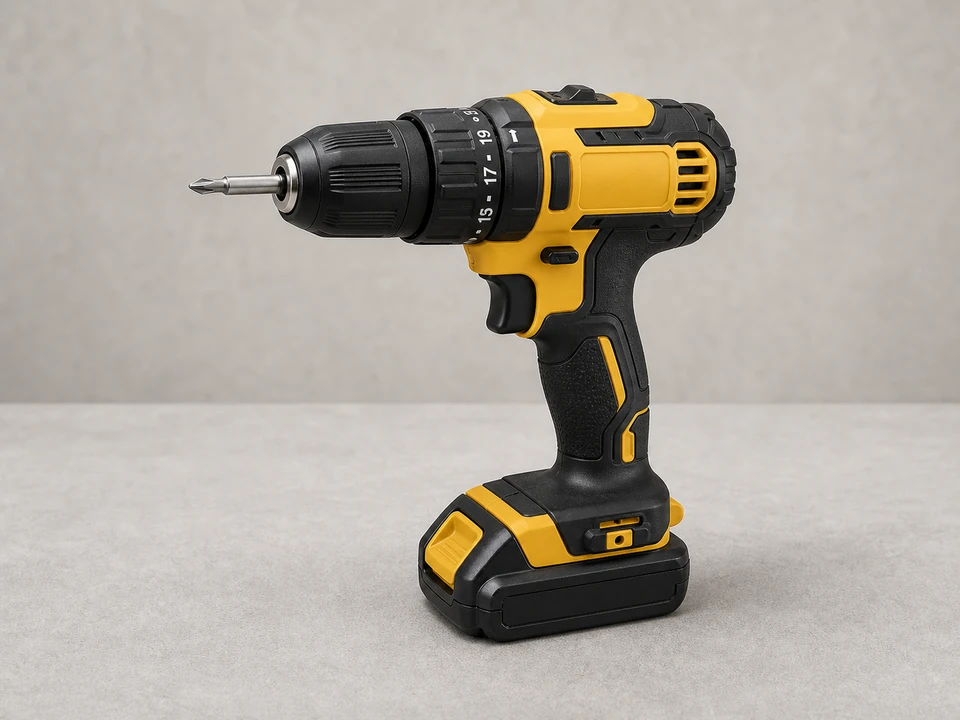
Use it for: To speed up screw removal and installation if the screws are not stuck.
Shop drill drivers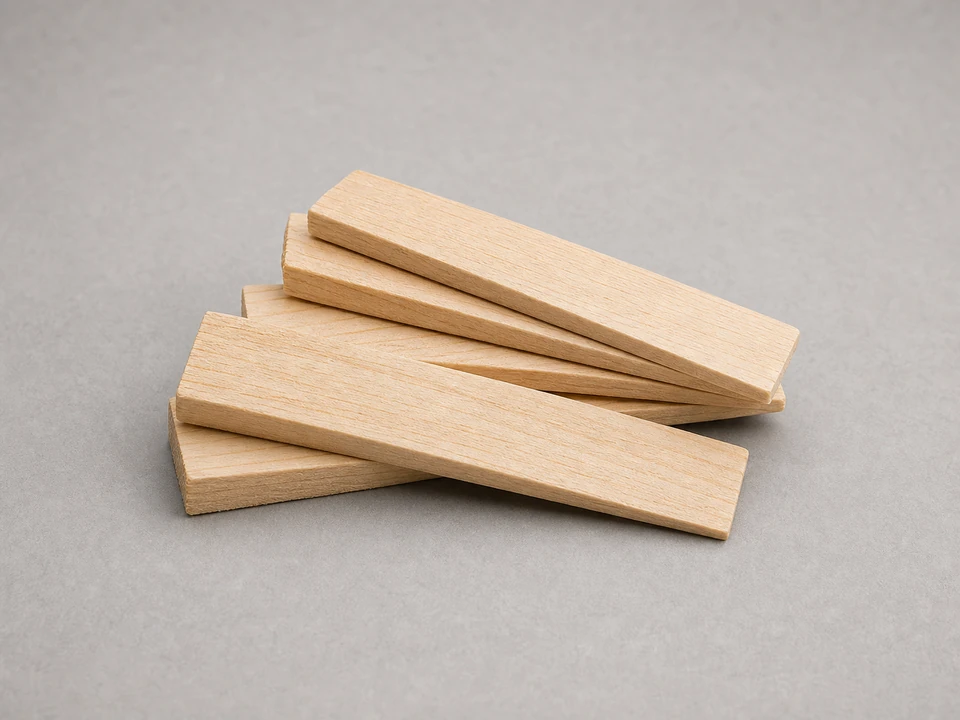
Use it for: To support the door and hold its height while you swap the hinge.
Shop wood shims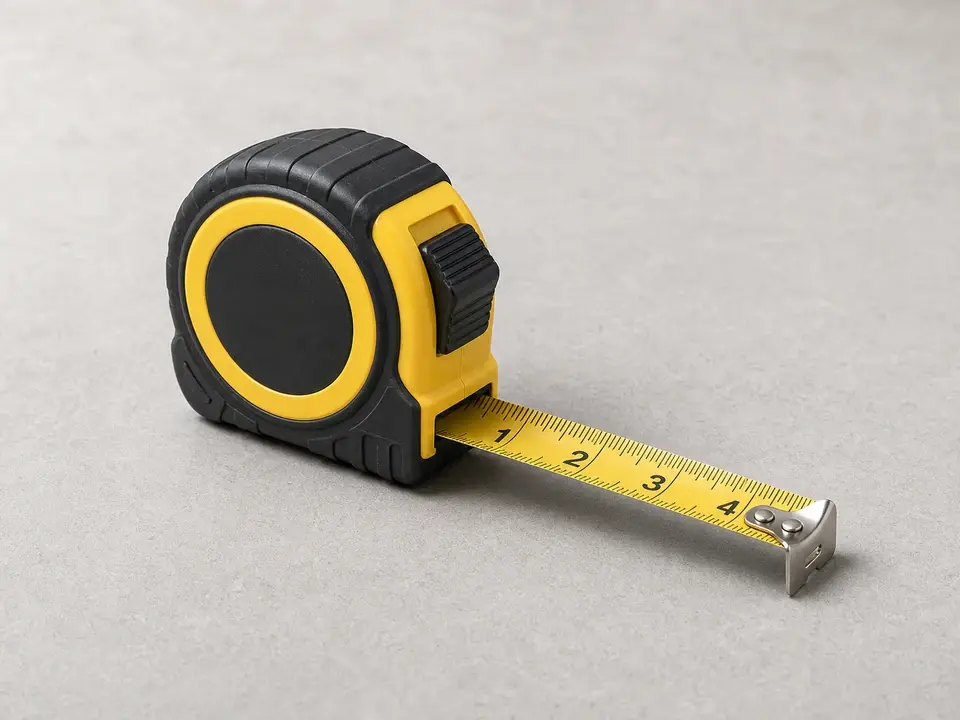
Use it for: To compare the old hinge size to the replacement before installation.
Shop tape measures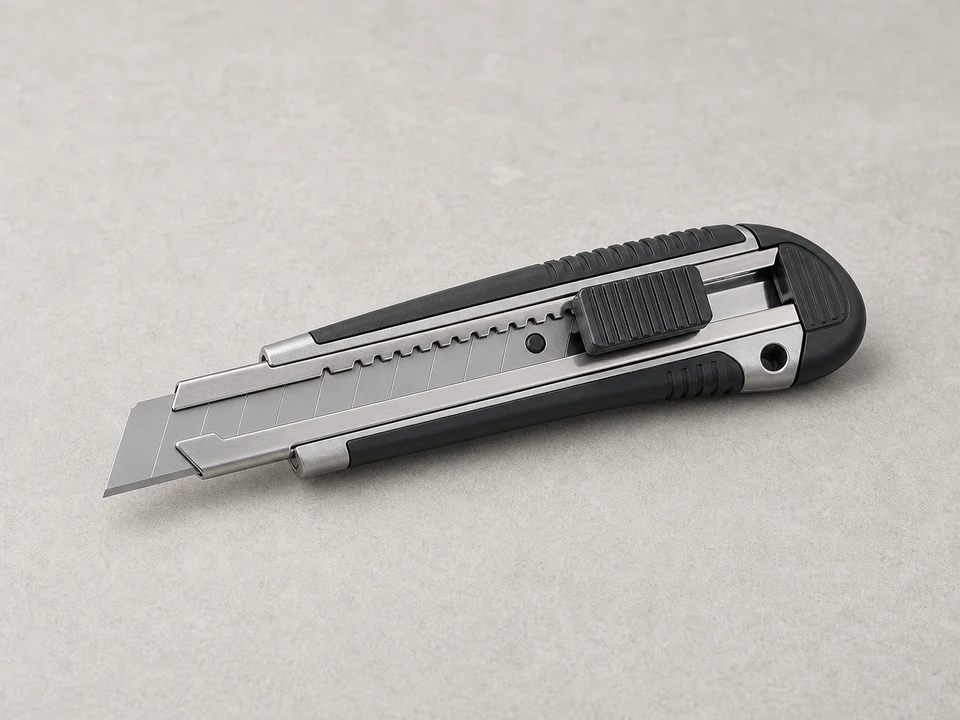
Use it for: To score paint lines around the hinge so trim paint does not tear.
Shop utility knives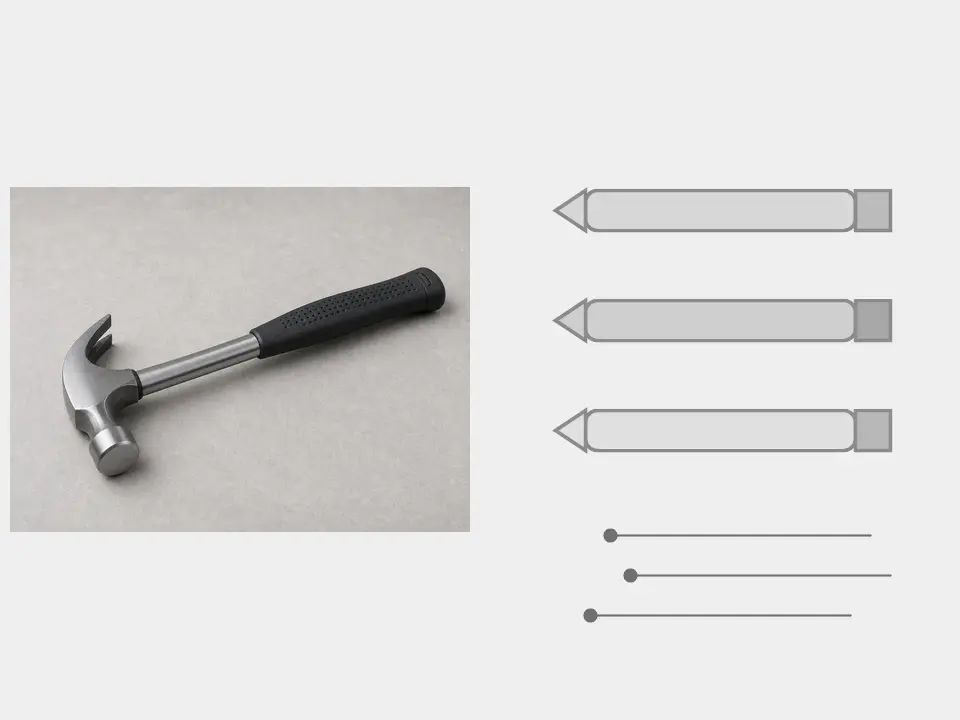
Use it for: To tap out a removable hinge pin if needed and to start stubborn screws carefully.
Shop hammer and nail setAs an Amazon Associate I earn from qualifying purchases. Repair Riot may earn a commission at no extra cost to you.
If it works: The door is supported and the replacement hinge matches the old hinge closely enough to install.
If it doesn’t: Do not remove the old hinge yet. Get a closer match or plan for extra fitting work.
If it works: The old hinge is off and the mortise area is clean and ready for the new part.
If it doesn’t: If a screw is stripped or stuck, stop forcing it. Try a hand screwdriver for better control or use screw-removal methods before continuing.
If it works: The new hinge sits flat in the mortise and lines up well enough for the screws to start straight.
If it doesn’t: If the hinge does not sit flat or the knuckle position looks wrong, remove it and recheck the hinge size and orientation.
If it works: The new hinge is mounted flat, the screws are snug, and the hinge pin is fully seated if applicable.
If it doesn’t: Back out any screw that goes in crooked and restart it by hand. If a screw will not tighten, the wood may need repair before the hinge can hold properly.
If it works: The door swings smoothly, the gaps look even, and the hinge moves without obvious binding.
If it doesn’t: If the door rubs or sags, confirm the hinge is fully seated and that all screws are tight. Minor alignment issues may improve by reseating the hinge or replacing worn screws with proper-size screws that fit the hinge.
If it works: The hinge replacement is complete and the door is ready for normal use.
If it doesn’t: If the door still does not operate normally, the problem may involve stripped wood, a shifted frame, or additional worn hinges.
Match the replacement part to your exact door before ordering. Check hinge height, width when open, corner shape, finish, and whether the screw holes line up.
As an Amazon Associate I earn from qualifying purchases. Repair Riot may earn a commission at no extra cost to you.
Not always. If only one hinge is bent, cracked, or worn, you can replace that one. If the other hinges are loose, worn, or a different size, replacing them together can help the door stay aligned.
Match the old hinge as closely as possible. Measure the hinge height and open width, check whether the corners are square or rounded, compare the screw hole pattern, and make sure the hinge orientation matches the original.
A new hinge will not solve stripped wood by itself. If screws will not tighten, the wood around the holes may need repair before the hinge can hold properly. Stop if the hinge feels loose after tightening.
Usually yes, if you support the door well and replace one hinge at a time. Heavy doors can shift quickly, so get help if the door feels difficult to control.
The new hinge may not be seated fully, the screws may not be tight, the replacement may not match the old hinge exactly, or another hinge may also be worn. Frame movement or damaged wood can also keep the door out of alignment.