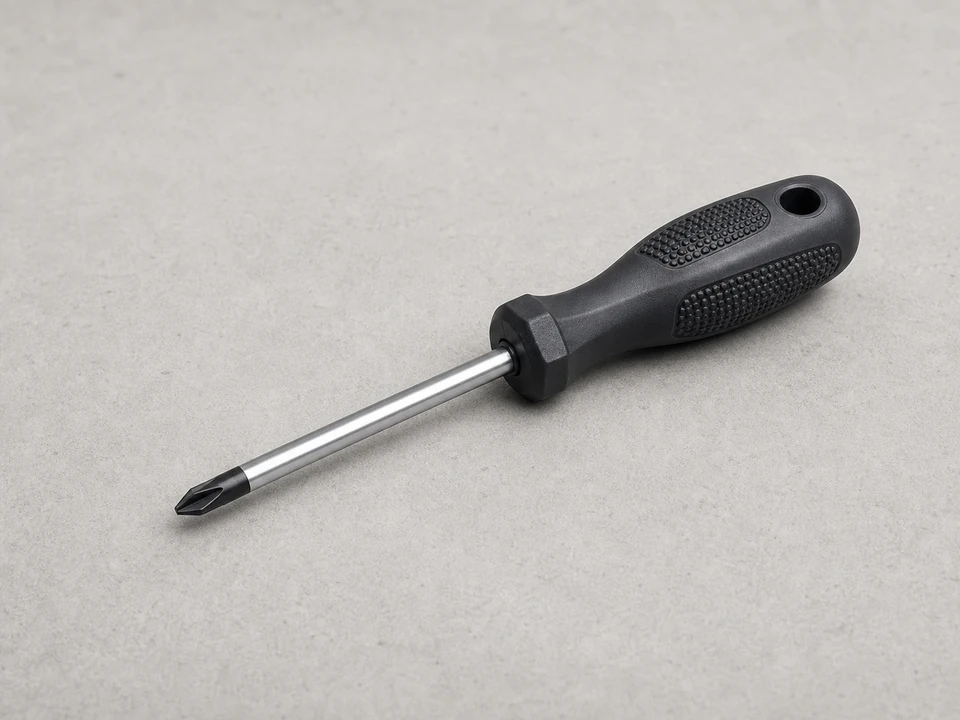
Phillips screwdriver
Use it for: Removes most knob, lever, and latch screws.
Shop Phillips screwdriversTo replace a door latch, remove the handle or knob, take out the old latch from the door edge, match the new latch length and faceplate style, install it in the same orientation, then reassemble and test the door several times.
This is a straightforward repair for many interior and exterior doors, but fit matters. Work slowly, keep the screws organized, and stop if the new latch does not match the old one closely enough to install without forcing it.
Before you start: Match the replacement part to your exact door before ordering.
Use it for: Removes most knob, lever, and latch screws.
Shop Phillips screwdrivers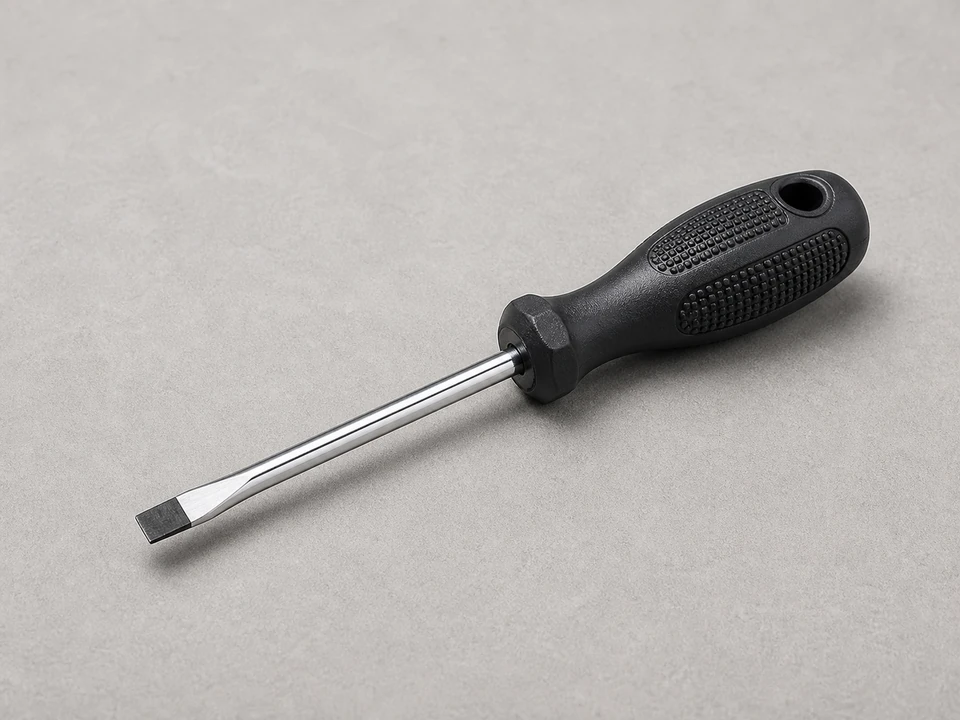
Use it for: Helps pry off trim covers or gently lift a faceplate if needed.
Shop flat screwdrivers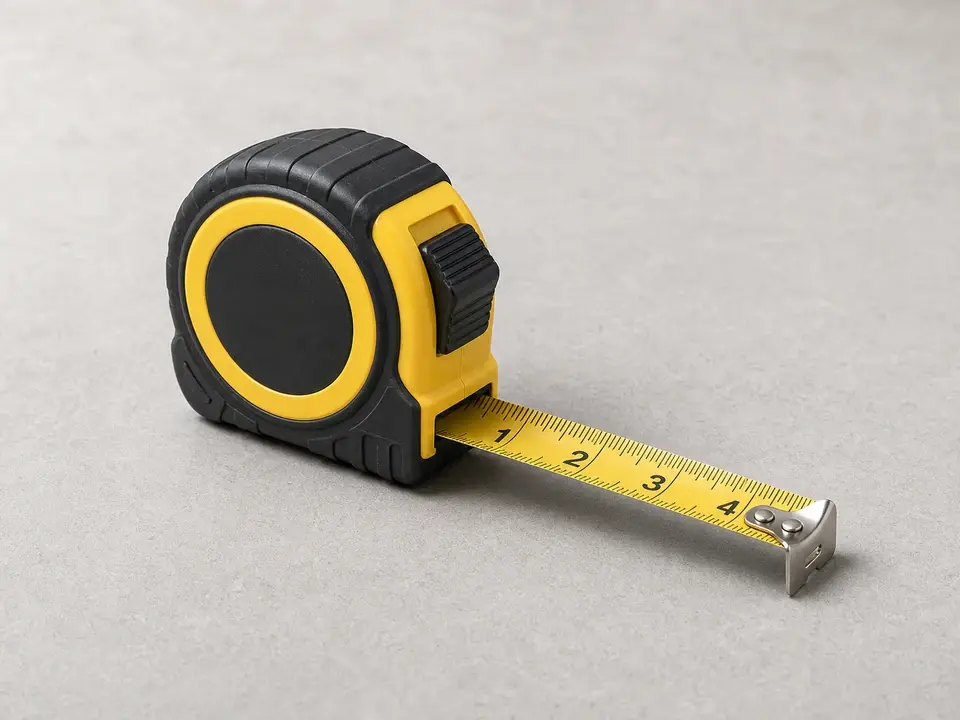
Use it for: Checks latch backset and overall fit before installation.
Shop tape measures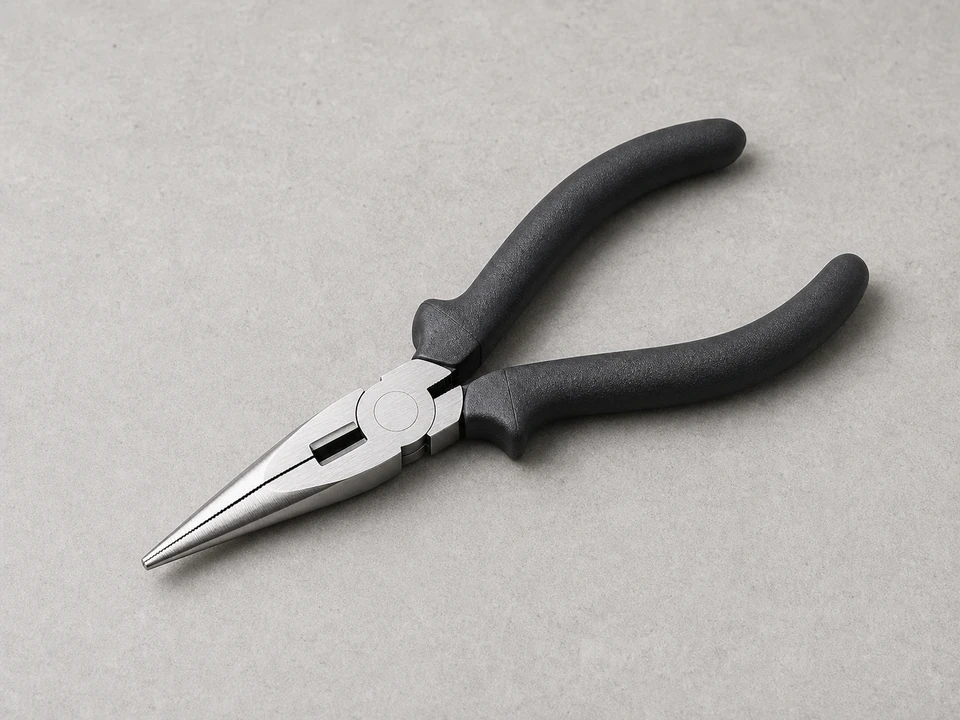
Use it for: Helps pull small parts or hold screws in tight spaces.
Shop needle-nose pliers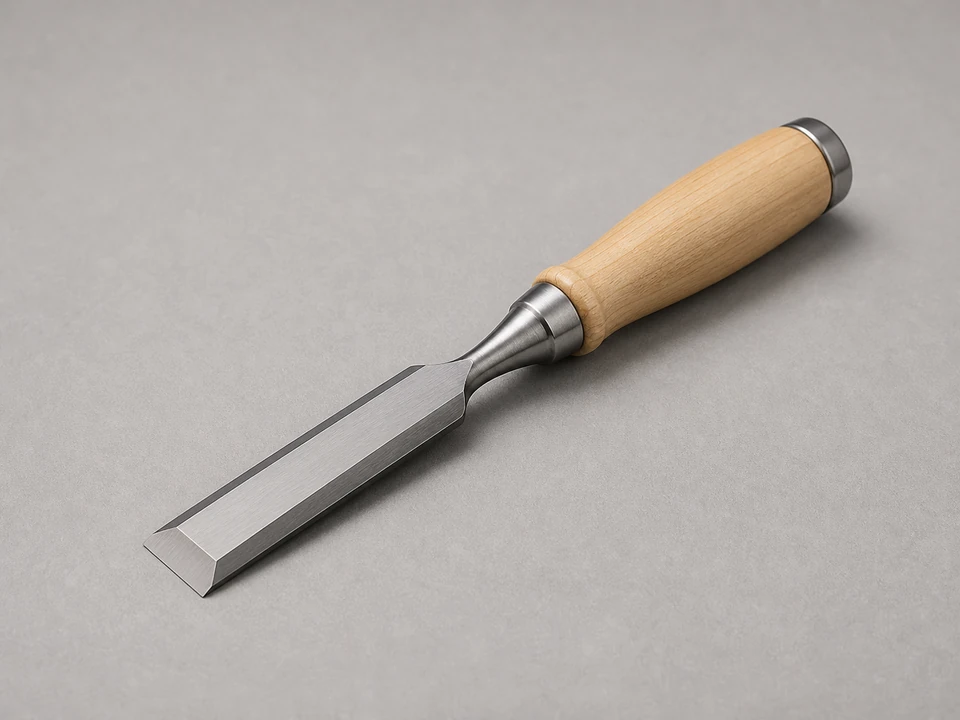
Use it for: Can clean up a tight faceplate recess if the new latch is a close match but not seating flat.
Shop wood chiselsAs an Amazon Associate I earn from qualifying purchases. Repair Riot may earn a commission at no extra cost to you.
If it works: The door is stable, and the new latch appears to match the old latch in size and style.
If it doesn’t: Pause and get a closer match before disassembly. A latch with the wrong backset or faceplate style may not fit correctly.
If it works: The handle set is off, and the latch is exposed in the edge of the door.
If it doesn’t: Check again for hidden screws under a trim plate or a small release opening on the handle.
If it works: The old latch is removed without damaging the door edge.
If it doesn’t: Use a flat screwdriver carefully at the faceplate edge only enough to loosen it, then pull again.
If it works: The new latch sits flush on the door edge and feels secure.
If it doesn’t: Confirm the latch orientation and fit. If the recess is only slightly tight, clean it up carefully so the faceplate can sit flat.
If it works: The handle set is reinstalled, and the latch moves freely with the handle.
If it doesn’t: Loosen the screws slightly, realign the handle halves, and retighten evenly.
If it works: The door closes, latches, and opens normally from both sides.
If it doesn’t: Recheck latch orientation, handle alignment, and whether the strike plate lines up with the latch bolt.
Match the replacement part to your exact door before ordering.
As an Amazon Associate I earn from qualifying purchases. Repair Riot may earn a commission at no extra cost to you.
Match the backset, faceplate shape, latch body size, and general handle style. The new latch should fit the existing door edge opening and work with your current knob or lever set without forcing parts into place.
Often yes, if the new latch matches the old one closely and is compatible with the existing hardware. Compare both parts carefully before installation.
The most common causes are the latch installed in the wrong direction, a handle set that is slightly misaligned, or a strike plate that no longer lines up because the door has shifted.
Only if the new latch is a very close match and the faceplate recess is slightly tight. If the new latch is clearly different in size or shape, it is better to get the correct replacement instead of cutting the door to fit.
That usually points to door or strike plate alignment rather than the latch itself. Check whether the door is sagging, rubbing, or hitting the strike plate off-center.