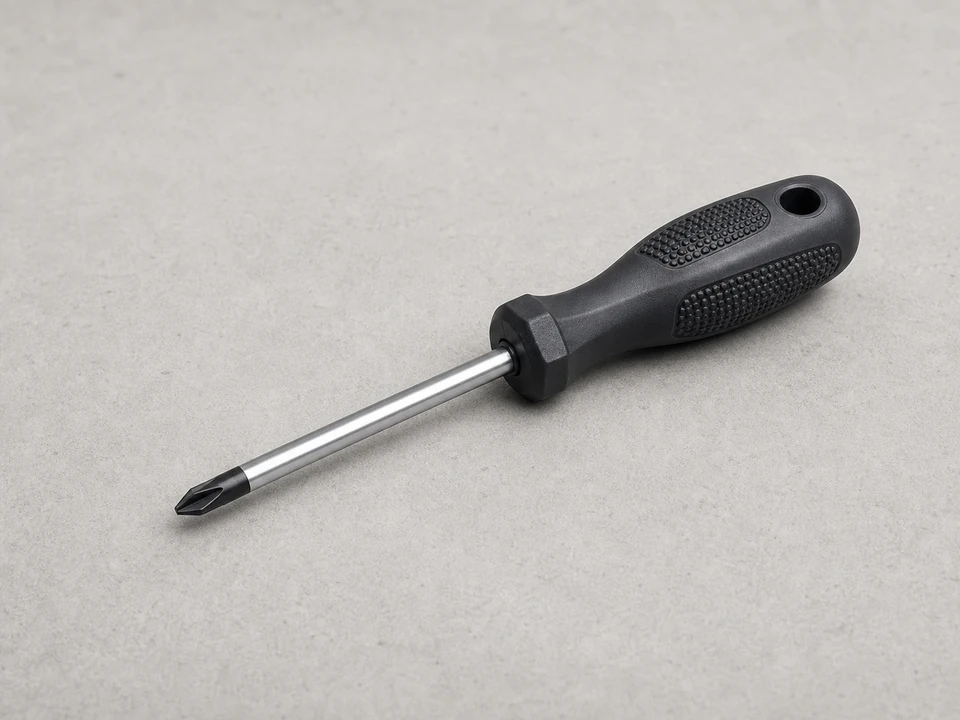
Phillips screwdriver
Use it for: Removes and installs most strike plate screws with better control than a drill.
Shop Phillips screwdriversTo replace door latch strike screws, remove the loose or damaged screws, keep the strike plate aligned, and install matching replacement screws that hold firmly without stripping the jamb.
This repair is usually worth doing when the strike plate is loose, the old screws spin without tightening, or the door stopped latching cleanly because the plate shifted. In many cases, slightly longer screws give the plate a better bite into solid wood behind the jamb.
Before you start: Match the screw type, length, head style, and material rating before ordering.
Use it for: Removes and installs most strike plate screws with better control than a drill.
Shop Phillips screwdrivers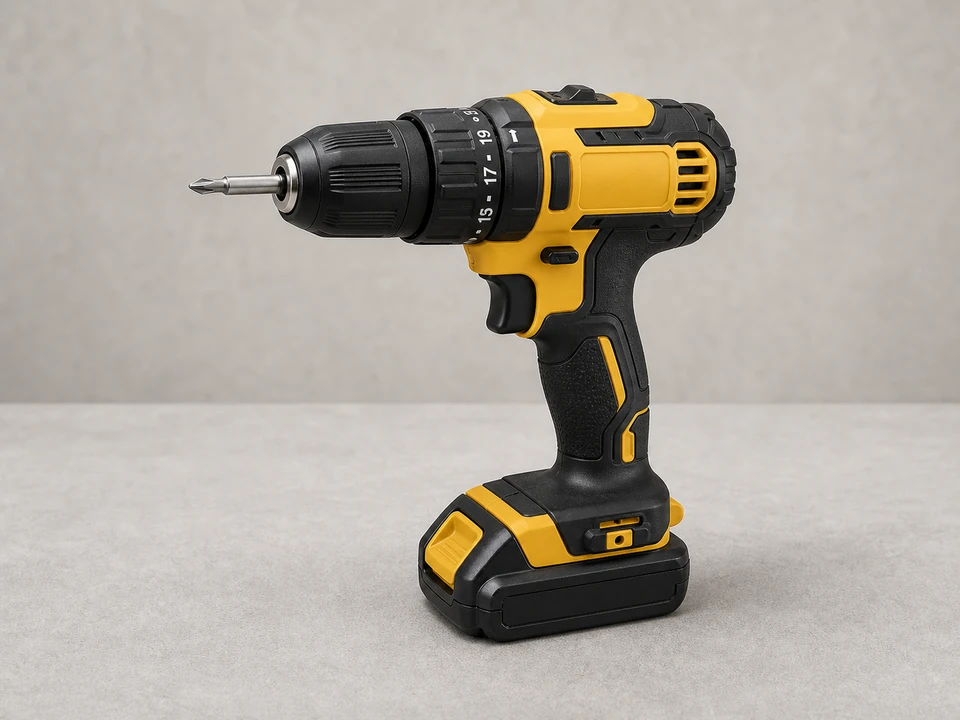
Use it for: Speeds up removal and installation if the screws are stubborn or longer than the originals.
Shop drill drivers
Use it for: Helps make a small pilot hole if the new screws are longer or harder to start straight.
Shop drill bit sets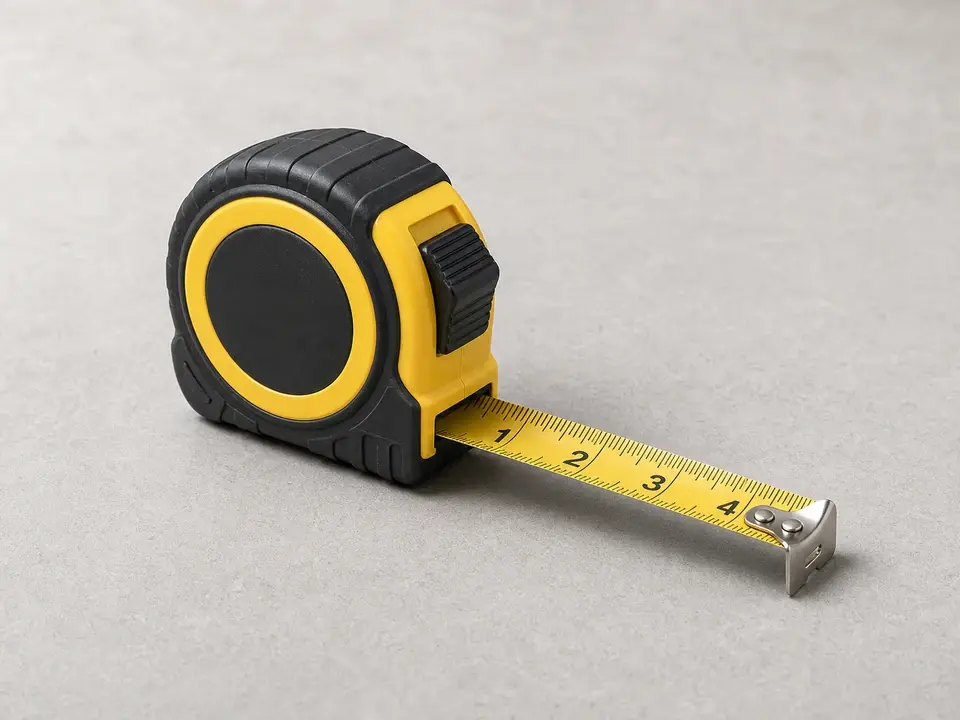
Use it for: Lets you compare old screw length and choose replacements that fit the jamb safely.
Shop tape measures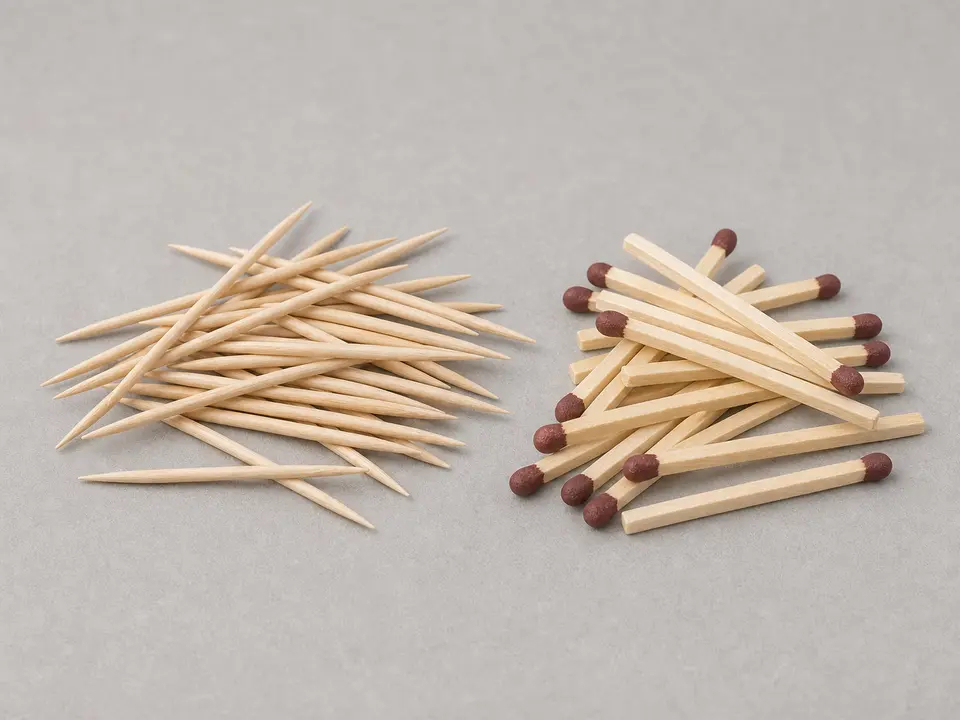
Use it for: Can fill a slightly worn screw hole so a replacement screw grabs better.
Shop wood toothpicks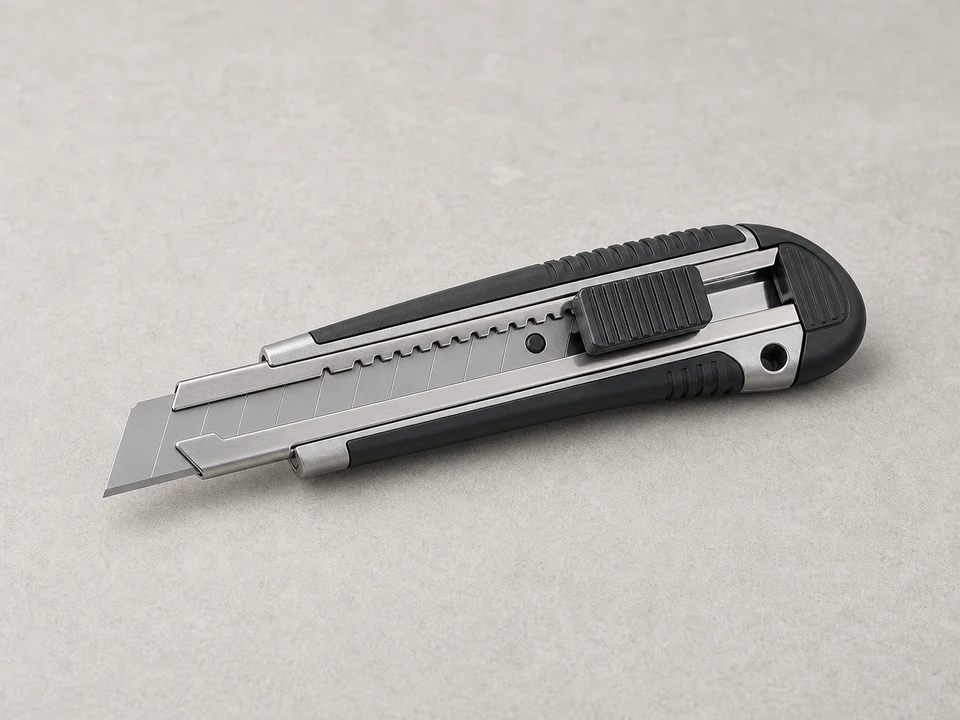
Use it for: Scores paint around the strike plate if it is stuck to the jamb finish.
Shop utility knivesAs an Amazon Associate I earn from qualifying purchases. Repair Riot may earn a commission at no extra cost to you.
If it works: You confirmed the strike screws are loose, stripped, missing, rusted, or no longer holding the plate in position.
If it doesn’t: If the screws are tight but the latch still misses the opening, the problem is more likely alignment, hinge sag, or a damaged strike plate rather than just the screws.
If it works: The old screws are out and the strike plate is free or loose enough to reposition.
If it doesn’t: If a screw head is stripped, try a hand screwdriver with firm pressure before moving to a screw extraction method.
If it works: You have replacement screws that fit the strike plate cleanly and are likely to hold better than the old ones.
If it doesn’t: If the screw heads do not sit flush in the strike plate, switch to the correct head style before installing anything.
If it works: The screw holes are ready and the strike plate can sit flat against the jamb.
If it doesn’t: If the hole is too enlarged to support the screw even after a simple fill, the jamb may need a more involved wood repair before the strike can be secured properly.
If it works: The strike plate is tight, flat, and no longer shifts when you press on it.
If it doesn’t: If the plate keeps drifting out of position while tightening, loosen it slightly, realign it with the latch opening, and retighten by hand.
If it works: The door latches smoothly, the strike plate stays tight, and the repair holds during repeated use.
If it doesn’t: If the door still does not latch well, look next at hinge looseness, door sag, or strike plate alignment rather than replacing the screws again.
Match the screw type, length, head style, and material rating before ordering.
As an Amazon Associate I earn from qualifying purchases. Repair Riot may earn a commission at no extra cost to you.
Often yes, as long as the screw head fits the plate and the length makes sense for the jamb. Slightly longer screws can grab better wood behind a worn surface hole.
That usually means the wood around the hole is too damaged or enlarged for a simple screw swap. A wood repair or reinforcement is the better next step.
Not always. If the plate is flat, not cracked, and the opening still matches the latch, replacing just the screws is often enough.
A hand screwdriver gives better feel and helps prevent over-tightening. A drill is fine for speed, but finish tightening carefully so you do not strip the wood.
Common causes are repeated door slamming, short screws that never reached solid wood well, worn screw holes, or moisture-related wood movement.