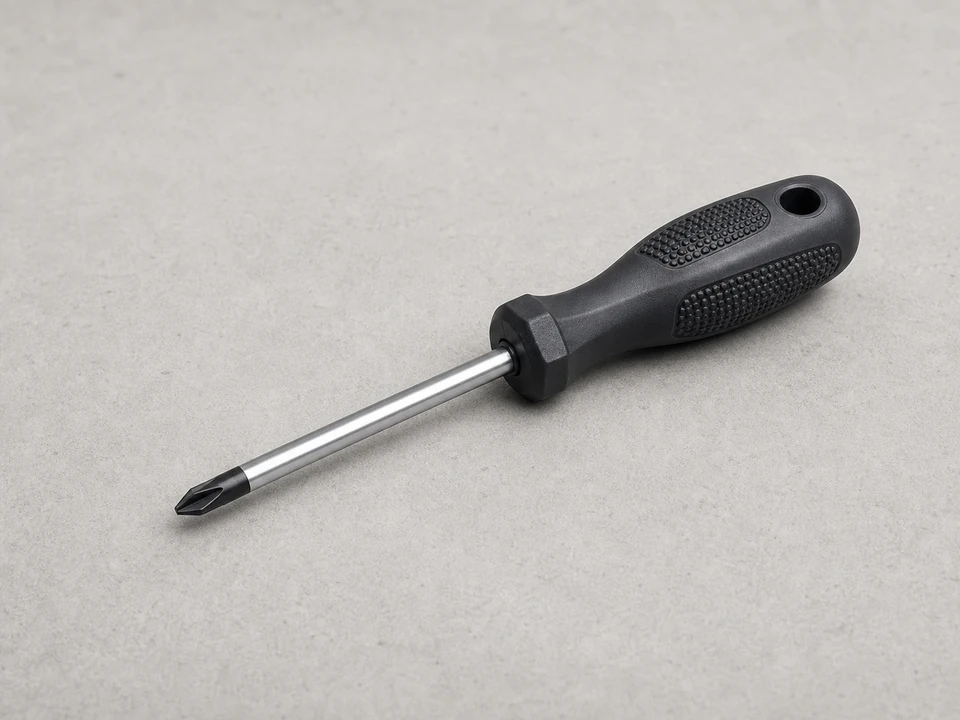
Phillips screwdriver
Use it for: Removes and installs most strike plate screws without damaging the screw heads.
Shop Phillips screwdriversTo replace a door latch strike plate, confirm the old plate is bent, loose, cracked, or worn where the latch hits, then remove the screws, match the new plate to the opening and screw spacing, install it flush, and test the door until it latches cleanly without forcing it.
This is a straightforward repair if the frame is still solid and the latch lines up close to the opening. The key is using a strike plate that matches the old one well enough that the latch enters smoothly instead of hitting metal or wood.
Before you start: Match the replacement part to your exact door before ordering.
Use it for: Removes and installs most strike plate screws without damaging the screw heads.
Shop Phillips screwdrivers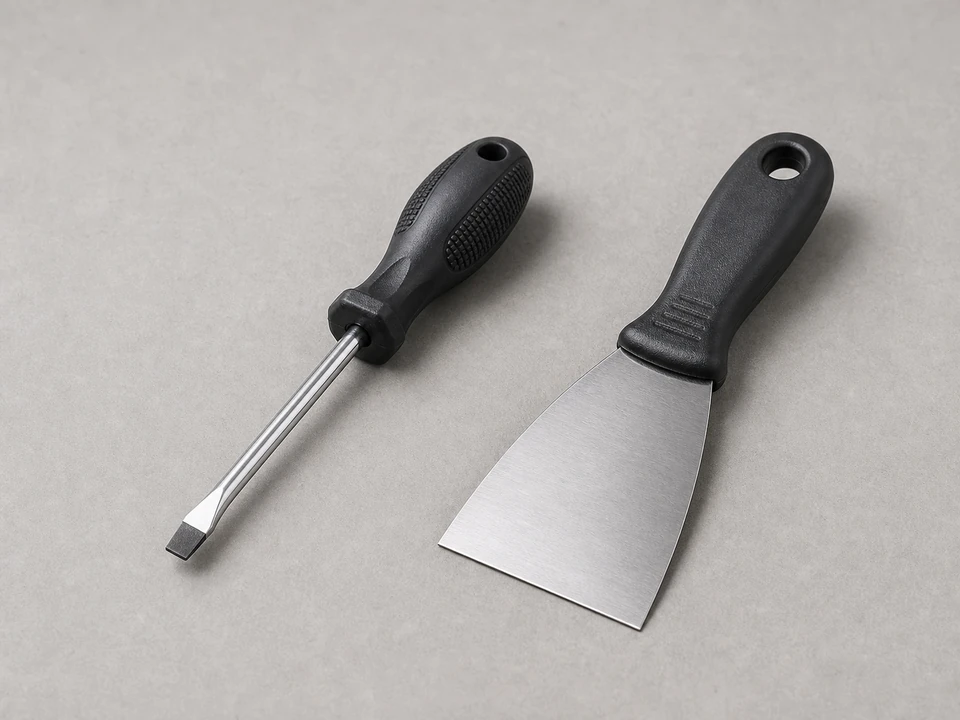
Use it for: Helps lift a painted-in or stuck strike plate without gouging the trim.
Shop flat screwdrivers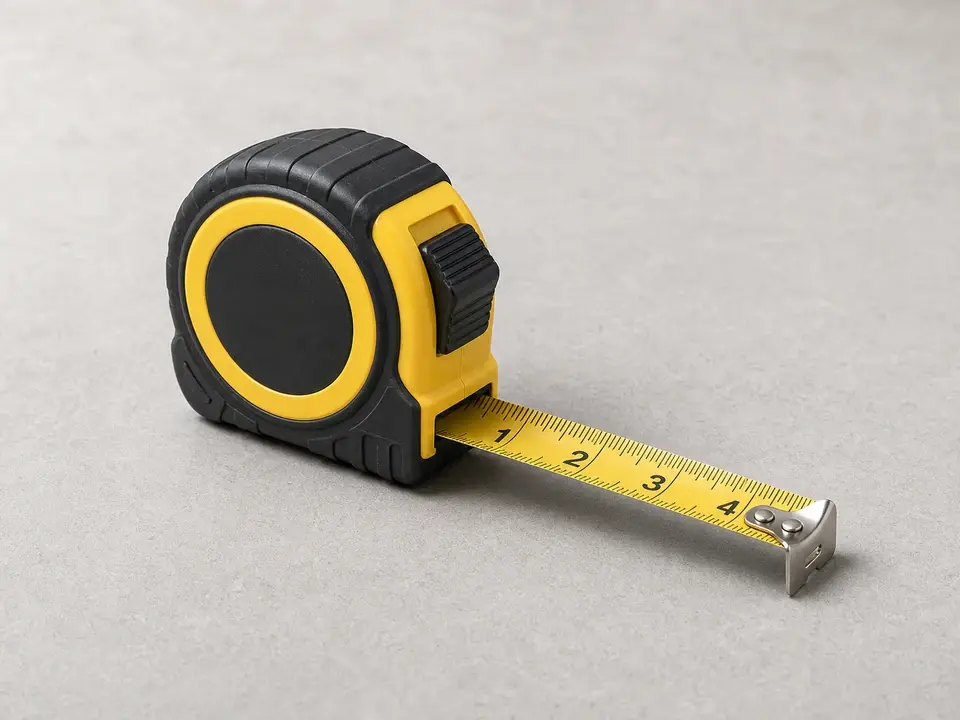
Use it for: Checks plate height, width, and screw spacing so the replacement fits.
Shop tape measures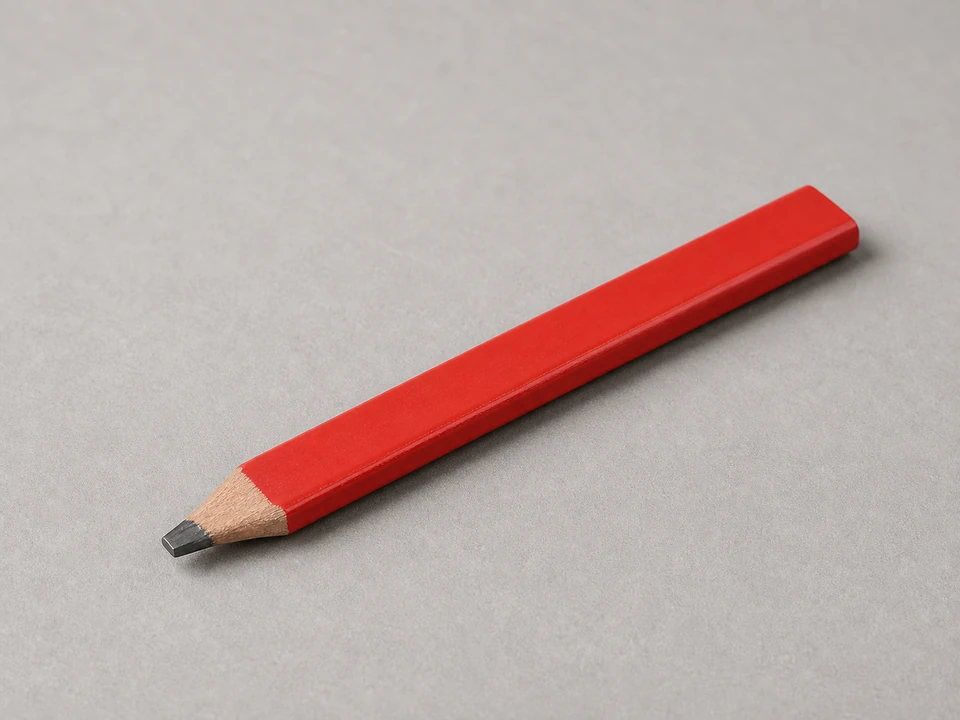
Use it for: Marks screw holes or alignment points before reinstalling.
Shop carpenter pencils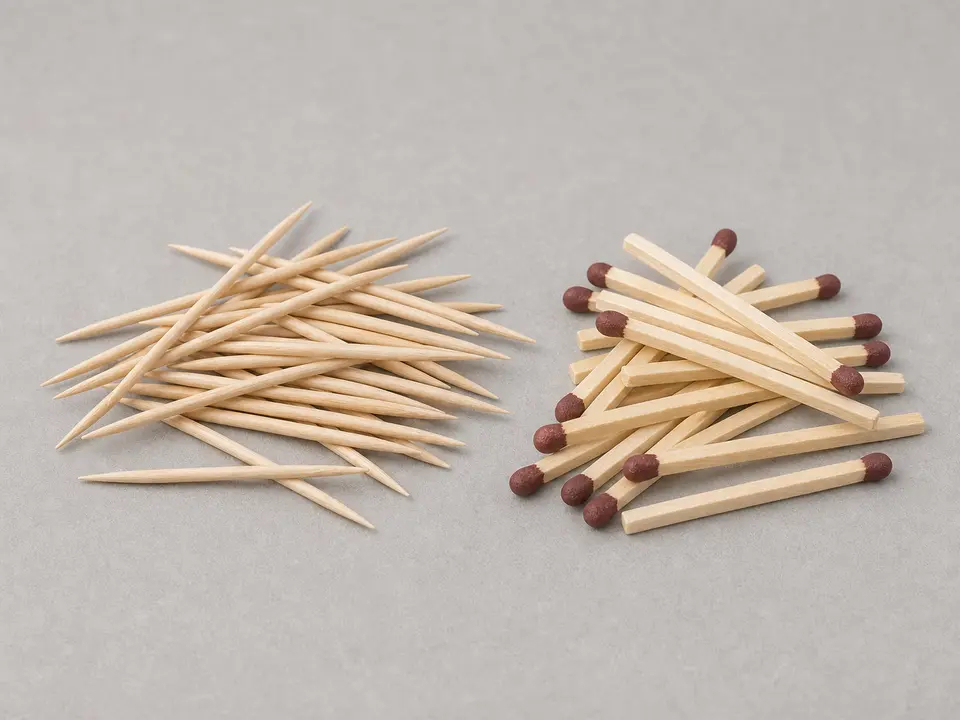
Use it for: Fills slightly stripped screw holes so the new screws can bite better.
Shop wood toothpicks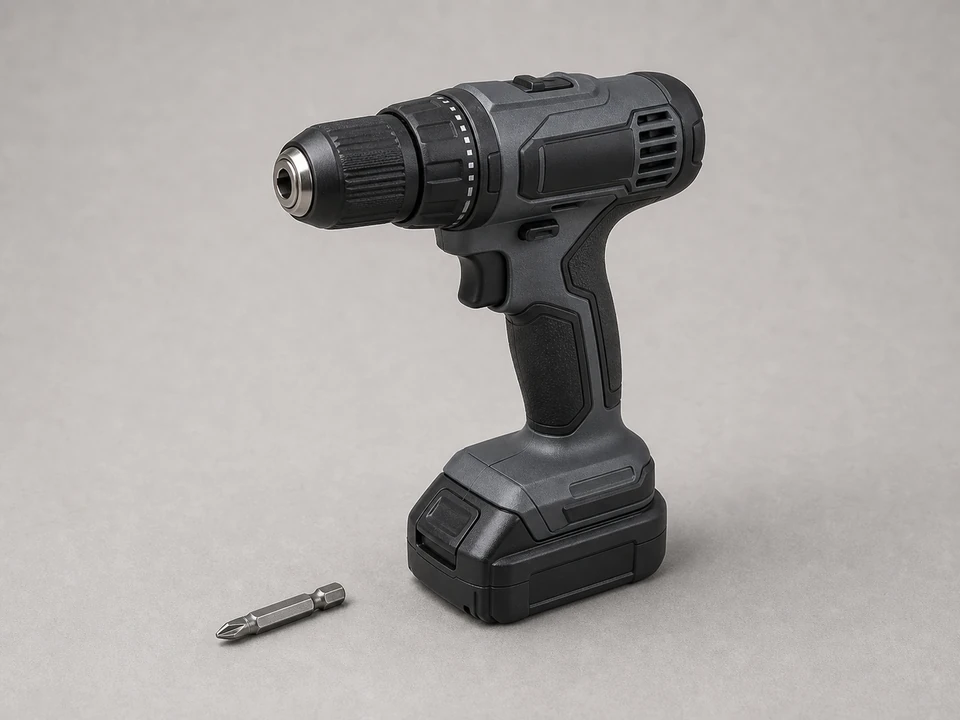
Use it for: Makes a light pilot hole if the new screw location is tight or the wood is hard.
Shop drill bit setsAs an Amazon Associate I earn from qualifying purchases. Repair Riot may earn a commission at no extra cost to you.
If it works: You have confirmed the strike plate is damaged, loose, or worn enough to justify replacing it.
If it doesn’t: If the plate looks fine but the latch is far above, below, or beside the opening, fix the door alignment problem first instead of replacing the plate.
If it works: The old strike plate is off and you can clearly see the opening and the condition of the wood behind it.
If it doesn’t: If a screw will not turn, apply steady pressure with the correct screwdriver and try again before moving to a drill-out or more invasive repair.
If it works: You have a replacement strike plate that fits the opening closely enough to install flush and guide the latch properly.
If it doesn’t: If the new plate does not sit flat or the screw holes are far off, exchange it for a closer match rather than forcing it to work.
If it works: The new strike plate is mounted firmly, sits flat, and does not wiggle when you press on it.
If it doesn’t: If the screws keep spinning, rebuild the hole with wood filler or glued wood slivers and let it set before trying again.
If it works: The latch enters the strike plate cleanly and the door closes with normal hand pressure.
If it doesn’t: If the latch still misses the opening after minor repositioning, the door likely needs alignment work rather than more strike plate adjustment.
If it works: The door now latches securely, opens normally, and the new strike plate stays tight during repeated use.
If it doesn’t: If the door only latches when pushed, lifted, or slammed, move on to diagnosing hinge wear, door sag, or frame damage.
Match the replacement part to your exact door before ordering.
As an Amazon Associate I earn from qualifying purchases. Repair Riot may earn a commission at no extra cost to you.
Yes. The strike plate is separate from the latch and knob or lever. As long as the latch hardware on the door still works, you can replace just the strike plate.
If the plate is bent, cracked, loose, or badly worn where the latch hits, replacement makes sense. If the latch misses the opening by a noticeable amount, the bigger problem is usually door sag, loose hinges, or frame movement.
A small difference can sometimes be managed with fresh pilot holes, but the plate still needs to sit flat and support the latch correctly. If the mismatch is large, get a closer match instead of forcing it.
You can if they are straight, not stripped, and fit the new plate properly. If the old screws are worn or too short to hold well, use the new screws that came with the replacement or matching wood screws of the same general size.
The strike plate may not be the root cause. Rubbing after replacement usually points to latch misalignment from loose hinges, a sagging door, or a frame that has shifted.