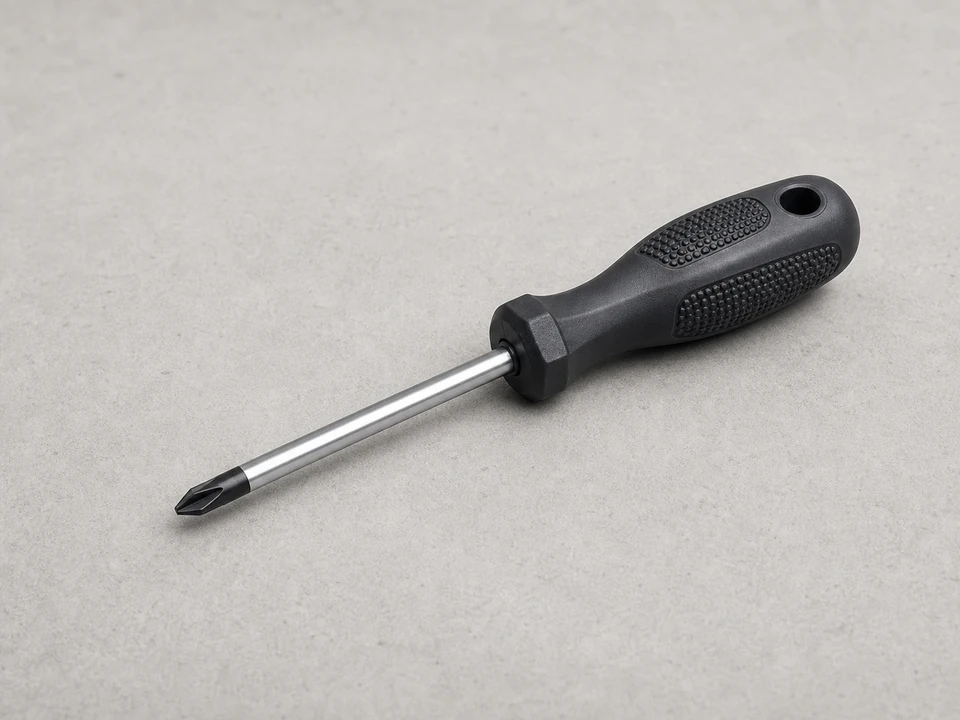
Phillips screwdriver
Use it for: Removes and installs most strike plate screws without overdriving them.
Shop Phillips screwdriversTo replace an exterior door latch strike plate, confirm the old plate is bent, loose, worn, or the wrong size, then remove it, match the new plate to the latch opening and screw spacing, install it snugly, and test that the door latches without slamming or rubbing.
A bad strike plate can keep an exterior door from catching cleanly, staying shut, or sealing tightly against weatherstripping. This is usually a straightforward repair if the door frame is still solid and the latch lines up close to the opening.
Before you start: Match the replacement part to your exact door before ordering.
Use it for: Removes and installs most strike plate screws without overdriving them.
Shop Phillips screwdrivers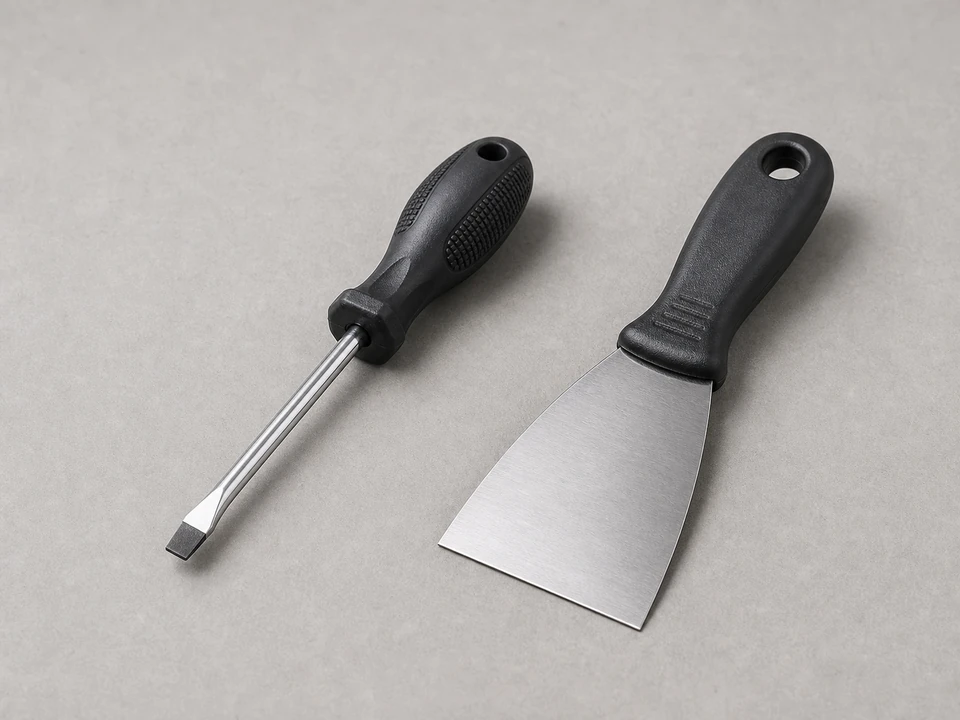
Use it for: Helps lift a painted-over plate or scrape paint from the edges so it comes out cleanly.
Shop flat screwdrivers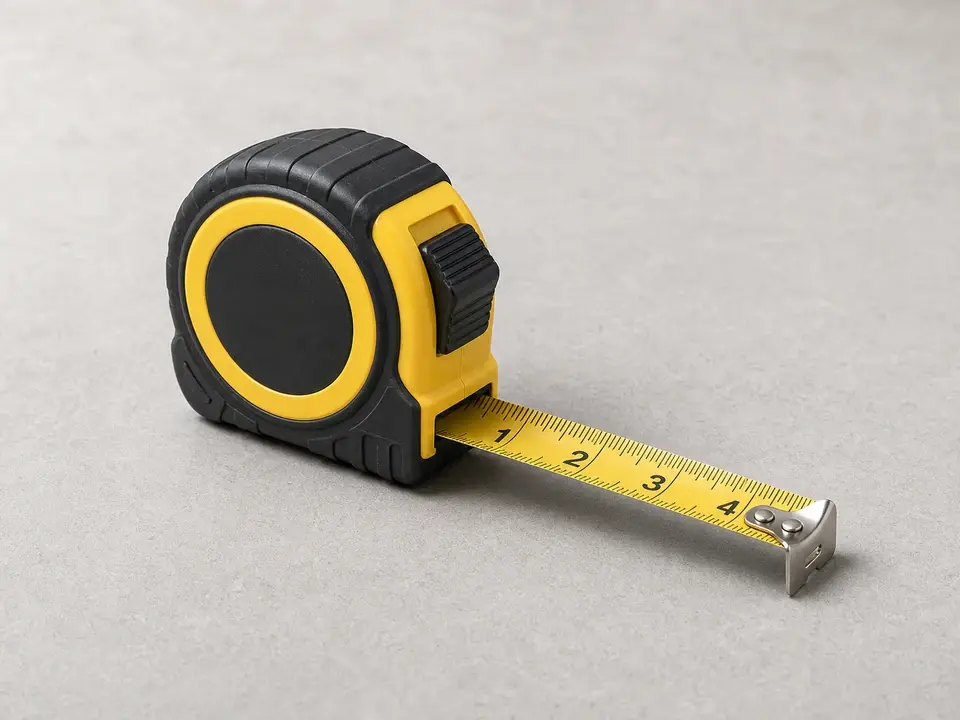
Use it for: Checks plate size, screw spacing, and latch alignment before you buy or install the replacement.
Shop tape measures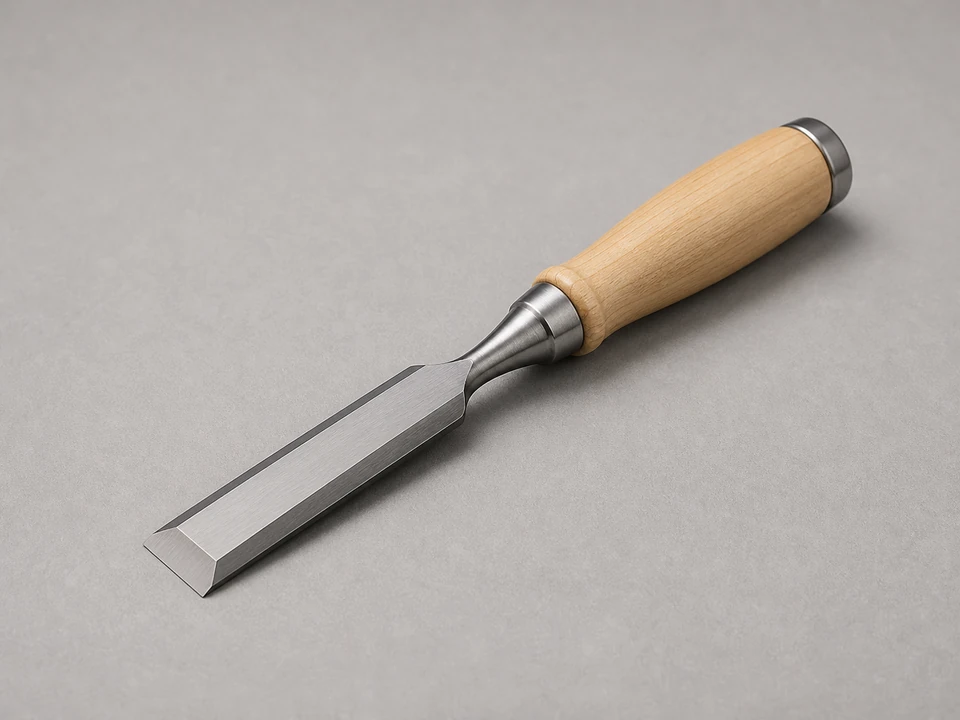
Use it for: Lets you lightly adjust the mortise if the new plate is slightly different in shape.
Shop wood chisels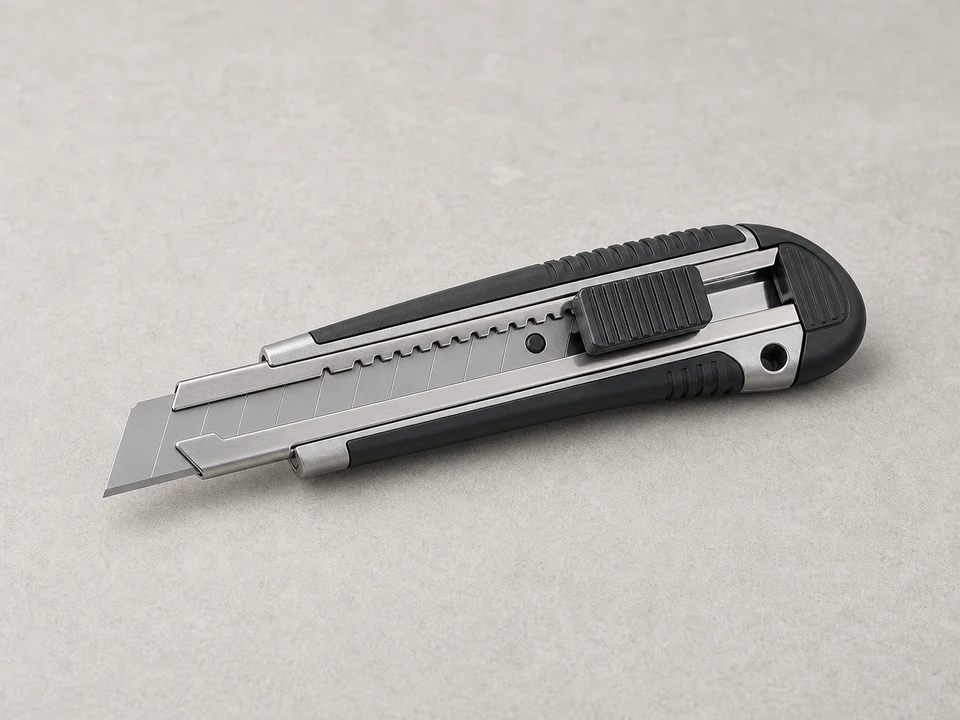
Use it for: Scores paint or caulk around the old plate to avoid tearing the jamb surface.
Shop utility knives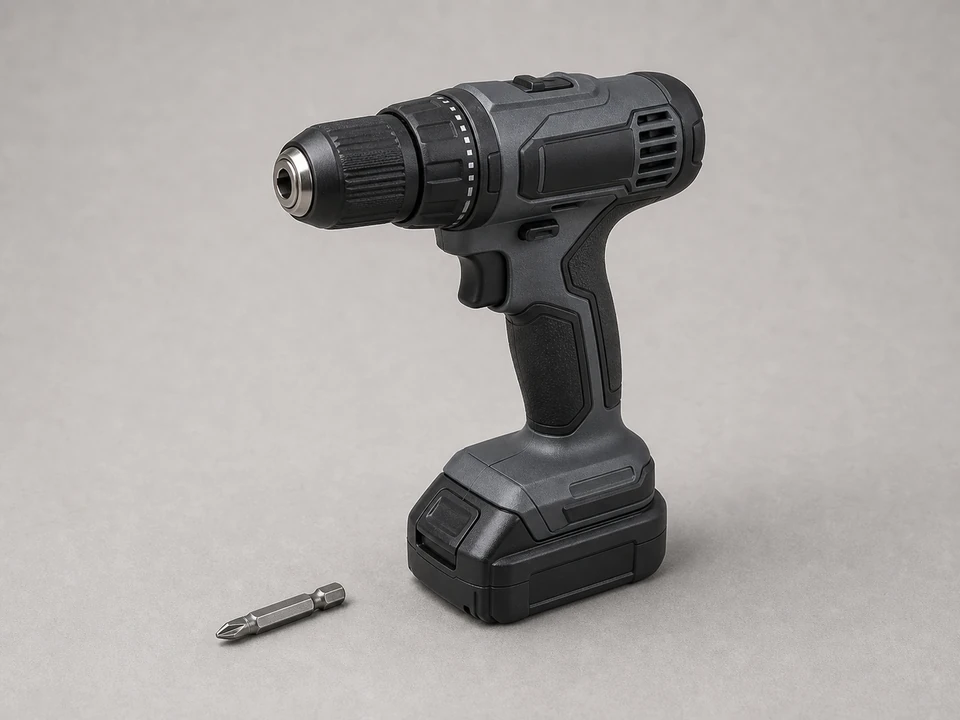
Use it for: Useful for pilot holes or replacing stripped screws in the jamb.
Shop drill driver kitsAs an Amazon Associate I earn from qualifying purchases. Repair Riot may earn a commission at no extra cost to you.
If it works: You have confirmed the strike plate is damaged, loose, worn, or mismatched enough to replace.
If it doesn’t: If the latch still misses the opening after tightening the plate, check for a sagging door, loose hinges, or a swollen jamb before replacing parts.
If it works: The old strike plate is off and the jamb area is clean enough to fit the new plate flat.
If it doesn’t: If the plate will not come free, cut the paint line again and work it loose gently so you do not splinter the jamb face.
If it works: The replacement plate matches the latch and sits in the opening well enough to install.
If it doesn’t: If the new plate does not match the screw spacing or latch opening, exchange it for one that matches your old plate and latch setup more closely.
If it works: The new plate sits flat against the jamb and the screws have solid wood to bite into.
If it doesn’t: If the plate rocks or sits proud, keep trimming only the tight spots until it lies flat.
If it works: The new strike plate is secure, flush, and positioned so the latch enters the opening cleanly.
If it doesn’t: If the latch still hits high or low, recheck hinge tightness and door sag before moving the plate further.
If it works: The door closes smoothly, latches securely, and seals the way it should in real use.
If it doesn’t: If the door only works when pushed, lifted, or slammed, the main issue is likely door alignment, hinge wear, or frame movement rather than the strike plate alone.
Match the replacement part to your exact door before ordering.
As an Amazon Associate I earn from qualifying purchases. Repair Riot may earn a commission at no extra cost to you.
Yes, if the latch bolt still works properly and the problem is limited to a bent, worn, loose, or mismatched strike plate.
If the plate is damaged or loose, replacement is reasonable. If the latch misses the opening because the door has dropped, rubs at the top or bottom, or only works when lifted, the bigger issue is usually hinge or door alignment.
A small difference can usually be handled by trimming the mortise lightly so the plate sits flush. If the size or screw spacing is far off, get a closer match instead of cutting the jamb heavily.
That usually points to alignment trouble, swollen weatherstripping, a sagging door, or a latch that is not extending fully. The strike plate may not be the root cause.
You can if they are straight and still hold tightly, but replace damaged or stripped screws. A secure plate depends on solid screw grip in the jamb.