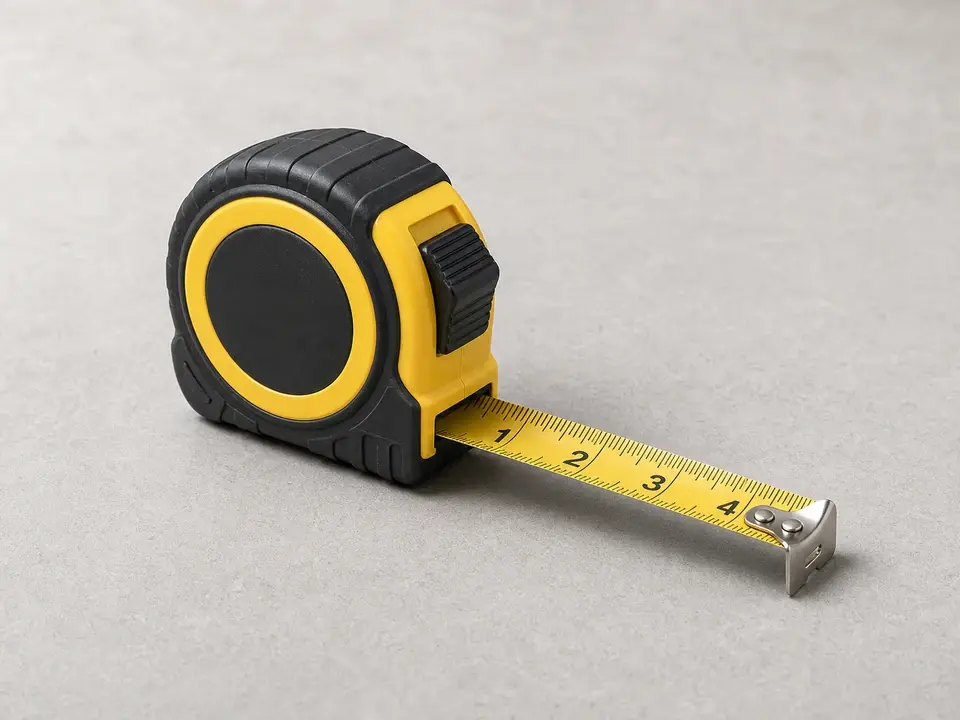
Tape measure
Use it for: To match the replacement grate length, width, and opening size.
Shop tape measuresTo replace a driveway channel drain grate, first confirm the grate itself is cracked, bent, loose, or missing, then remove the old grate, clean the drain channel and mounting points, and install a matching replacement that sits flat and locks or fastens securely.
This is usually a straightforward repair if the drain body below the grate is still solid. The key is getting the right size and attachment style, then making sure the new grate sits flush so tires roll over it without catching.
Before you start: Match the replacement part to your exact exterior drainage before ordering.
Use it for: To match the replacement grate length, width, and opening size.
Shop tape measures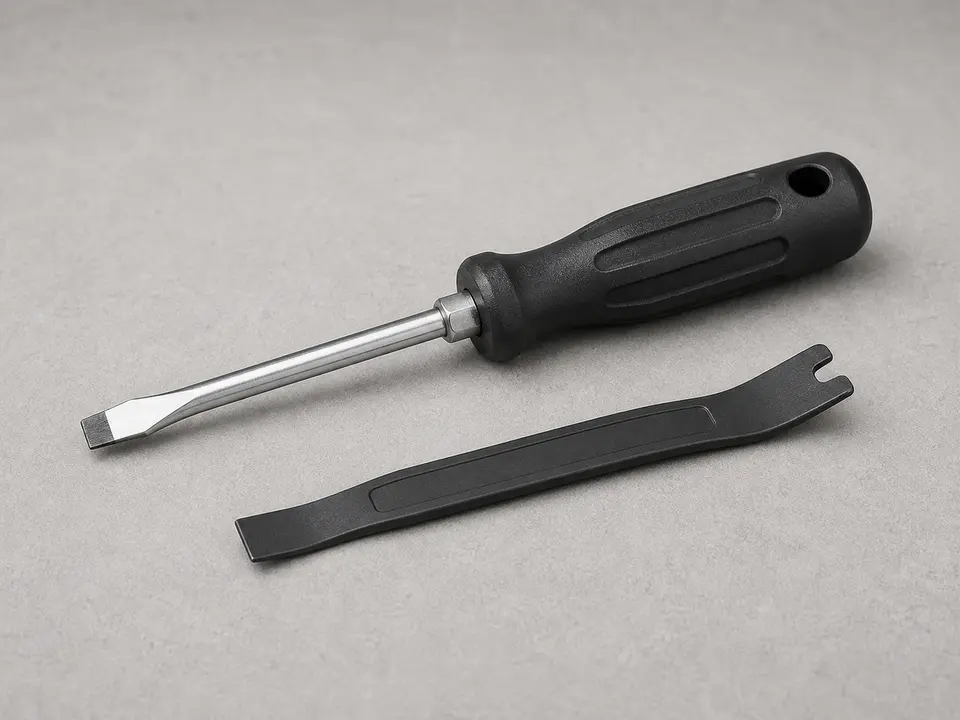
Use it for: To lift the old grate or release clips without damaging the channel edges.
Shop flat pry tools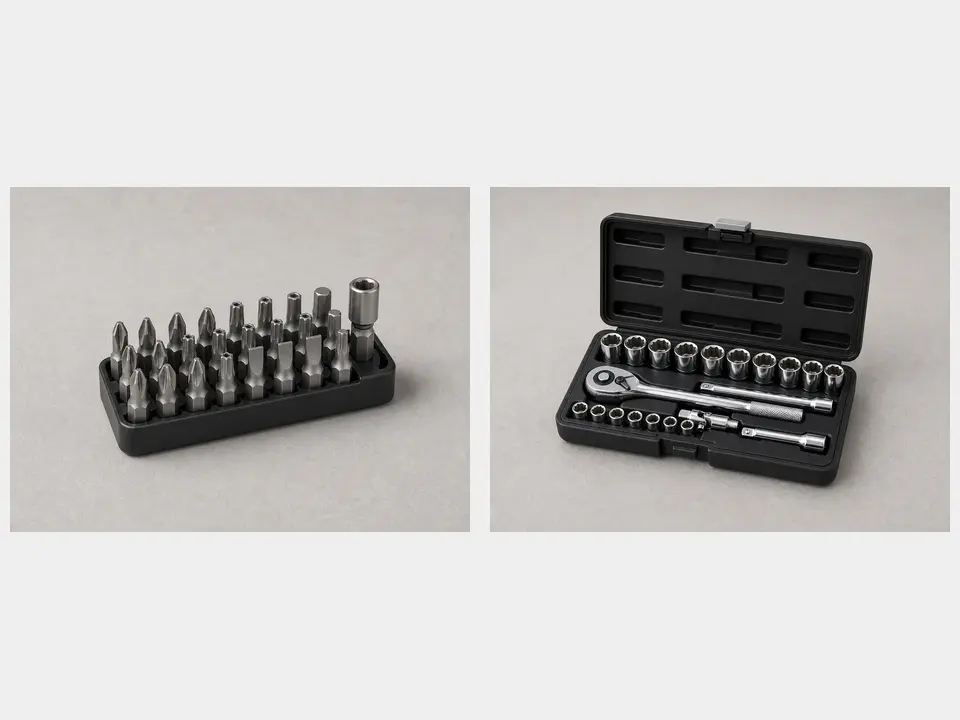
Use it for: To remove and reinstall grate screws or hold-down hardware.
Shop screwdriver and socket sets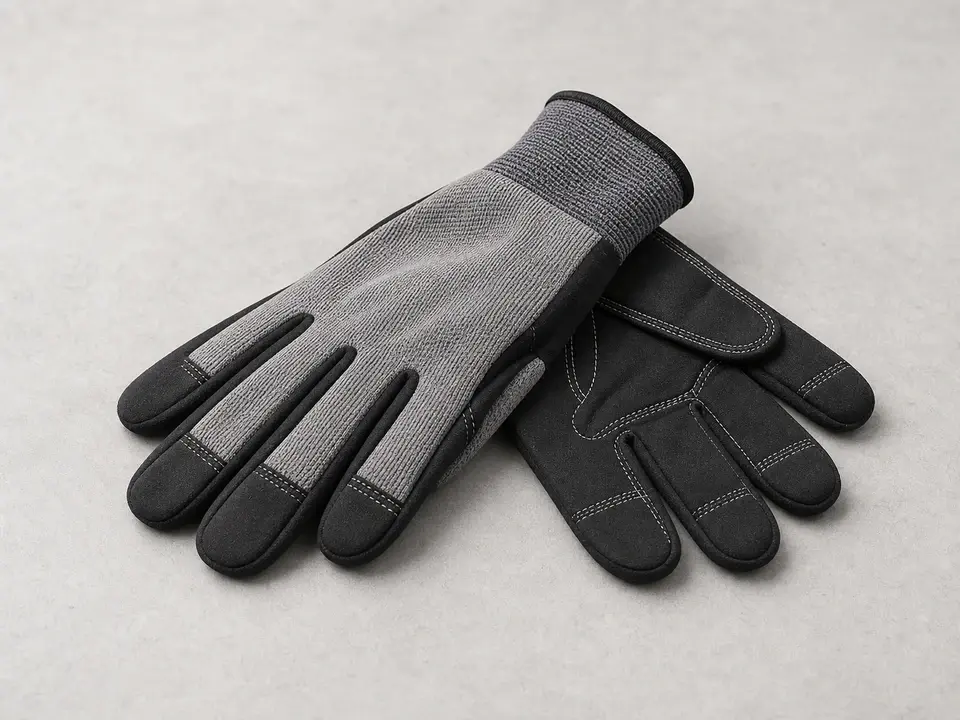
Use it for: To protect your hands from sharp metal edges, rust, and debris in the drain.
Shop work gloves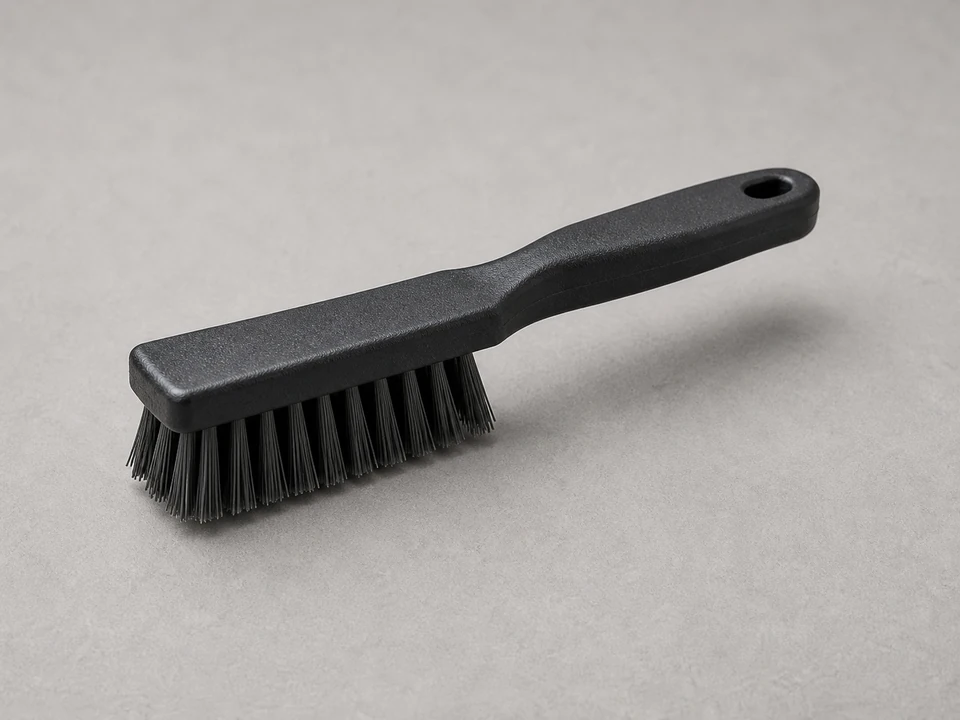
Use it for: To scrub dirt, packed sediment, and rust from the channel lip and fastener points.
Shop stiff cleaning brushes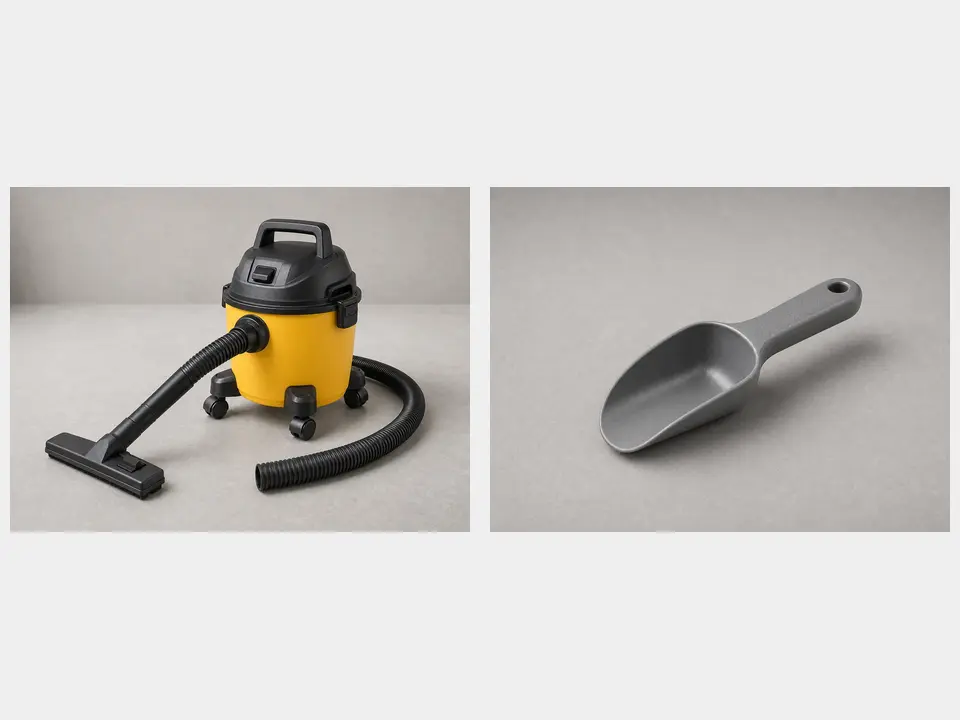
Use it for: To clear debris from the drain channel so the new grate can seat properly.
Shop wet dry vacsAs an Amazon Associate I earn from qualifying purchases. Repair Riot may earn a commission at no extra cost to you.
If it works: You know the grate is the failed part and you have a replacement that appears to match the drain opening and mounting style.
If it doesn’t: If the channel body is broken or the opening size and attachment style do not match the replacement, pause and identify the drain system before ordering another part.
If it works: The old grate is out and the top of the drain channel is fully exposed.
If it doesn’t: If the grate will not release, clean around the edges again and check for hidden fasteners packed with dirt or rust.
If it works: The drain opening is clean, the mounting points are visible, and the new grate has a flat surface to rest on.
If it doesn’t: If the grate still rocks during a dry test fit, clean the lip again and check for bent tabs or leftover hardware from the old grate.
If it works: The new grate fits the opening correctly and sits level without binding or rocking.
If it doesn’t: If the fit is close but not right, recheck your measurements and attachment style before trying to modify the grate or channel.
If it works: The grate is secured, stable, and flush with the surrounding surface.
If it doesn’t: If the grate still moves, remove it and inspect for debris under the edges, misaligned hardware, or worn mounting points.
If it works: The grate stays in place, supports normal use, and allows water to enter the drain properly.
If it doesn’t: If water still ponds or the grate shifts under load, inspect the channel for a deeper blockage or damage below the grate.
Match the replacement part to your exact exterior drainage before ordering.
As an Amazon Associate I earn from qualifying purchases. Repair Riot may earn a commission at no extra cost to you.
Yes, if the drain body below is still solid and the new grate matches the opening and attachment style. If the channel itself is cracked or unsupported, replacing only the grate usually will not last.
Measure the old grate's length and width, check the shape of the ends, and match the way it fastens to the channel. A grate that looks close but uses different clips or screw spacing may not fit safely.
Clean the edges first and look for hidden screws or clips packed with dirt. Gentle prying along multiple points is safer than forcing one corner. If the channel starts breaking before the grate comes free, stop and reassess the repair.
It should sit flat and close to flush with the surrounding surface. A grate that sits too high can catch tires or shoes, and one that sits too low can leave gaps and collect debris.
A new grate will not fix a clogged or damaged drain channel below it. If water still ponds, the likely problem is debris deeper in the drain or a drainage slope issue rather than the grate itself.