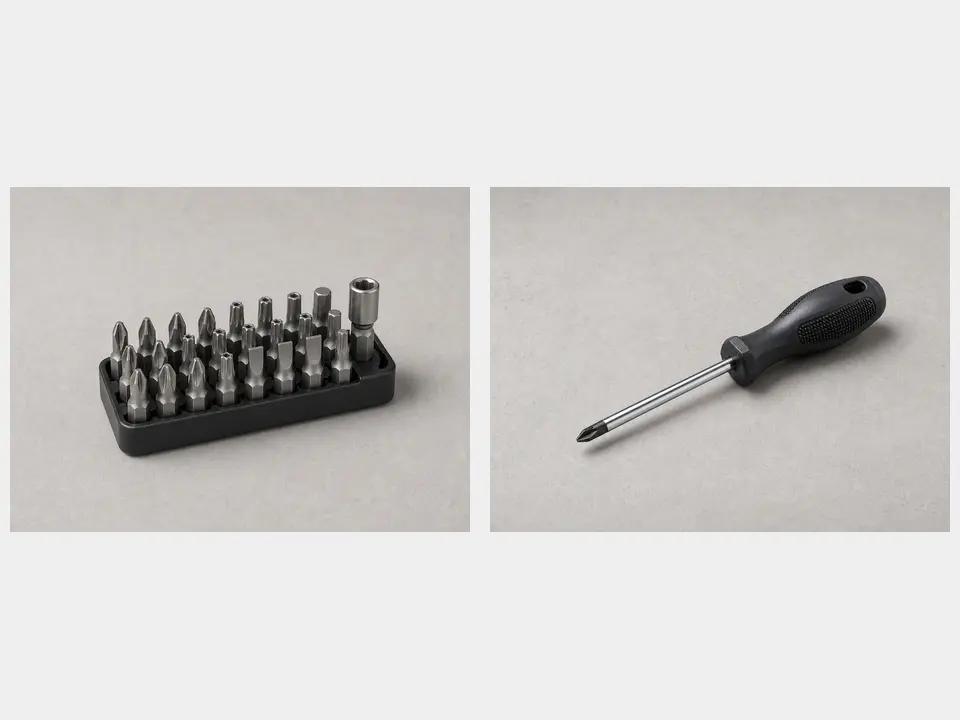
Screwdriver or bit set
Use it for: To remove the old screws and drive in the replacements without damaging the heads.
Shop screwdriver and bit setsTo replace driveway drain grate screws, remove the old screws, clean the threaded holes or screw seats, and install matching exterior-rated replacements that fit the grate and drain channel correctly.
This is usually the right repair when the grate is loose, one or more screws are missing, or the old screws are rusted or stripped but the grate and drain body are still in good shape. The goal is a grate that sits flat, stays secure under normal use, and can still be removed later for cleaning.
Before you start: Match the screw type, length, head style, and material rating before ordering.
Use it for: To remove the old screws and drive in the replacements without damaging the heads.
Shop screwdriver and bit sets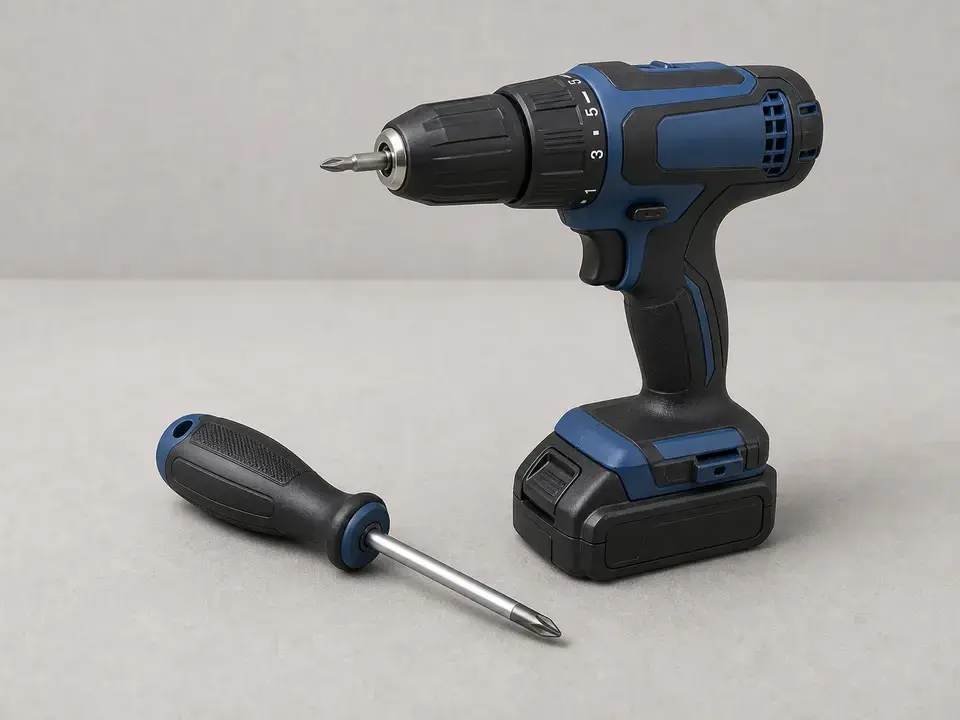
Use it for: Helpful for backing out stubborn screws and installing new ones with better control.
Shop cordless drill/drivers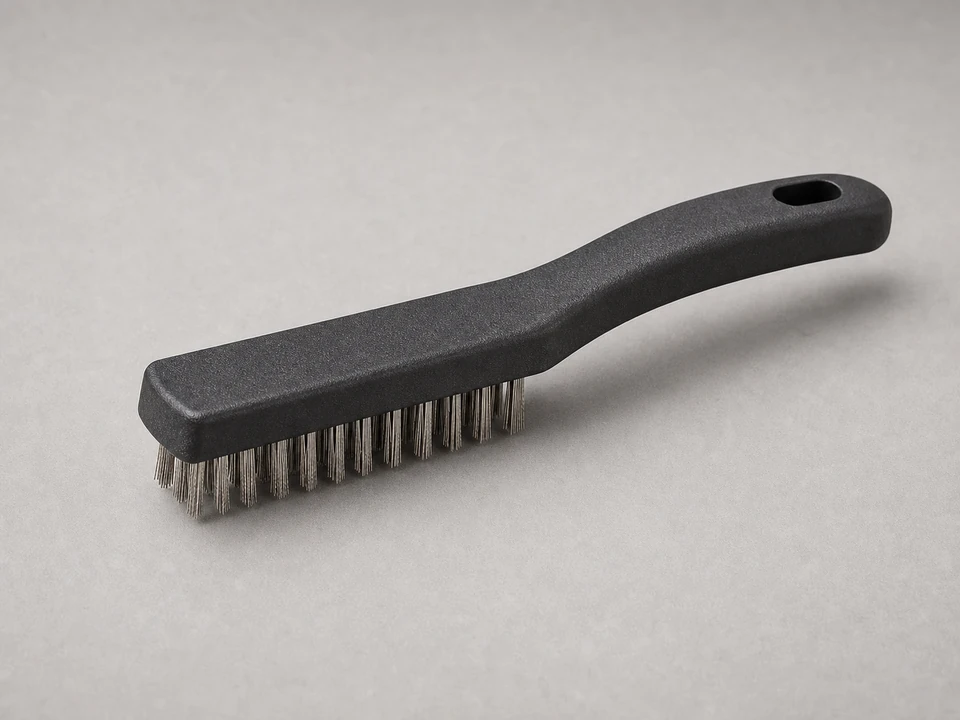
Use it for: To clean rust, grit, and debris from the screw holes and grate mounting points.
Shop wire brushes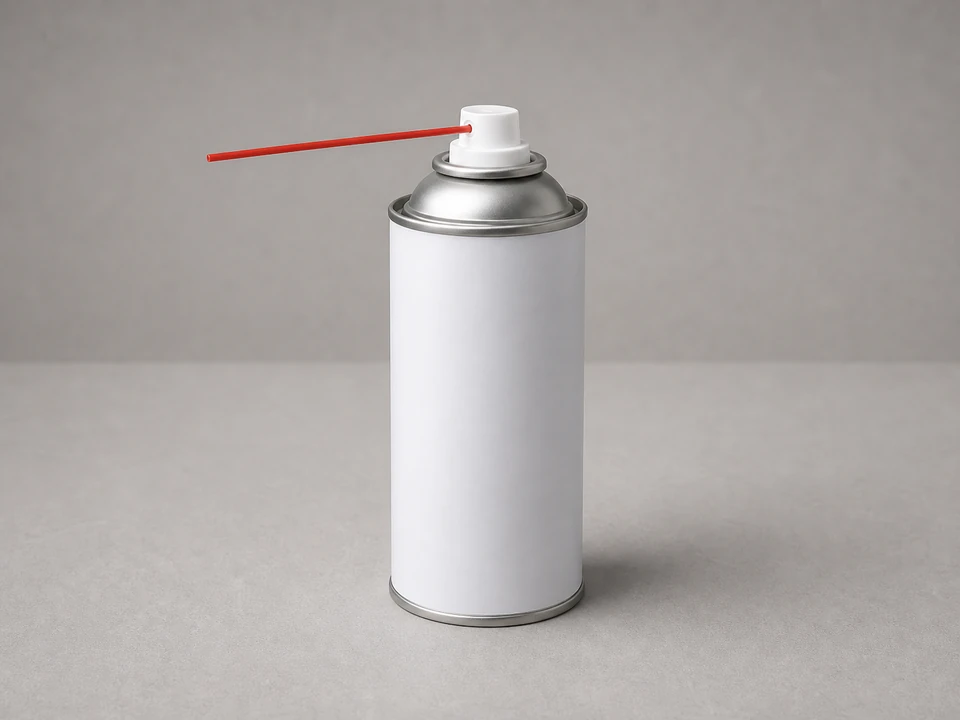
Use it for: To loosen rusted screws before removal.
Shop penetrating oil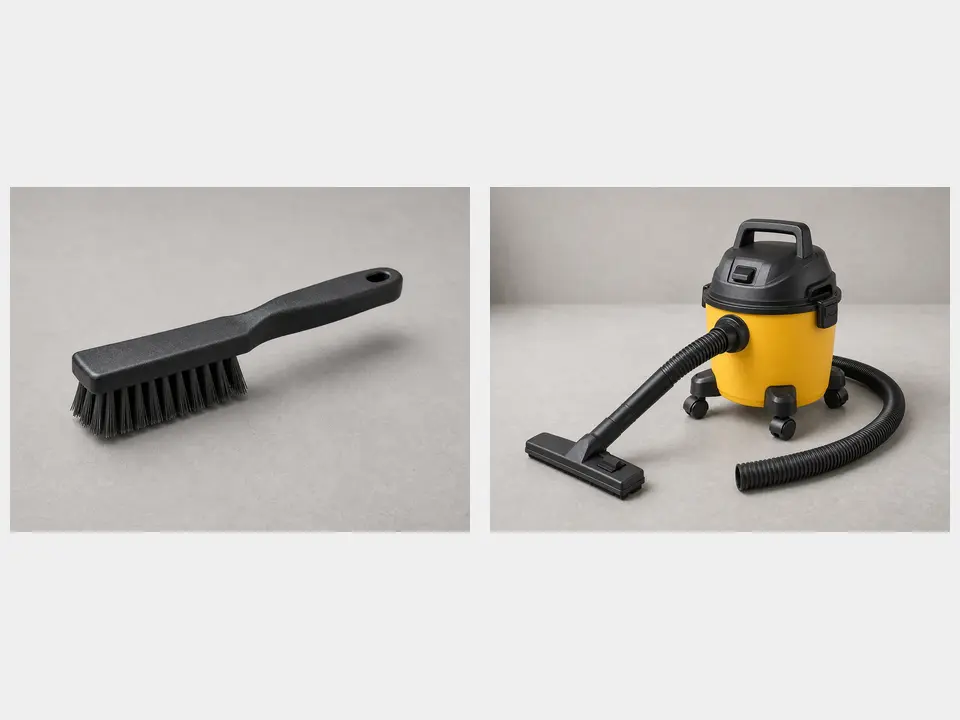
Use it for: To clear dirt and loose debris from the drain edge so the grate can sit flat.
Shop shop vacs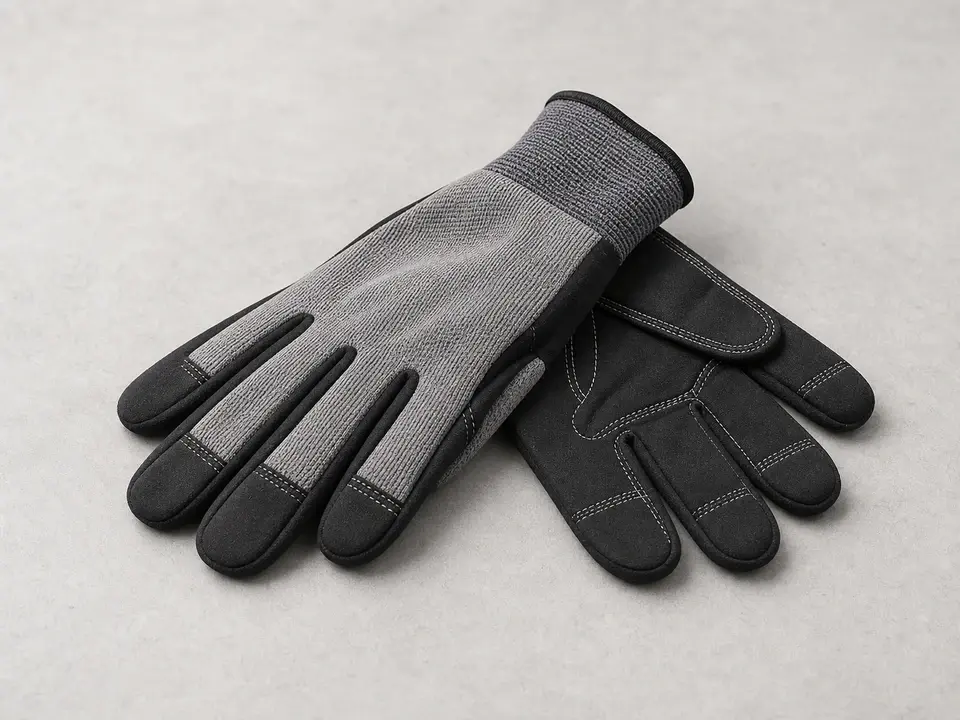
Use it for: To protect your hands from sharp grate edges, rust, and debris.
Shop work glovesAs an Amazon Associate I earn from qualifying purchases. Repair Riot may earn a commission at no extra cost to you.
If it works: You have confirmed the grate itself is reusable and the repair is mainly replacing the screws.
If it doesn’t: If the grate is broken, the frame is damaged, or the holes in the drain body are no longer usable, plan on a larger grate or drain repair instead of just replacing screws.
If it works: The area is clean and the old screws are removed or loosened enough to take out.
If it doesn’t: If a screw head is stripped, try a better-fitting bit and firm downward pressure before moving to a screw extraction method.
If it works: The grate sits flat and the screw holes line up cleanly.
If it doesn’t: If the holes do not line up, reposition the grate and clear more debris from the seating surface until it drops fully into place.
If it works: All replacement screws are installed and the grate is held down evenly.
If it doesn’t: If a screw will not start or tighten properly, remove it and recheck the thread match, hole alignment, and screw length before trying again.
If it works: The grate feels solid, sits flat, and the area is clean.
If it doesn’t: If the grate still moves, loosen the screws, reseat the grate, and retighten evenly. If movement continues, the frame or mounting points likely need repair.
If it works: The grate stays secure during normal use and the drain still works as expected.
If it doesn’t: If the screws loosen again quickly, recheck whether the replacements are the wrong size or whether the grate frame is worn or damaged.
Match the screw type, length, head style, and material rating before ordering.
As an Amazon Associate I earn from qualifying purchases. Repair Riot may earn a commission at no extra cost to you.
Use screws that match the original type, length, and head style, and choose an exterior-rated material suitable for wet conditions. Matching the original fit matters more than guessing based on appearance alone.
Not always. A screw that is too long, too short, the wrong diameter, or the wrong head style may not hold the grate properly or may damage the mounting point. Bring an old screw or careful measurements when shopping.
Start with penetrating oil and the correct bit. Work the screw out slowly. If a screw snaps off or the head strips badly, the repair may need extraction tools or a larger drain repair if the mounting point is damaged.
Usually the grate is not seated flat, the screws are the wrong fit, or the frame or mounting holes are worn or damaged. Recheck alignment and fit first. If movement remains, the problem is likely beyond the screws.
If the remaining screws are rusted or worn, replacing the full set is usually the better move. That gives you even clamping and reduces the chance of another loose corner soon.