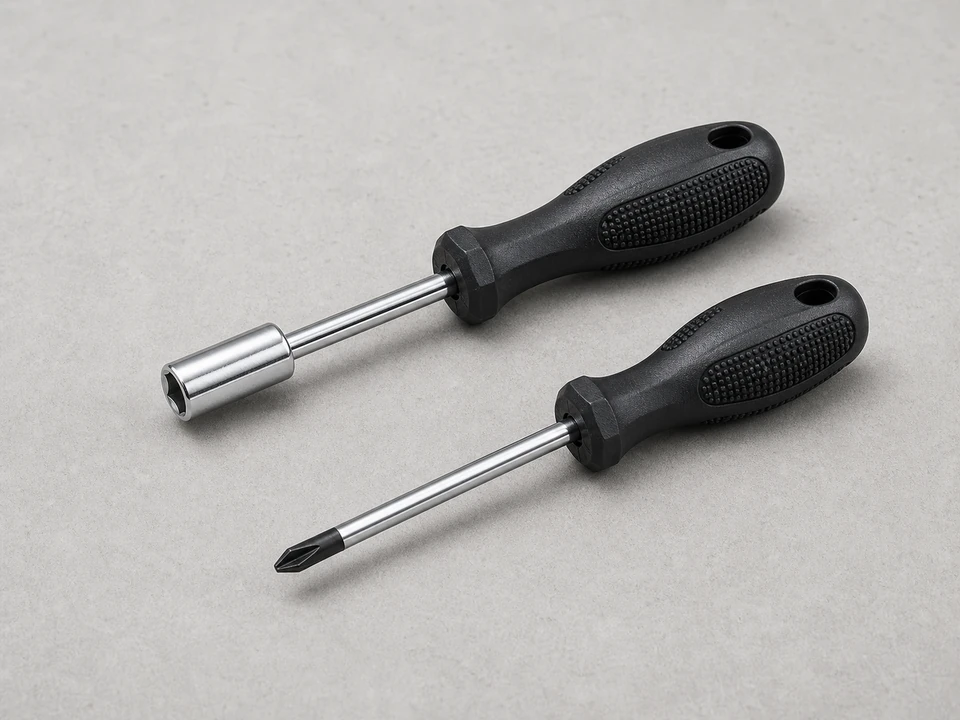
Screwdriver or nut driver
Use it for: To remove the old screws and tighten the new ones without damaging the heads.
Shop screwdrivers and nut driversIf your drain grate is loose because the screws are missing, rusted, or stripped, you can usually fix it by removing the old hardware, cleaning the screw holes, and installing matching replacement screws by hand first, then snugging them down evenly.
This is a simple repair when the grate and drain frame are still in good shape. The key is using screws that actually match the original size and material so the grate stays secure without damaging the mounting holes.
Before you start: Match the screw type, length, head style, thread pattern, and corrosion resistance before ordering. If possible, bring one old screw with you to compare.
Use it for: To remove the old screws and tighten the new ones without damaging the heads.
Shop screwdrivers and nut drivers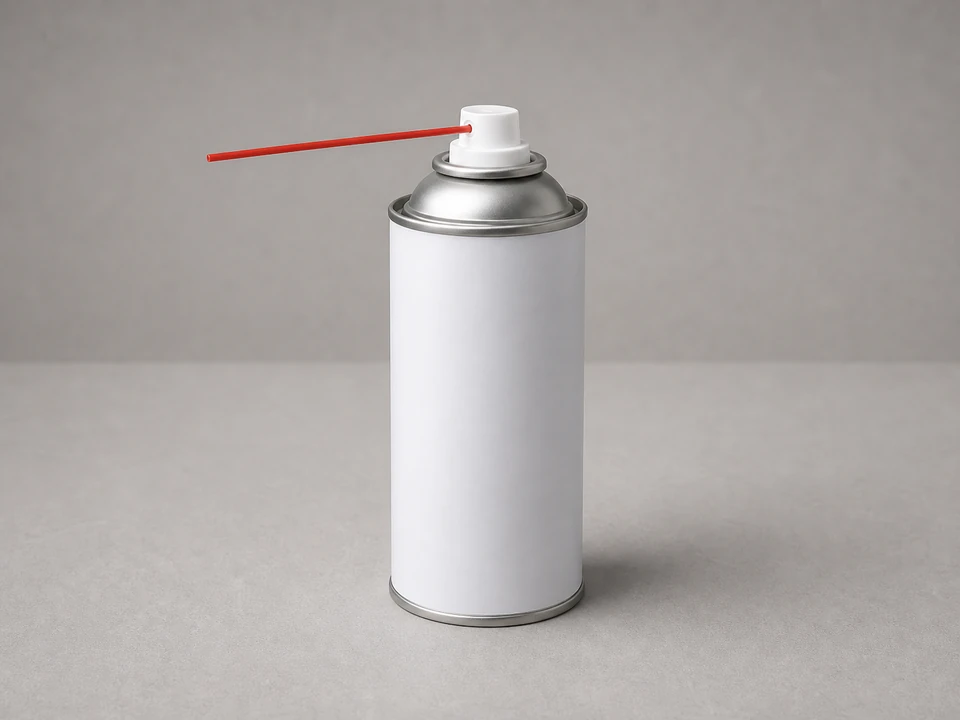
Use it for: To help loosen rusted screws before removal.
Find penetrating oil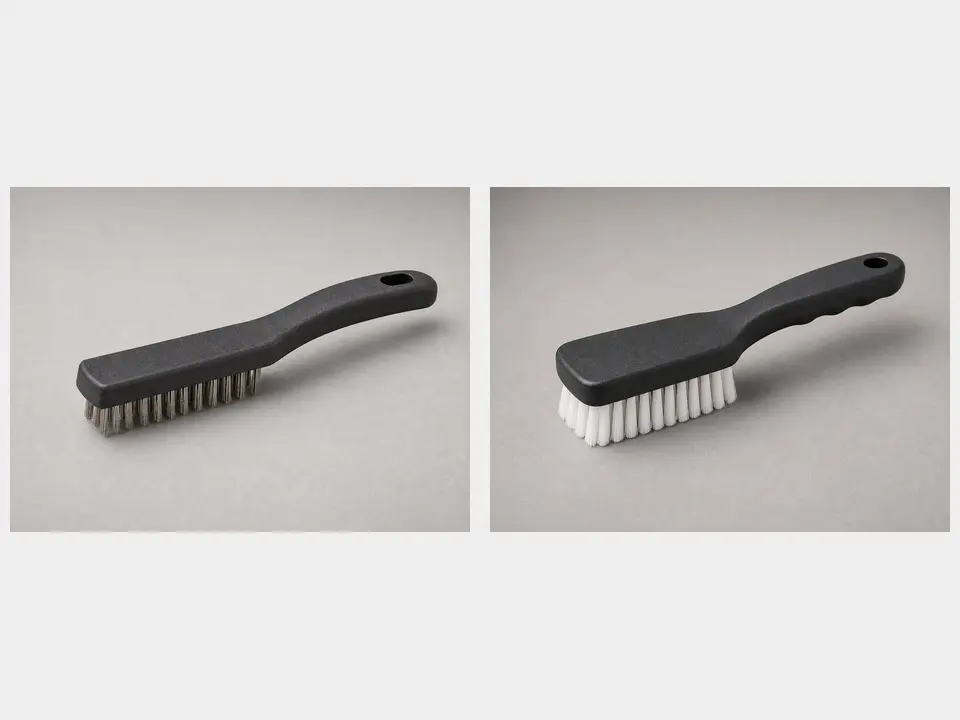
Use it for: To clean dirt, rust, and debris from the grate and screw holes.
Shop cleaning brushes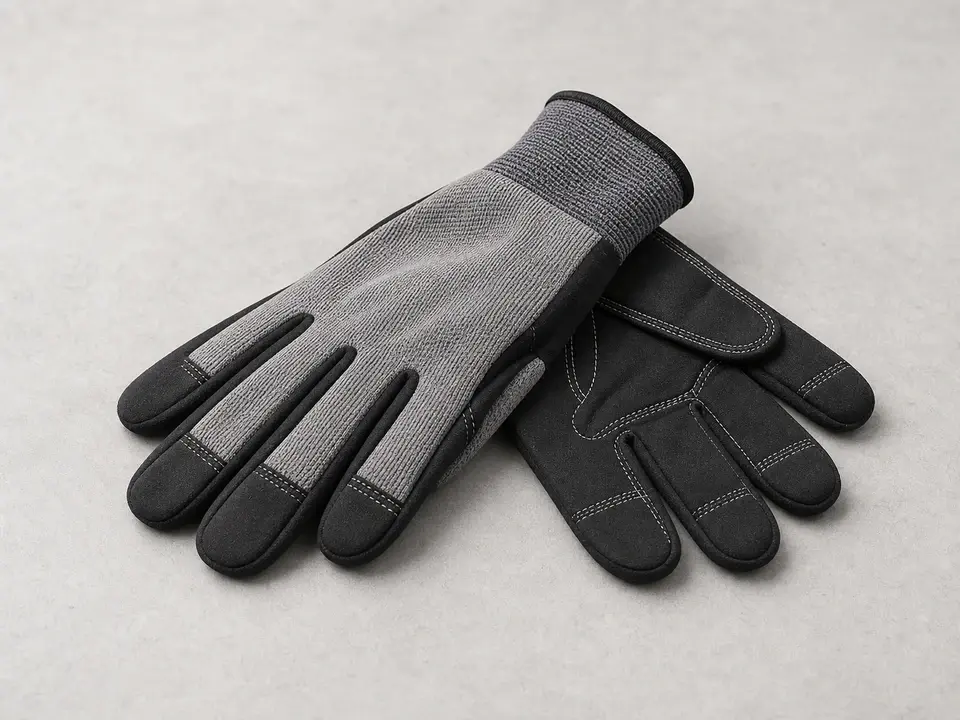
Use it for: To protect your hands from sharp grate edges and rusty hardware.
Get work gloves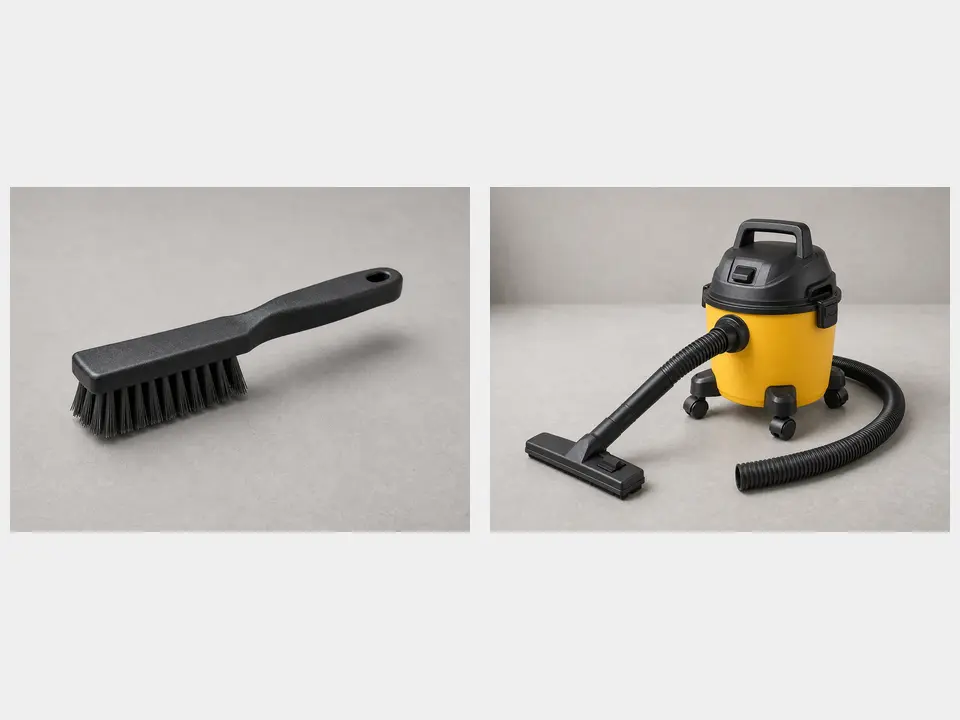
Use it for: To clear loose debris out of the drain opening and around the mounting points.
Shop small shop vacsAs an Amazon Associate I earn from qualifying purchases. Repair Riot may earn a commission at no extra cost to you.
If it works: You have confirmed the grate is basically sound and the loose or missing hardware is the main issue.
If it doesn’t: If the grate or frame is cracked, warped, or broken, replace or repair those parts before worrying about the screws.
If it works: The old screws are out, or you have removed as much of the failed hardware as possible without forcing it.
If it doesn’t: If a screw head is stripped, try a better-fitting bit and firm downward pressure before moving on.
If it works: The mounting points are clean enough for the new screws to start by hand and seat properly.
If it doesn’t: If the new screw will not start, recheck the diameter, thread style, and length against the old screw.
If it works: The grate is aligned and every new screw has started cleanly by hand.
If it doesn’t: If a screw binds right away, back it out and realign the grate before trying again.
If it works: The grate sits flat and secure, and the screw heads are intact and properly seated.
If it doesn’t: If the grate still rocks after tightening, remove it and check for debris under the grate or damage at the mounting points.
If it works: The grate stays flat, secure, and removable for future cleaning, and the screws hold during real use.
If it doesn’t: If the screws loosen again quickly, the holes or grate are likely worn and need a more complete repair than just new screws.
Match the screw type, length, head style, thread pattern, and corrosion resistance before ordering. If possible, bring one old screw with you to compare.
As an Amazon Associate I earn from qualifying purchases. Repair Riot may earn a commission at no extra cost to you.
No. The replacement needs to match the original screw's diameter, length, head style, and thread pattern closely enough to fit the grate and hold in the drain frame. Corrosion-resistant material matters too because this hardware stays wet.
Remove one matching screw from another corner if possible and use it as your sample. Compare the length, thickness, head shape, and thread style before buying replacements.
That usually means the mounting hole is stripped or damaged, or the screw is the wrong size or thread type. New screws alone will not fix a worn-out hole.
If the others are rusted or worn, replacing the full set is usually the better move. Matching new screws tend to hold more evenly and make future removal easier.
Use a corrosion-resistant screw suitable for outdoor wet conditions, as long as it matches the original fit. Stainless or other exterior-rated hardware is commonly used where rust is a problem.