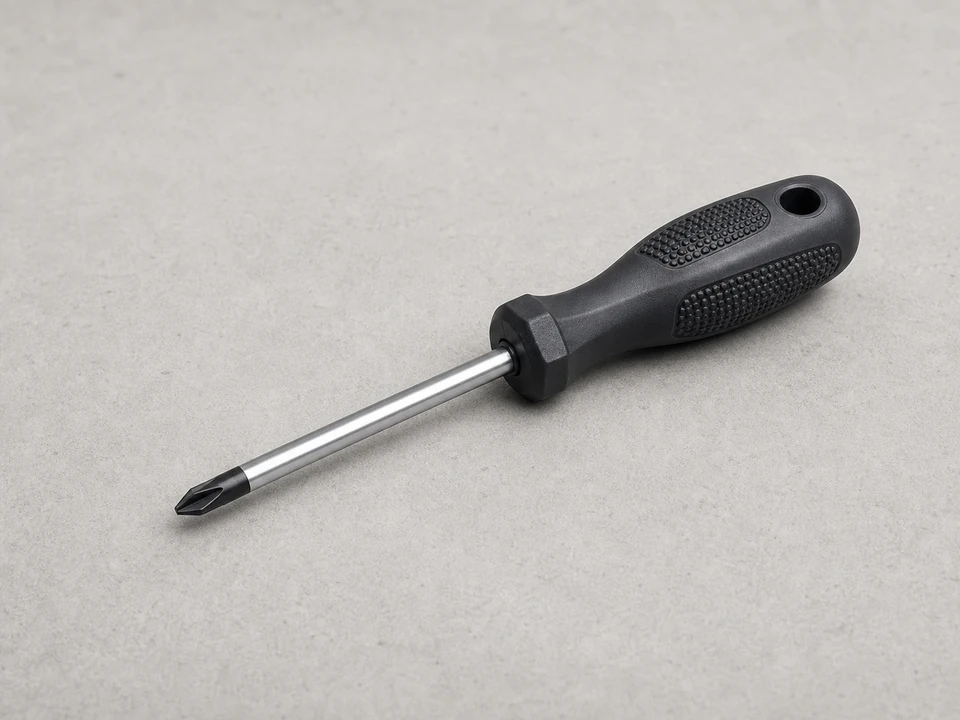
Phillips screwdriver
Use it for: To remove cabinet screws, top screws, or front panel fasteners.
Shop Phillips screwdriversTo replace a dryer belt, unplug the dryer, open the cabinet, remove the old belt, wrap the new belt around the drum, route it through the idler and motor pulley, then test that the drum turns smoothly before reassembling.
A worn or broken dryer belt can leave the drum sitting still even though the dryer runs or hums. This is a manageable repair for many homeowners if you work carefully, keep track of screws, and make sure the new belt is routed the same way the old one was.
Before you start: Match the belt profile, length, and dryer compatibility before ordering.
Use it for: To remove cabinet screws, top screws, or front panel fasteners.
Shop Phillips screwdrivers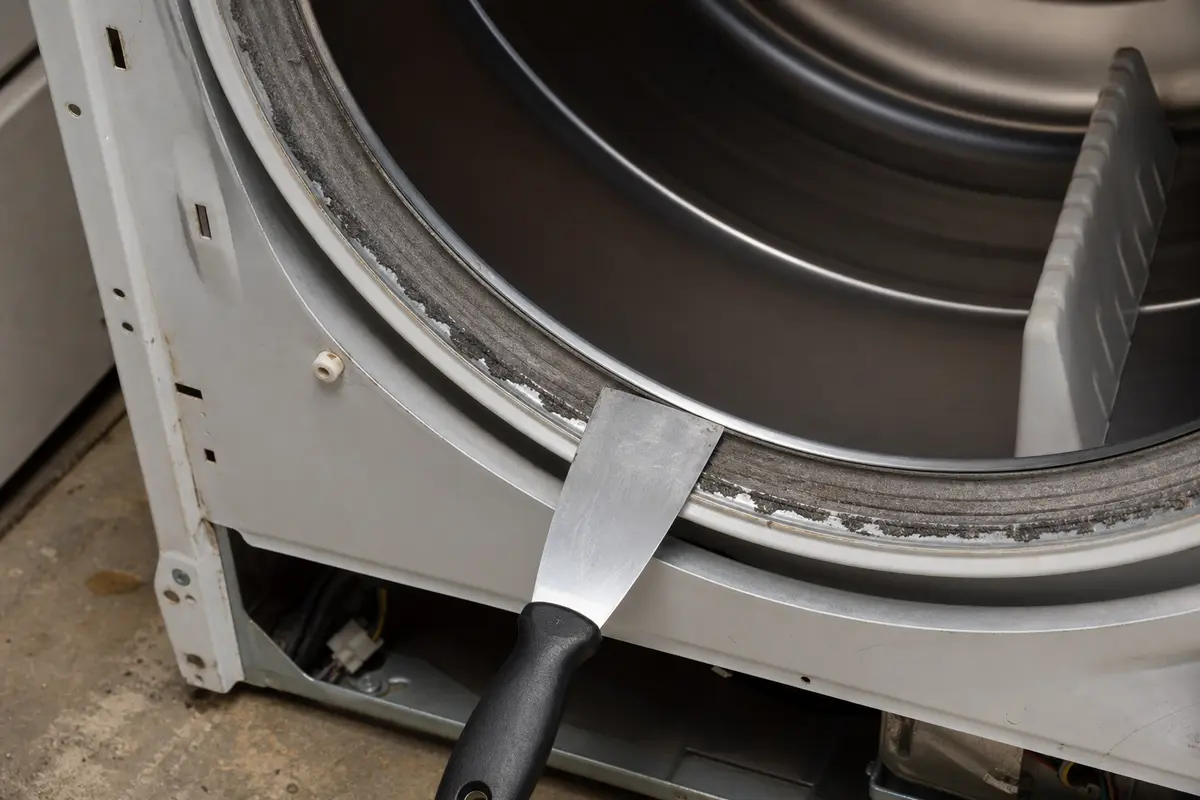
Use it for: To release spring clips on some dryer tops without bending the panel.
Shop putty knives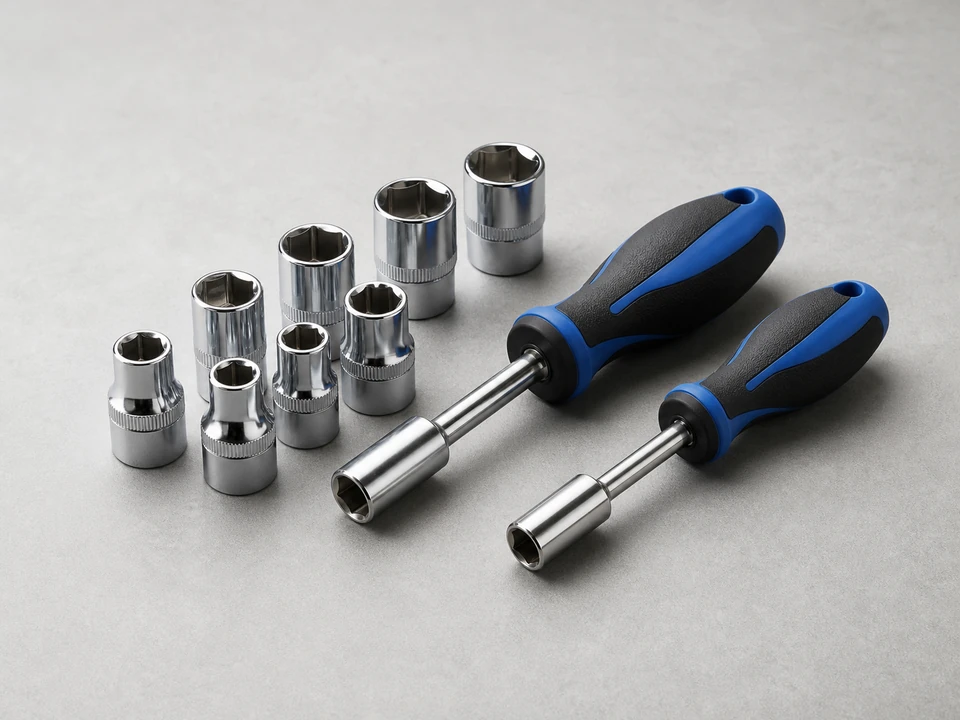
Use it for: To remove hex-head screws commonly used on dryer panels and brackets.
Shop nut driver sets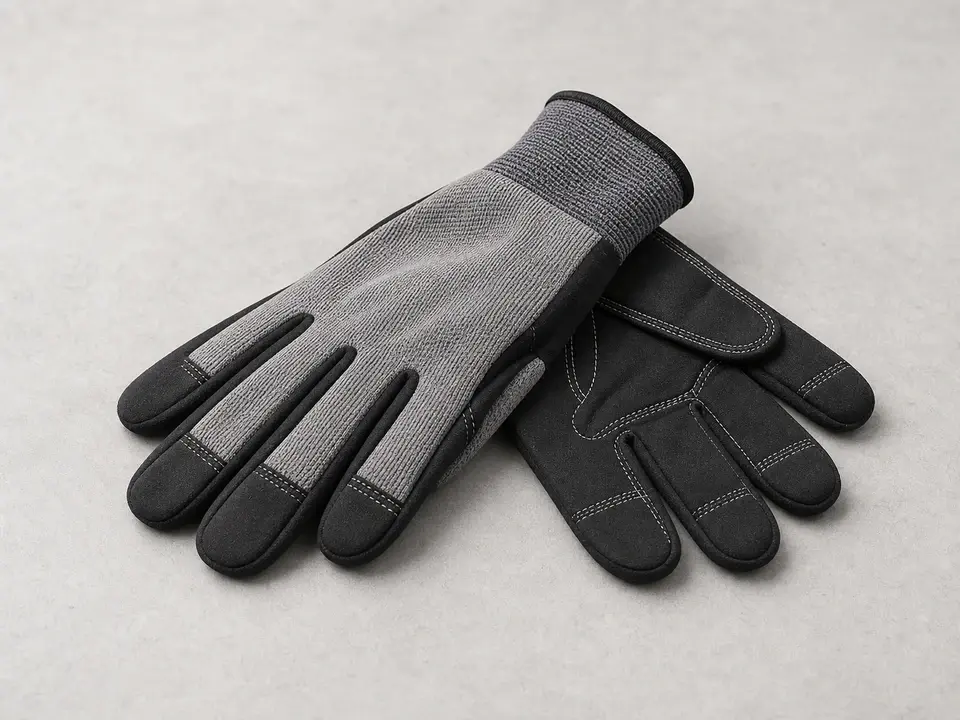
Use it for: To protect your hands from sharp cabinet edges and sheet metal.
Shop work gloves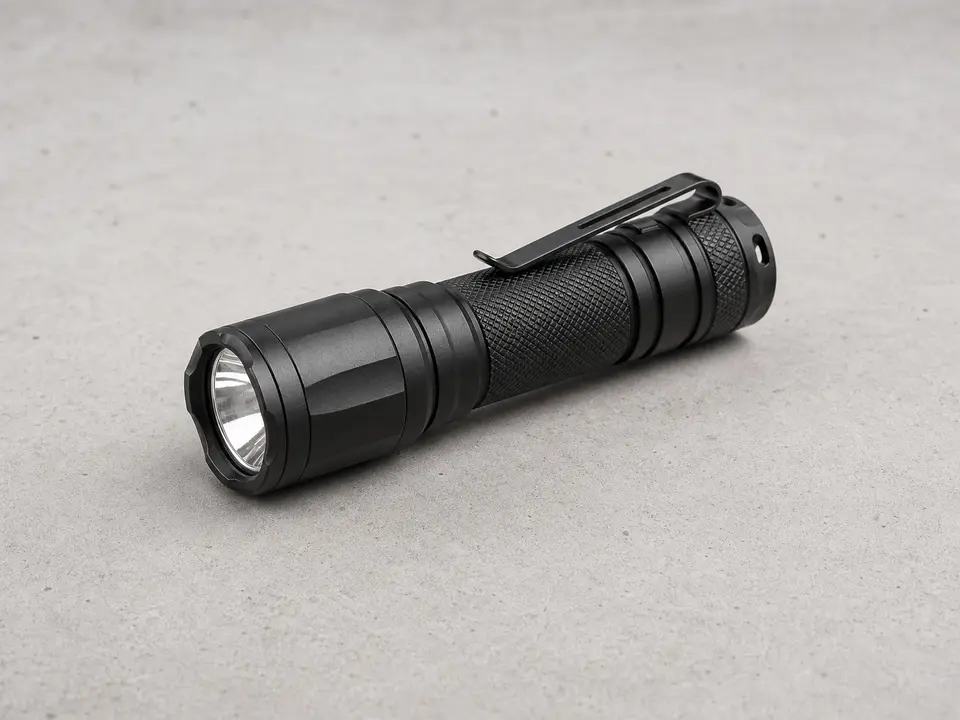
Use it for: To see the belt path, idler pulley, and motor pulley inside the cabinet.
Shop flashlightsAs an Amazon Associate I earn from qualifying purchases. Repair Riot may earn a commission at no extra cost to you.
If it works: The symptoms match a failed or slipping dryer belt, and you are ready to open the dryer.
If it doesn’t: If the drum is locked up, badly scraping, or hard to turn by hand, check for seized rollers, an idler problem, or an object stuck in the drum path before ordering a belt.
If it works: You can clearly see the drum area and have access to the belt path.
If it doesn’t: If the cabinet does not open the way you expect, pause and look for hidden screws along the back edge, inside the door opening, or under trim pieces rather than forcing panels apart.
If it works: The old belt is out, and the pulleys and supports have had a basic condition check.
If it doesn’t: If the idler pulley or rollers are rough, noisy, or frozen, replace those worn parts too or the new belt may fail early.
If it works: The new belt is sitting evenly around the drum and ready to be routed through the tensioner and motor pulley.
If it doesn’t: If the belt seems obviously too loose, too short, or the profile does not match the old one, recheck fit before forcing it into place.
If it works: The belt stays aligned, the idler holds tension, and the drum turns smoothly by hand.
If it doesn’t: If the belt jumps, twists, or will not stay in line, remove it and reroute it carefully before reassembling the dryer.
If it works: The dryer starts, the drum turns normally, and the belt holds during an actual cycle.
If it doesn’t: If the motor runs but the drum still does not turn, reopen the dryer and recheck belt routing, idler tension, and pulley condition. If the dryer will not start at all, the problem may be elsewhere.
Match the belt profile, length, and dryer compatibility before ordering.
As an Amazon Associate I earn from qualifying purchases. Repair Riot may earn a commission at no extra cost to you.
A broken belt often causes the motor to run while the drum does not turn. The drum may also feel unusually easy to spin by hand. In some dryers, you may find belt pieces inside the cabinet.
Sometimes, but not always. Many dryers let you lift or support the drum enough to route the belt underneath. Others are easier if the drum is partially removed. The goal is safe access, not forcing your hands into a tight space.
If the idler pulley or drum rollers feel rough, noisy, or seized, it is smart to replace worn support parts at the same time. A new belt will not last long if another moving part is dragging or out of line.
The most common causes are wrong belt fit, twisted installation, incorrect routing around the idler and motor pulley, or a worn idler pulley that cannot hold tension.
No. A slipping belt can overheat, wear quickly, and leave you with the same no-tumble problem again. It is better to replace it and check the pulleys before using the dryer normally.