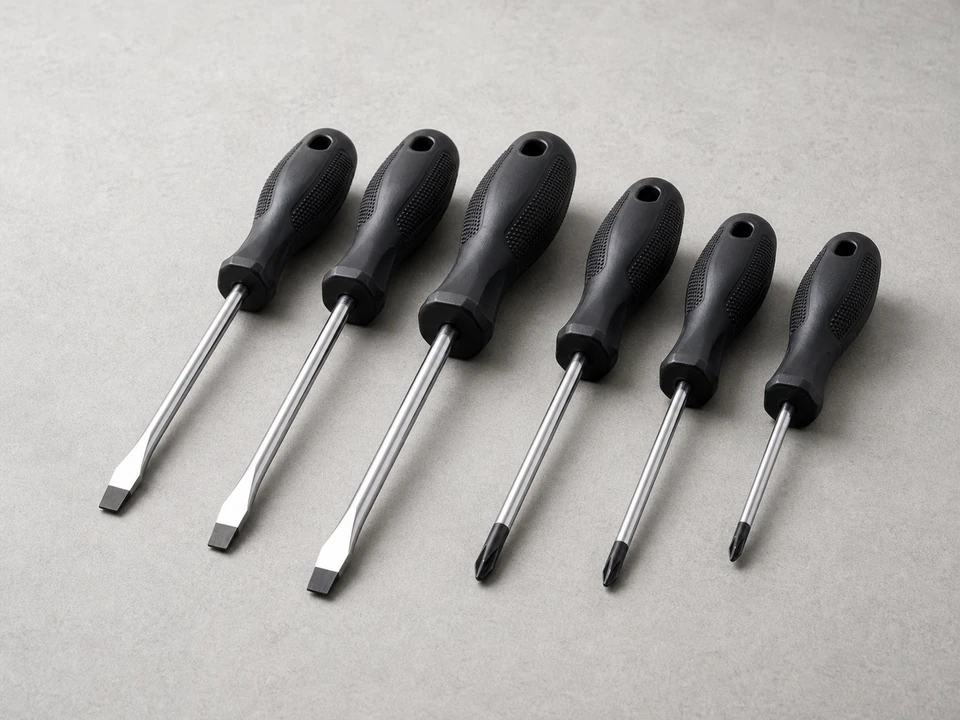
Screwdriver set
Use it for: Removes the hinge screws and any inner door screws holding the hinge in place.
Shop screwdriver setsIf the dryer door sags, rubs, won’t line up with the catch, or springs oddly when you open it, worn or bent dryer door hinges are a common cause. Replacing them is usually a straightforward repair with basic hand tools.
Start by making sure the problem is really in the hinges and not the latch, strike, or door panel. Once you confirm that, support the door, swap the hinges, and test the door several times before running a cycle.
Before you start: Match the hinge size, shape, handedness, and mounting pattern before ordering.
Use it for: Removes the hinge screws and any inner door screws holding the hinge in place.
Shop screwdriver sets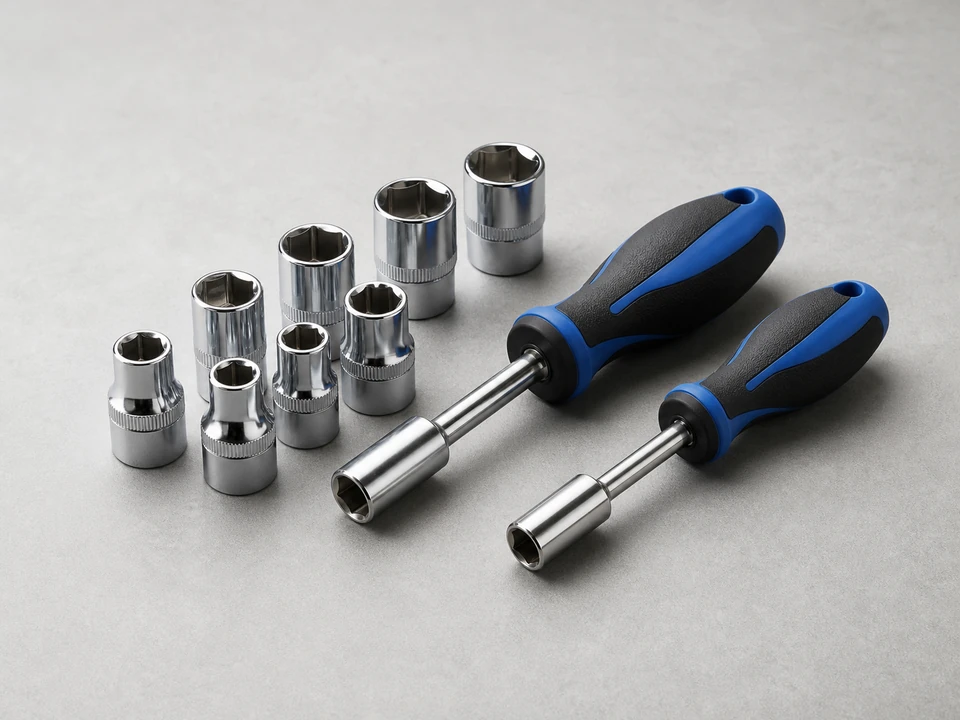
Use it for: Some dryers use hex-head screws instead of standard Phillips screws.
Shop nut driver sets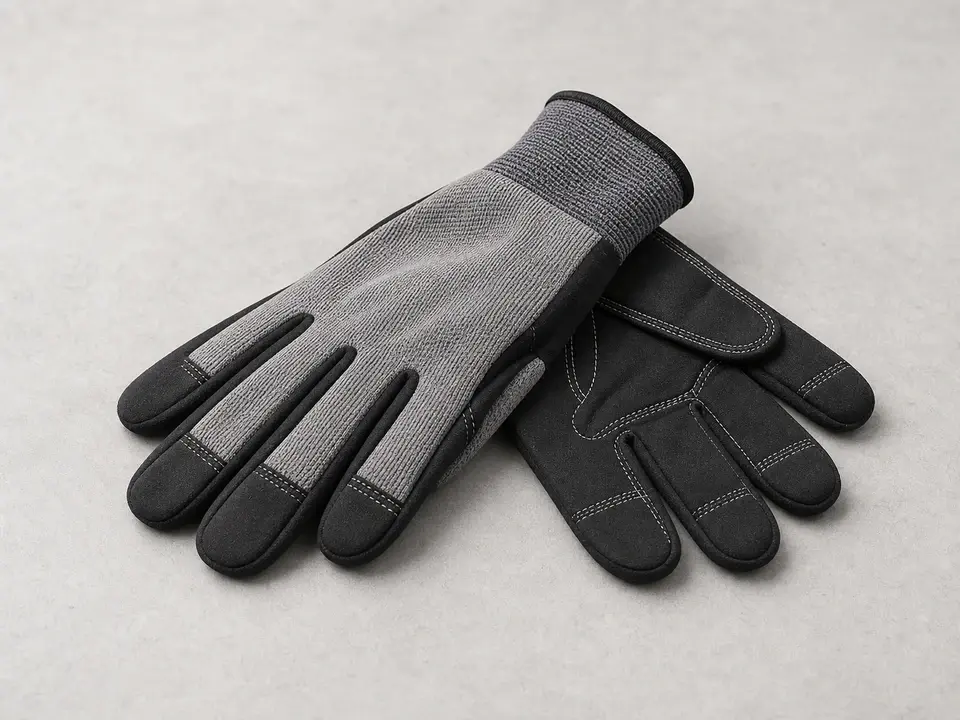
Use it for: Protects your hands from sharp sheet-metal edges around the door opening and hinge area.
Shop work gloves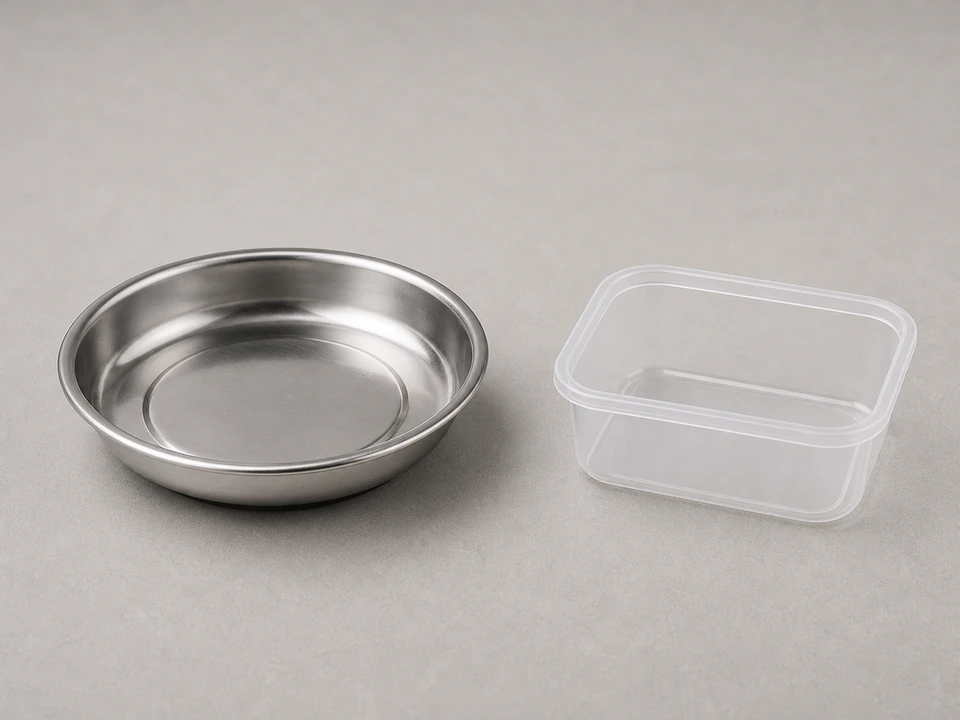
Use it for: Keeps hinge screws from getting lost while the door is apart.
Shop magnetic parts trays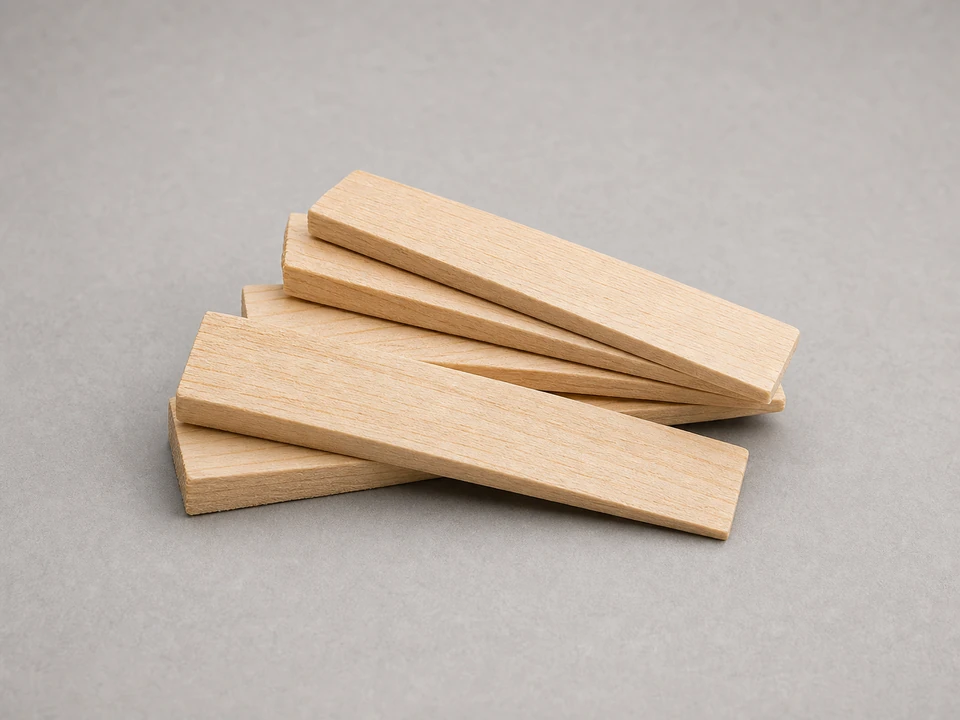
Use it for: Supports the door while you remove the old hinges so the door does not twist or drop.
Find door support blocksAs an Amazon Associate I earn from qualifying purchases. Repair Riot may earn a commission at no extra cost to you.
If it works: You have clear hinge-related symptoms such as sagging, looseness, binding, or visible hinge damage.
If it doesn’t: If the door is aligned but still will not stay closed, inspect the door catch and strike before ordering hinges.
If it works: The dryer is disconnected from power and the door is fully supported before any screws come out.
If it doesn’t: If you cannot safely support the door, wait until you have a helper or a stable block before continuing.
If it works: The old hinges are removed and the new hinges match the originals closely enough to install without forcing anything.
If it doesn’t: If the new hinges do not match the old ones, stop and verify the replacement by model fit and hinge orientation.
If it works: The new hinges are installed securely and the door sits square in the opening.
If it doesn’t: If the door still looks crooked, loosen the hinge screws slightly, realign the door, and retighten before testing again.
If it works: The door moves smoothly, lines up with the latch, and closes without rubbing or sagging.
If it doesn’t: If the door still binds or misses the latch, recheck hinge orientation and door alignment, then inspect the latch and strike for wear.
If it works: The door closes normally, stays shut during operation, and remains aligned after a real-use test.
If it doesn’t: If the door works by hand but pops open or shifts during a cycle, inspect the latch parts and the door frame for a second problem.
Match the hinge size, shape, handedness, and mounting pattern before ordering.
As an Amazon Associate I earn from qualifying purchases. Repair Riot may earn a commission at no extra cost to you.
Common signs are a sagging door, rubbing at the opening, a latch that no longer lines up, or visible hinge bending or looseness. If the door is straight but just will not click shut, the latch or strike may be the real problem.
Usually yes. If one hinge is worn enough to cause sagging, the other often has wear too. Replacing both at once helps the door sit evenly and reduces the chance of doing the job twice.
Sometimes. On some dryers the hinges can be removed from the front with the door supported. On others, the door has to come off and the inner panel has to be opened to reach the hinge screws.
The door may need a small alignment adjustment, or the latch and strike may also be worn. It is also possible the door panel or cabinet mounting area is bent, which new hinges alone will not fix.
Yes. The replacement needs to match the original hinge shape, hole pattern, size, and handedness. A hinge that looks close but mounts differently can leave the door crooked or unable to latch.