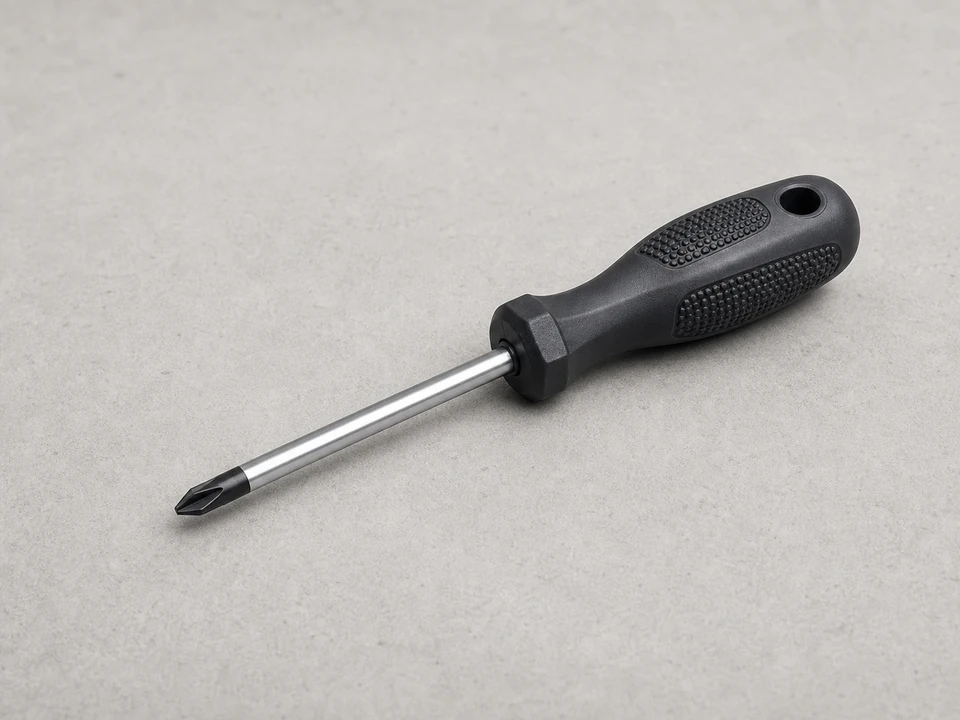
Phillips screwdriver
Use it for: Removes common cabinet and panel screws.
Shop Phillips screwdriversTo replace a dryer motor, unplug the dryer, open the cabinet, remove the belt and drum as needed, transfer the blower wheel or mounting hardware if required, install the new motor, then reassemble and test the dryer.
A failed dryer motor can keep the drum from turning, make a loud humming sound, or cause the dryer to start and stop. This repair takes some disassembly, but it is manageable if you work slowly, keep track of screws, and confirm the motor is really the problem before swapping parts.
Before you start: Match the replacement part to your exact dryer before ordering.
Use it for: Removes common cabinet and panel screws.
Shop Phillips screwdrivers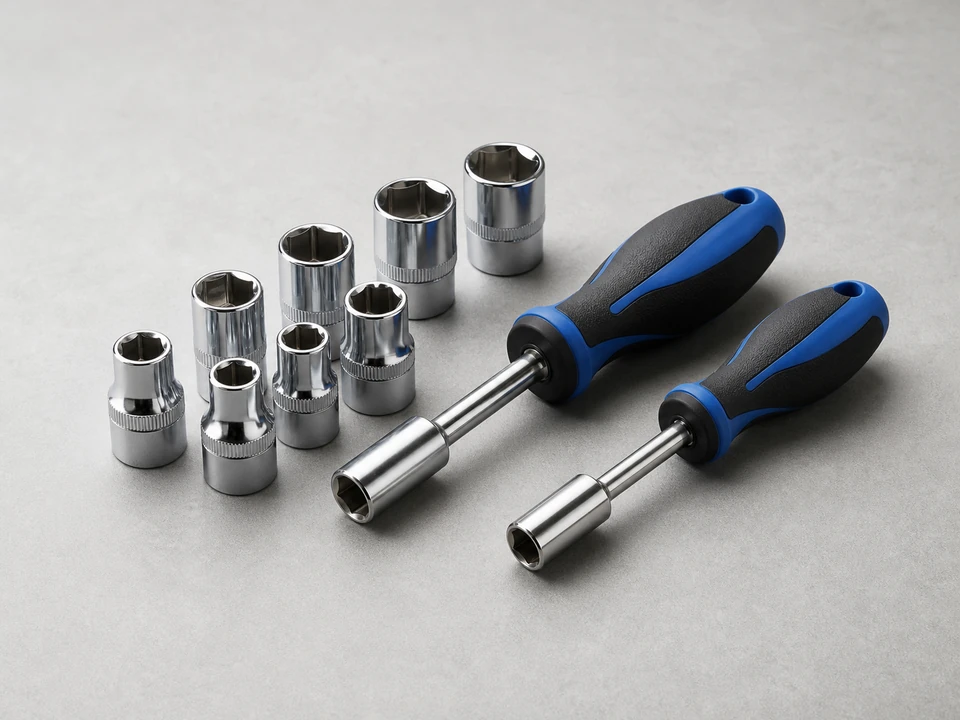
Use it for: Removes hex-head screws used on many dryer panels and brackets.
Shop nut driver sets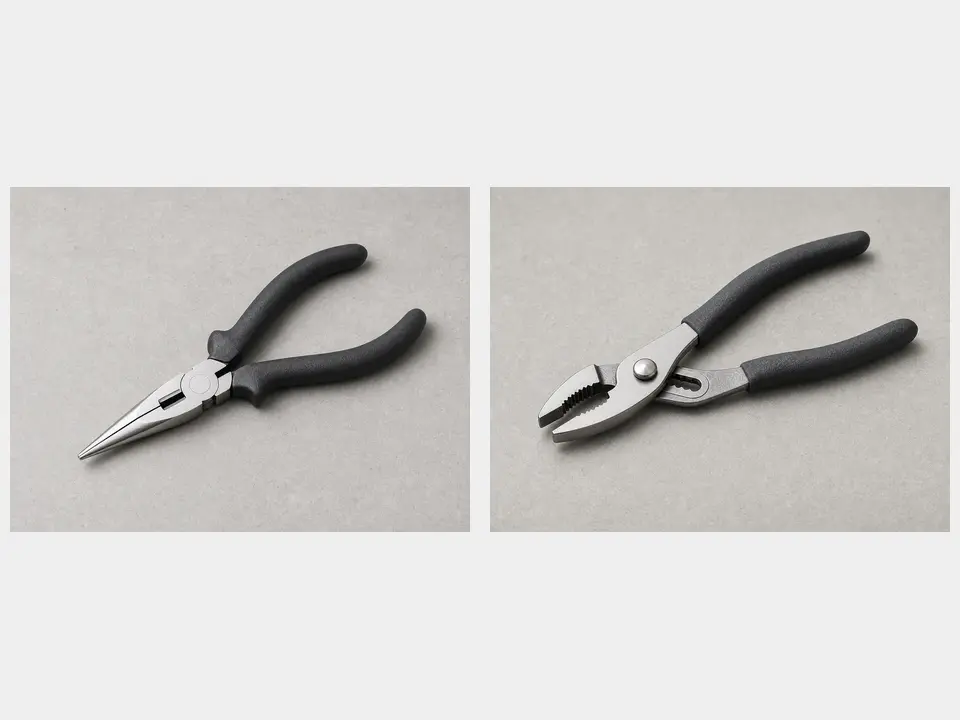
Use it for: Helps release spring clips, wire connectors, and belt tension parts.
Shop pliers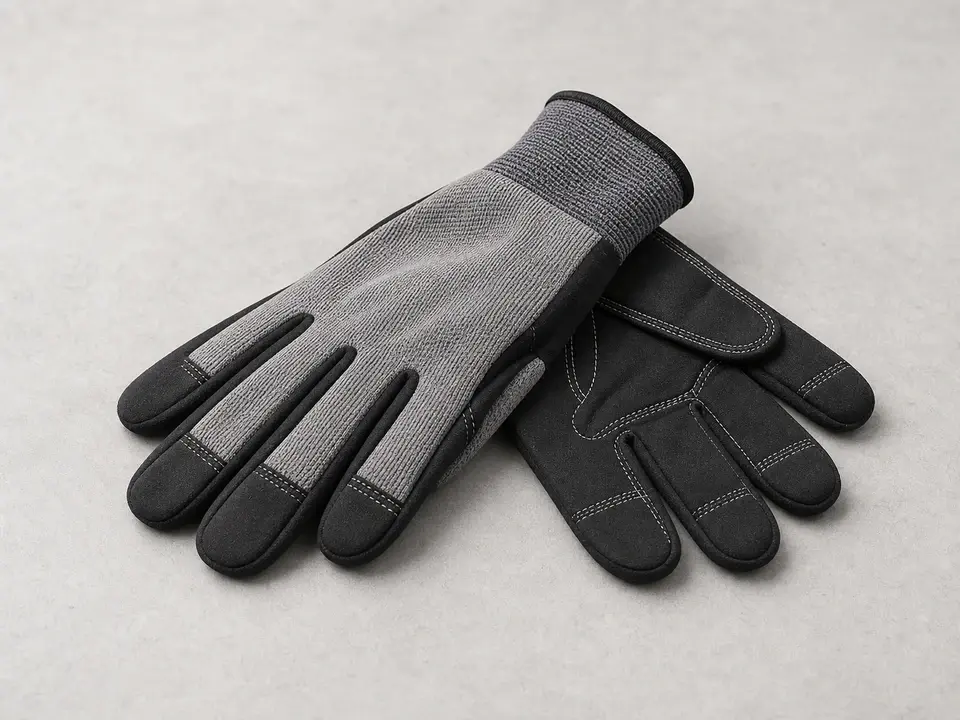
Use it for: Protects your hands from sharp sheet-metal edges inside the dryer.
Shop work gloves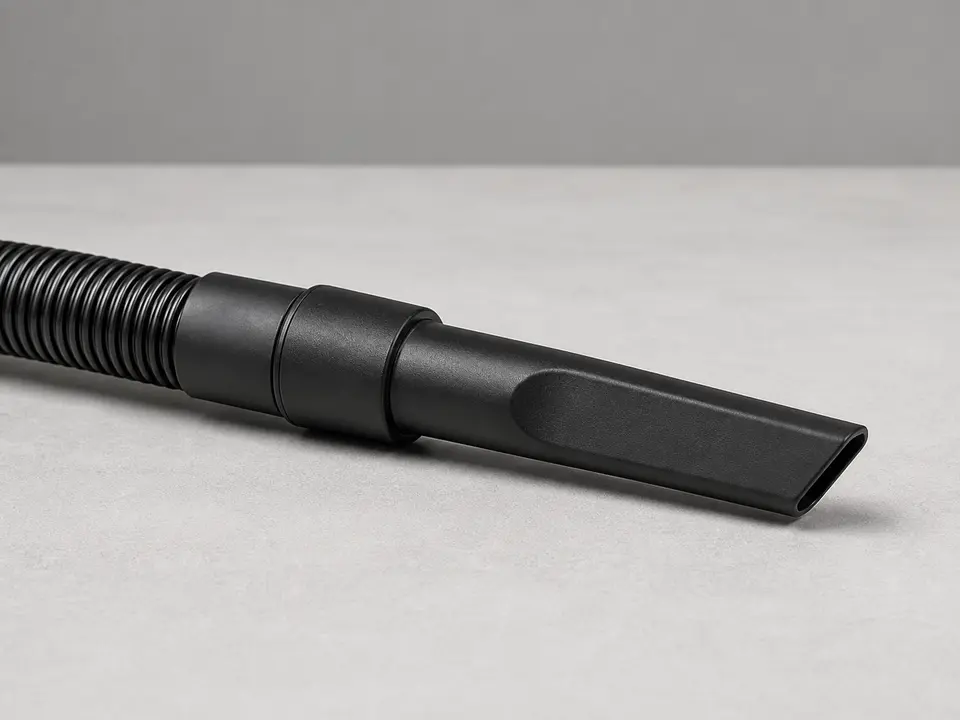
Use it for: Cleans lint out of the cabinet while the dryer is open.
Shop shop vacs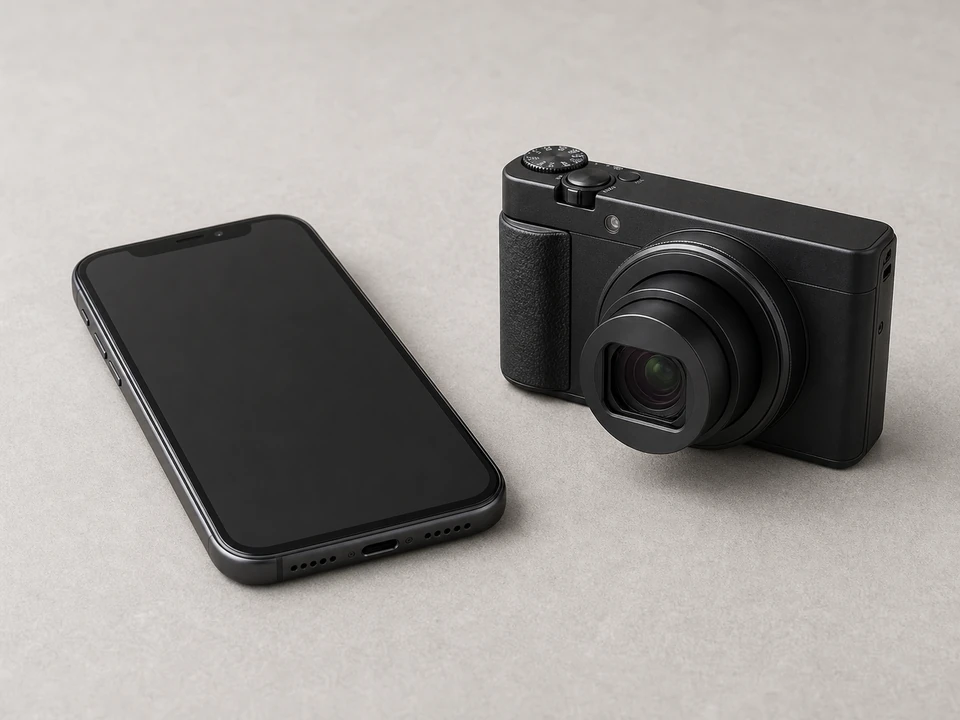
Use it for: Lets you photograph wire locations and belt routing before removal.
Shop phone tripods and repair standsAs an Amazon Associate I earn from qualifying purchases. Repair Riot may earn a commission at no extra cost to you.
If it works: The symptoms point to a failed or failing motor rather than a simple belt or airflow issue.
If it doesn’t: If the drum turns normally and the dryer is completely dead, check other likely causes such as power supply, door switch, or thermal safety parts before replacing the motor.
If it works: You can clearly see the drum support area, belt path, and motor assembly.
If it doesn’t: If you still cannot reach the motor, continue removing the next cabinet panel needed for access and keep photographing each stage.
If it works: The drum and belt are out of the way, and the motor is fully accessible.
If it doesn’t: If the belt routing is confusing, use your photos to retrace it before going further so reassembly is easier later.
If it works: The old motor is out, and the new motor matches the original well enough to install.
If it doesn’t: If the new motor does not match the old one, stop and verify the replacement using your dryer's exact model information before installing it.
If it works: The dryer is fully reassembled, and the drum turns by hand without scraping or binding.
If it doesn’t: If the drum is hard to turn or the belt slips off, reopen the dryer and correct the belt routing or drum seating before testing with power.
If it works: The dryer starts normally, keeps running, tumbles the load, and does not show the original motor-related symptoms.
If it doesn’t: If the dryer still hums, stops after warming up, or will not turn the drum, continue diagnosis for a seized blower wheel, wiring issue, belt problem, or another failed component.
Match the replacement part to your exact dryer before ordering.
As an Amazon Associate I earn from qualifying purchases. Repair Riot may earn a commission at no extra cost to you.
Common signs include a humming sound without drum movement, a dryer that starts only if you spin the drum by hand, a unit that stops after warming up, or a motor that sounds rough and noisy.
Often yes, but not always. Many dryers need the belt and drum removed for clear access to the motor. Some designs allow partial access with less disassembly.
If the belt is worn, glazed, cracked, or stretched, it is smart to replace it while the dryer is already apart. The same goes for noisy idler pulleys or worn drum rollers.
That can happen when the motor windings are failing, the motor is overheating, the blower wheel is jammed, or the drum is hard to turn because of another mechanical problem. Confirm the drum and blower move freely before blaming the motor.
A badly restricted vent can overheat the dryer and contribute to shutdowns, but it usually does not cause a locked or humming motor by itself. It is still worth checking before and after the repair.