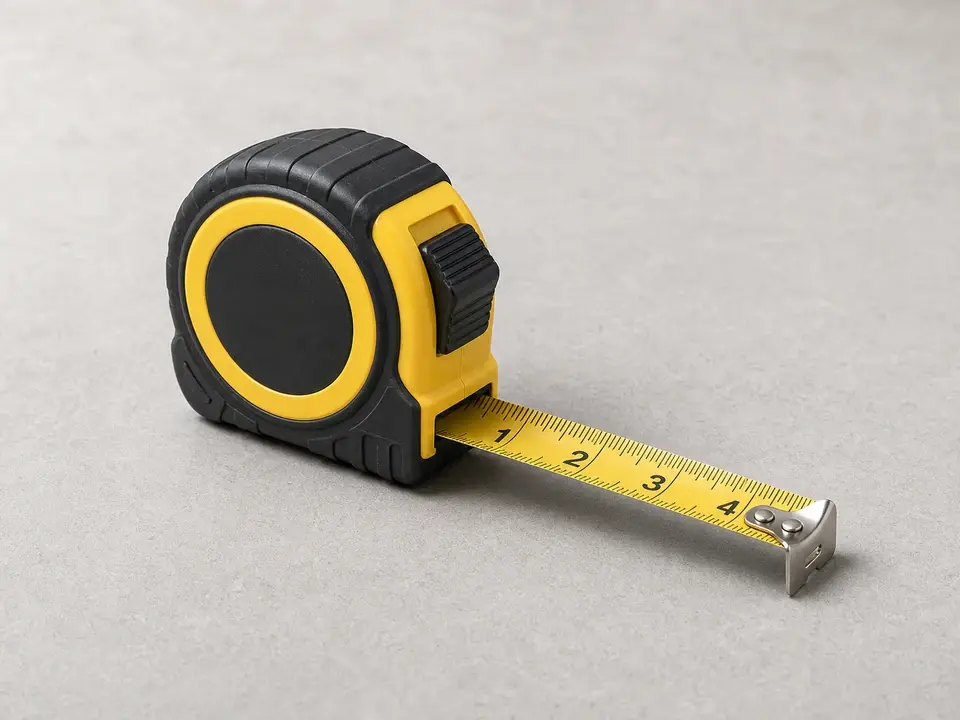
Tape measure
Use it for: To measure the duct opening and the old register so the replacement fits correctly.
Shop tape measuresTo replace a ductwork vent register with built in damper, first confirm the register itself is bent, rusted, stuck, or no longer sealing properly. Then match the opening size and mounting style, remove the old register, clean and inspect the boot, install the new register square and snug, and test airflow with the damper fully open and closed.
This is usually a straightforward swap, but fit matters. A register that looks close can still sit crooked, leak air around the edges, or leave the damper hard to move. Take a minute to measure the duct opening and check the surrounding drywall or ceiling before you buy and install the replacement.
Before you start: Match the replacement part to your exact ductwork vent before ordering.
Use it for: To measure the duct opening and the old register so the replacement fits correctly.
Shop tape measures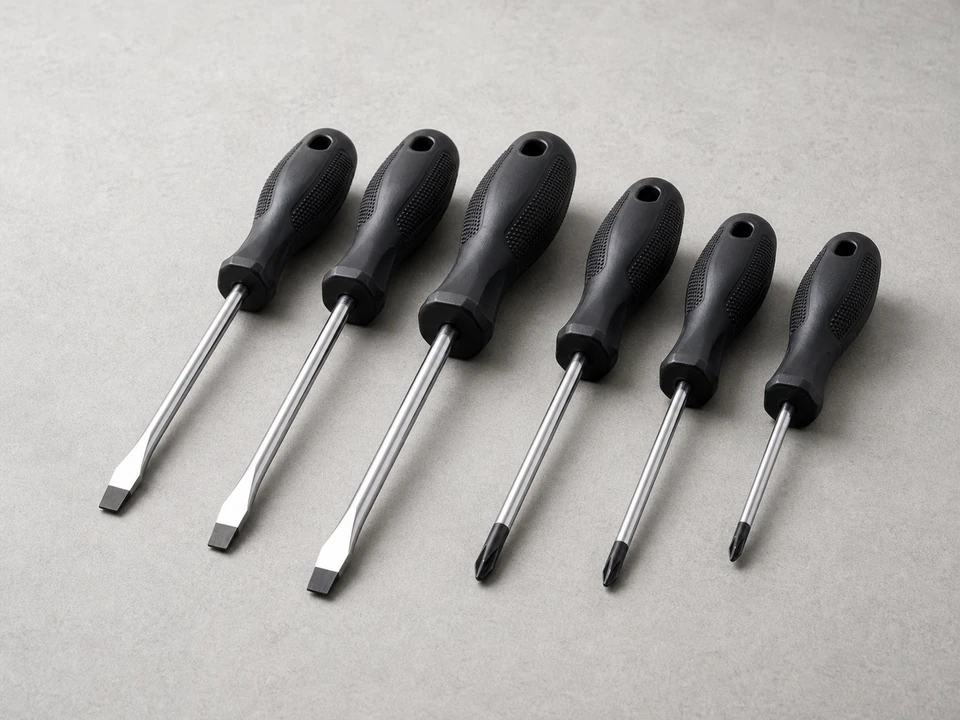
Use it for: To remove the old mounting screws and install the new register.
Shop screwdriver sets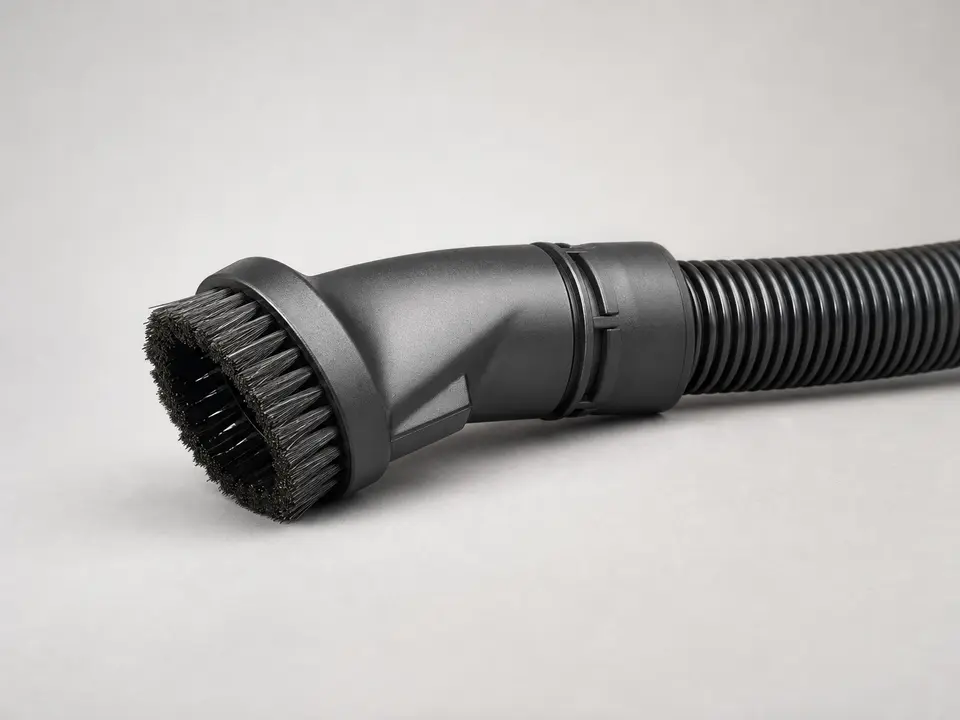
Use it for: To clean dust from the boot and surrounding surface before installation.
Shop shop vacs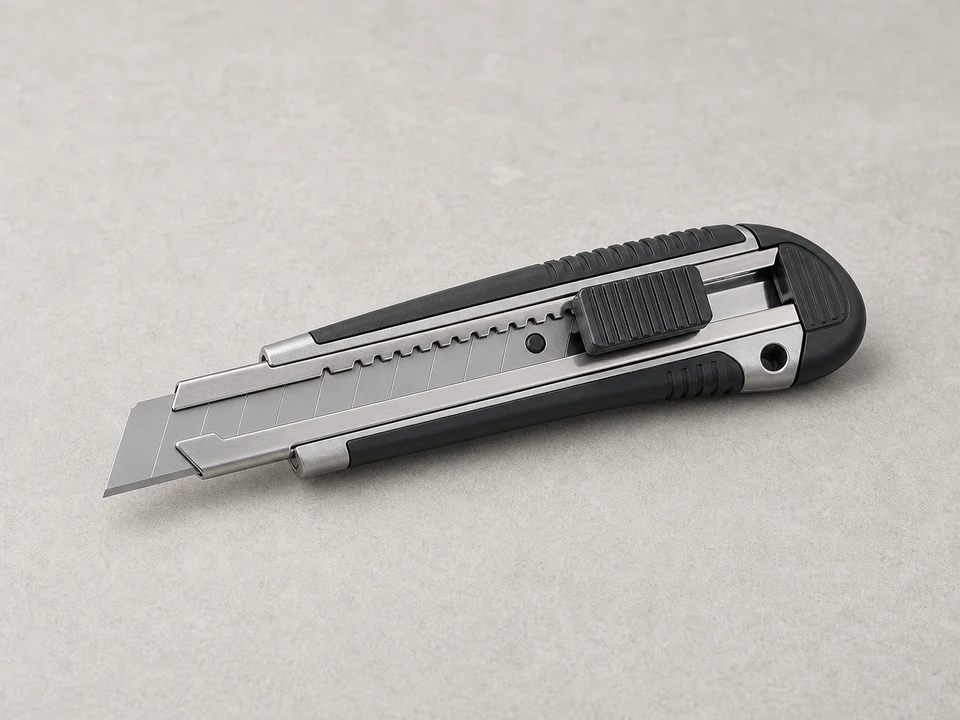
Use it for: To cut old paint lines or caulk so the old register comes off cleanly.
Shop utility knives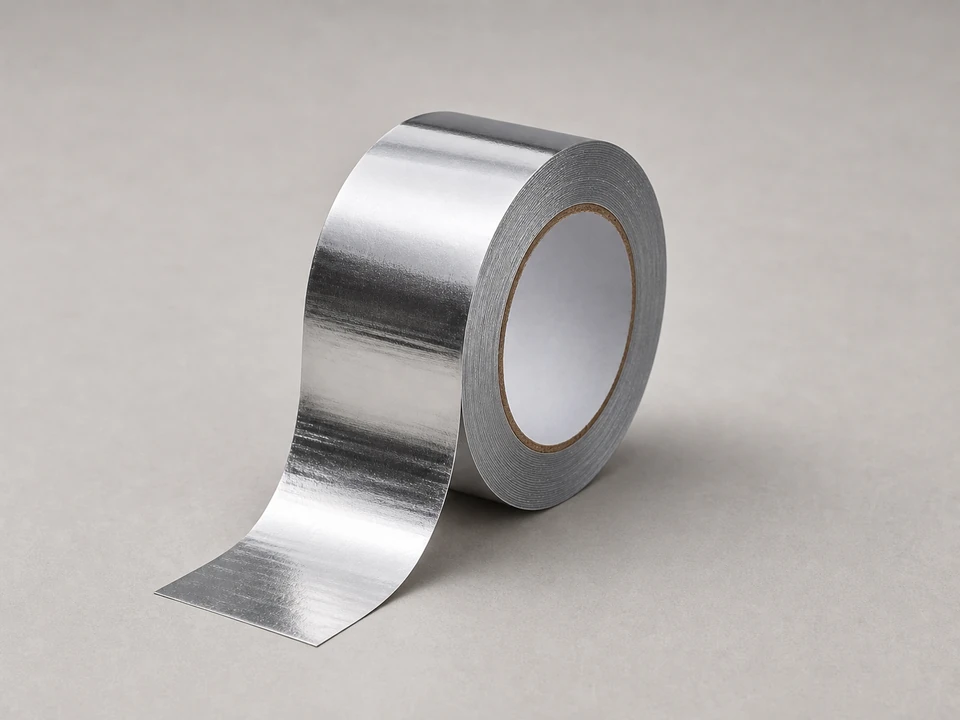
Use it for: To seal small air gaps at the boot edge if needed.
Shop foil HVAC tape
Use it for: To protect your hands from sharp sheet metal edges inside the vent opening.
Shop work glovesAs an Amazon Associate I earn from qualifying purchases. Repair Riot may earn a commission at no extra cost to you.
If it works: You have confirmed the old register or its built-in damper is damaged, worn out, or not working as intended.
If it doesn’t: If the register is intact and the real problem is poor airflow, condensation, or noise inside the duct, diagnose the duct or HVAC issue before replacing the register.
If it works: You have a replacement register that matches the opening size and mounting style.
If it doesn’t: If the new register does not cover the opening well or the screw holes land in damaged material, exchange it for the correct size or plan a proper surface repair first.
If it works: The old register is out and the opening is clean and ready for installation.
If it doesn’t: If the register will not come free, check again for hidden paint, caulk, or an extra screw before forcing it.
If it works: The new register is mounted flat, secure, and the built-in damper moves smoothly.
If it doesn’t: If the damper binds after tightening the screws, loosen them slightly, re-center the register, and test the control again.
If it works: Airflow changes as the damper is adjusted, and the register stays quiet and secure during operation.
If it doesn’t: If airflow does not change when you move the damper, remove the register and confirm the damper linkage is intact and not blocked by the duct opening.
If it works: The new ductwork vent register with built in damper is secure, adjustable, and working normally in real use.
If it doesn’t: If the register keeps loosening, leaking, or sticking, inspect the mounting surface and duct opening for hidden damage or fit issues that need repair before another replacement.
Match the replacement part to your exact ductwork vent before ordering.
As an Amazon Associate I earn from qualifying purchases. Repair Riot may earn a commission at no extra cost to you.
Measure the duct opening, not just the outer face of the old register. The face is usually larger than the opening so it can cover the finished edge.
Yes, if the old register or damper is damaged. But if airflow stays weak with the damper fully open, the restriction is likely in the duct system or HVAC equipment, not the register itself.
Usually no. A register should sit flat against the surface, and small accessible boot gaps are better sealed with foil HVAC tape. Do not block the damper or glue the register in place.
Whistling usually means the damper is partly closed, the register is slightly off-center, or air is squeezing through a gap. Re-center it, check the damper position, and seal any small boot gaps you can reach.
Some can get close, but many still allow a little air through. That is normal for many residential registers and helps avoid pressure problems in the system.