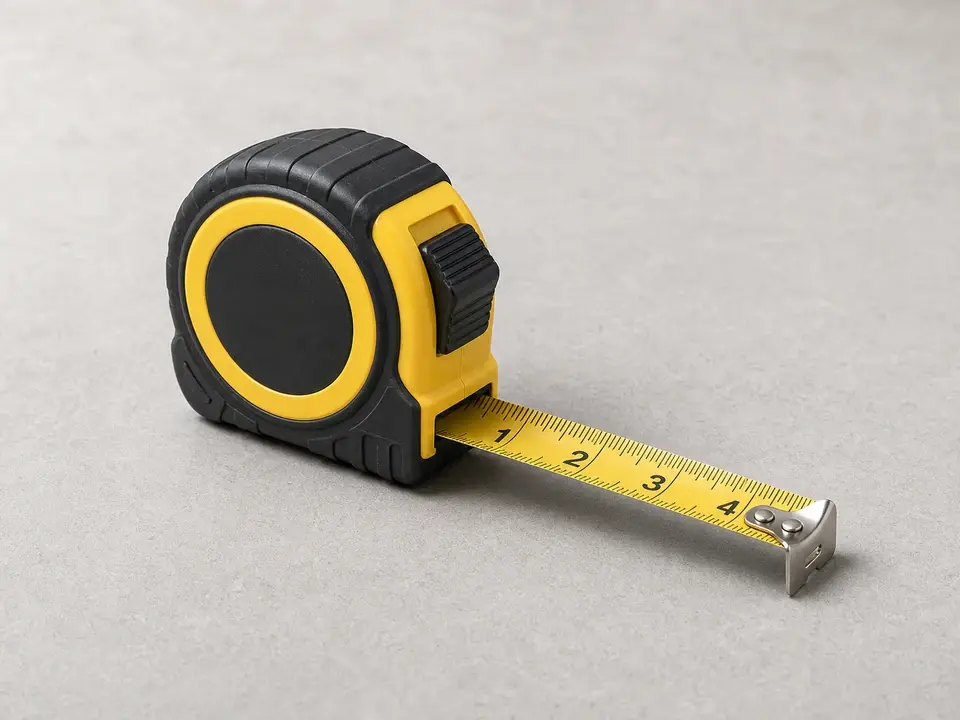
Tape measure
Use it for: To measure the duct opening and the outer face so the replacement fits correctly.
Shop tape measuresTo replace a floor register with built in damper, confirm the old register is damaged or sticking, measure the duct opening and overall face size, remove the old register, clean the boot opening, install the new register so it sits flat, and test the damper through a full open and close cycle.
This is a straightforward replacement if the vent cover is bent, rusted, loose, hard to adjust, or no longer opens and closes smoothly. The main thing is getting the size right and making sure the new register sits securely without rubbing or dropping into the floor opening.
Before you start: Match the replacement part to your exact ductwork vent before ordering.
Use it for: To measure the duct opening and the outer face so the replacement fits correctly.
Shop tape measures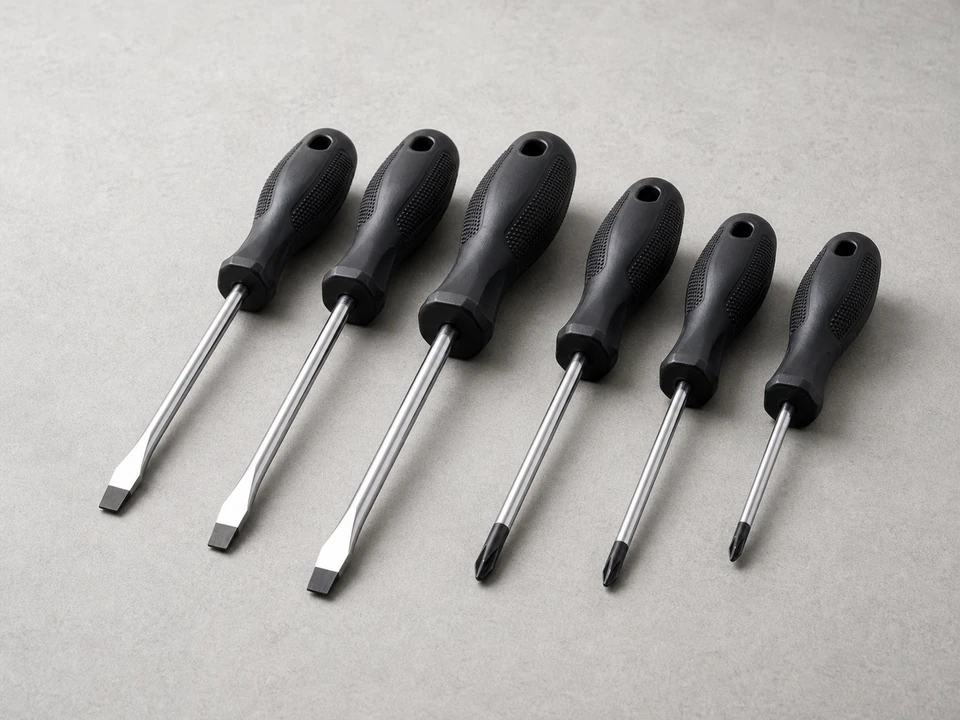
Use it for: To remove mounting screws if the old register is fastened to the floor.
Shop screwdriver sets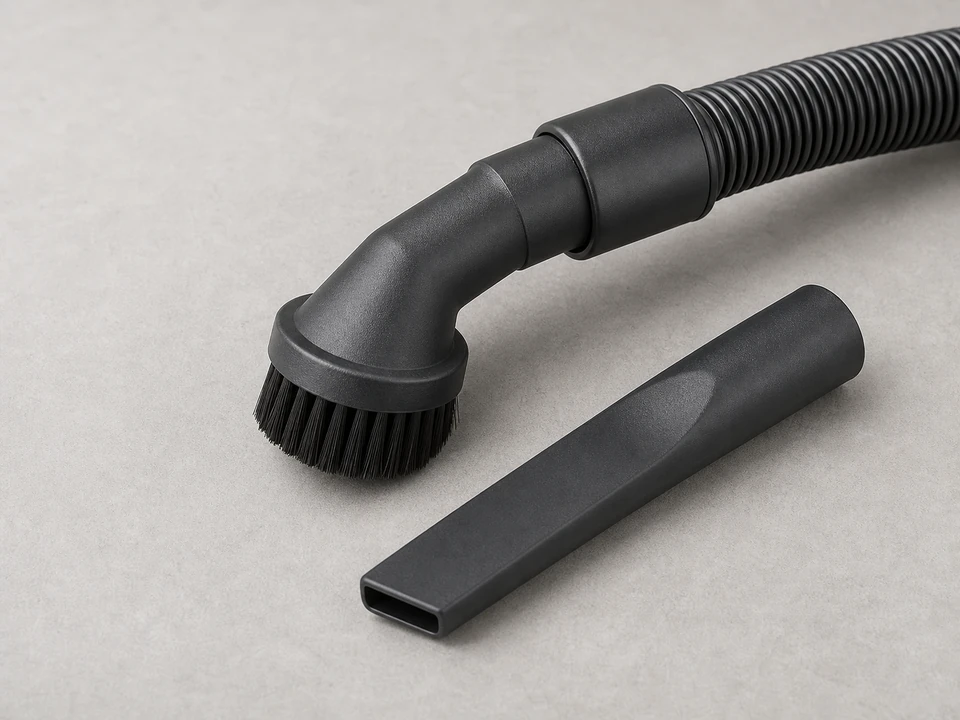
Use it for: To clean dust and debris from the vent opening before installing the new register.
Shop shop vacs
Use it for: To protect your hands from sharp sheet metal edges on the old register or duct boot.
Shop work glovesAs an Amazon Associate I earn from qualifying purchases. Repair Riot may earn a commission at no extra cost to you.
If it works: You have confirmed the register or damper is the problem and the surrounding floor opening appears sound.
If it doesn’t: If the register is intact and only dusty, try cleaning it first. If airflow is still poor after cleaning and opening the damper fully, the issue may be deeper in the ductwork.
If it works: You know the duct opening size and the face size needed for a proper fit.
If it doesn’t: If the replacement does not match both the opening and the face coverage closely, exchange it before installation.
If it works: The old register is out and the opening is accessible.
If it doesn’t: If the register will not come free, look again for hidden screws or flooring buildup along the edges and loosen that first.
If it works: The opening is clean and the new register test-fits properly.
If it doesn’t: If the register rocks, rubs hard, or will not drop into place, recheck the opening measurements and look for hidden obstructions.
If it works: The new register is seated securely and the damper moves through its full range.
If it doesn’t: If the damper sticks after installation, remove the register and check for a twisted frame, a bad fit, or debris contacting the damper blades.
If it works: The register fits well, the damper works smoothly, and the vent performs normally in real use.
If it doesn’t: If airflow still seems weak with the damper fully open, the problem may be in the duct branch, balancing, or HVAC system rather than the register itself.
Match the replacement part to your exact ductwork vent before ordering.
As an Amazon Associate I earn from qualifying purchases. Repair Riot may earn a commission at no extra cost to you.
Measure the duct opening length and width first. Then measure the outer face of the old register. The opening size determines what fits into the boot, and the face size determines whether it will cover the floor opening neatly.
Yes, if the floor opening and duct boot below are still solid. If the built-in damper mechanism is damaged, replacing the full register is usually the simplest fix.
The most common causes are the wrong size, debris on the opening, paint or finish buildup, or damage around the floor cutout. Clean the area and recheck measurements before forcing it into place.
Some are designed to drop in, while others use screws for a more secure fit. If your replacement has screw holes and the floor material is sound, fastening it can help prevent shifting.
If the damper is fully open and the new register fits correctly, weak airflow usually points to a duct or HVAC issue rather than the register itself. A blocked branch, disconnected duct, or system balancing problem may be the real cause.