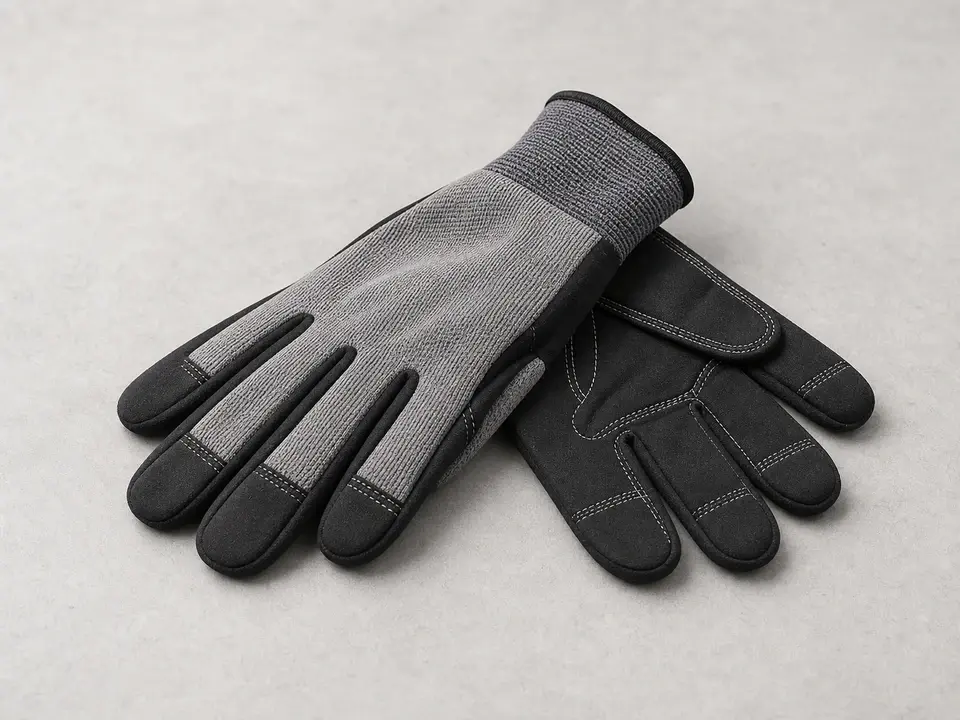
Work gloves
Use it for: Protects your hands from sharp metal edges, grit, and debris inside the basin opening.
Shop work glovesTo replace an exterior catch basin grate, first confirm the grate is the actual problem, then remove the old grate, clean the basin rim and opening, set the new grate so it sits flat and secure, and test drainage with water.
A cracked, missing, rusted, or badly warped grate can let debris into the basin and create a trip hazard. This is usually a straightforward replacement as long as the basin body itself is still solid and the new grate matches the opening.
Before you start: Match the replacement part to your exact exterior drainage before ordering.
Use it for: Protects your hands from sharp metal edges, grit, and debris inside the basin opening.
Shop work gloves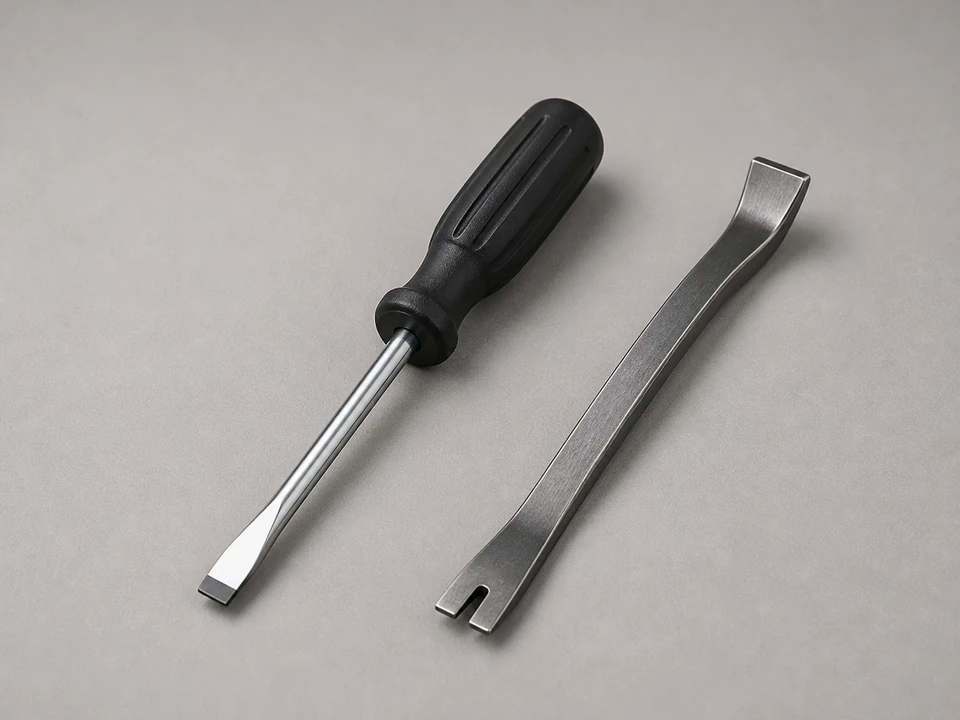
Use it for: Helps lift a stuck grate and scrape packed dirt from the rim.
Shop flat pry tools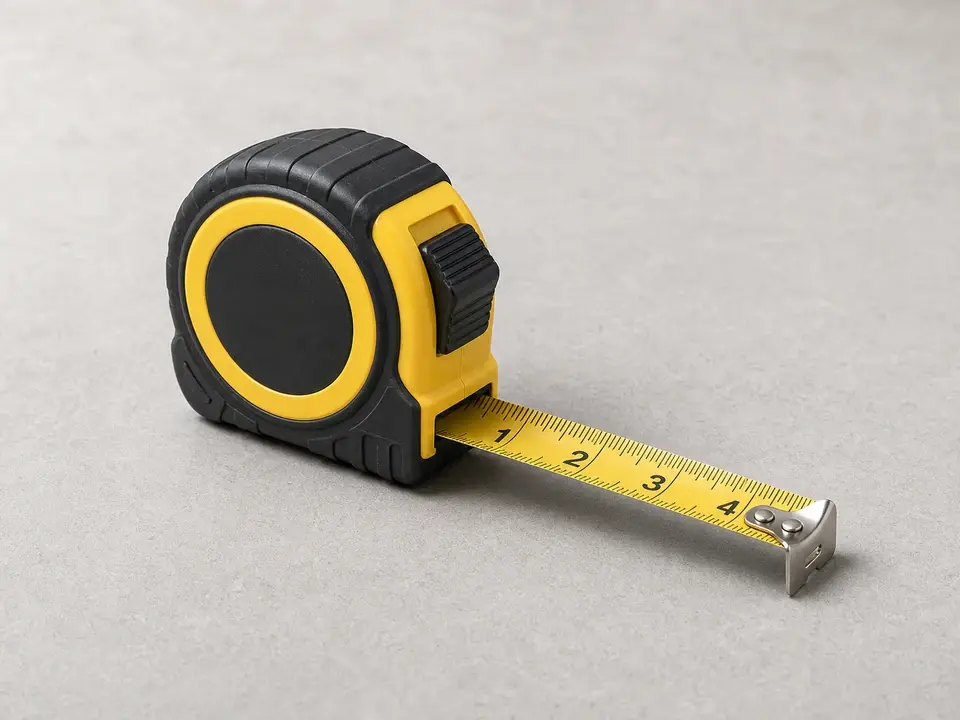
Use it for: Lets you measure the basin opening and old grate so the replacement fits correctly.
Shop tape measures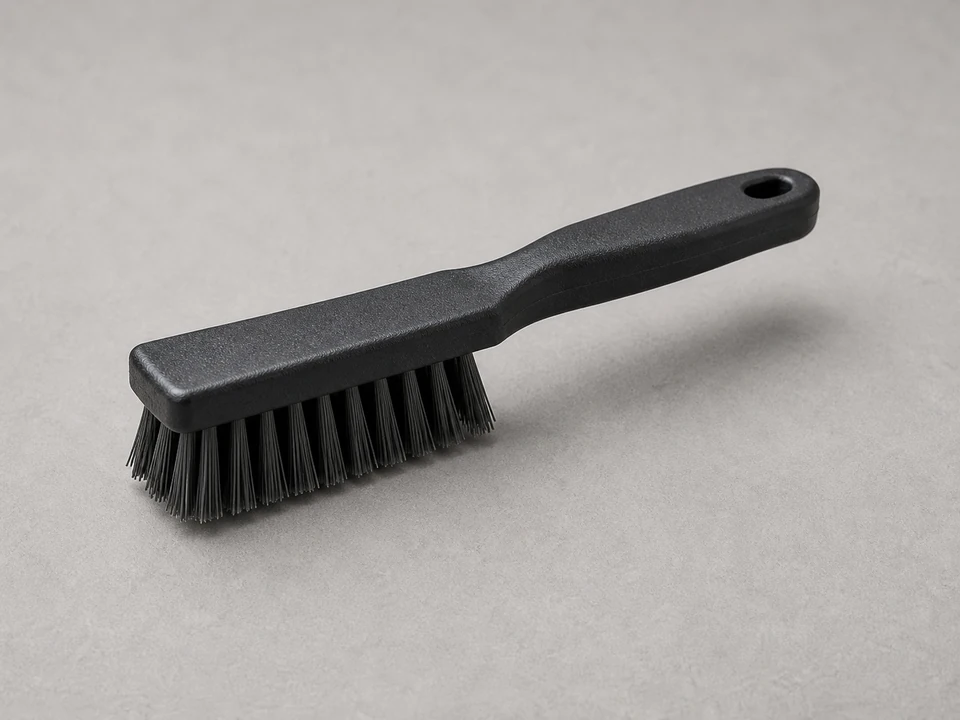
Use it for: Cleans mud, leaves, and grit off the grate seat so the new grate sits flat.
Shop stiff cleaning brushes
Use it for: Gives you a place to collect debris removed from the basin.
Shop cleanup bucketsAs an Amazon Associate I earn from qualifying purchases. Repair Riot may earn a commission at no extra cost to you.
If it works: You have confirmed the grate is damaged or missing, and the basin opening is intact enough for a direct grate replacement.
If it doesn’t: If the grate is intact but water still backs up, clean the basin and downstream drain line before buying parts.
If it works: The old grate is out and the basin opening is fully exposed.
If it doesn’t: If the grate will not come free, keep clearing packed debris around the edges and try lifting from another side.
If it works: The opening and support surface are clean, visible, and ready for the new grate.
If it doesn’t: If the ledge is still uneven from packed mud, keep brushing and scraping until the grate seat is fully exposed.
If it works: The new grate sits flat, centered, and supported around the full opening.
If it doesn’t: If the grate rocks or overhangs, recheck the opening measurements and compare the replacement to the old grate before proceeding.
If it works: The grate feels stable under normal foot traffic and the area around it is clear.
If it doesn’t: If the grate still moves after cleaning and resetting, the fit or basin support is not right and needs to be corrected before use.
If it works: Water flows into the basin normally, the grate stays in place, and the repair holds in real use.
If it doesn’t: If water still ponds around the drain, the problem may be a clogged basin or drain line rather than the grate itself.
Match the replacement part to your exact exterior drainage before ordering.
As an Amazon Associate I earn from qualifying purchases. Repair Riot may earn a commission at no extra cost to you.
Replace the grate if it is cracked, broken, badly rusted, warped, or missing. If the grate is intact and the problem is slow drainage, the basin or drain line likely needs cleaning instead.
Yes, if the basin top and support ledge are still solid and the new grate fits correctly. If the rim is broken or unsupported, replacing only the grate will not be a safe fix.
Measure the opening length and width, and compare the shape and support style to the old grate. A grate that is close but not exact can rock, leave gaps, or fail early.
Usually the seat is still packed with dirt, the replacement is the wrong size, or the basin rim is damaged. Clean the ledge fully first, then recheck fit and support.
Only if the basin and grate are designed for that kind of load. Many yard and patio grates are meant for foot traffic only, so do not assume a replacement grate is safe for vehicles.