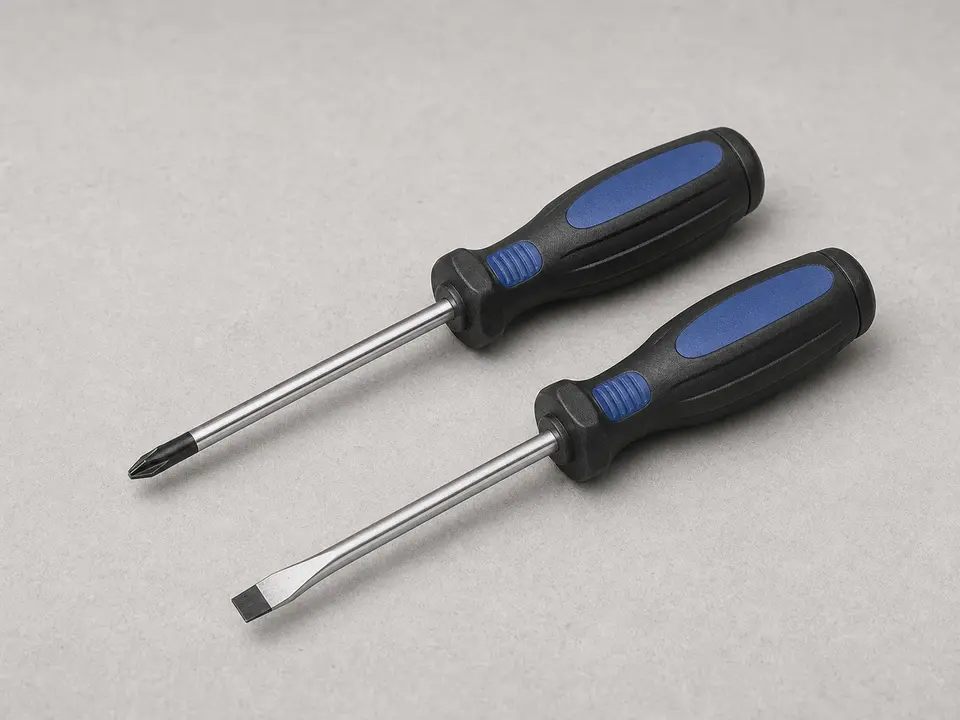
Phillips and flathead screwdriver
Use it for: To remove handle screws, trim pieces, and retaining parts.
Shop faucet repair screwdriversTo replace a faucet cartridge, shut off the water, remove the handle and trim, pull out the old cartridge, install the matching replacement in the same orientation, then turn the water back on and test for smooth operation and leaks.
A worn faucet cartridge is a common cause of dripping, hard handle movement, uneven temperature control, or reduced flow at the faucet. This repair is usually straightforward if you work carefully and keep the parts in order as they come off.
Before you start: Match the cartridge stem shape, length, ports, seal locations, and fixture compatibility before ordering.
Use it for: To remove handle screws, trim pieces, and retaining parts.
Shop faucet repair screwdrivers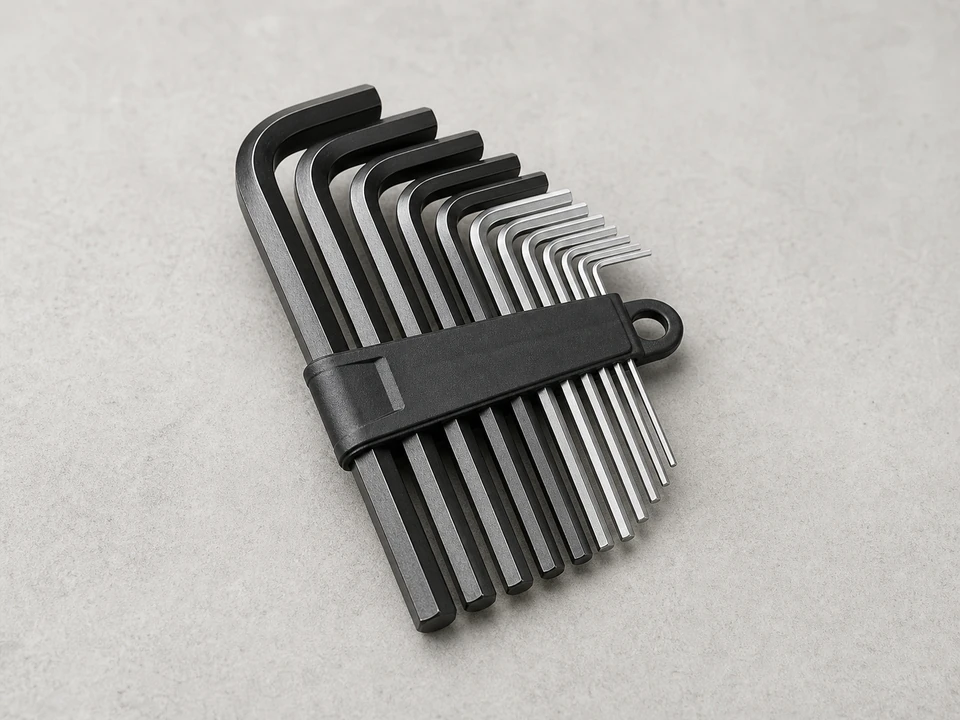
Use it for: Many faucet handles use a small set screw instead of a visible screw cap.
Shop Allen key sets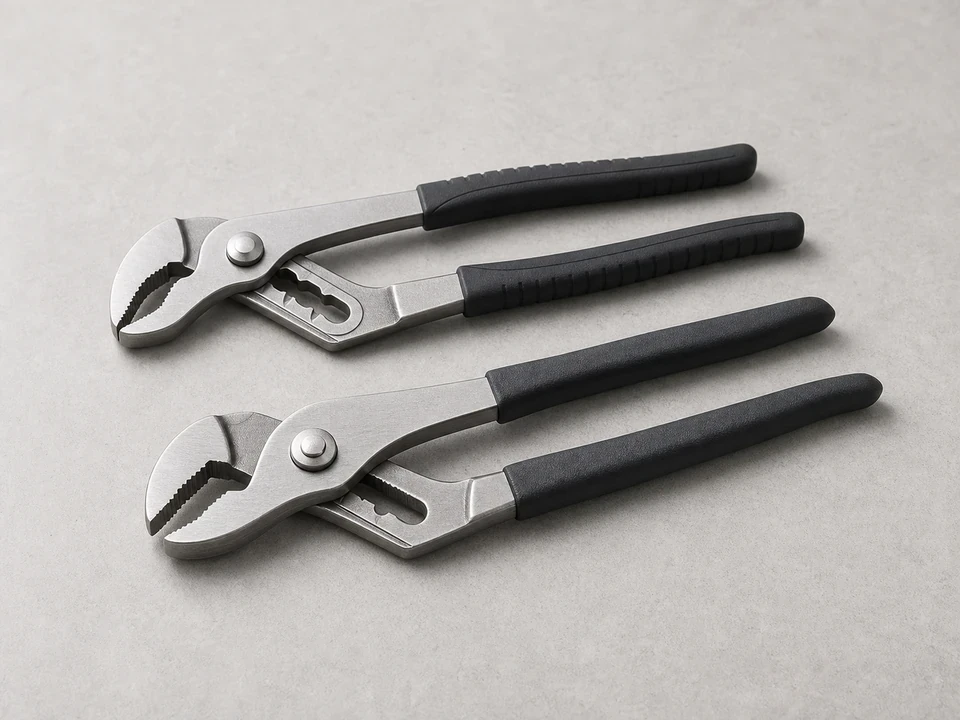
Use it for: To loosen retaining nuts or help pull a stuck cartridge gently.
Shop adjustable pliers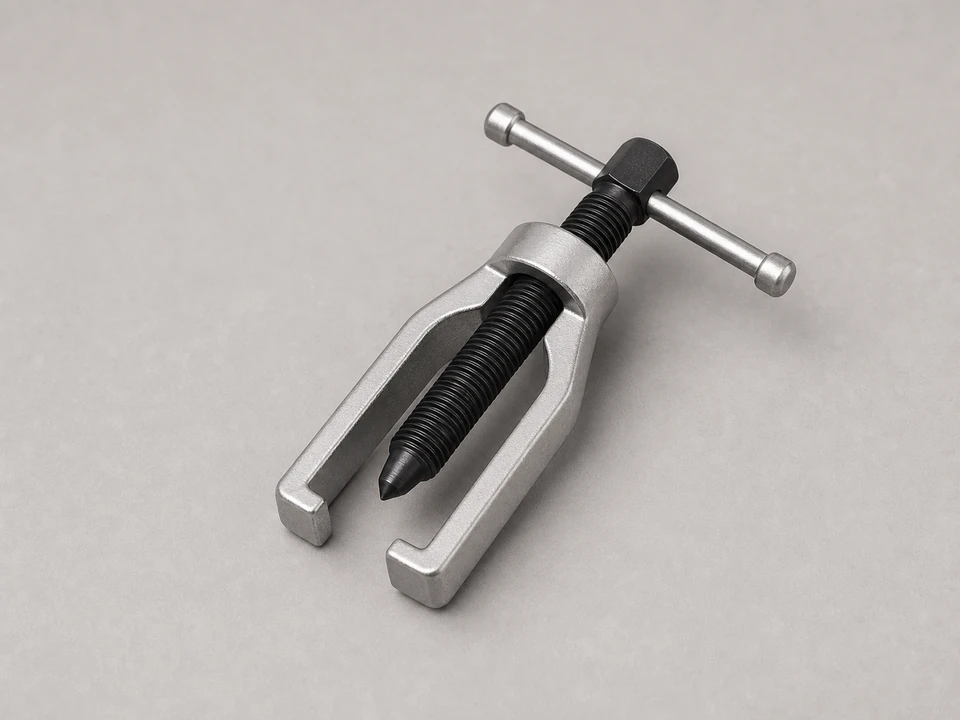
Use it for: Helpful when the old cartridge is seized in the valve body.
Shop cartridge pullers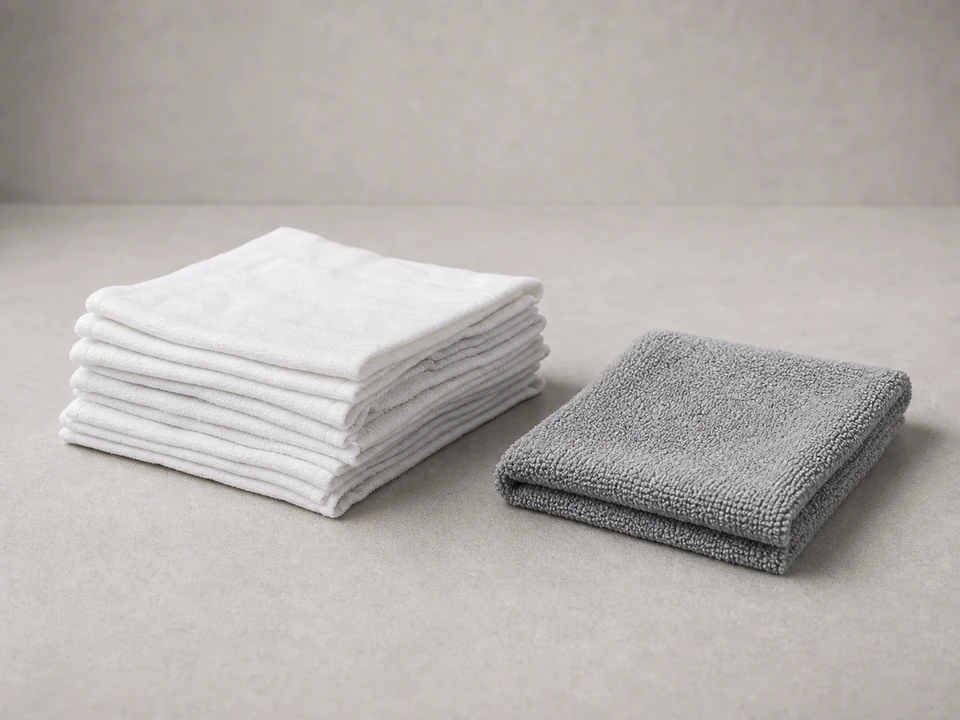
Use it for: To protect finishes, catch drips, and wipe mineral buildup from the valve body.
Shop microfiber cleaning cloths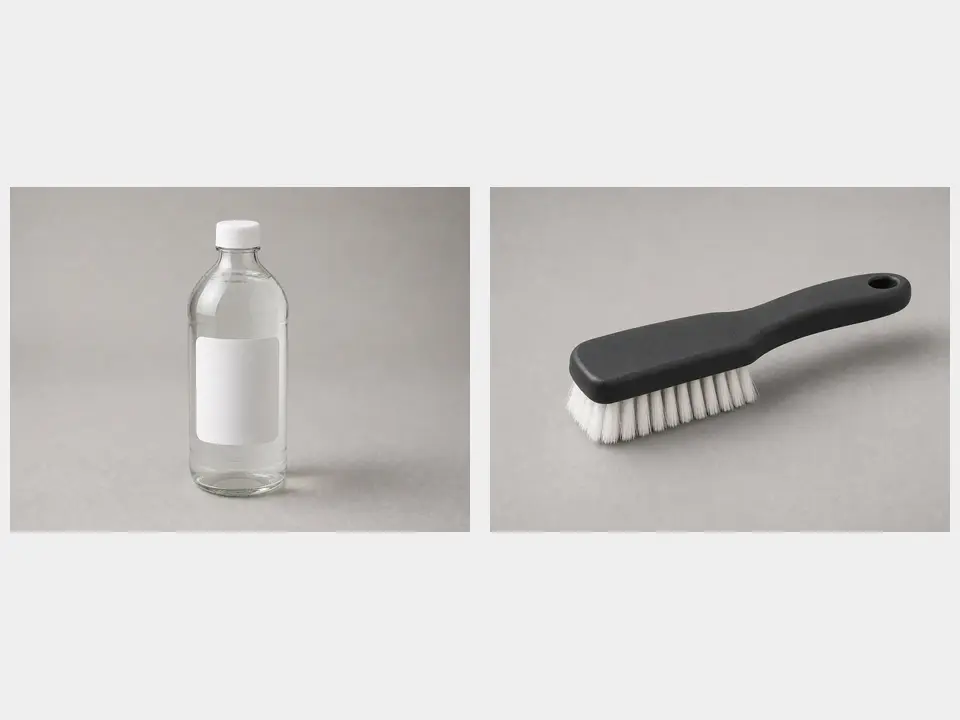
Use it for: To clean scale and debris from the faucet body before installing the new cartridge.
Shop cleaning vinegar and brushesAs an Amazon Associate I earn from qualifying purchases. Repair Riot may earn a commission at no extra cost to you.
If it works: The symptoms point to an internal faucet control problem, and replacing the cartridge is a reasonable next step.
If it doesn’t: If the leak is coming from a supply connection, the spout base, or a cracked faucet body, fix that issue first instead of replacing the cartridge.
If it doesn’t: If the cartridge does not seat fully, remove it and check orientation, debris in the valve body, or a mismatch between old and new parts.
If it works: The faucet turns on and off normally, flow is steady, and there are no leaks or drips during normal use.
If it doesn’t: If the faucet still drips or the handle does not control water correctly, remove the handle again and confirm the cartridge is the correct part and installed in the right orientation.
Match the cartridge stem shape, length, ports, seal locations, and fixture compatibility before ordering.
As an Amazon Associate I earn from qualifying purchases. Repair Riot may earn a commission at no extra cost to you.
A bad cartridge often causes dripping from the spout, a stiff or sloppy handle, poor temperature control, or low flow that is not caused by a clogged aerator. If the leak is coming from a supply line or the faucet body is cracked, the cartridge is probably not the main problem.
Usually no. Most faucets have shutoff valves under the sink. If those valves do not close fully or start leaking when turned, you may need to shut off water to that fixture or the whole house before continuing.
Mineral buildup often locks cartridges in place. Remove the retaining hardware first, then use gentle rocking motion or a cartridge puller. Avoid twisting so hard that the faucet body moves or cracks.
No. The replacement needs to match the old cartridge closely in shape, length, ports, seal locations, and how it locks into the faucet. A close-looking part that does not seat correctly can cause leaks or poor operation.
The new cartridge may be the wrong match, installed in the wrong orientation, or blocked from seating by debris in the valve body. If the cartridge is correct and fully seated, the faucet body itself may be worn or damaged.