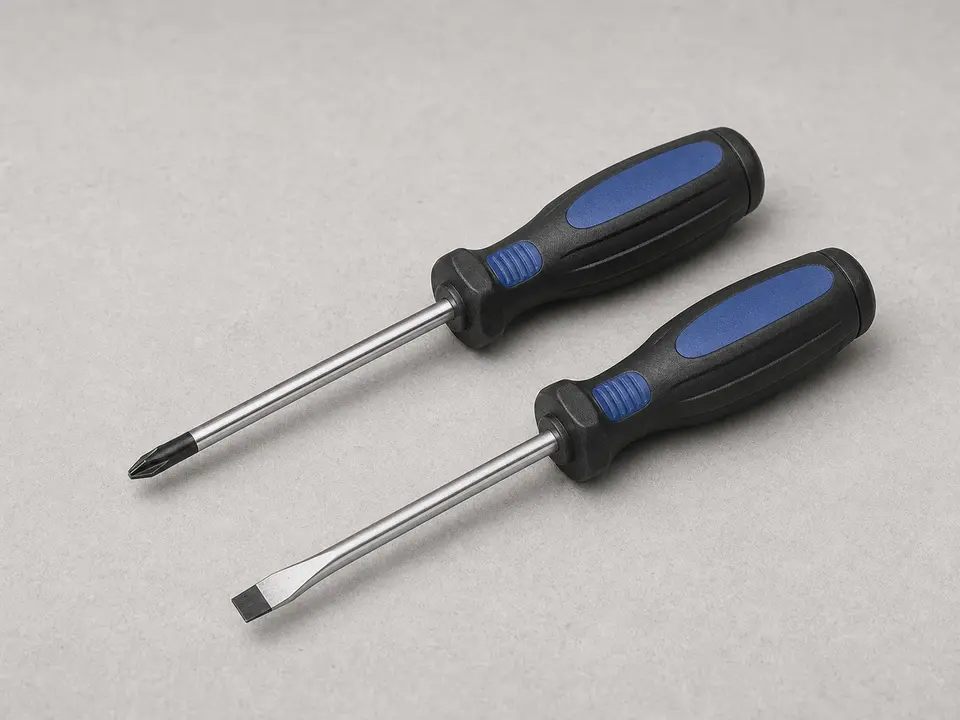
Phillips and flathead screwdriver
Use it for: To remove the handle screw, trim plate screws, and any retaining clips or caps.
Shop screwdrivers for faucet repairIf your tub faucet drips, loses hot or cold control, or gets stiff to turn, replacing the bathtub faucet cartridge is often the right fix.
This repair is usually straightforward once the water is off and the handle is apart. The main job is getting the old cartridge out without damaging the valve body, then installing the new one in the same orientation.
Before you start: Match the cartridge stem shape, length, ports, seal locations, and fixture compatibility before ordering.
Use it for: To remove the handle screw, trim plate screws, and any retaining clips or caps.
Shop screwdrivers for faucet repair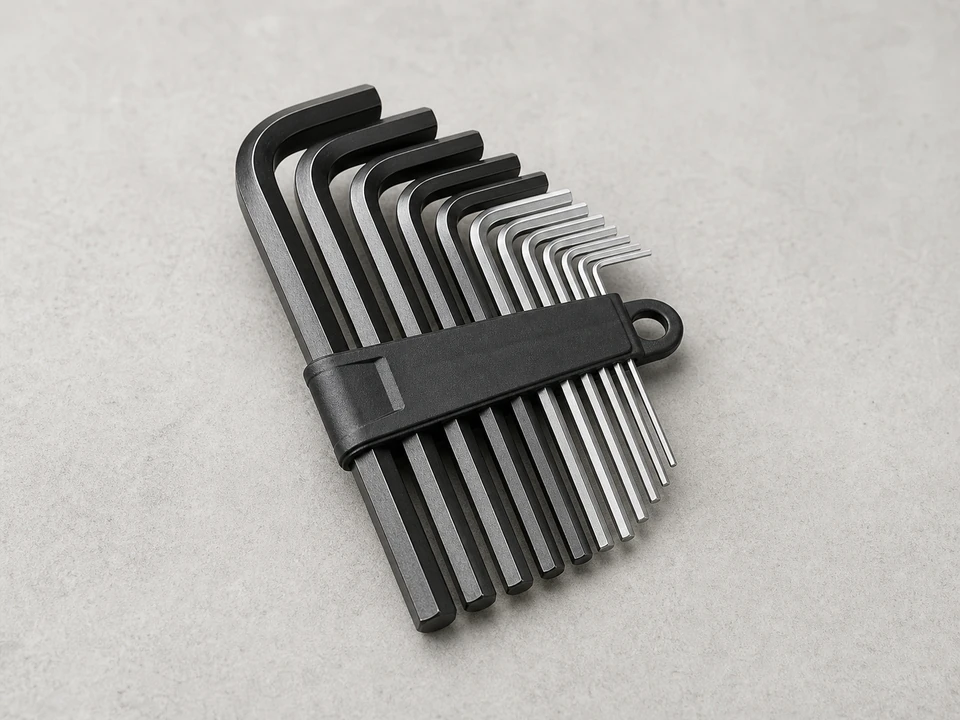
Use it for: Many tub handles use a small set screw instead of a visible face screw.
Shop Allen key sets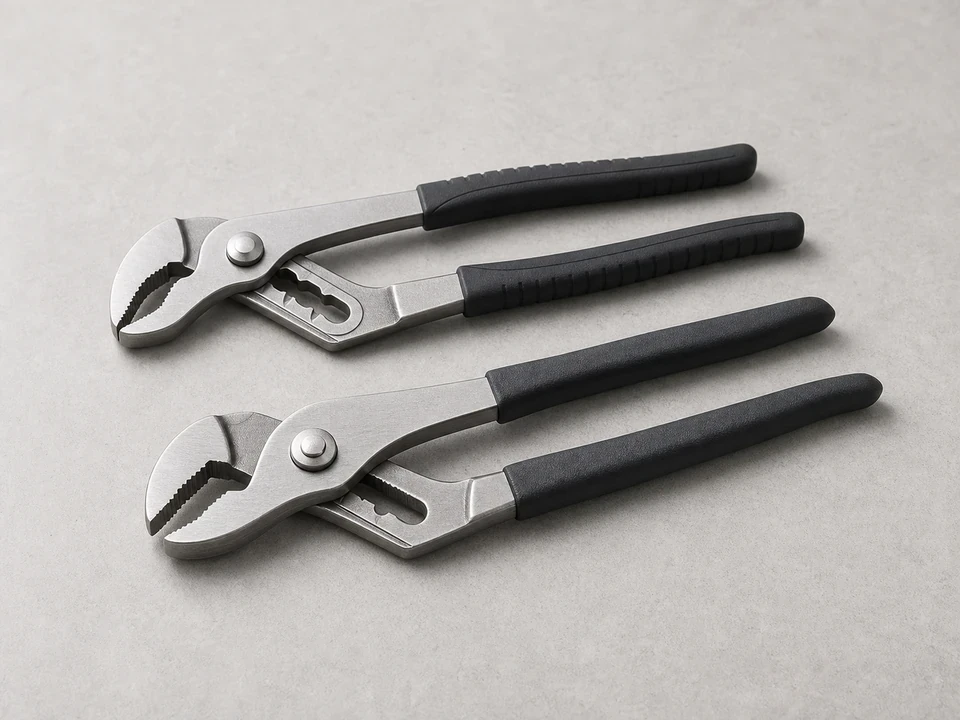
Use it for: To loosen a retaining nut or help pull a stuck cartridge carefully.
Shop adjustable pliers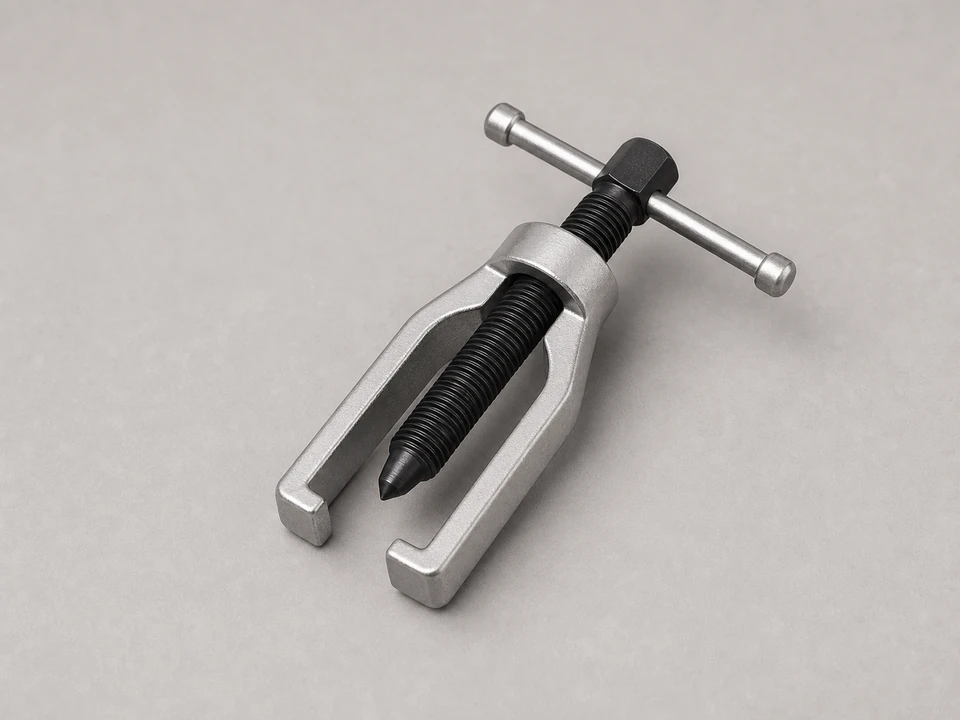
Use it for: Helpful when the old cartridge is seized in the valve body and will not come out by hand.
Shop faucet cartridge pullers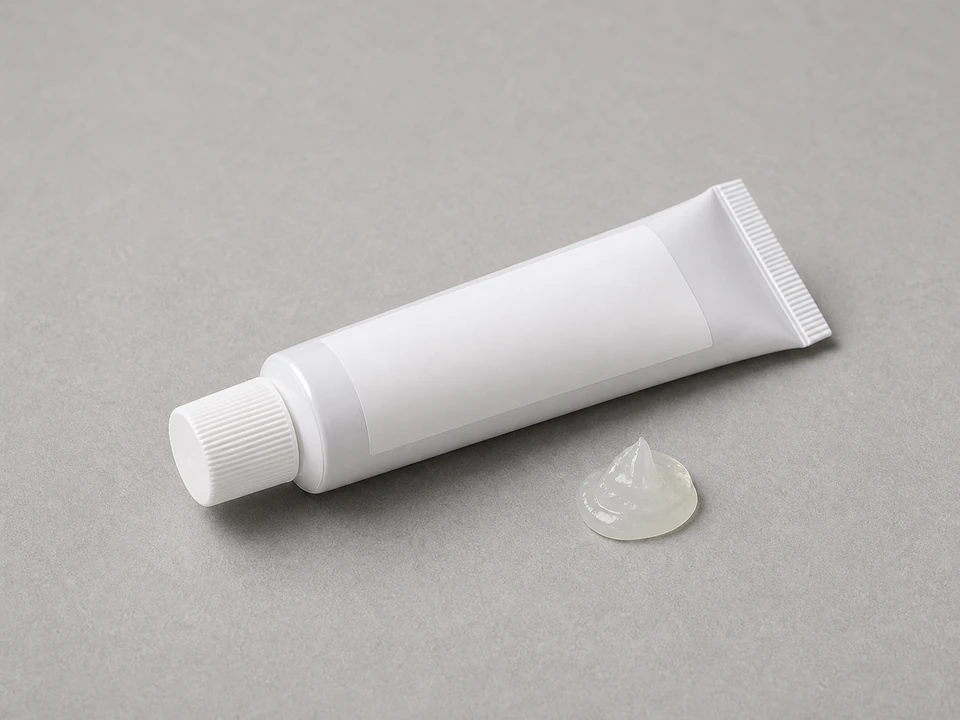
Use it for: To lightly lubricate seals so the new cartridge slides in without tearing.
Shop silicone plumber's grease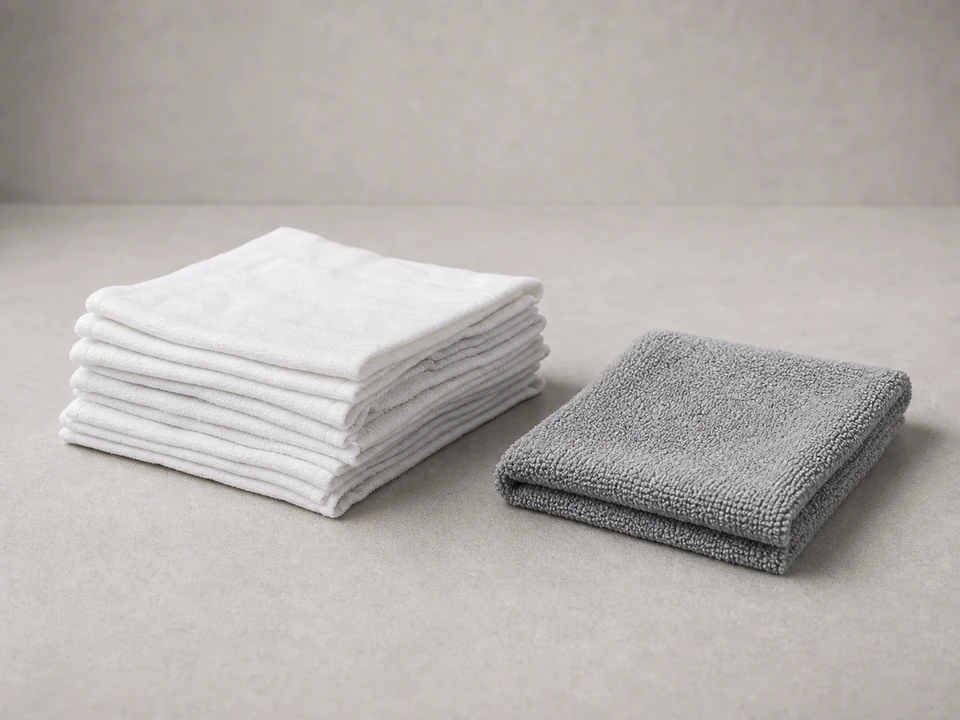
Use it for: To protect the tub finish and catch small screws and clips.
Shop shop towelsAs an Amazon Associate I earn from qualifying purchases. Repair Riot may earn a commission at no extra cost to you.
If it works: The symptoms match a worn or sticking bathtub faucet cartridge, and the leak or control problem appears to be at the valve, not from hidden piping.
If it doesn’t: If the only issue is a loose handle, tighten or replace the handle hardware first. If water is coming from behind the wall or the valve body looks damaged, plan for a larger plumbing repair.
If it works: The faucet no longer has pressure, and the work area is protected.
If it doesn’t: If water keeps running after the shutoff, the supply is not fully isolated. Find the correct shutoff before taking the valve apart.
If it works: The handle and trim are off, and you can clearly see the cartridge retainer, clip, or retaining nut.
If it doesn’t: If the handle is seized, apply steady back-and-forth pressure and try again. A handle puller may help if corrosion has locked it in place.
If it works: The old cartridge is out, and the new cartridge matches it closely enough to install in the same valve.
If it doesn’t: If the cartridge will not come out, use a proper puller rather than forcing the valve body. If the replacement does not match, stop and get the correct part.
If it works: The new cartridge is fully seated, the retainer is secure, and the handle turns through its normal range.
If it doesn’t: If the cartridge will not seat fully, remove it and recheck orientation, debris in the valve body, and whether the replacement truly matches the old part.
If it works: The faucet turns smoothly, hot and cold control is back, and the spout stays dry when the faucet is off.
If it doesn’t: If the faucet still drips or the temperature is reversed or limited, remove the handle and confirm the cartridge orientation and fit. If leakage is coming from behind the wall or around the valve body, the problem is beyond the cartridge.
Match the cartridge stem shape, length, ports, seal locations, and fixture compatibility before ordering.
As an Amazon Associate I earn from qualifying purchases. Repair Riot may earn a commission at no extra cost to you.
Common signs are a tub spout that keeps dripping, missing hot or cold water, poor temperature control, or a handle that is hard to turn. If water is leaking from behind the wall, the problem may be the valve body or piping instead.
Usually yes for a tub valve unless your setup has local shutoffs for that fixture. The faucet must be fully depressurized before you remove the cartridge.
Mineral buildup can lock it in place. Remove the retainer first, then use steady pulling force or a cartridge puller. Avoid twisting so hard that the valve body moves in the wall.
No. Install the new cartridge with its own seals in place. Reusing worn seals can cause leaks or make the handle bind.
The new cartridge may be the wrong match, installed in the wrong orientation, or not fully seated. Debris inside the valve body can also keep the seals from closing properly. If the valve body is worn or damaged, a cartridge alone may not solve it.