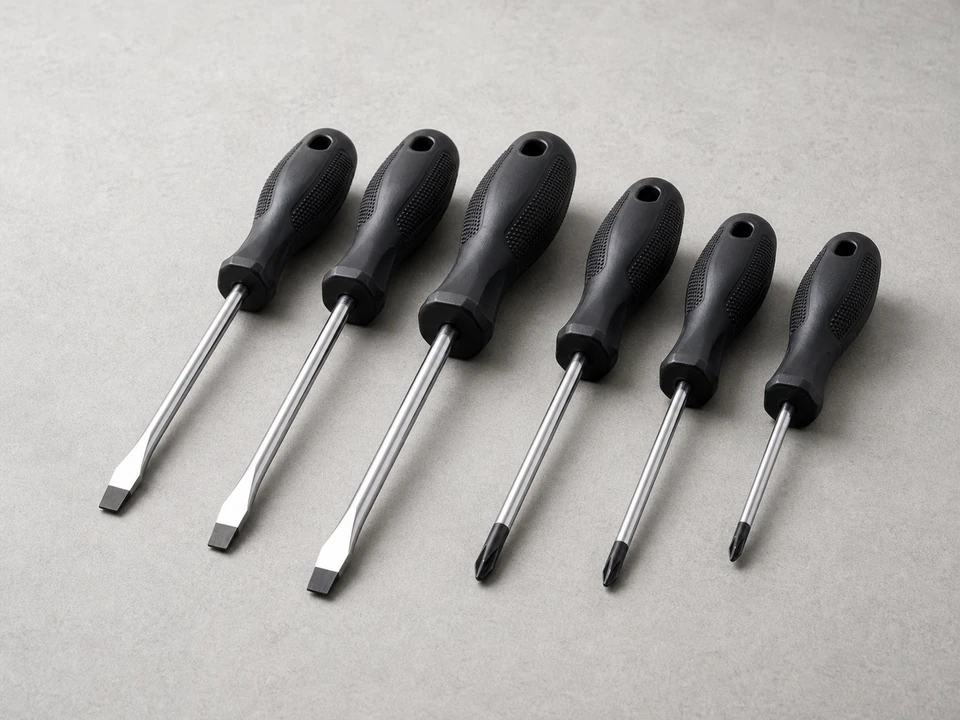
Screwdriver set
Use it for: Removes the handle screw, trim plate screws, and any retaining hardware.
Shop screwdriver setsTo replace a bathtub shower cartridge, shut off the water, remove the handle and trim, pull out the old cartridge, install the matching new one in the same orientation, then restore water and test for smooth operation, stable temperature, and no leaks.
A worn cartridge is a common root cause of dripping from the tub spout or showerhead, a stiff handle, or water that swings hot and cold. This repair is usually manageable for a careful homeowner if the shutoff works and the old cartridge comes out without damaging the valve body.
Before you start: Match the cartridge stem shape, length, ports, seal locations, and fixture compatibility before ordering.
Use it for: Removes the handle screw, trim plate screws, and any retaining hardware.
Shop screwdriver sets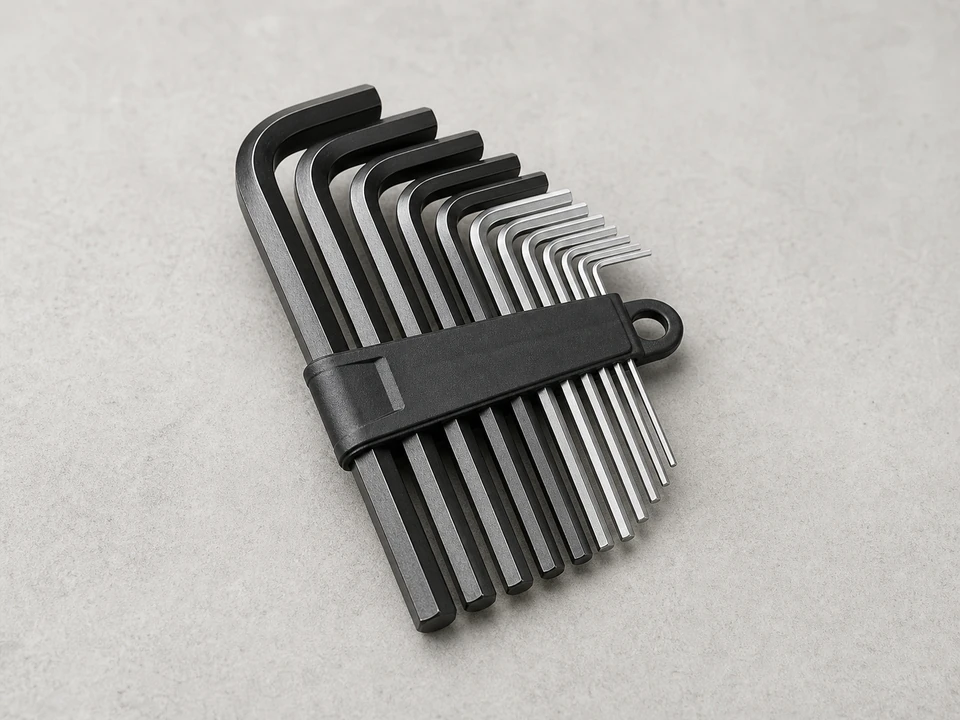
Use it for: Many faucet handles use a small set screw instead of a visible face screw.
Shop Allen key sets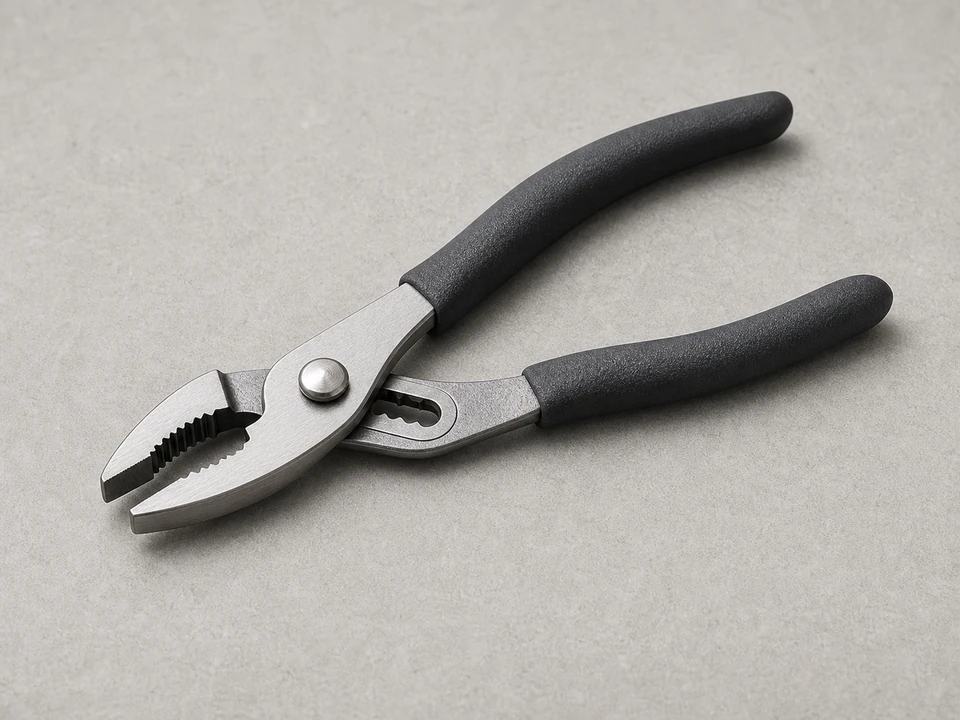
Use it for: Helps remove retaining clips, nuts, or stubborn trim pieces without a lot of force.
Shop slip-joint pliers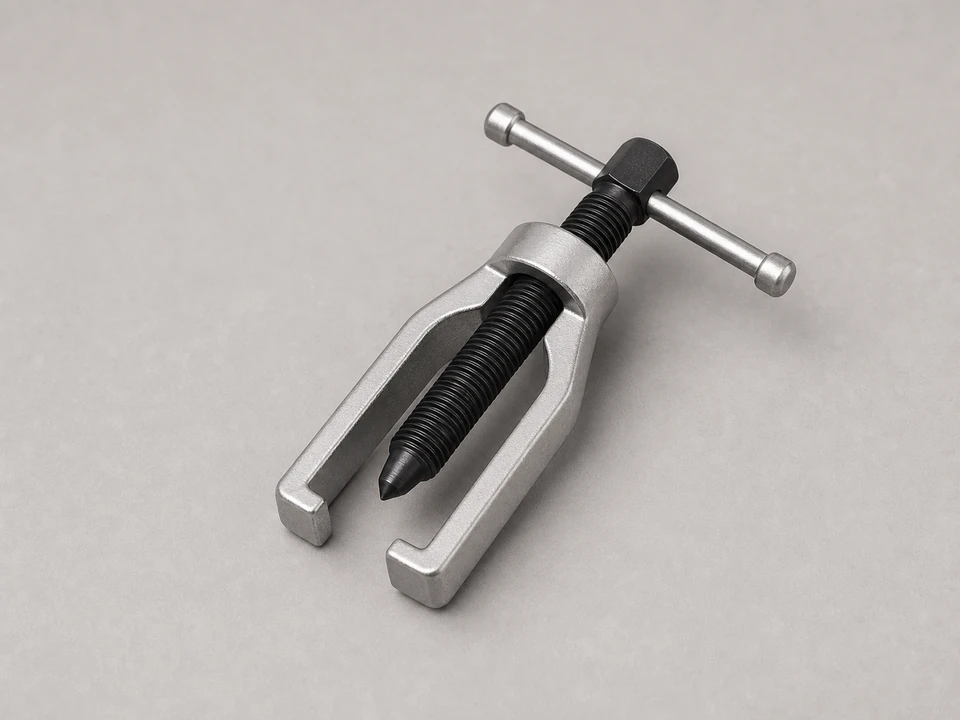
Use it for: Pulls a stuck cartridge straight out with less risk of twisting or damaging the valve body.
Shop cartridge pullers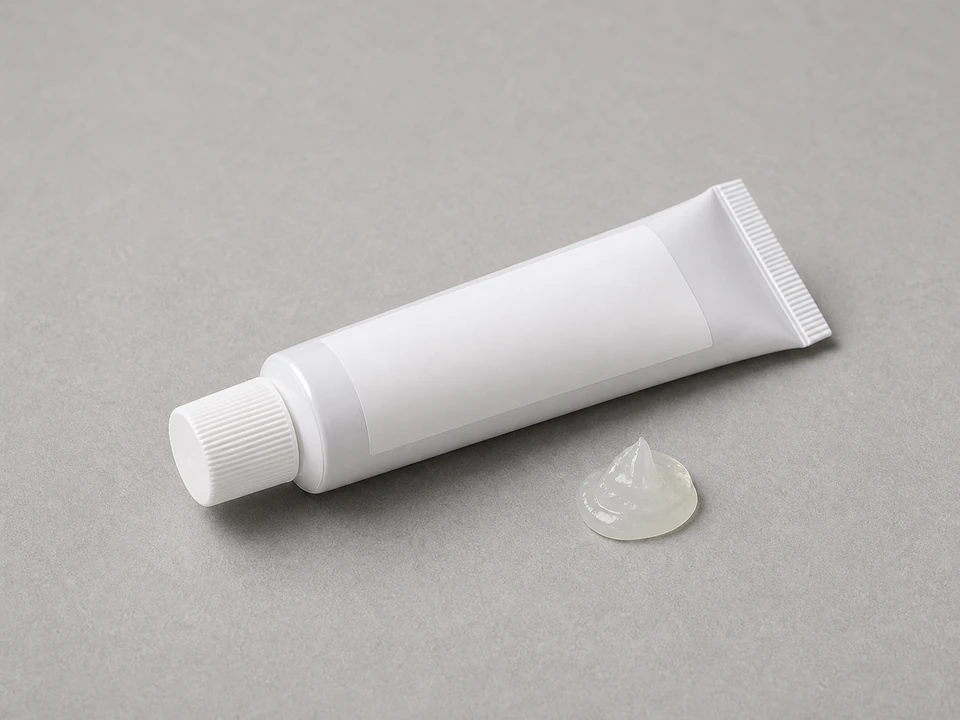
Use it for: Lightly lubricates seals so the new cartridge slides in cleanly without tearing.
Shop silicone plumber's grease
Use it for: Catches leftover water and protects the tub finish while you work.
Shop towels and bucketsAs an Amazon Associate I earn from qualifying purchases. Repair Riot may earn a commission at no extra cost to you.
If it works: The symptoms fit a worn or sticking bathtub shower cartridge, and replacing it is a reasonable next step.
If it doesn’t: If water is leaking from the shower arm, tub spout connection, or behind the wall, diagnose those leak points first because the cartridge may not be the main issue.
If it works: The water is off, pressure is relieved, and the cartridge area is exposed.
If it doesn’t: If the handle is stuck, use gentle back-and-forth pressure and penetrating time rather than prying hard against the wall or trim.
If it works: The old cartridge is out and the valve opening is clean enough for the replacement.
If it doesn’t: If the cartridge breaks during removal, remove the remaining pieces carefully and bring the old parts to a plumbing supplier to confirm the replacement before continuing.
If it works: The new cartridge is seated correctly and the handle and trim are back in place.
If it doesn’t: If the cartridge will not seat fully, remove it and recheck orientation, debris in the valve body, and whether the replacement truly matches the old part.
If it works: The faucet turns smoothly, shuts off properly, and shows no visible leaks during operation.
If it doesn’t: If the handle works but there is still a small drip, shut the water back off and confirm the cartridge is fully seated and retained in the correct orientation.
If it works: The bathtub shower cartridge replacement solved the original problem and the valve stays dry and predictable in normal use.
If it doesn’t: If the symptom returns quickly, the valve body may be worn or another plumbing issue may be affecting pressure or temperature, so a plumber should inspect the assembly.
Match the cartridge stem shape, length, ports, seal locations, and fixture compatibility before ordering.
As an Amazon Associate I earn from qualifying purchases. Repair Riot may earn a commission at no extra cost to you.
Common signs are a faucet that drips when off, a handle that sticks or feels rough, or water temperature that changes unpredictably even when you are not moving the handle. Those symptoms often point to worn internal seals or a sticking cartridge.
Yes. The replacement needs to match the old cartridge's shape, length, ports, and seal locations. A cartridge that looks close but is not the same can leak, bind, or fail to control temperature correctly.
Try removing the retainer first, then use a cartridge puller to pull it straight out. Avoid twisting hard on the valve body with large pliers because that can damage the valve or piping inside the wall.
A light coat of silicone plumber's grease on the seals is usually helpful unless the new part is already lubricated or the instructions say otherwise. Do not use petroleum grease because it can damage rubber seals.
The new cartridge may not be fully seated, may be installed in the wrong orientation, or may be the wrong replacement. If those are correct, the valve body itself may be worn or damaged.