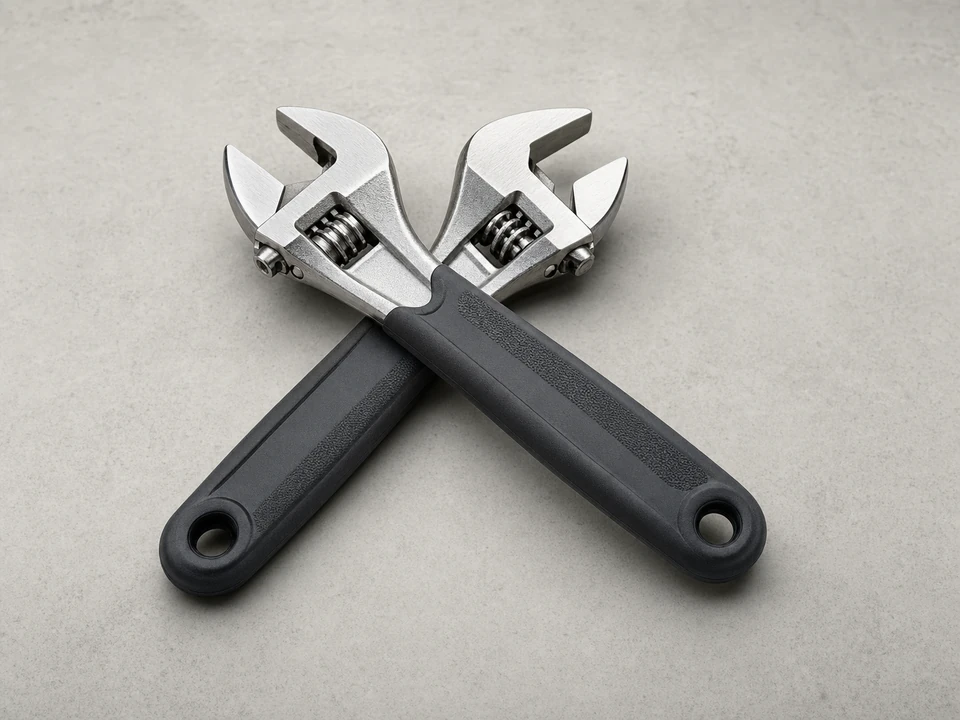
Adjustable wrench
Use it for: To loosen and tighten the supply line nuts at the shutoff valve and faucet.
Shop adjustable wrenchesTo replace a faucet cold supply line, shut off the cold water, relieve pressure, remove the old line from the shutoff valve and faucet, install a matching new line without twisting it, then turn the water back on and check closely for leaks.
This is a good DIY repair when the cold line is leaking, kinked, corroded, or blocked and the shutoff valve and faucet body are still in good shape. The main job is matching the new line correctly and tightening the connections enough to seal without damaging them.
Before you start: Match the line length, both end sizes, and the faucet connection style before ordering. Bring the old line with you if you are unsure.
Use it for: To loosen and tighten the supply line nuts at the shutoff valve and faucet.
Shop adjustable wrenches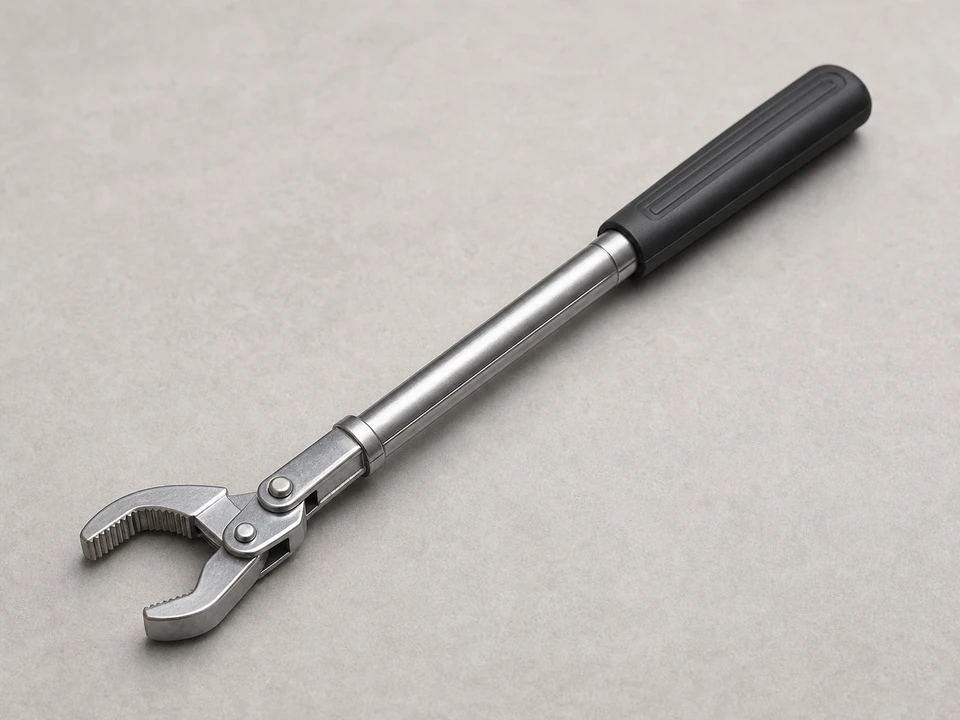
Use it for: Helpful if the faucet connection is tucked up behind the sink where a regular wrench will not fit well.
Shop basin wrenches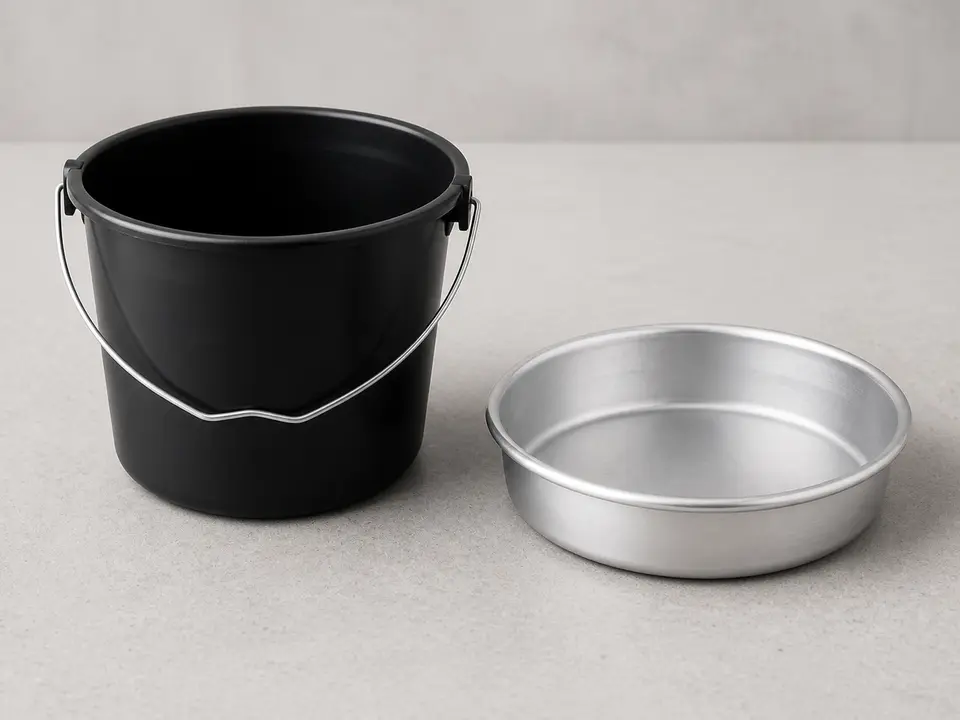
Use it for: To catch the water left in the line when you disconnect it.
Find a drip pan or bucket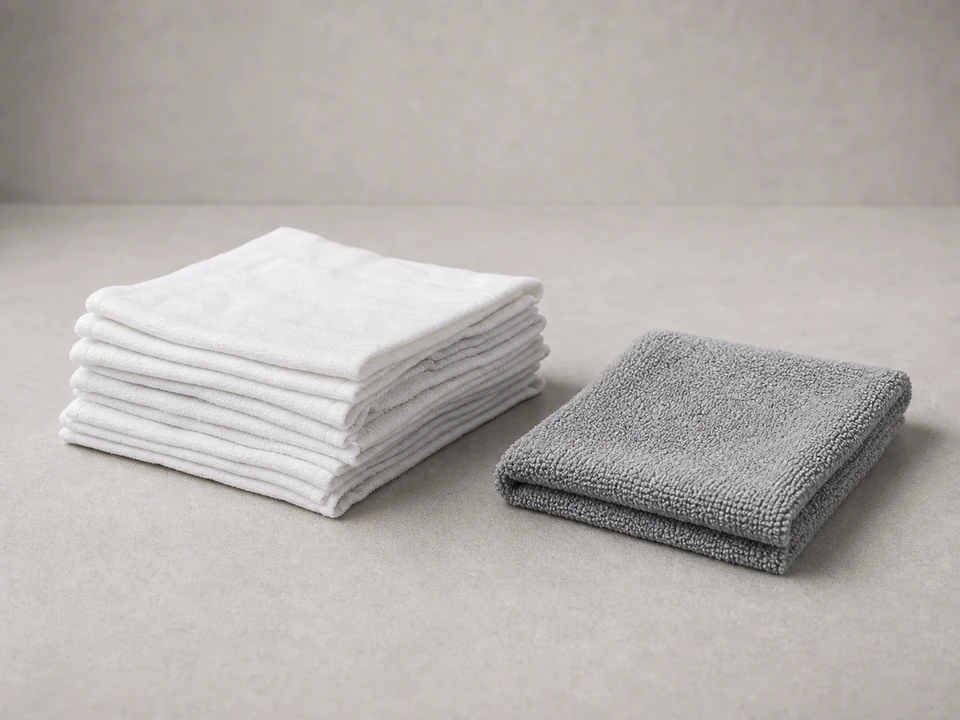
Use it for: To protect the cabinet floor and wipe fittings dry during leak checks.
Shop absorbent shop towels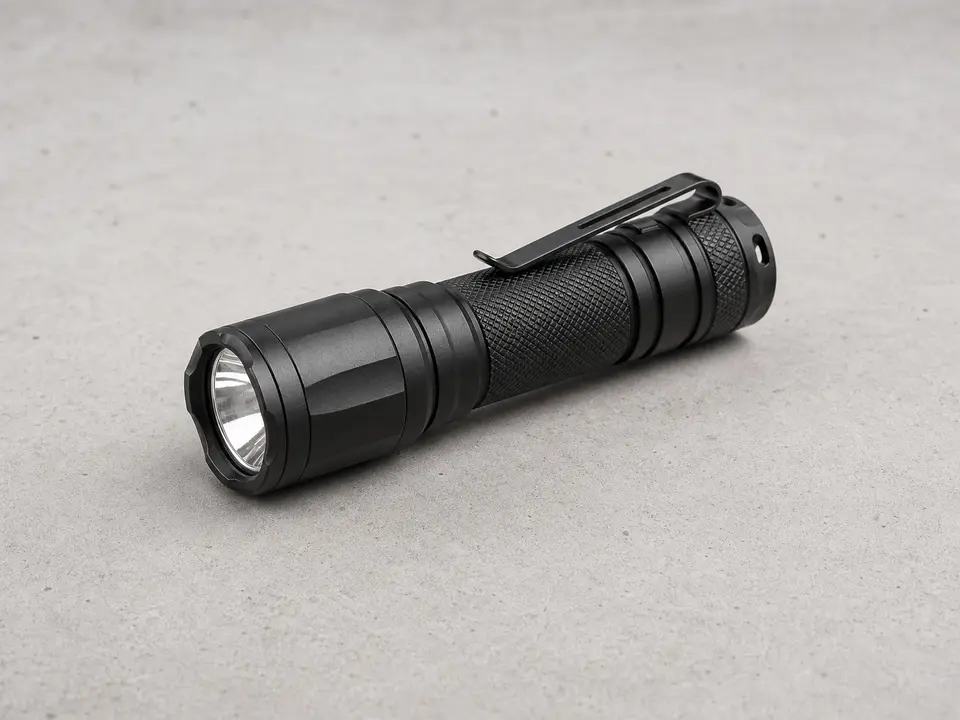
Use it for: To see the shutoff valve, faucet connection, and any slow drips under the sink.
Shop LED flashlightsAs an Amazon Associate I earn from qualifying purchases. Repair Riot may earn a commission at no extra cost to you.
If it works: You have identified the cold supply line as the failed part or the most likely cause of the problem.
If it doesn’t: If the shutoff valve is leaking from its stem or body, or the faucet is leaking above the sink, fix that part instead before replacing the line.
If it works: The cold line is depressurized and the work area is ready for a controlled removal.
If it doesn’t: If water keeps flowing strongly from the cold side, the shutoff valve is not holding and needs attention before you continue.
If it works: The old cold supply line is out and you can clearly compare it to the replacement.
If it doesn’t: If a nut is stuck, apply steady pressure and improve your tool angle rather than forcing the valve or faucet to twist.
If it works: The new cold supply line is installed squarely and routed cleanly.
If it doesn’t: If the nuts will not thread on smoothly by hand, back them off and recheck the fit before tightening again.
If it works: The line stays dry under pressure and during normal faucet use.
If it doesn’t: If a connection still drips after a careful small retightening, shut the valve back off and recheck the fit, thread alignment, and whether you bought the correct line.
If it works: Cold water flow is normal and the cabinet stays dry, confirming the replacement solved the problem.
If it doesn’t: If cold flow is still weak or missing with a dry new line, the restriction may be in the shutoff valve, faucet inlet, or faucet cartridge instead of the supply line.
Match the line length, both end sizes, and the faucet connection style before ordering. Bring the old line with you if you are unsure.
As an Amazon Associate I earn from qualifying purchases. Repair Riot may earn a commission at no extra cost to you.
Usually no on the supply line nuts themselves. Most faucet supply line connections seal at a washer or built-in gasket, not on the threads. Match the replacement correctly and tighten it properly instead of adding tape unless the fitting specifically calls for it.
On most faucets, the cold shutoff is on the right side when you are facing the sink. If you are unsure, turn on the faucet and close one shutoff valve at a time to confirm which line feeds the cold side.
Yes, if only the cold line is leaking, kinked, or blocked and the hot line is still in good condition. If both lines are the same age and show wear, many homeowners replace both while access is open.
A little extra length is usually fine if the line can make a smooth loop without kinking or rubbing sharply. Do not use a line that is too short or one that has to be bent hard to fit.
If the new line is dry and installed correctly, the problem may be elsewhere, such as a clogged shutoff valve, debris at the faucet inlet, or a faucet cartridge issue. The line may not have been the root cause.