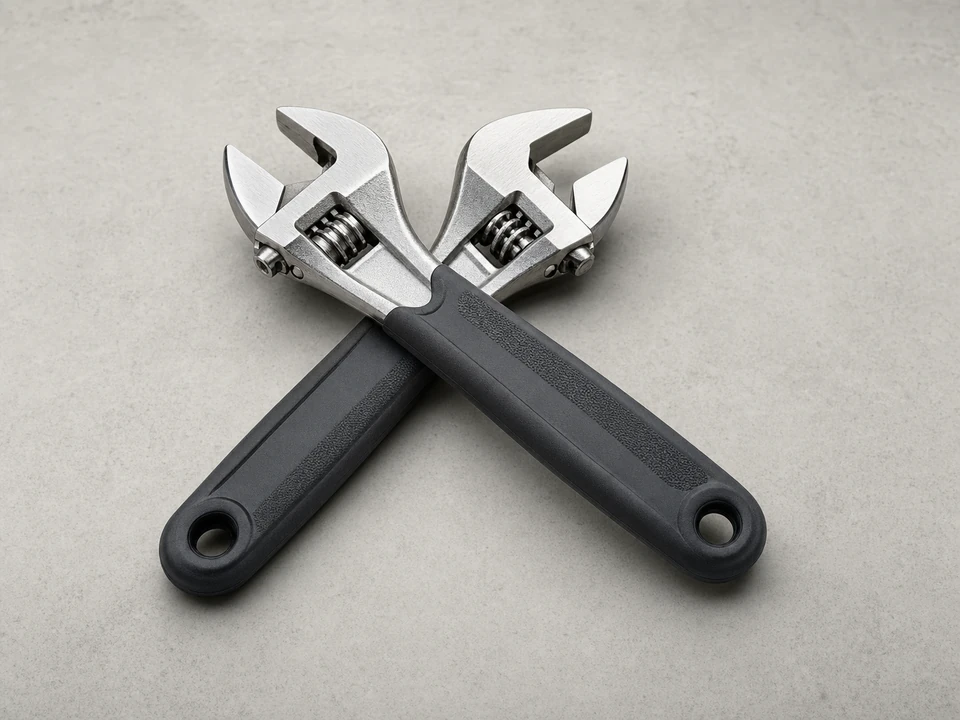
Adjustable wrench
Use it for: To loosen and tighten the hose connections at the shutoff valve and faucet.
Shop adjustable wrenchesIf the faucet has weak hot-water flow, no hot water at the spout, or the hot hose is kinked, clogged, or leaking, replacing the faucet hot supply hose is a practical fix.
This is a moderate plumbing repair because you will be working under the sink around water connections. Take a minute to confirm the hot side hose is the problem, then swap it carefully and test for leaks before putting everything back.
Before you start: Match the replacement part to your exact faucet before ordering.
Use it for: To loosen and tighten the hose connections at the shutoff valve and faucet.
Shop adjustable wrenches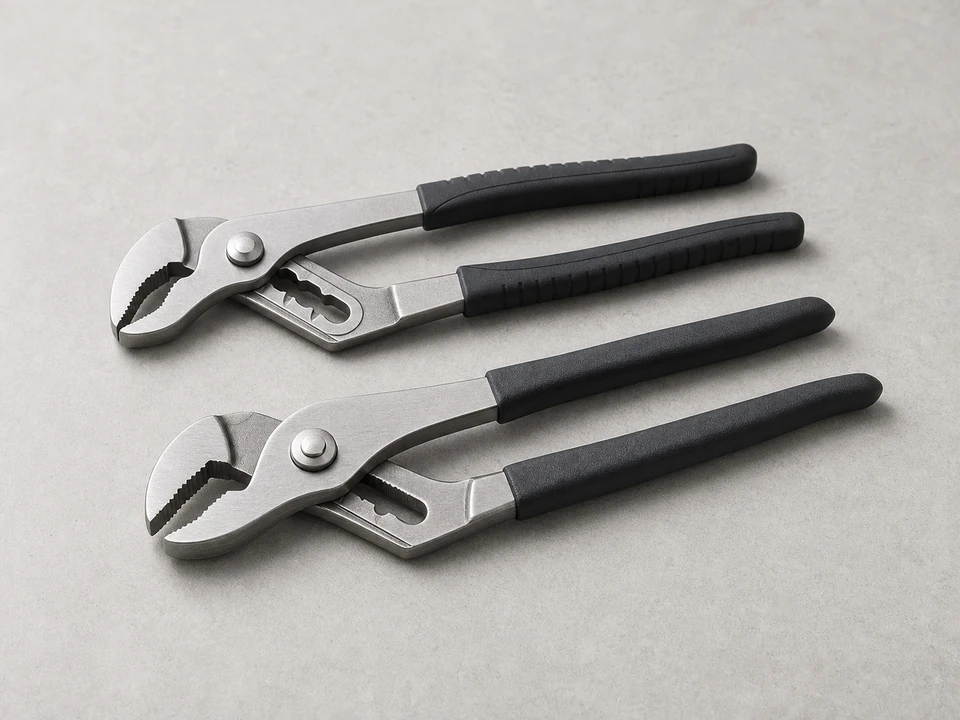
Use it for: Helpful for holding a fitting steady while you loosen the hose nut.
Shop tongue and groove pliers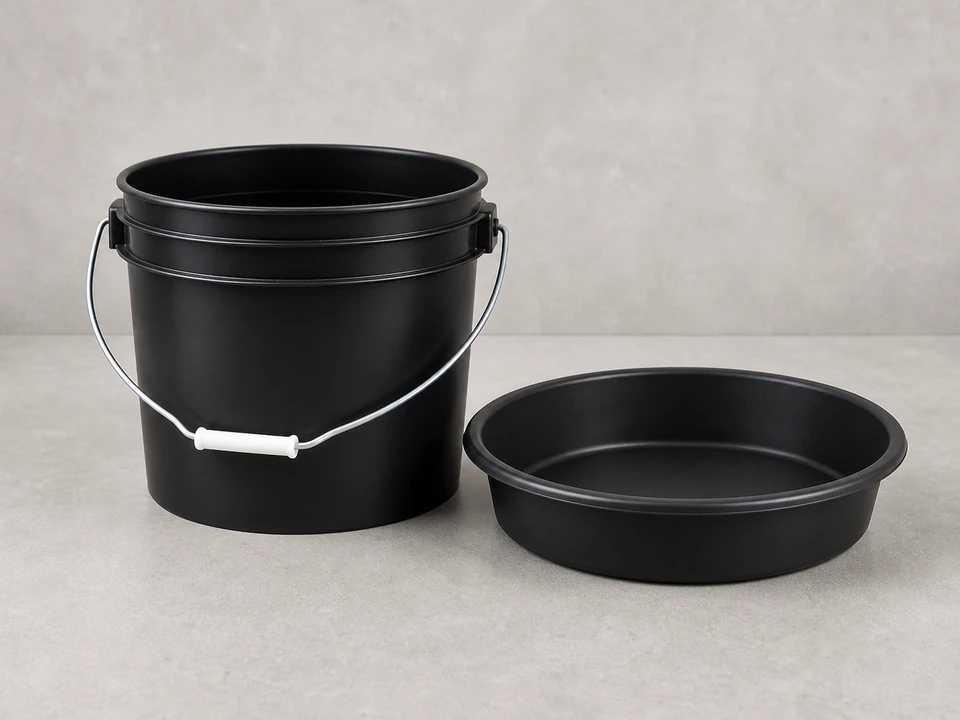
Use it for: To catch the water left in the line when the hose comes off.
Find a drain pan or bucket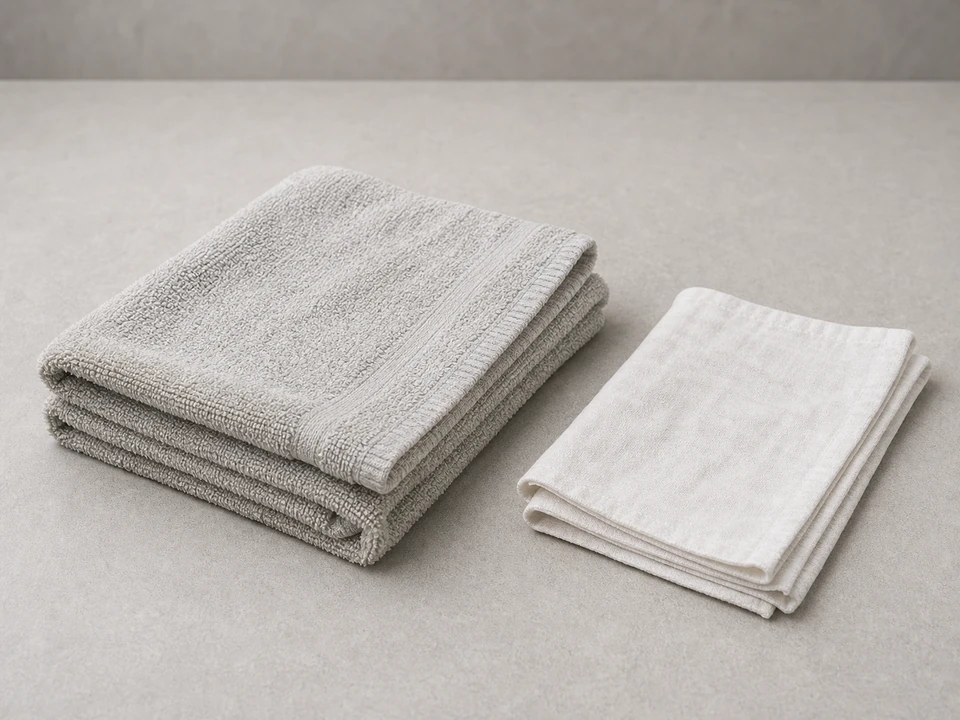
Use it for: To protect the cabinet floor and wipe up drips.
Shop absorbent shop towels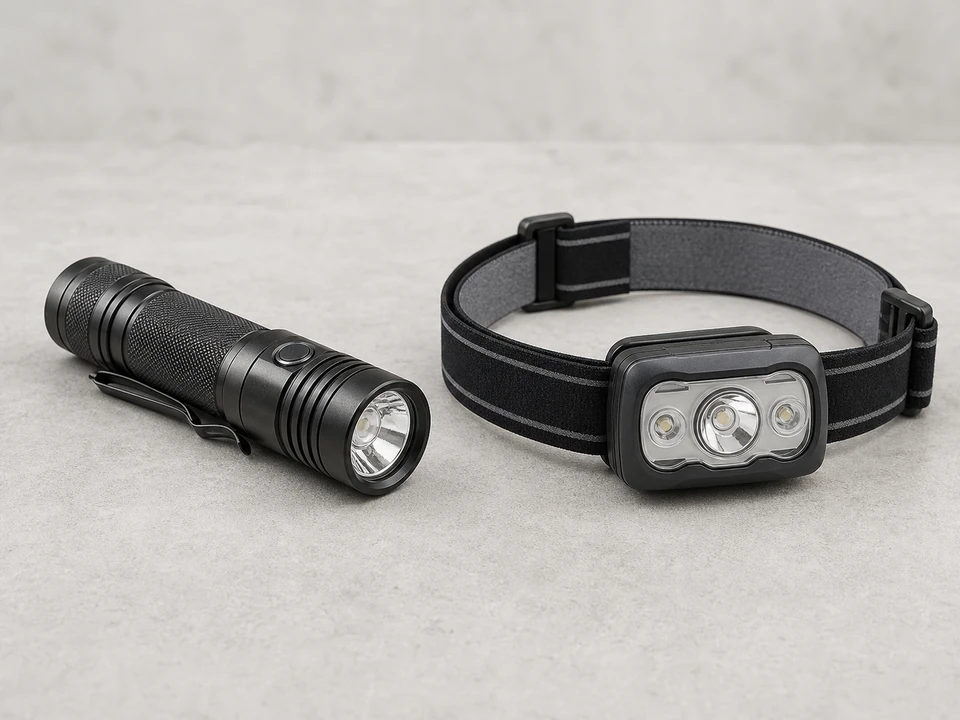
Use it for: To see the hose routing and connection points under the sink.
Find a headlamp for repairsAs an Amazon Associate I earn from qualifying purchases. Repair Riot may earn a commission at no extra cost to you.
If it works: You have a clear reason to replace the hot supply hose instead of guessing.
If it doesn’t: If both hot and cold are weak, or the shutoff valve itself has poor flow, fix that issue first before replacing the hose.
If it works: The hot line is depressurized and the area is ready for a controlled hose removal.
If it doesn’t: If water keeps running from the hot side after the valve is closed, the shutoff valve is not sealing and should be repaired or replaced first.
If it works: The old hose is out and you know the new one matches the connection style and general length.
If it doesn’t: If the replacement does not match the old hose ends or is too short to route naturally, pause and get the correct part.
If it works: The new hose is installed cleanly, with straight threads and a relaxed routing path.
If it doesn’t: If the nut will not thread on smoothly by hand, back it off and realign it before tightening again.
If it works: The hose stays dry under pressure and the faucet has normal hot-water flow.
If it doesn’t: If a connection seeps, gently snug that connection a little more, wipe it dry, and recheck.
If it works: The faucet delivers hot water normally and the new hose stays dry in real use.
If it doesn’t: If hot flow is still poor with a dry new hose, the restriction may be elsewhere in the shutoff valve, faucet body, or aerator.
Match the replacement part to your exact faucet before ordering.
As an Amazon Associate I earn from qualifying purchases. Repair Riot may earn a commission at no extra cost to you.
If the shutoff valve sends strong water into a bucket but the faucet still has weak or no hot flow, the hose is a good suspect. A kink, internal collapse, or blockage in the hose can restrict the hot side.
Yes, if only the hot hose is leaking, kinked, or restricted. If both hoses are the same age and condition, some homeowners replace both while access is open.
Usually no for standard hose connections that seal with their own built-in washer or gasket. Match the new hose to the original style and tighten it properly instead of adding tape unless the fitting style specifically calls for it.
The most common causes are cross-threading, a mismatched hose end, debris on the sealing surface, or a connection that is either too loose or overtightened. Remove it, inspect the threads and sealing area, and reinstall carefully.
Then the problem is likely elsewhere, such as the shutoff valve, faucet cartridge, mixing valve issue, or a blocked aerator. The hose was not the only restriction.