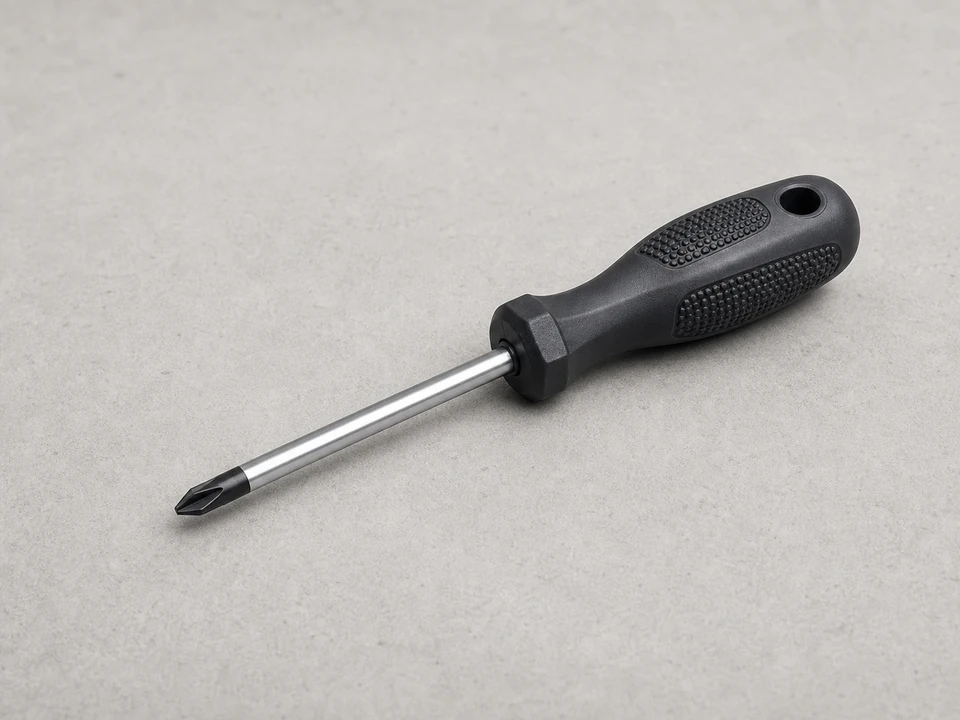
Phillips screwdriver
Use it for: Removes many faucet handle screws and trim caps.
Shop Phillips screwdriversTo replace a faucet handle, confirm the handle itself is the failed part, remove the cap or set screw, take off the old handle, install a matching replacement, and test the faucet for smooth movement and normal shutoff.
A faucet handle is usually straightforward to replace if the stem underneath is still in good shape. The main job is getting the old handle off without damaging the faucet body and making sure the new handle actually fits your faucet.
Before you start: Match the handle style, mounting spacing, and handedness or equipment compatibility before ordering.
Use it for: Removes many faucet handle screws and trim caps.
Shop Phillips screwdrivers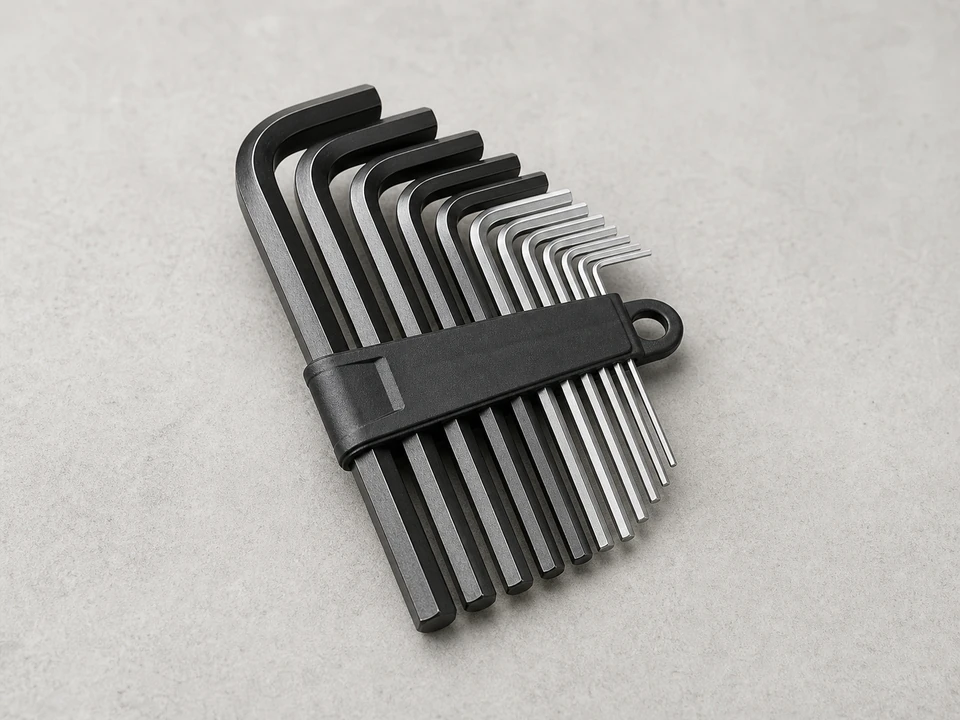
Use it for: Loosens set screws used on many lever-style handles.
Shop hex key sets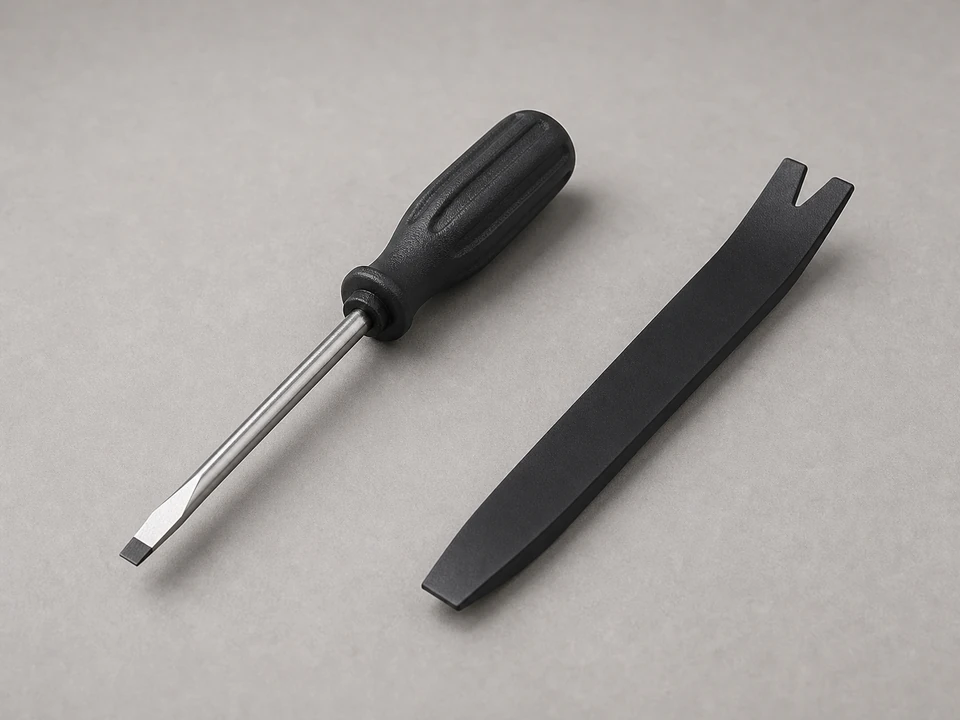
Use it for: Helps lift decorative caps without scratching the finish too badly.
Shop small pry tools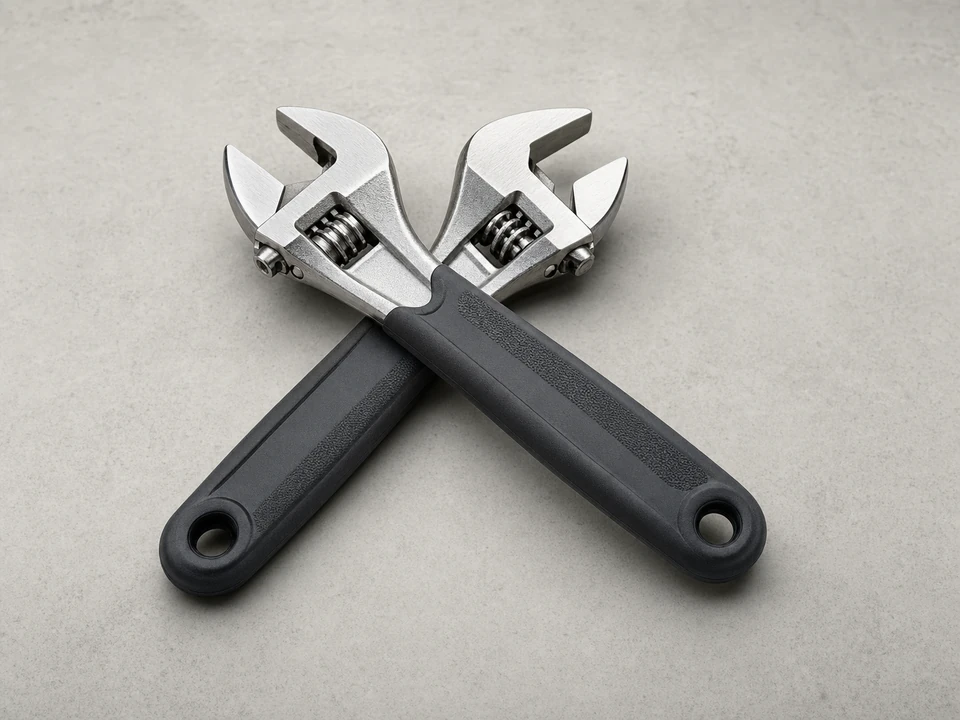
Use it for: Helps hold or remove retaining hardware on some handle assemblies.
Shop adjustable wrenches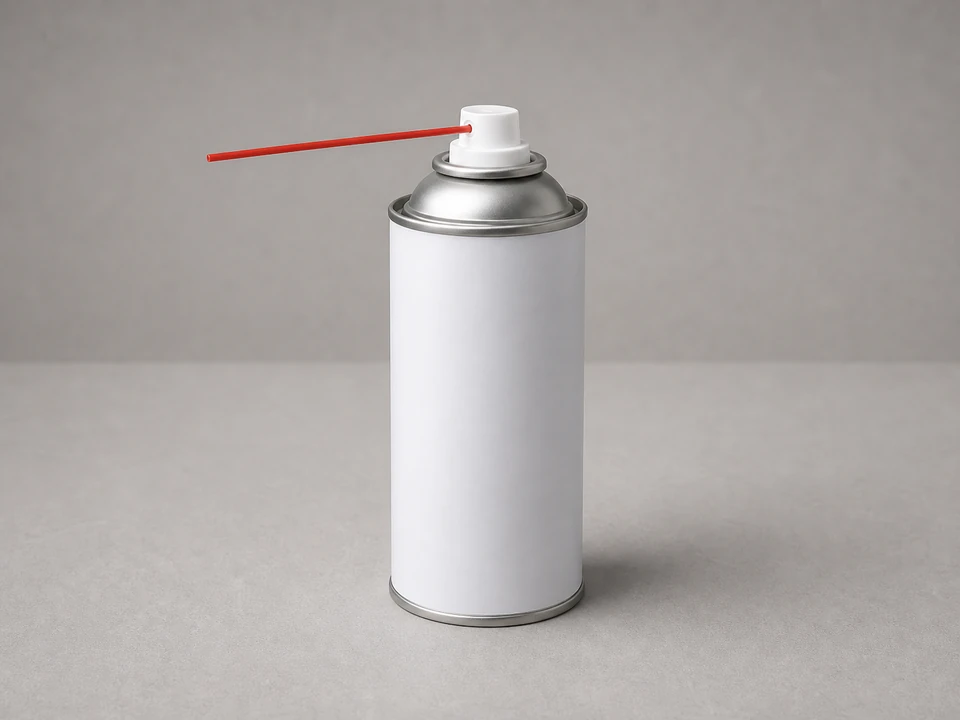
Use it for: Helps free a handle that is stuck from mineral buildup or corrosion.
Shop penetrating oil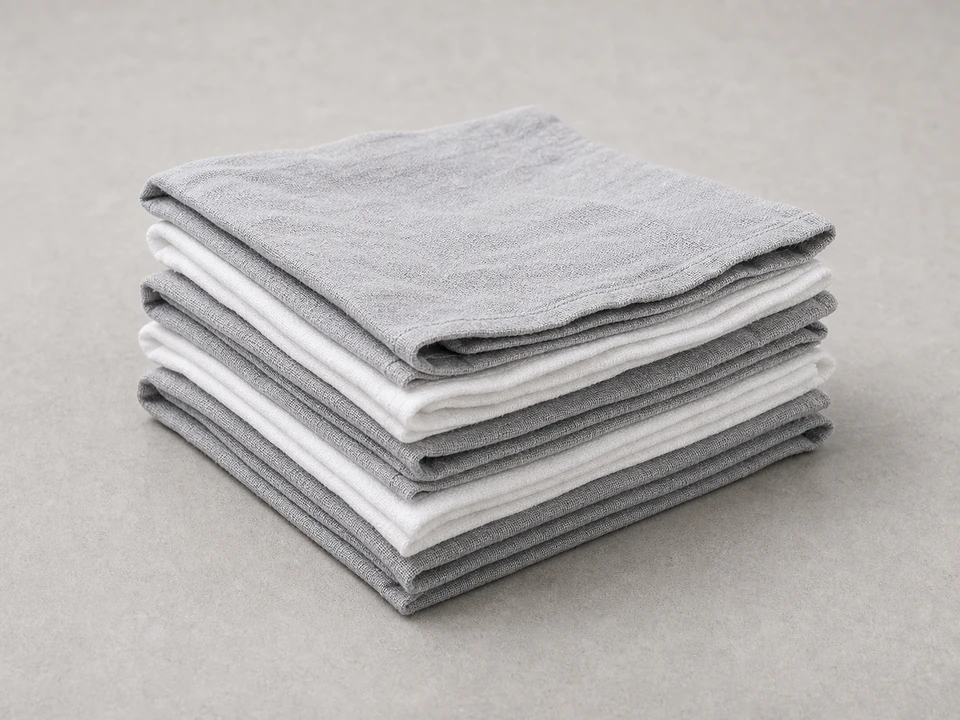
Use it for: Protects the finish and wipes away debris before reassembly.
Shop microfiber cleaning clothsAs an Amazon Associate I earn from qualifying purchases. Repair Riot may earn a commission at no extra cost to you.
If it works: You have a clear reason to replace the faucet handle and a good chance the stem underneath is still usable.
If it doesn’t: If the faucet still leaks or binds because of the valve inside, plan to inspect the cartridge or stem before ordering parts.
If it doesn’t: If the handle still feels loose after tightening, remove it and check for a missing adapter, stripped screw, or worn stem.
If it works: The faucet handle works smoothly, shuts the water off normally, and stays secure in real use.
If it doesn’t: If the faucet still drips, binds, or leaks around the stem, the next repair is likely the cartridge, stem, or packing rather than the handle.
Match the handle style, mounting spacing, and handedness or equipment compatibility before ordering.
As an Amazon Associate I earn from qualifying purchases. Repair Riot may earn a commission at no extra cost to you.
Usually no, because you are only removing the handle, not opening the water path. If you end up removing the cartridge or stem, then shut off the water first.
Mineral buildup, corrosion, or a hidden set screw are the usual reasons. Remove any cap, check all sides for a set screw, and use a little penetrating oil before trying again.
Sometimes, but fit is the hard part. The stem shape, screw location, handle style, and hot or cold orientation all need to match well enough for the handle to work correctly.
That usually means the handle was not the root problem. The cartridge, valve stem, seals, or packing may be worn and need repair next.
Tight enough that the handle does not wobble or slip, but not so tight that you strip the screw or crack the handle. Snug by hand is usually right.