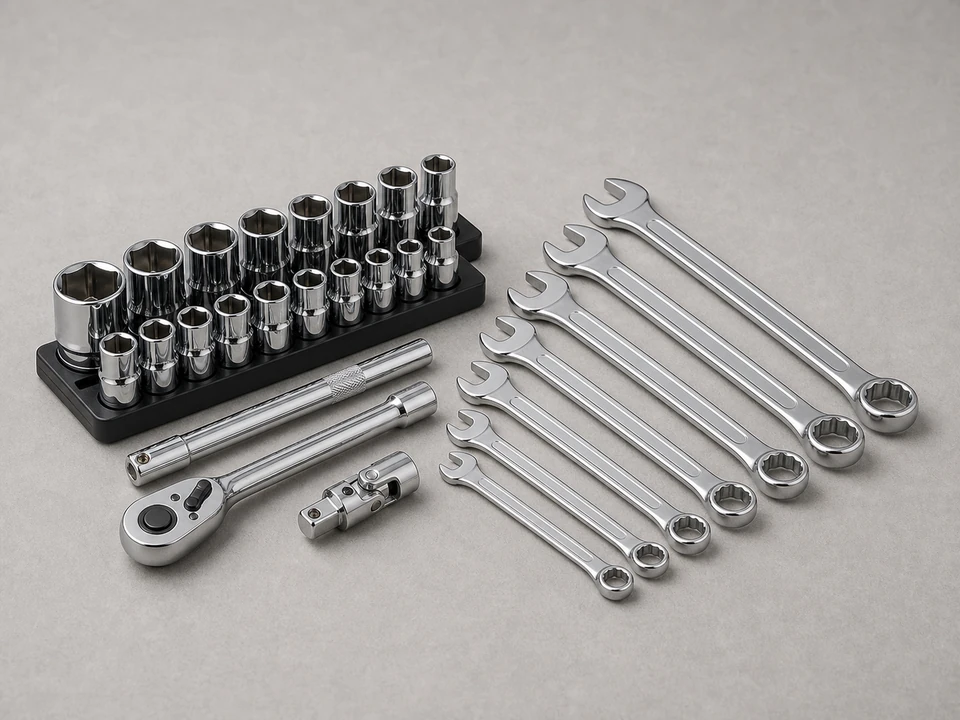
Socket set or wrench set
Use it for: To remove and tighten hinge bolts and nuts.
Shop socket and wrench setsIf your fence gate sags, binds, or the hinge hardware is loose, rusted, or missing, replacing the hinge bolts and screws is a straightforward fix. Support the gate first, swap the hardware one hinge at a time, then test the swing and latch.
This repair works best when the hinges themselves are still usable and the gate post and gate frame are solid. The goal is to tighten the hinge connection without letting the gate shift out of position.
Before you start: Match the hinge size, fastener diameter and length, head style, and mounting pattern before ordering. For outdoor gates, choose corrosion resistant hardware.
Use it for: To remove and tighten hinge bolts and nuts.
Shop socket and wrench sets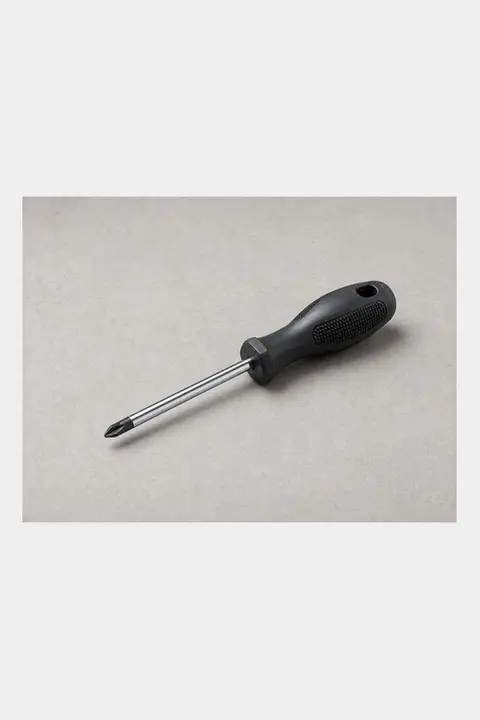
Use it for: To remove old hinge screws and drive the new ones securely.
Shop screwdrivers and drivers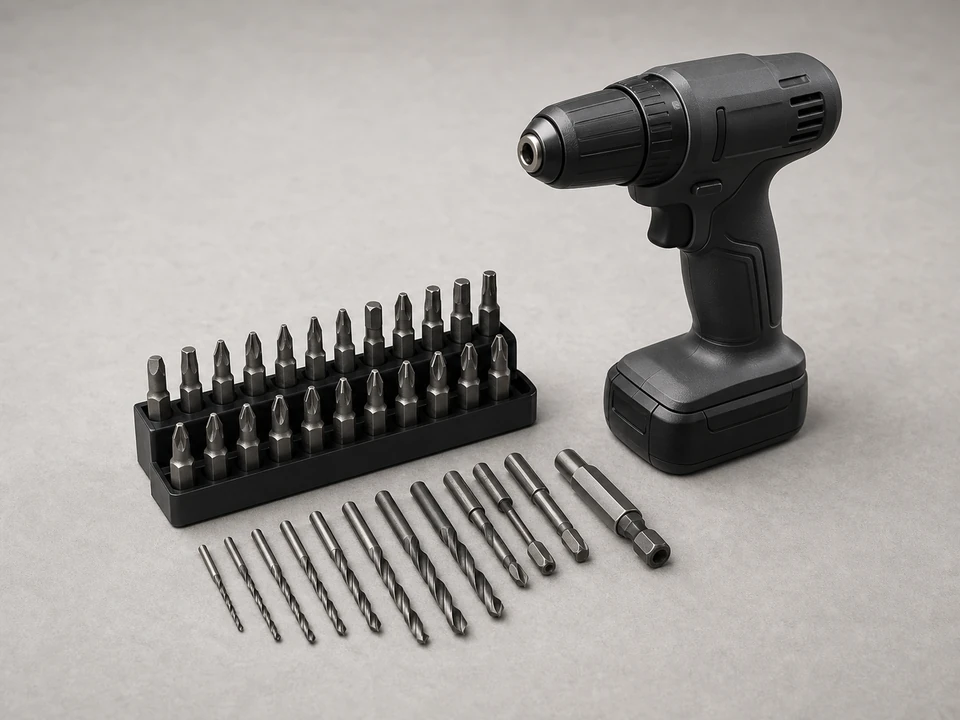
Use it for: To predrill clean pilot holes if old screw holes are damaged or stripped.
Shop drills and drill bits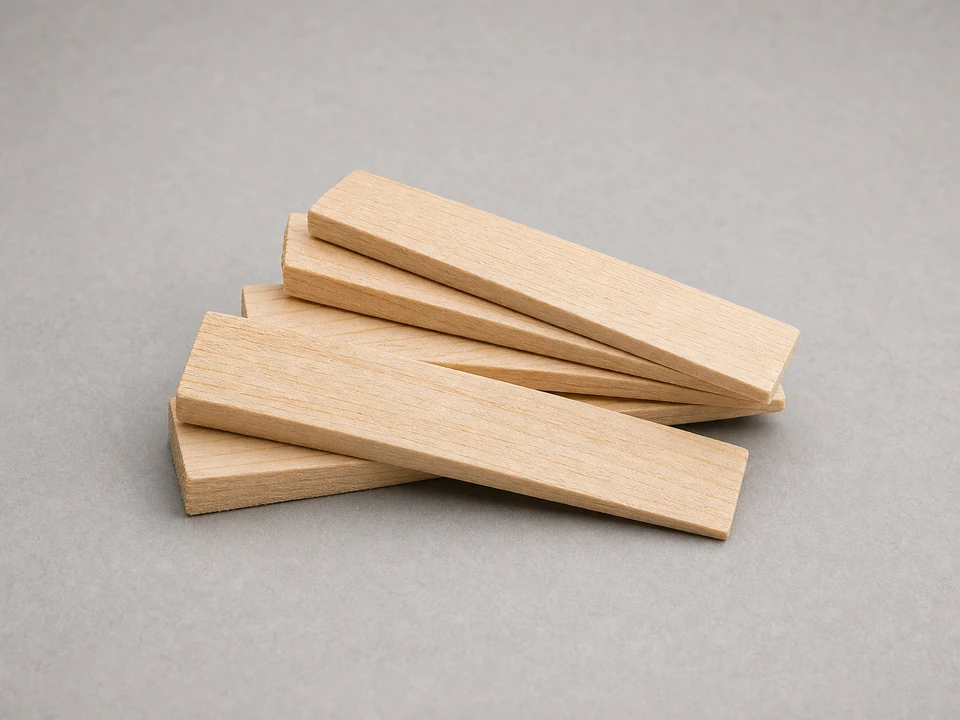
Use it for: To support the gate at the right height while the hardware is removed.
Shop wood shims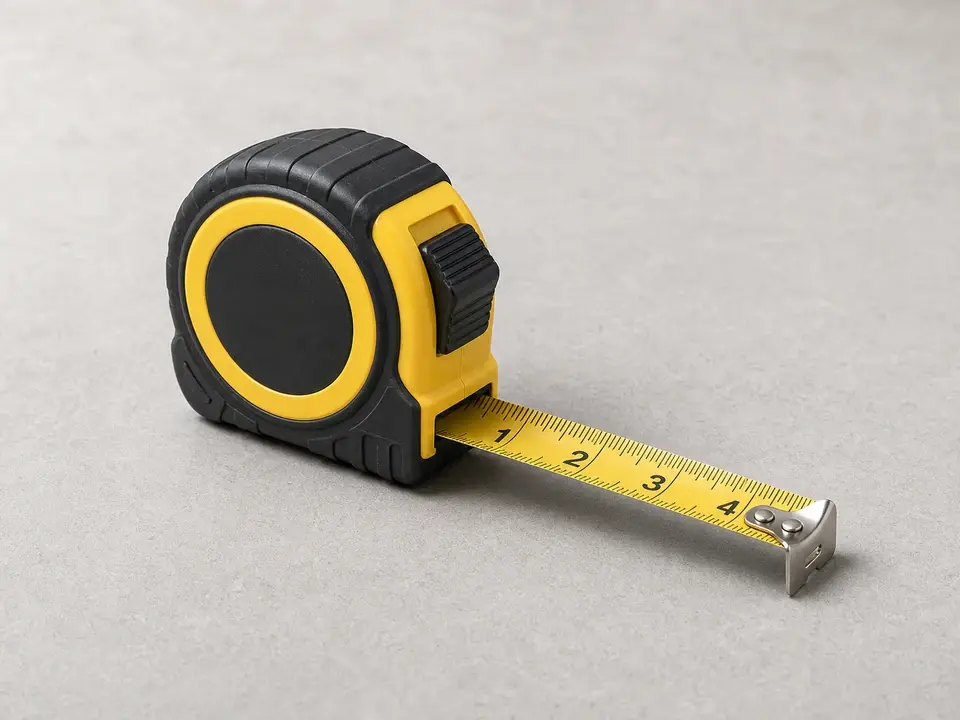
Use it for: To match replacement hardware length and diameter and keep hinge placement even.
Shop tape measures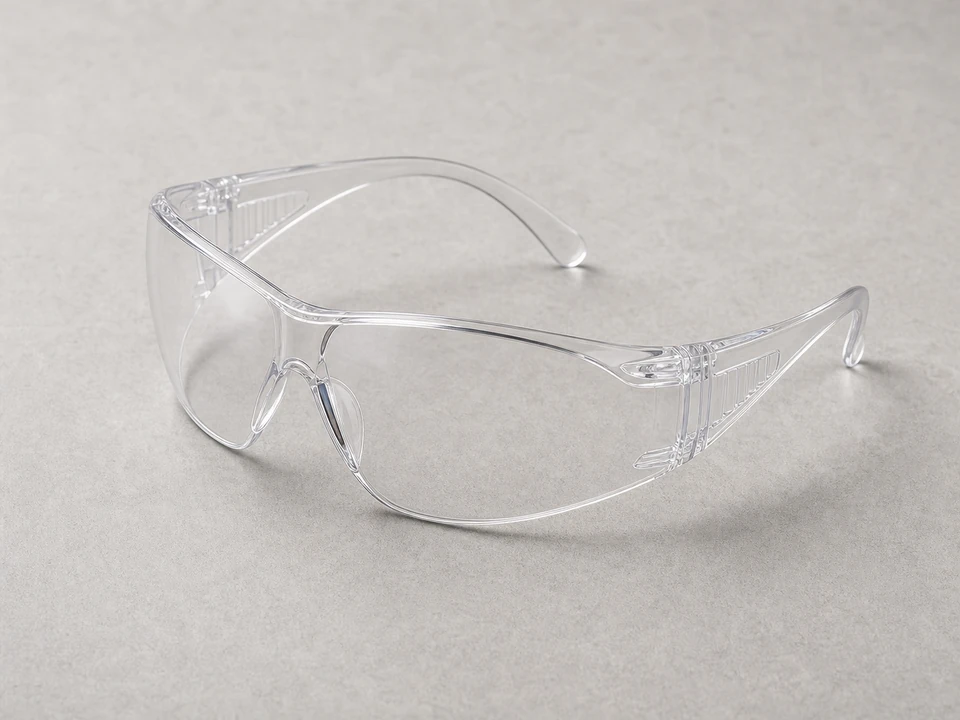
Use it for: To protect your eyes from rust, metal flakes, and wood chips.
Shop safety glassesAs an Amazon Associate I earn from qualifying purchases. Repair Riot may earn a commission at no extra cost to you.
If it works: You confirmed the gate problem is coming from loose, damaged, or missing hinge bolts and screws rather than a failed post or broken gate frame.
If it doesn’t: If the hardware is tight but the gate still sags, look for a leaning post, twisted gate frame, or bent hinges before replacing fasteners.
If it works: The gate is supported in position and you have replacement bolts and screws that match the hinge and mounting holes.
If it doesn’t: If you cannot match the old hardware closely, remove one fastener from each hinge and compare both before buying replacements.
If it works: Each hinge now has new hardware installed and the gate has stayed in roughly the same position during the swap.
If it doesn’t: If the hinge shifts while you work, reset the gate on the shims and loosely reinstall the fastener before continuing.
If it works: The replacement hardware tightens firmly and the hinge is pulled flat against solid material.
If it doesn’t: If the wood is too soft or broken to hold new screws, the gate or post needs wood repair before this hardware replacement will last.
If it works: The gate sits straighter, the hinges feel solid, and the gate swings without obvious sagging or rubbing.
If it doesn’t: If the gate still drags or misses the latch, loosen the hardware slightly, reshim the gate to the correct position, and retighten.
If it works: The gate swings smoothly, latches reliably, and the new hinge bolts and screws stay tight during real use.
If it doesn’t: If the hardware stays tight but the gate still will not latch correctly, the next repair is usually hinge repositioning, post correction, or latch adjustment.
Match the hinge size, fastener diameter and length, head style, and mounting pattern before ordering. For outdoor gates, choose corrosion resistant hardware.
As an Amazon Associate I earn from qualifying purchases. Repair Riot may earn a commission at no extra cost to you.
Yes, if only one fastener is damaged and the rest are solid. But if the hardware is rusted or worn as a set, replacing all hinge bolts and screws at the same time usually gives a more reliable result.
Use corrosion-resistant hardware, such as galvanized or stainless options, so the fasteners hold up better in weather. Match the size and style to the existing hinge holes.
If new hardware is tight but the gate still sags, the root cause is often a leaning post, a twisted gate frame, enlarged mounting holes, or bent hinges rather than the fasteners alone.
Usually no. Most homeowners can support the gate from below and replace the hinge bolts and screws one hinge at a time without taking the gate down.
If the surrounding wood is still solid, a slightly larger screw and a proper pilot hole may solve it. If the wood is soft, split, or rotten, repair the wood first or the new hardware will loosen again.