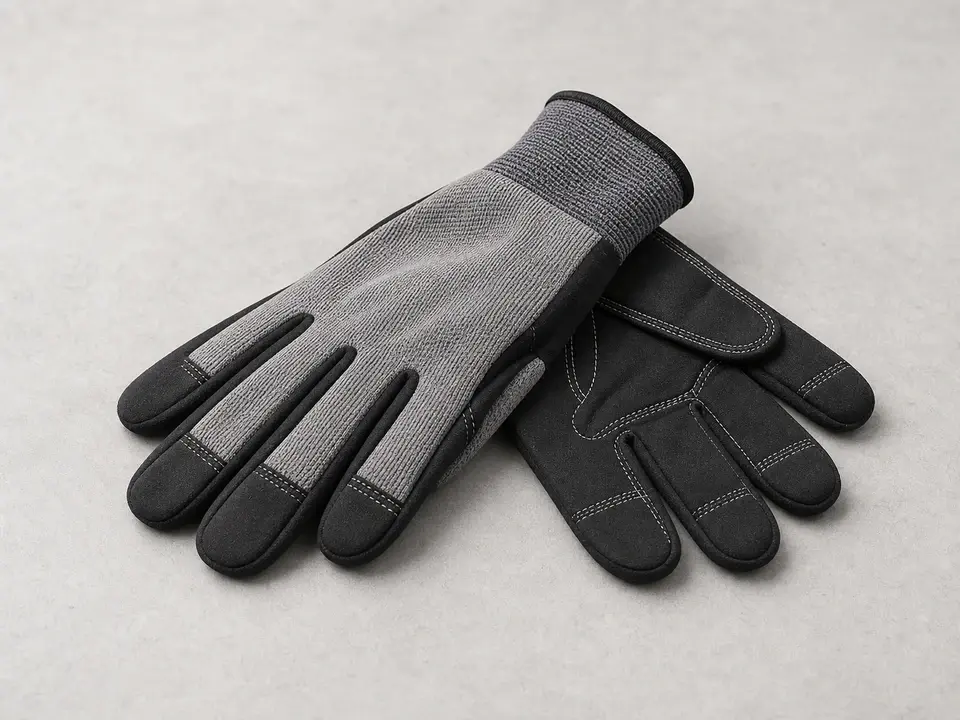
Work gloves
Use it for: Protects your hands from insulation fibers, staples, and rough framing.
Shop work glovesTo replace a floor insulation batt, remove the loose or damaged batt, check that the joist bay is dry and intact, cut the new batt to fit snugly, and support it so it stays tight to the floor above.
This is a practical repair for a cold floor over a crawl space or open framing when one batt has fallen, gotten wet, or been damaged. The goal is to restore full coverage without compressing the insulation or trapping moisture against damaged wood.
Before you start: Match the replacement batt thickness, width, facing type, and insulation value to your floor framing before ordering.
Use it for: Protects your hands from insulation fibers, staples, and rough framing.
Shop work gloves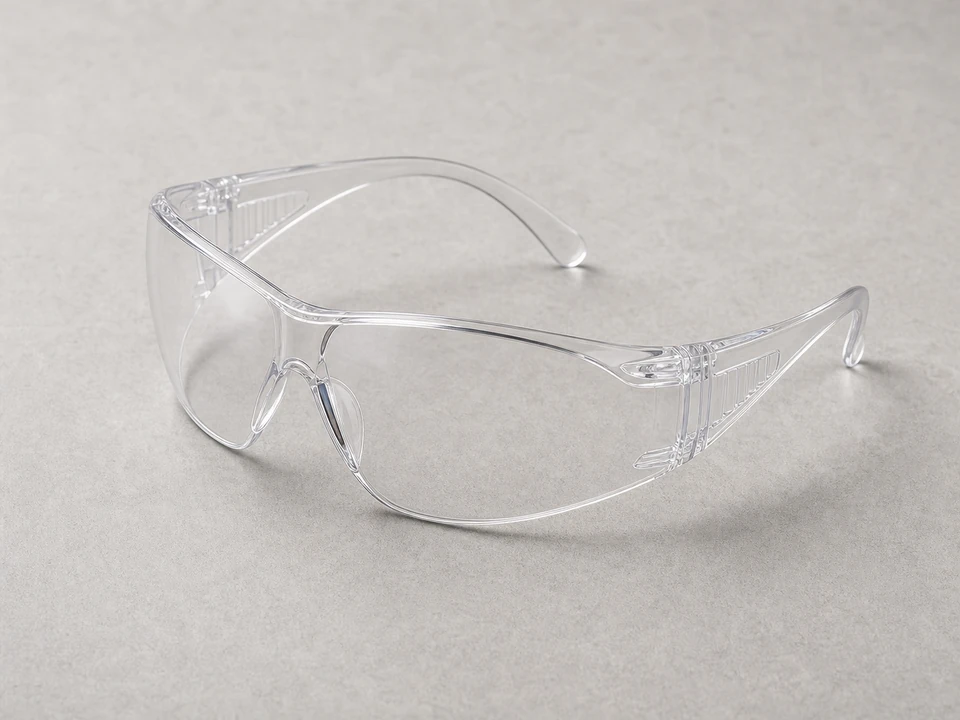
Use it for: Keeps dust and insulation fibers out of your eyes while working overhead.
Shop safety glasses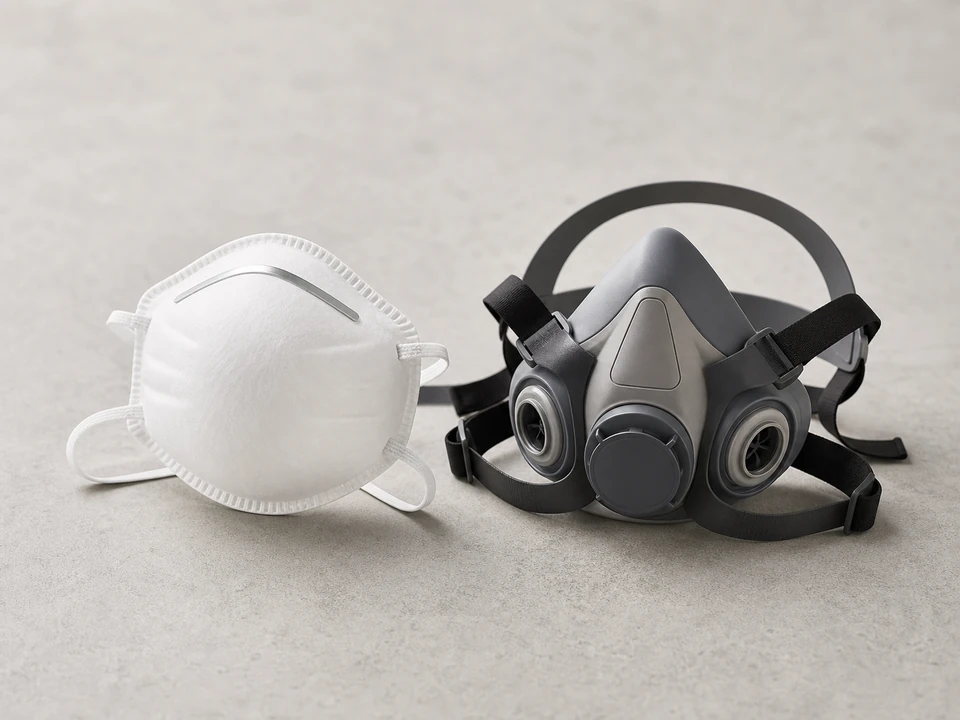
Use it for: Helps reduce breathing in insulation fibers and crawl space dust.
Shop dust masks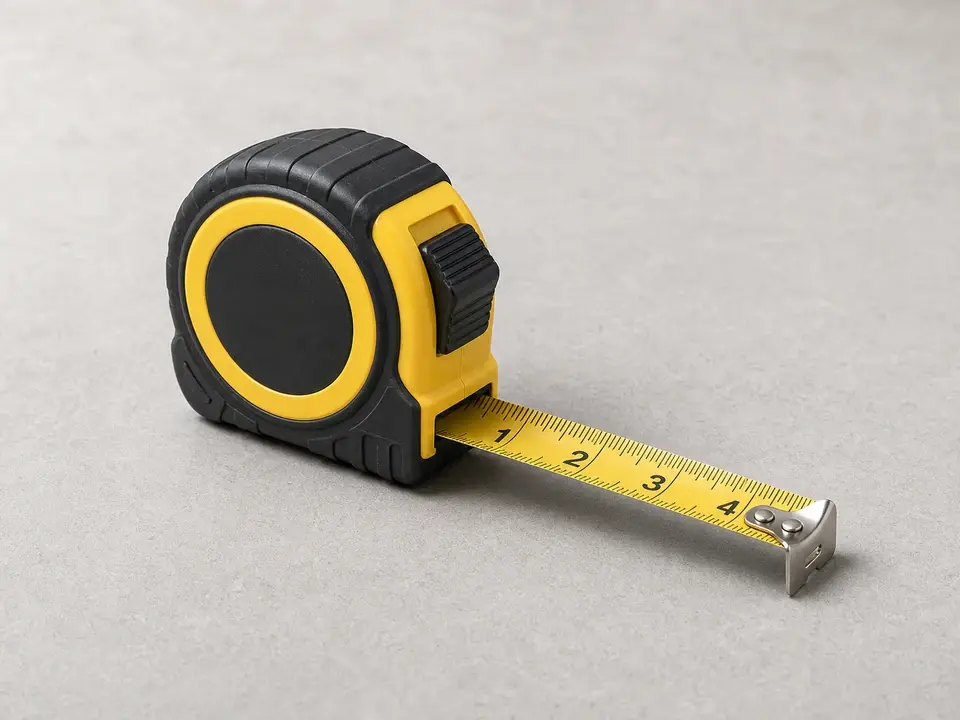
Use it for: Measures joist spacing and batt length so the replacement fits correctly.
Shop tape measures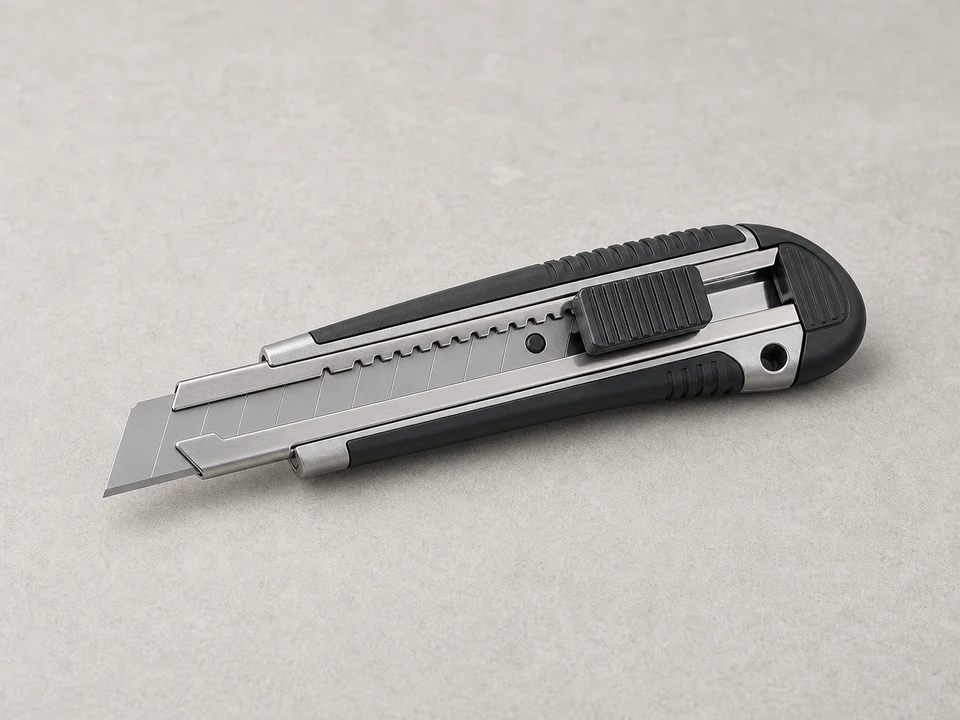
Use it for: Cuts the new batt cleanly to length or width.
Shop utility knives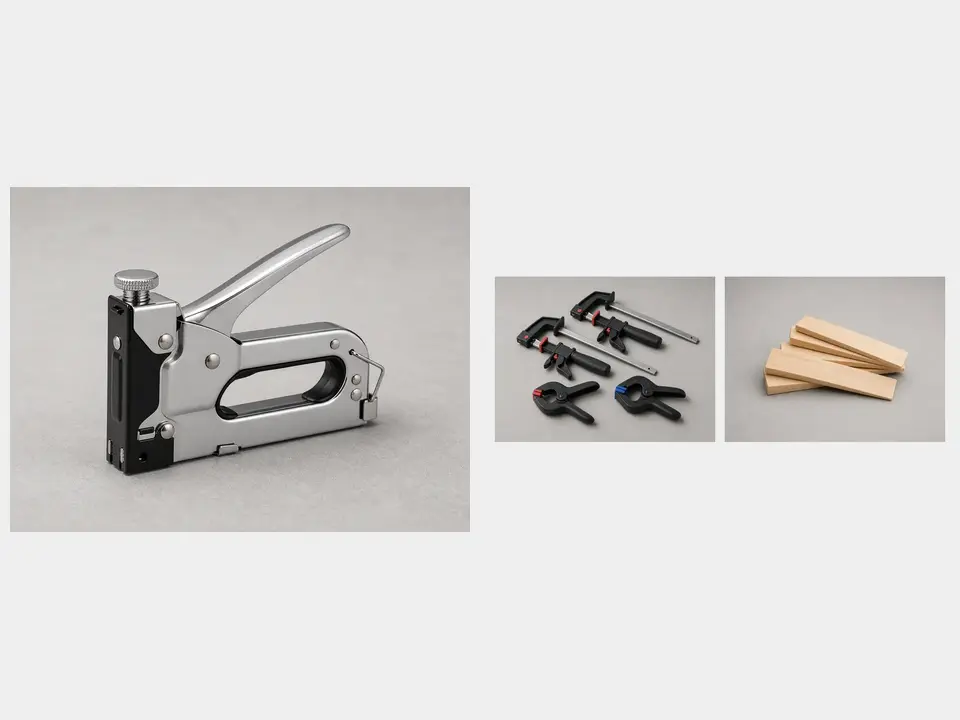
Use it for: Holds the batt in place under the floor so it does not sag or fall out.
Shop insulation supportsAs an Amazon Associate I earn from qualifying purchases. Repair Riot may earn a commission at no extra cost to you.
If it works: You found a clearly damaged or missing floor insulation batt and the surrounding area appears dry enough and solid enough for a straightforward replacement.
If it doesn’t: If the insulation looks mostly intact, the real problem may be air leaks, gaps around penetrations, or broader insulation coverage issues rather than one batt.
If it works: The joist bay is open and the old insulation is out of the way.
If it doesn’t: If the batt will not come out because it is trapped behind wiring, piping, or old supports, work it free in smaller sections and avoid pulling hard on anything attached to the house.
If it works: You have a replacement batt cut to fit the joist bay with full coverage and a snug, not crushed, fit.
If it doesn’t: If the batt is too loose, recut a fresh piece for a better fit. If it is too thick for the cavity, use the correct thickness instead of forcing it in.
If it works: The new batt fills the bay evenly and stays in contact with the floor above without major gaps or sagging.
If it doesn’t: If the batt keeps dropping away from the subfloor or leaves open spaces around obstacles, pull it back down and recut or refit it before securing it.
If it works: The batt is secure, supported, and not sagging below the joists.
If it doesn’t: If the batt still droops, add another support or reposition the existing ones until the insulation stays flat and snug.
If it works: The batt stayed in place and the floor above feels better insulated in normal use.
If it doesn’t: If the floor is still cold, look for missing insulation in nearby bays, air leaks around penetrations, or moisture problems that are reducing insulation performance.
Match the replacement batt thickness, width, facing type, and insulation value to your floor framing before ordering.
As an Amazon Associate I earn from qualifying purchases. Repair Riot may earn a commission at no extra cost to you.
Only if it is still dry, clean, full thickness, and not torn or badly compressed. If it is wet, dirty, or misshapen, replacement is the better choice.
It should fit snugly between the joists without slumping, but it should not be jammed in so tightly that it compresses and loses thickness.
Cut and fit the batt around them so the insulation stays in contact with the floor above. Do not yank on wiring or force insulation behind something that could be damaged.
Common causes are missing supports, moisture damage, animal activity, or a batt that was cut too small for the joist bay.
It can help a lot if that batt was missing or damaged, but a cold floor can also come from air leaks, multiple missing sections, or moisture problems under the house.