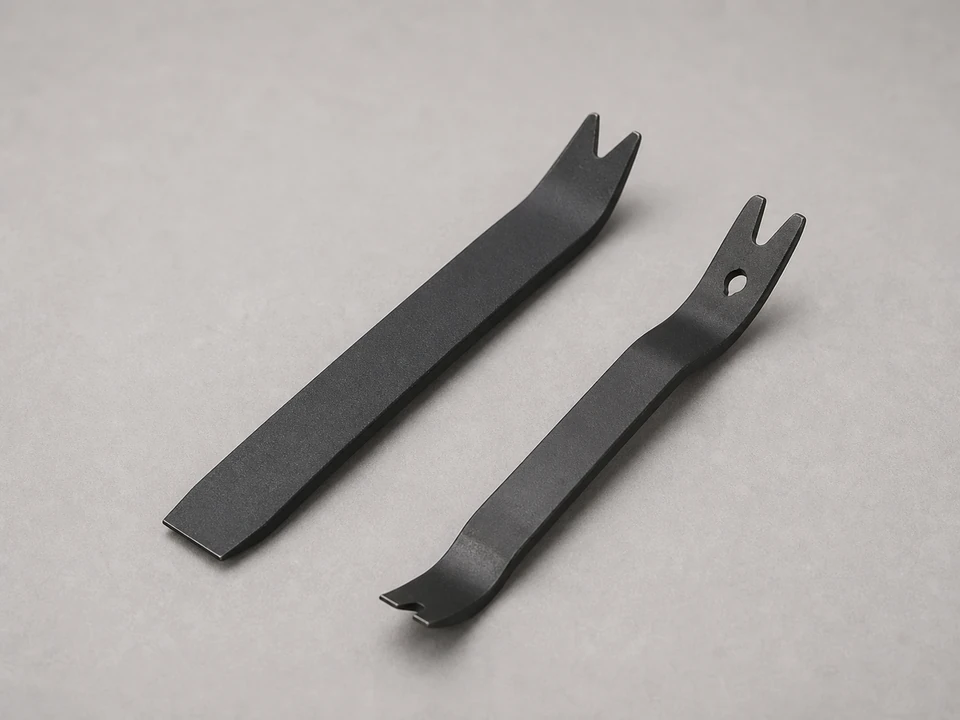
Pry bar or trim puller
Use it for: To lift the old quarter round gently without breaking surrounding trim.
Shop trim pullersTo replace floor quarter round molding, remove the damaged piece without tearing up the baseboard or floor edge, measure and cut a matching replacement, then fasten it snugly to the baseboard and check that it sits cleanly along the floor.
This is a manageable trim repair for most homeowners if the damage is limited to the molding itself. Work slowly during removal so you do not chip the baseboard, crack nearby trim, or mark the finished floor.
Before you start: Match the replacement part to your exact floor before ordering.
Use it for: To lift the old quarter round gently without breaking surrounding trim.
Shop trim pullers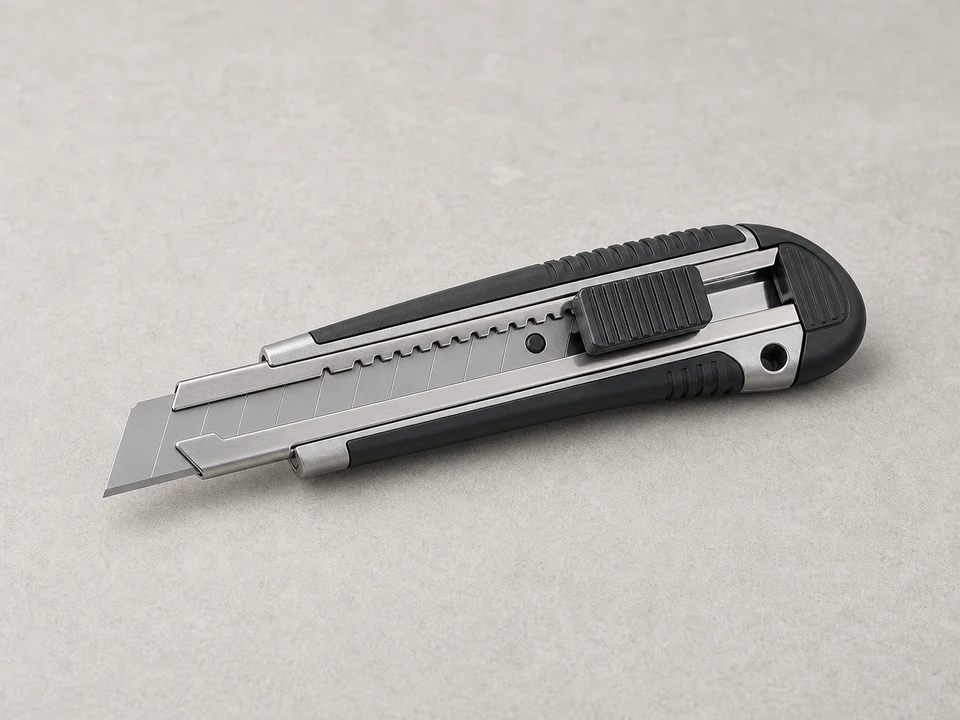
Use it for: To score paint or caulk lines before removal and reduce splintering.
Shop utility knives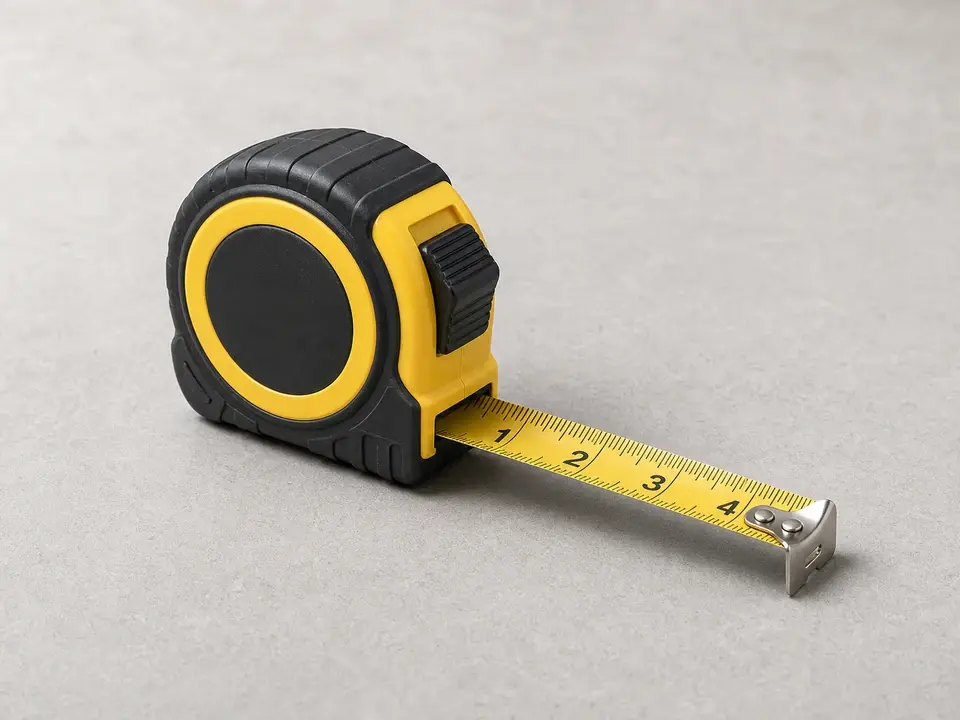
Use it for: To measure the replacement length and mark cut points accurately.
Shop tape measures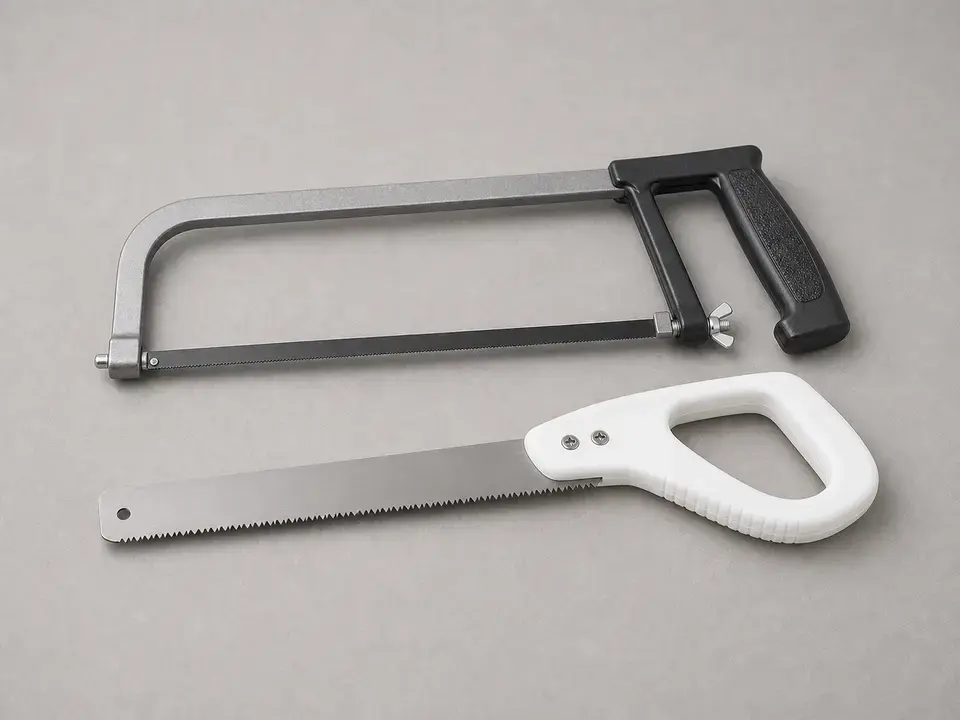
Use it for: To cut straight or angled ends so the new piece fits neatly.
Shop miter saws and miter boxes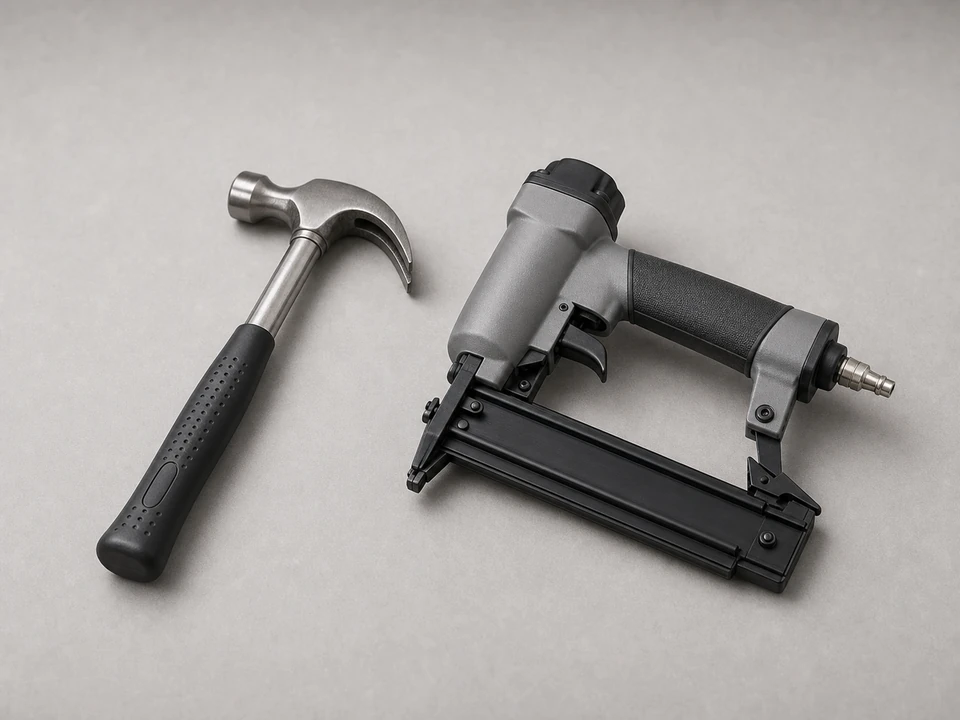
Use it for: To fasten the new quarter round to the baseboard.
Shop finish nailing tools
Use it for: To fill nail holes and small gaps for a cleaner finished look.
Shop paintable caulk and wood fillerAs an Amazon Associate I earn from qualifying purchases. Repair Riot may earn a commission at no extra cost to you.
If it works: You have confirmed the quarter round is the damaged part and the surrounding baseboard and floor edge appear sound.
If it doesn’t: If the baseboard is also damaged, the floor edge is soft, or moisture is still present, fix the underlying water or floor problem before replacing the trim.
If it works: The old quarter round is loosened with minimal damage to the baseboard, wall finish, and floor edge.
If it doesn’t: If the trim starts splintering badly, stop prying harder and score the seams again before continuing.
If it works: The opening is clean, measured, and ready for a replacement piece that can sit tight against the baseboard and floor.
If it doesn’t: If the old piece broke apart, measure the full opening carefully and note whether each end is square or angled.
If it works: The new quarter round fits the opening with clean ends and sits snugly along the baseboard and floor.
If it doesn’t: If the fit is too tight, recut or shave a small amount off the end rather than bending the molding into place.
If it works: The replacement piece is secure, aligned, and held tight without shifting.
If it doesn’t: If one area will not stay tight, add a fastener into the baseboard nearby or remove the piece and correct the cut before trying again.
If it works: The new quarter round looks neat, stays secure, and holds up during normal use.
If it doesn’t: If the trim loosens again, revisit the fit and fastening points and check for hidden moisture or movement at the wall or floor.
Match the replacement part to your exact floor before ordering.
As an Amazon Associate I earn from qualifying purchases. Repair Riot may earn a commission at no extra cost to you.
Yes, if the surrounding sections are sound and the new piece can be cut to match the existing profile and finish closely enough to look intentional.
It should usually be fastened to the baseboard. That lets the floor expand and contract without the trim pinning it down.
Take a small sample or clear measurements of the profile, height, and thickness when shopping. A close profile match matters more than guessing by name alone.
Not always. A small bead along the top edge can help hide minor gaps against the baseboard, but large gaps usually mean the fit or the surface behind it needs correction.
Many homeowners paint after installation so nail holes and caulk can be finished at the same time. If you prefinish it first, expect to do some touch-up after fastening.