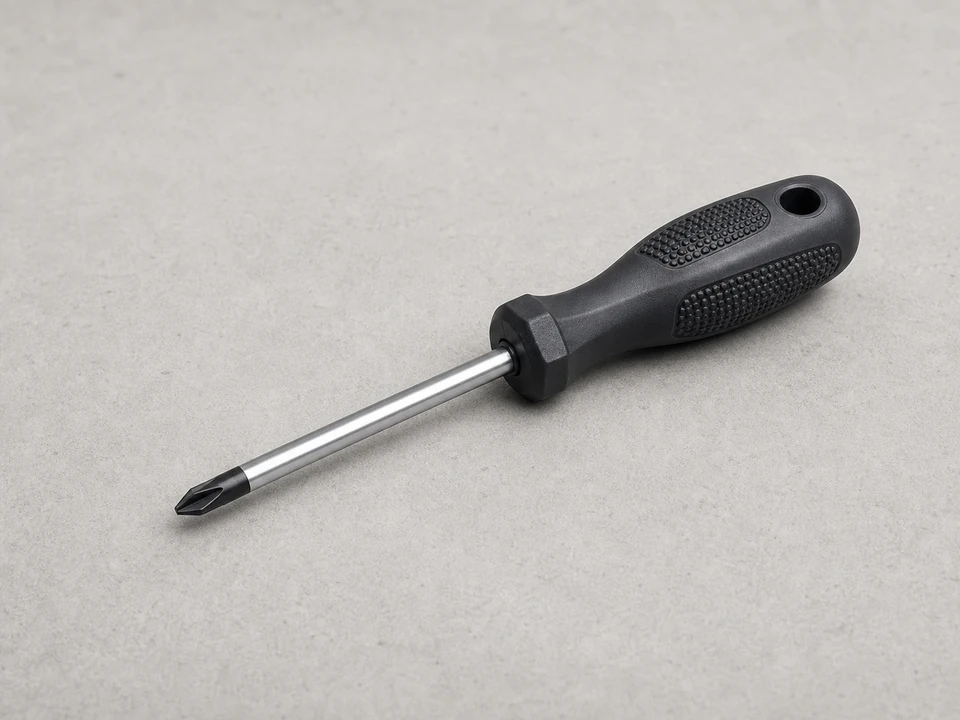
Phillips screwdriver
Use it for: To loosen or tighten screws that hold the gasket retainer or inner door panel on some freezers.
Shop Phillips screwdriversTo replace a freezer door gasket, confirm you have the correct replacement, soften the new gasket, remove the old seal from the door, install the new gasket evenly, and check for gaps all the way around.
A worn or torn gasket can let warm air into the freezer and cause frost buildup, poor cooling, or a door that will not seal well. This job is usually manageable for a homeowner if you work slowly and avoid forcing the door liner or hardware.
Before you start: Match the replacement part to your exact freezer before ordering.
Use it for: To loosen or tighten screws that hold the gasket retainer or inner door panel on some freezers.
Shop Phillips screwdrivers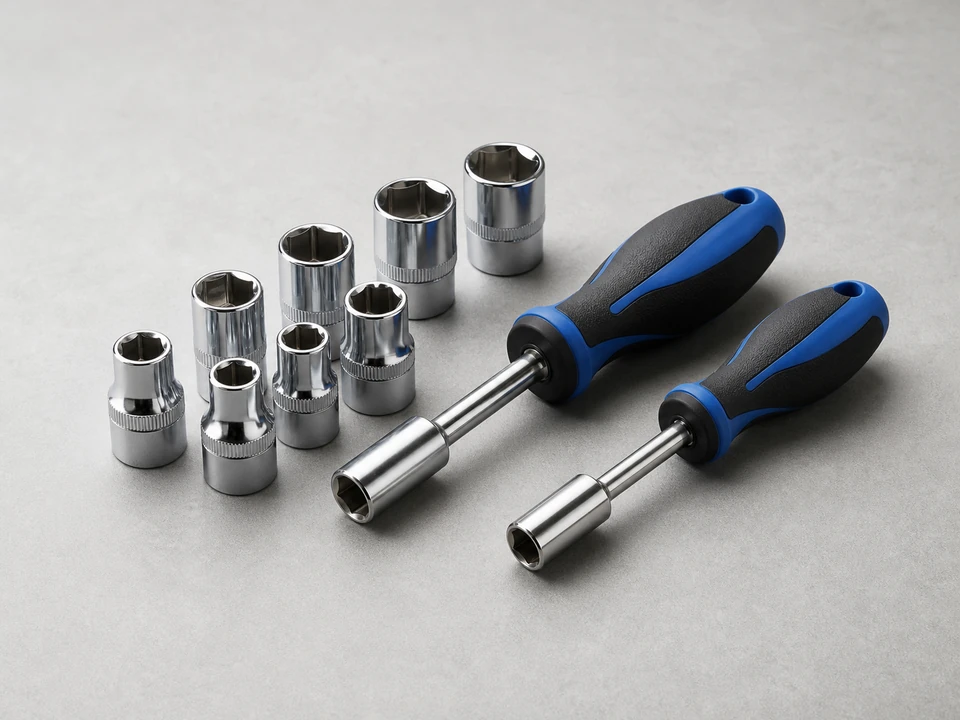
Use it for: Some freezer doors use hex-head fasteners instead of Phillips screws.
Shop nut driver sets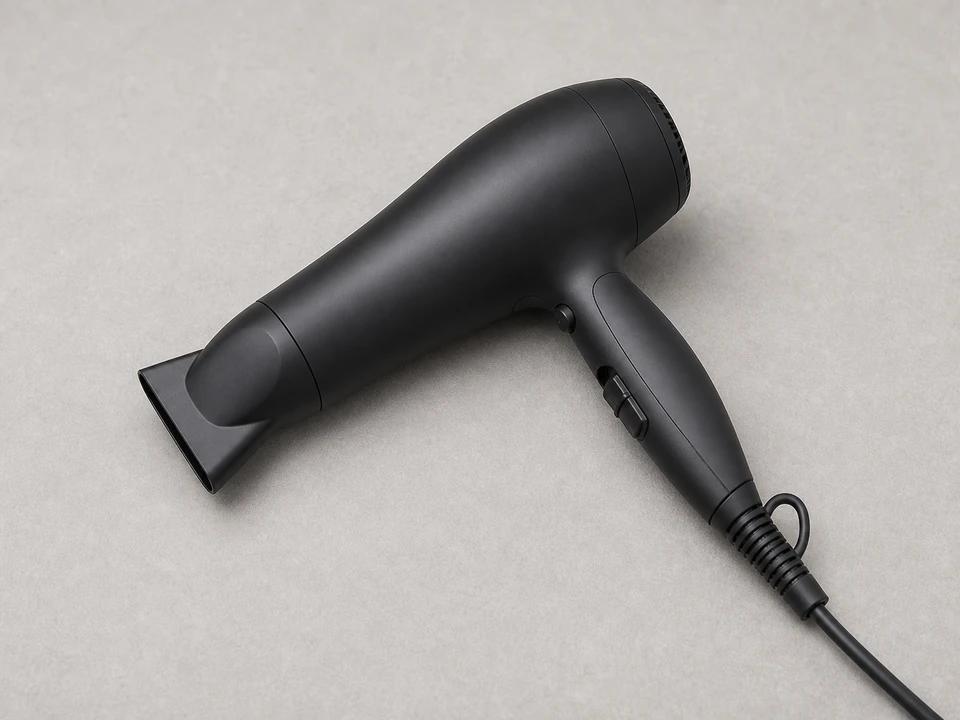
Use it for: To gently warm and relax a stiff replacement gasket so it seats more evenly.
Shop hair dryers
Use it for: To wipe the door channel and clean the sealing surface before installing the new gasket.
Shop microfiber cleaning cloths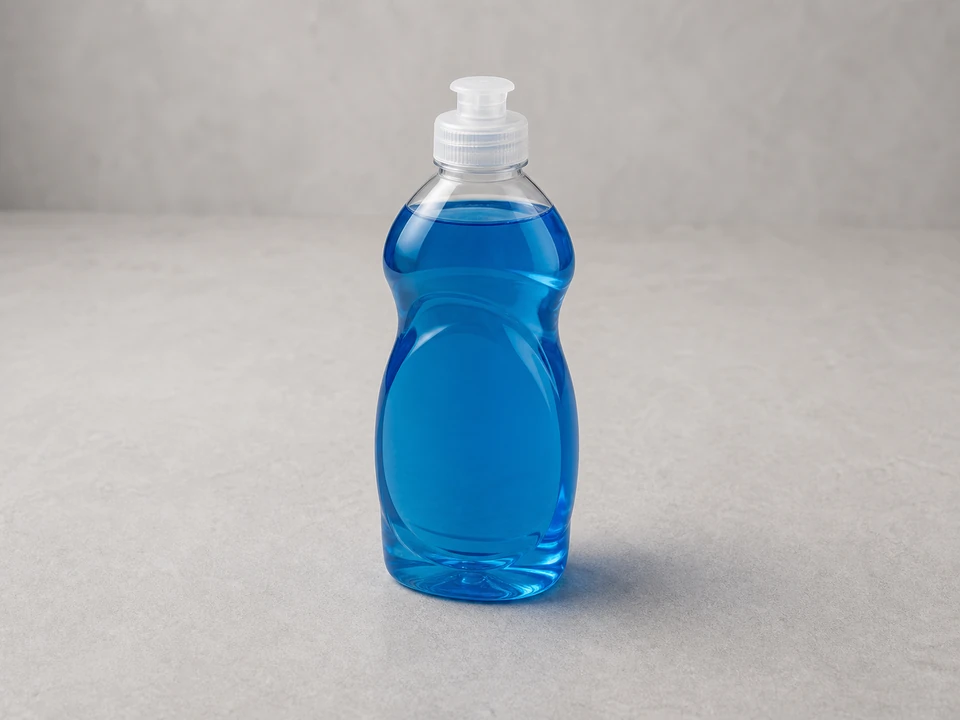
Use it for: To clean residue from the door edge and help the new gasket sit flat.
Shop dish soap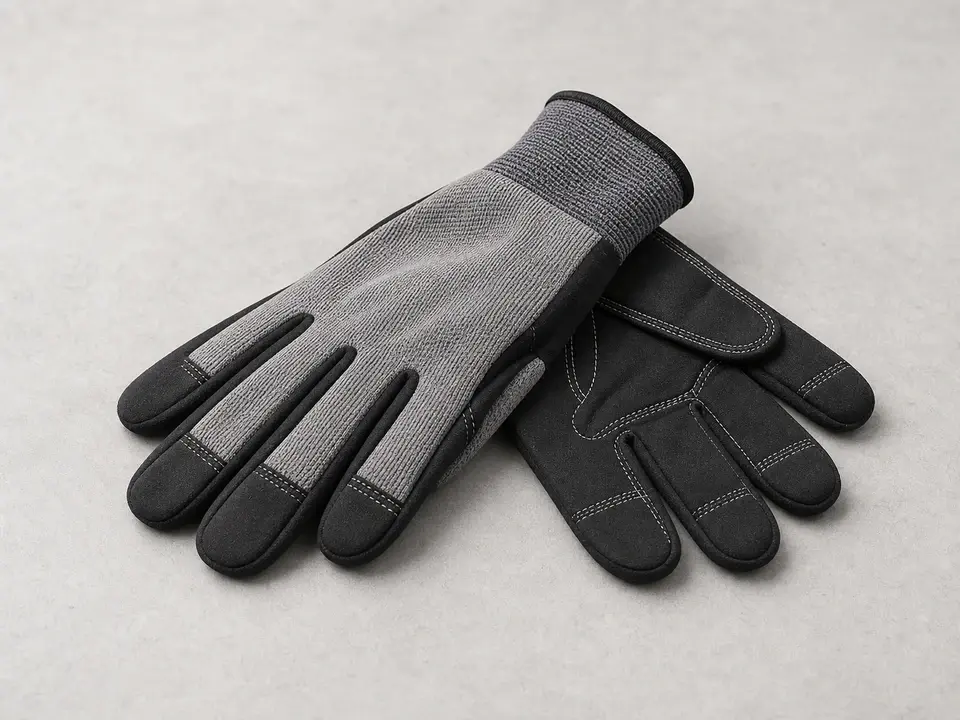
Use it for: To improve grip and help protect your hands from sharp edges around the door liner.
Shop work glovesAs an Amazon Associate I earn from qualifying purchases. Repair Riot may earn a commission at no extra cost to you.
If it works: The replacement gasket matches the old one and is flexible enough to install.
If it doesn’t: Do not remove the old gasket yet if the new one does not match in size, corner shape, or mounting style.
If it works: You can see exactly how the old gasket is mounted and the work area is clean.
If it doesn’t: Take a few photos before removal so you can match the new gasket position during installation.
If it works: The old gasket comes off without damaging the door liner or retainer.
If it doesn’t: If one section is stuck, stop pulling and check again for hidden screws or a tucked mounting lip.
If it works: The new gasket is fully attached and sits evenly around the door.
If it doesn’t: Loosen the nearby section and reposition it if you see a twist, bulge, or corner that will not sit flat.
If it works: The gasket looks smoother and contacts the cabinet more evenly.
If it doesn’t: Repeat gentle warming once or twice for stubborn folds, but do not overheat the gasket or door surface.
If it works: The door closes normally and the gasket grips evenly around the opening.
If it doesn’t: Recheck alignment, loosen and reposition the gasket where needed, or allow more time for the new seal to relax into shape.
Match the replacement part to your exact freezer before ordering.
As an Amazon Associate I earn from qualifying purchases. Repair Riot may earn a commission at no extra cost to you.
Usually, no. This job is done at the door and does not normally require electrical disassembly. If you need to use a hair dryer near moisture, keep the area dry and use common electrical safety.
New gaskets are often folded in packaging and can hold that shape at first. Letting it warm to room temperature and using gentle heat on low usually helps it relax and seal better.
In most cases, no. The gasket is meant to seal as one complete piece around the door. Replacing the full gasket gives the best chance of an even seal.
First check for a twisted gasket, loose fasteners, or corners that are not fully seated. If the gasket is installed correctly and gaps remain, the door may be misaligned or the hinges may need attention.
Match the replacement to your exact freezer model and compare the shape, dimensions, corner style, and mounting method to the old gasket before installation.