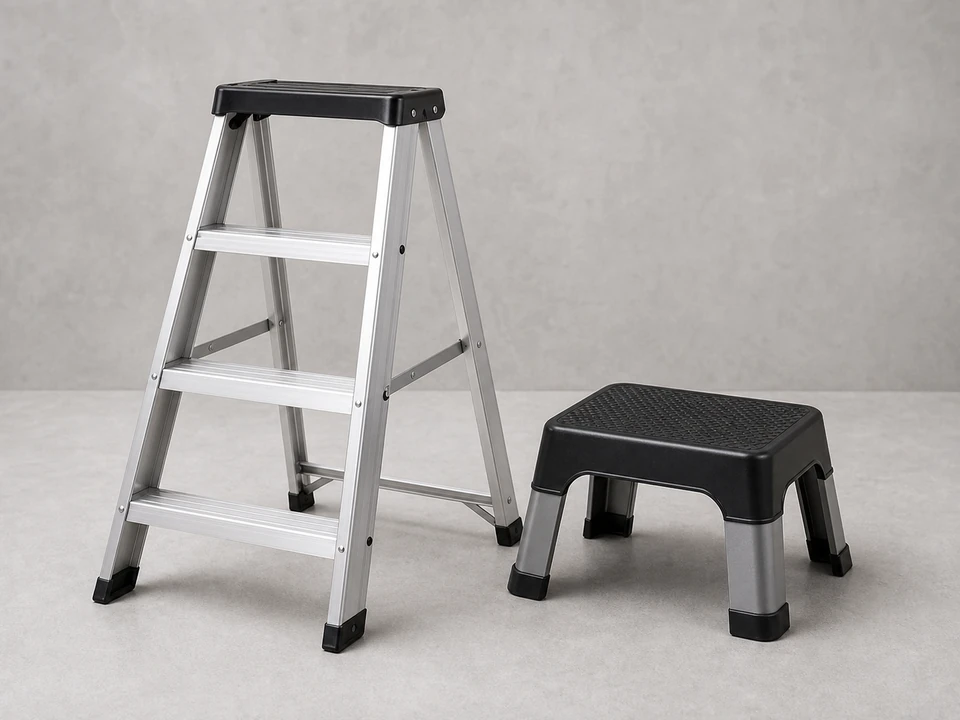
Stepladder
Use it for: To reach the opener housing safely.
Shop stepladdersIf your opener motor runs or hums but the door does not move, a stripped drive gear inside the opener may be the cause. Replacing the garage door opener drive gear kit can restore movement if the rest of the opener and door are in good shape.
This is a moderate repair because you will open the motor housing and work around moving parts. Start by making sure the door itself moves freely by hand, then replace the worn gear, reassemble the opener, and test it under normal use.
Before you start: Match the replacement part to your exact garage door before ordering.
Use it for: To reach the opener housing safely.
Shop stepladders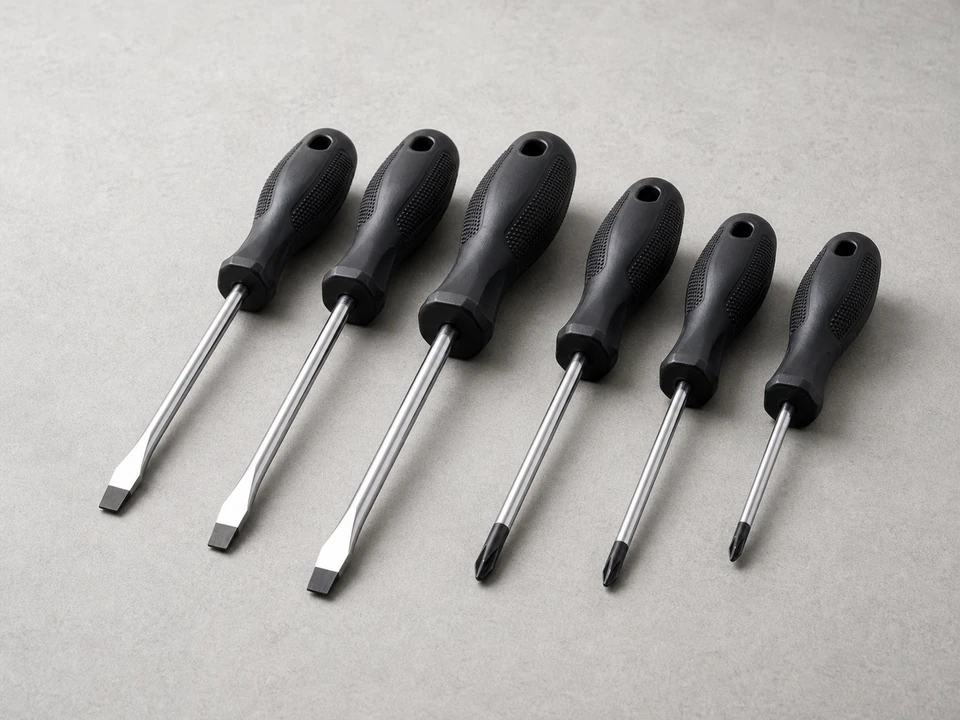
Use it for: To remove the opener cover and internal fasteners.
Shop screwdriver sets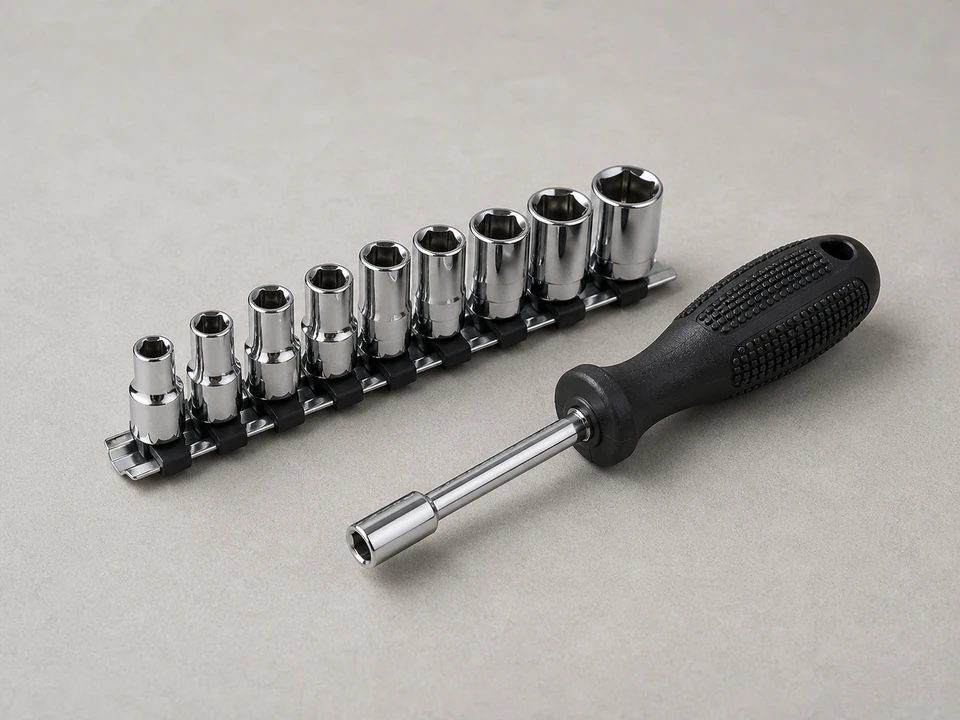
Use it for: To remove bolts, brackets, and gear assembly hardware.
Shop socket sets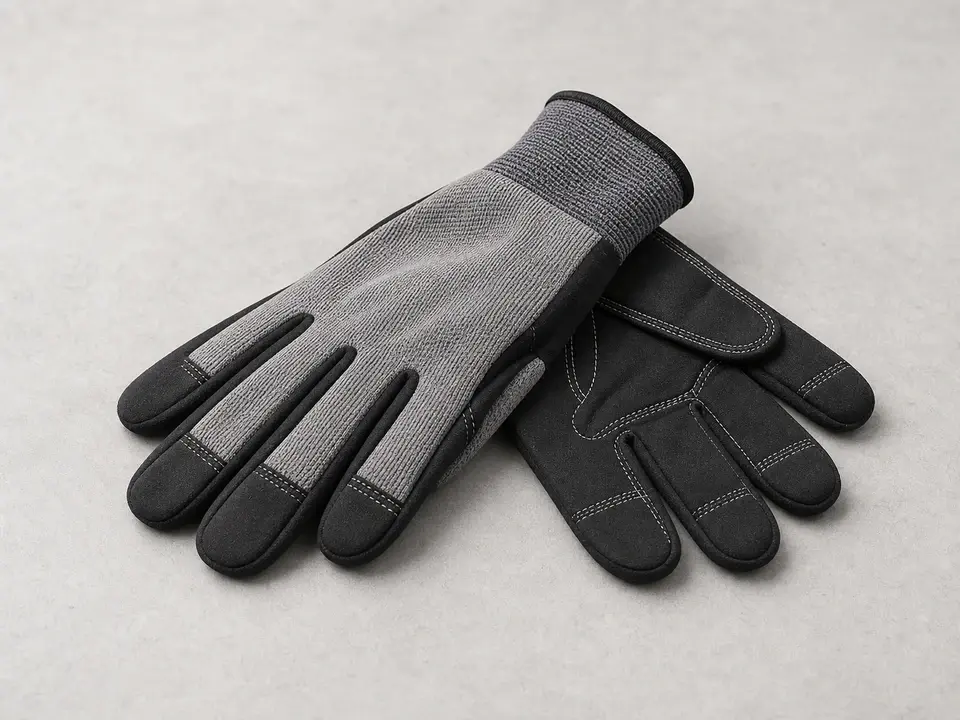
Use it for: To protect your hands from sharp housing edges and greasy parts.
Shop work gloves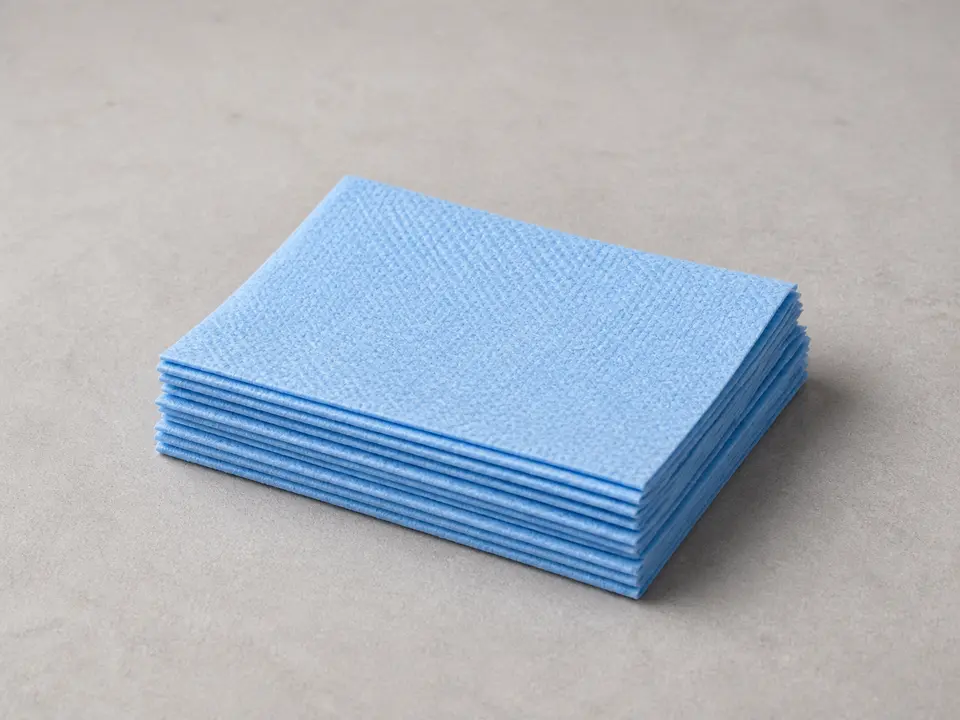
Use it for: To wipe out old grease and clean the housing before installing new parts.
Shop shop rags
Use it for: To lubricate the new gear parts if your kit does not include grease.
Shop white lithium greaseAs an Amazon Associate I earn from qualifying purchases. Repair Riot may earn a commission at no extra cost to you.
If it works: The door moves well by hand, but the opener motor runs without driving the door normally, making the drive gear kit a reasonable repair.
If it doesn’t: If the door is hard to lift, crooked, or slams shut, fix the door balance or track problem first before opening the motor unit.
If it works: The opener is unplugged, the cover is off, and you can clearly see the drive gear area and related hardware.
If it doesn’t: If the housing will not come off cleanly, check again for hidden screws under light lenses or side panels rather than forcing it.
If it works: The stripped or worn gear parts are out, and the mounting area is clean and ready for the new kit.
If it doesn’t: If a clip or fastener is stuck, use a better-fitting tool and work slowly so you do not damage the shaft or housing.
If it works: The new gear kit is installed, lubricated, and turns smoothly without wobble or binding.
If it doesn’t: If the new parts do not line up like the originals, stop and recheck the part fit and your reference photos before reassembling the opener.
If it works: The opener is back together, the trolley reconnects properly, and the motor drives the system without grinding or slipping.
If it doesn’t: If the opener runs but the travel is uneven or noisy, unplug it and recheck the gear assembly order, lubrication, and any chain or belt hardware you disturbed.
If it works: The opener moves the door reliably through full cycles, with no fresh grinding, slipping, or new gear debris.
If it doesn’t: If the opener still hums without moving the door, or the new gear fails quickly, the problem may also involve the sprocket, motor shaft, door balance, or another internal opener part.
Match the replacement part to your exact garage door before ordering.
As an Amazon Associate I earn from qualifying purchases. Repair Riot may earn a commission at no extra cost to you.
A common clue is an opener motor that runs or hums while the door does not move. You may also find plastic shavings inside the opener housing or under the motor unit.
Using the full kit is usually the better choice because it replaces the main wear parts together. That helps the new gear mesh correctly and last longer.
No. This repair is inside the opener, not the spring system. If the door is heavy or hard to lift by hand, that is a separate problem and should be addressed before relying on the opener.
Use the lubricant included with the kit if it comes with one. If not, a light coat of white lithium grease is a common choice for opener gear parts.
Age and normal wear are common causes, but a heavy, unbalanced, or binding garage door can overload the opener and wear the gear faster. Checking door movement by hand helps catch that root cause.