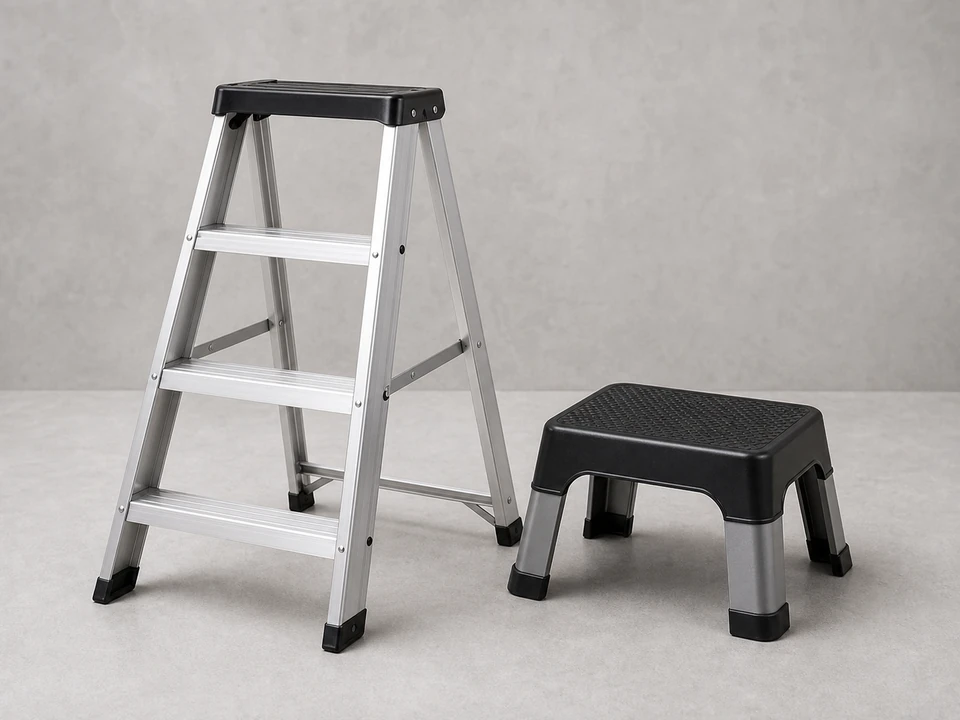
Stepladder
Use it for: To reach the opener head or wire connections safely.
Shop stepladdersTo replace a garage door safety sensor pair, disconnect opener power, remove both old sensors, install the new pair at the bottom of the door tracks, reconnect the low-voltage wires, align the sensors so their indicator lights stay steady, and test that the door closes and reverses properly.
Safety sensors are the small photo eyes near the floor on each side of the garage door opening. If one fails, gets damaged, or will not stay aligned, replacing both sensors as a matched pair is usually the cleanest fix.
Before you start: Match the opener brand or sensor system, connector style, bracket style, and wire setup before ordering.
Use it for: To reach the opener head or wire connections safely.
Shop stepladders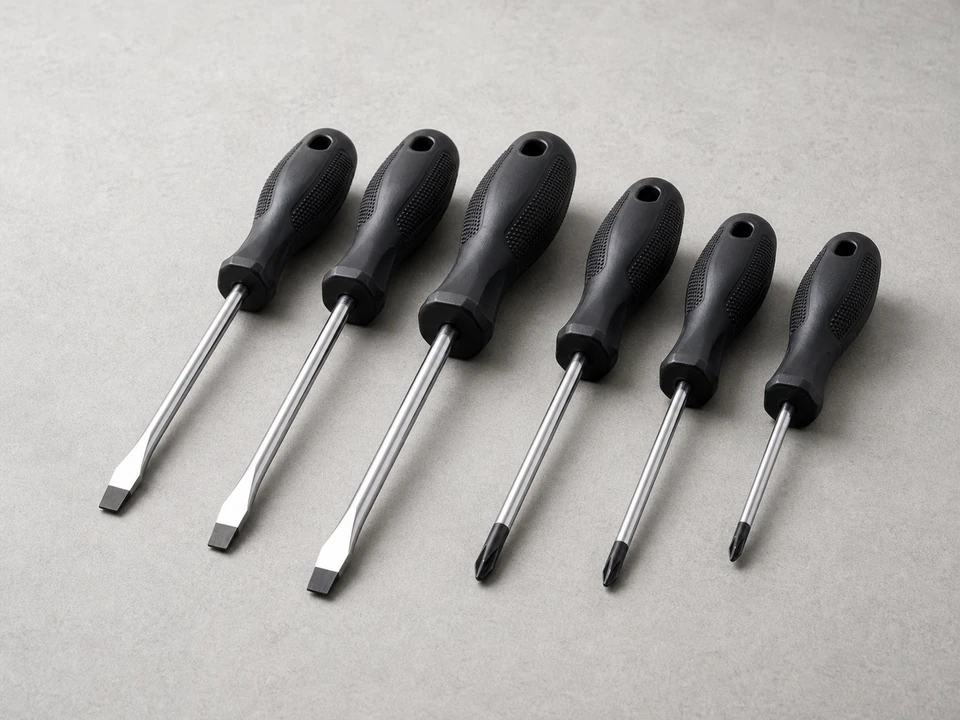
Use it for: To remove sensor brackets, terminal screws, or wire covers.
Shop screwdriver sets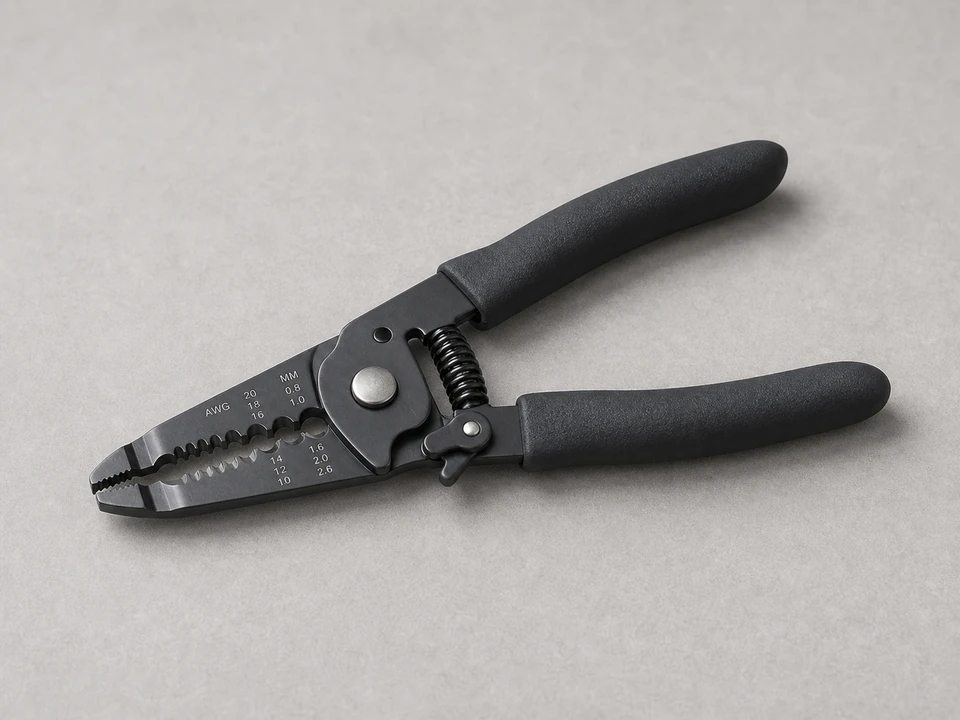
Use it for: To trim and reconnect low-voltage sensor wires cleanly.
Shop wire strippers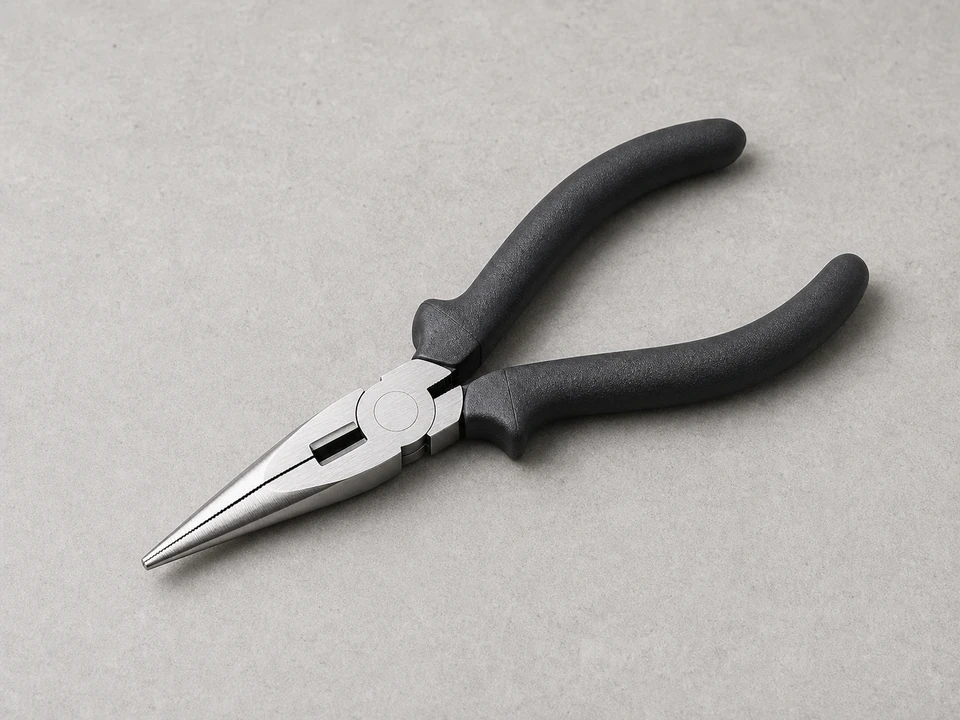
Use it for: To guide small wires into terminals or straighten brackets.
Shop needle-nose pliers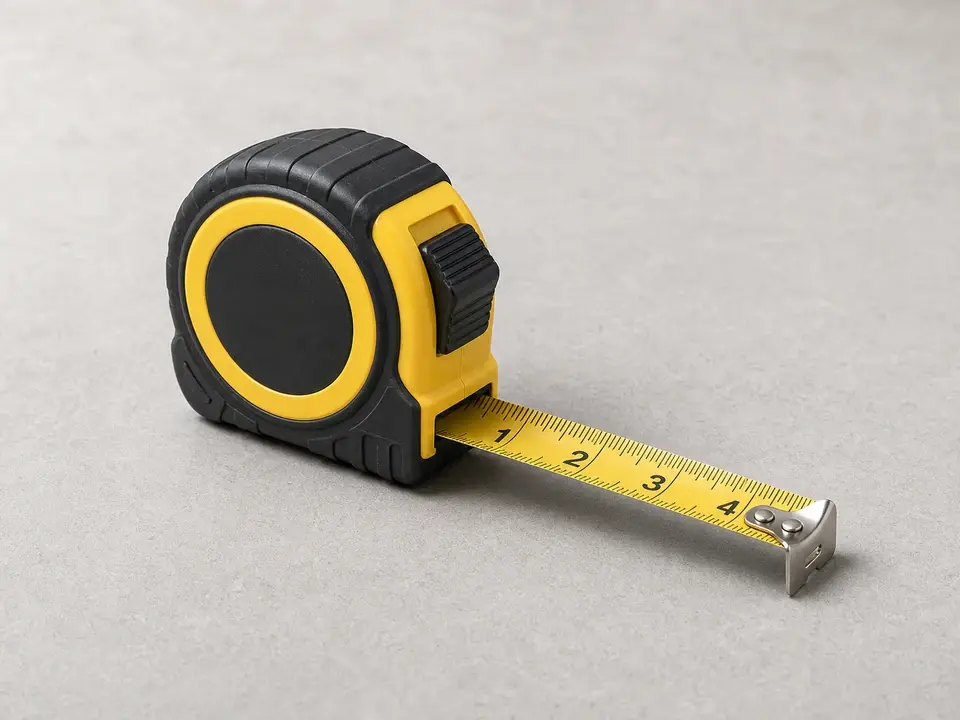
Use it for: To set both sensors at the same height for easier alignment.
Shop tape measures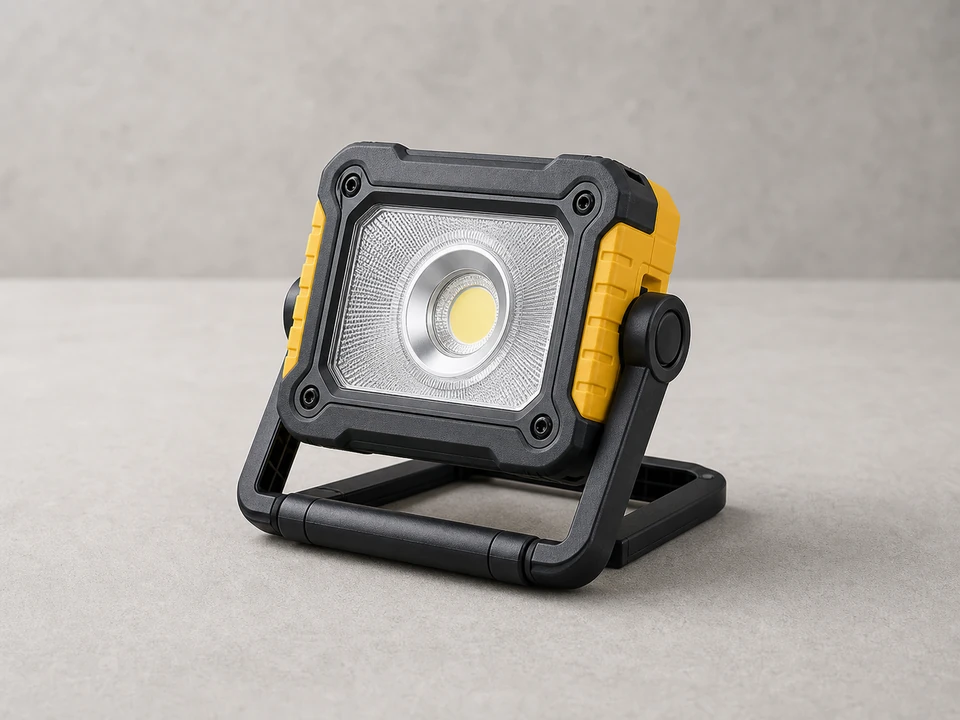
Use it for: To see wire colors, terminals, and indicator lights near the floor.
Shop work lightsAs an Amazon Associate I earn from qualifying purchases. Repair Riot may earn a commission at no extra cost to you.
If it works: You have a strong reason to replace the garage door safety sensor pair instead of chasing a simple blockage or dirty lens.
If it doesn’t: If both sensor lights are steady, the wiring looks intact, and the door still will not close normally, the problem may be elsewhere in the opener system.
If it works: The opener is de-energized and you have a clear record of how the old sensors were installed.
If it doesn’t: If you cannot safely reach the opener plug or connection point, use a stable ladder and better lighting before continuing.
If it works: Both old sensors are out and the existing low-voltage wires are free for the new installation.
If it doesn’t: If a fastener is rusted or stripped, support the bracket and work it loose carefully so you do not bend the track or pull the wire out of the wall.
If it works: The new garage door safety sensor pair is mounted securely and wired in place.
If it doesn’t: If the indicator lights do not come on after wiring, double-check the terminal positions, wire contact, and that the opener is still the correct match for the replacement pair.
If it works: Both sensors stay aligned with steady indicator lights and the opener recognizes the beam consistently.
If it doesn’t: If the lights flicker or go out, recheck sensor height, bracket straightness, and wire connections before assuming the new pair is defective.
If it works: The door closes normally, responds correctly when the beam is blocked, and the repair holds during repeated use.
If it doesn’t: If the door still reverses or only works intermittently, inspect the opener logic board, sensor wiring path, and door travel issues as the next likely causes.
Match the opener brand or sensor system, connector style, bracket style, and wire setup before ordering.
As an Amazon Associate I earn from qualifying purchases. Repair Riot may earn a commission at no extra cost to you.
Replacing both as a matched pair is usually the safer choice. The sensors are designed to work together, and replacing only one can leave you with compatibility or alignment problems.
Start by cleaning the lenses and checking alignment. If the lights will not stay steady, the housings are cracked, the wires are damaged, or the door only closes when you hold the wall button, replacement is a reasonable next step.
Not always. Match the sensor system to your opener setup, including connector style, bracket style, and wiring arrangement before ordering.
The new sensors may still be slightly out of alignment, the wire connections may be loose, or the problem may be elsewhere in the opener or door system. Recheck alignment first because even a small twist can break the beam.
No. The sensors are an important safety device. If the door only works when you hold the wall button, treat that as a fault to repair, not a feature to work around.