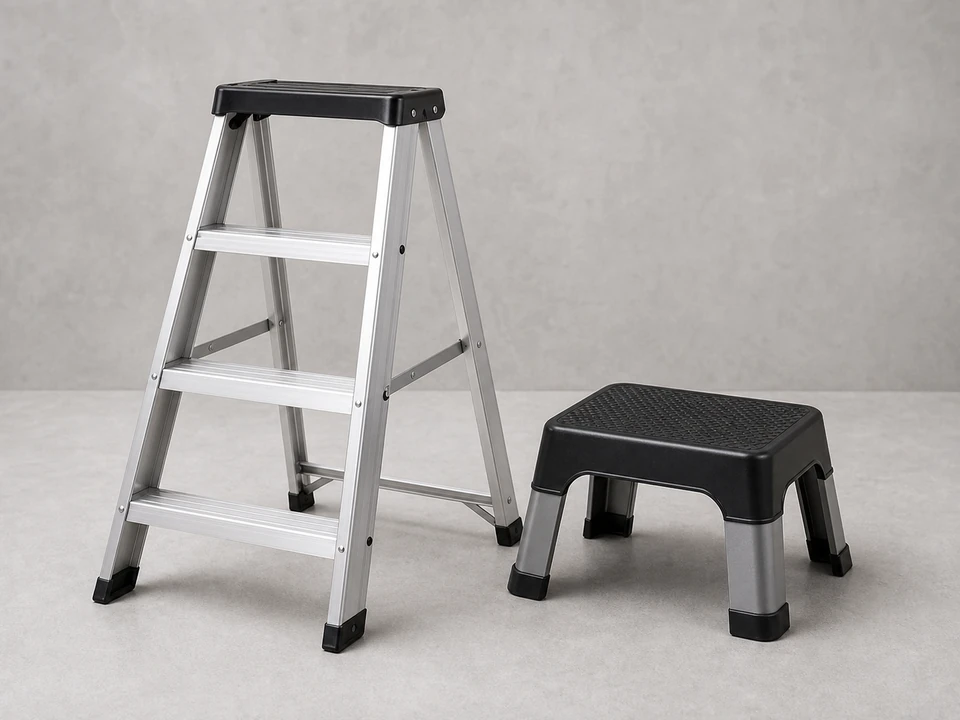
Stepladder
Use it for: Helps you safely reach the opener power plug and any wire routing above the door.
Shop stepladdersTo replace a garage door safety sensor set, confirm the sensors are the reason the door will not close, disconnect opener power, remove both old sensors, connect the new sensors to the same low-voltage wires, align them across the door opening, and test that the door closes and reverses properly.
Safety sensors sit near the bottom of the door tracks and stop the door from closing on a person, pet, or object. If one sensor has failed, is physically damaged, or will not stay aligned, replacing the full set is usually the cleanest fix.
Before you start: Match the replacement part to your exact garage door before ordering.
Use it for: Helps you safely reach the opener power plug and any wire routing above the door.
Shop stepladders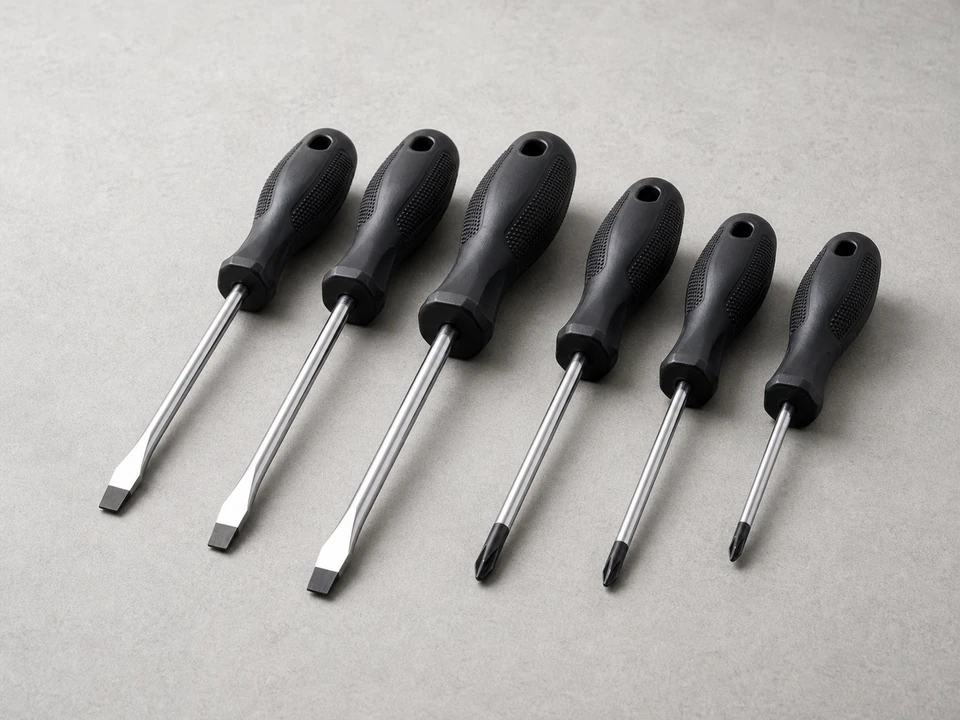
Use it for: Removes sensor brackets, wire terminals, or mounting screws.
Shop screwdriver sets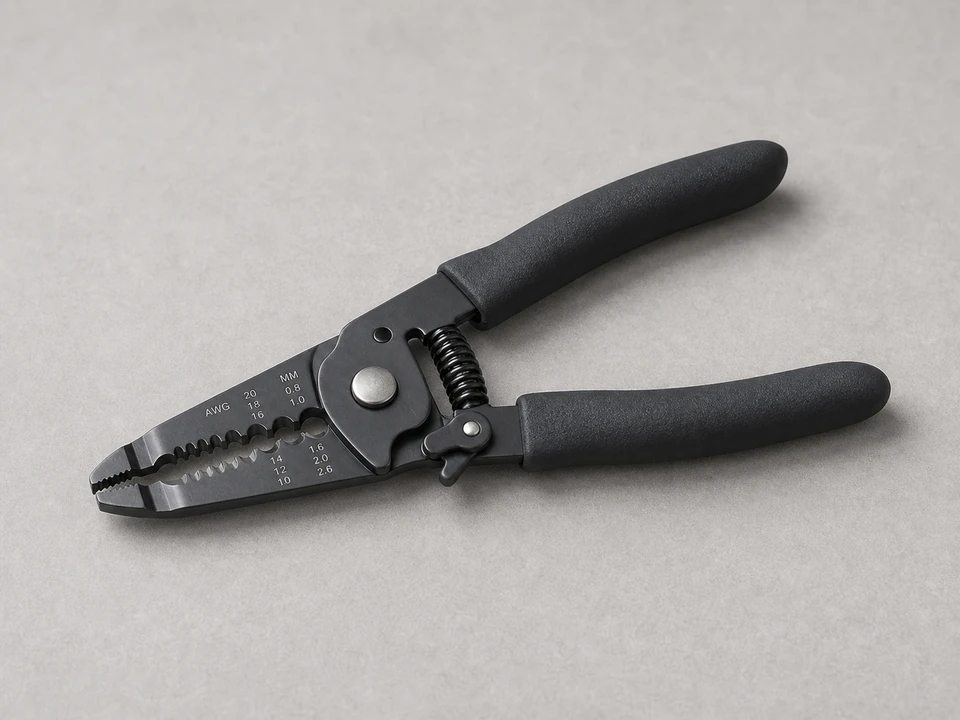
Use it for: Cuts and strips the small low-voltage sensor wires for clean connections.
Shop wire strippers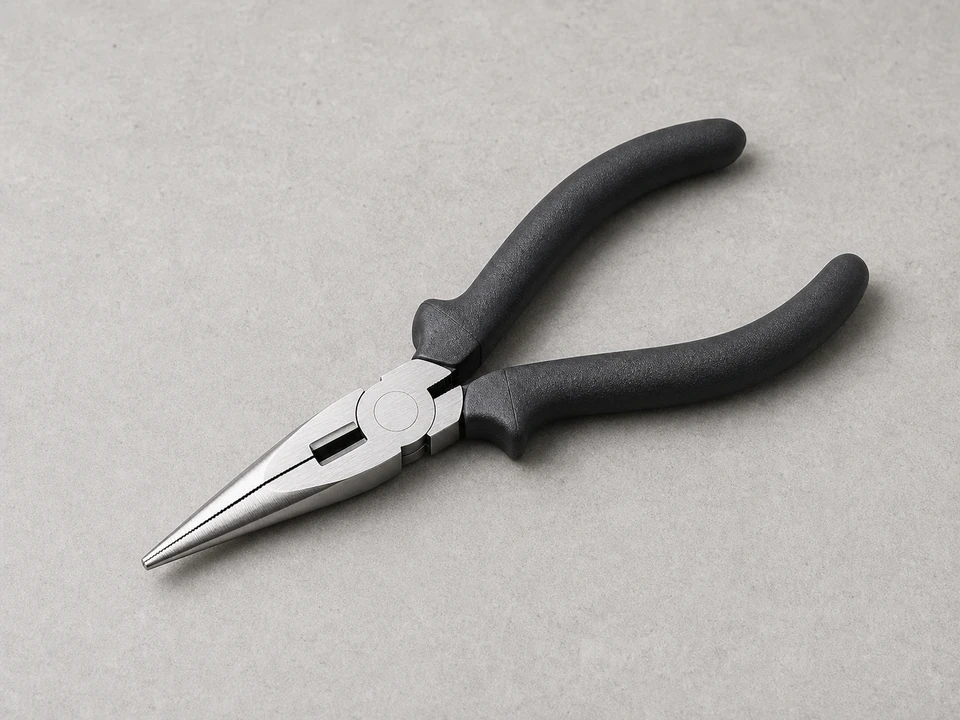
Use it for: Helps hold small wires and tighten simple clips or terminals.
Shop needle-nose pliers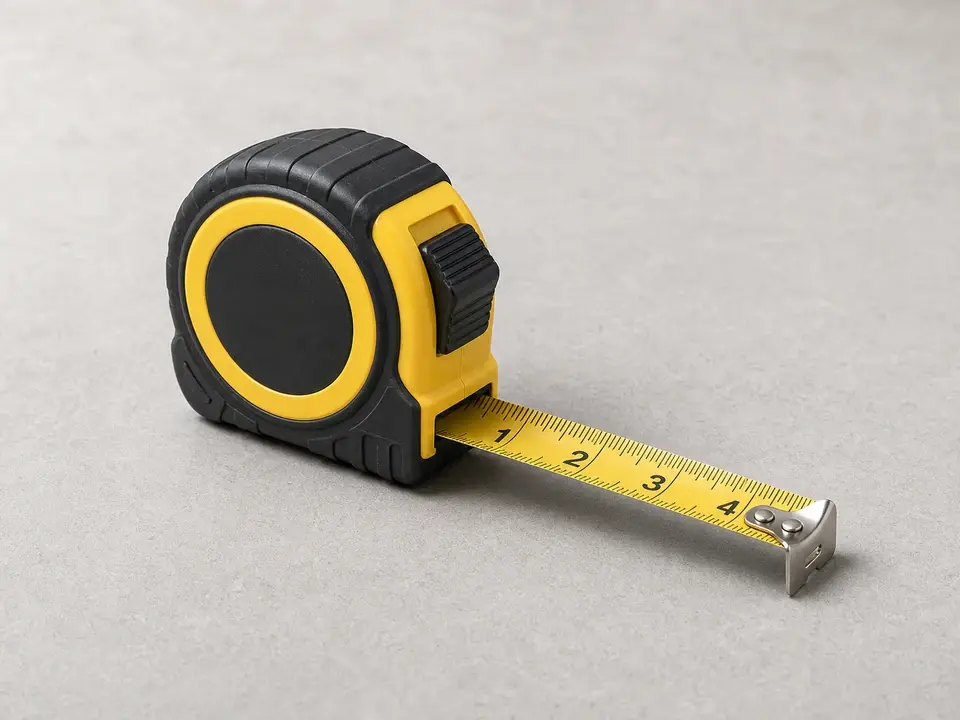
Use it for: Helps set both sensors at the same height above the floor.
Shop tape measures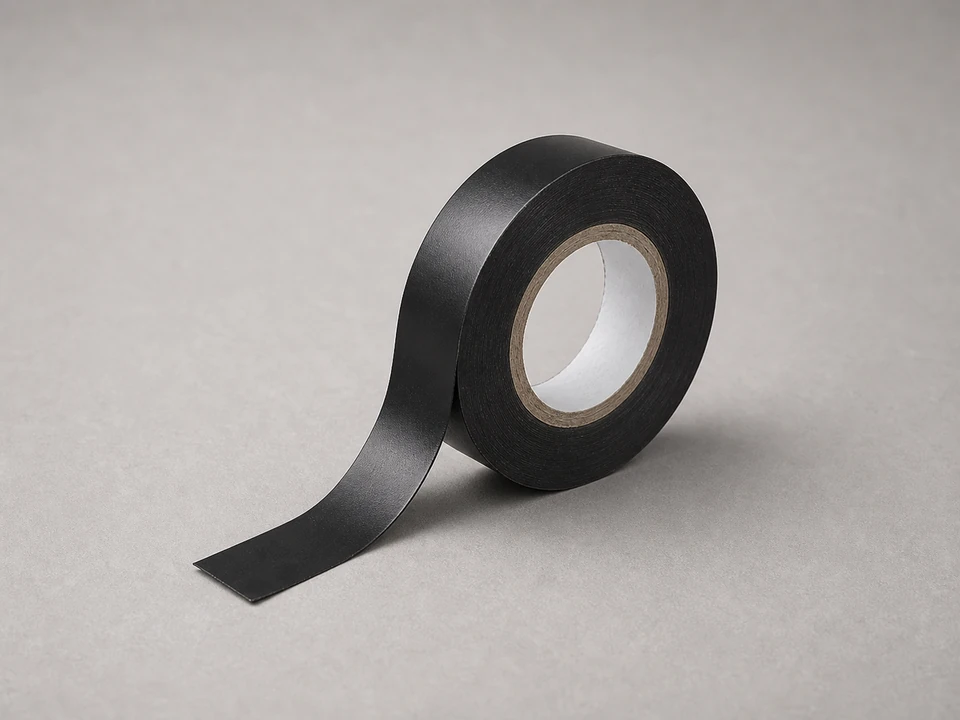
Use it for: Secures spliced sensor wires if the new set does not use the same connector style.
Shop low-voltage wire connectorsAs an Amazon Associate I earn from qualifying purchases. Repair Riot may earn a commission at no extra cost to you.
If it works: You have good reason to replace the sensor set because the old sensors are damaged, will not light properly, or will not stay aligned.
If it doesn’t: If cleaning and realigning the sensors restores normal door operation, you may not need to replace the set.
If it works: The opener is de-energized and you have a clear reference for how the old sensors were installed.
If it doesn’t: If you cannot safely disconnect power or reach the opener plug, stop and get help before working on the wiring.
If it works: Both old sensors are off and the low-voltage wires are ready for the new set.
If it doesn’t: If the wires are too short, brittle, or corroded to reconnect cleanly, plan to trim back to clean copper or extend them with proper low-voltage connectors.
If it works: The new sensors are mounted, wired, and ready to be aligned.
If it doesn’t: If the new sensor leads or connectors do not match your existing setup, compare the replacement instructions and your opener wiring before going further.
If it works: The sensor lights show the beam is established and the sensors stay aligned when you let go.
If it doesn’t: If the lights still will not settle, recheck every wire connection, make sure the lenses are clean, and confirm the brackets are not twisted.
If it works: The door closes normally, reverses when the beam is blocked, and the new sensors stay aligned through repeated cycles.
If it doesn’t: If the door still will not close correctly, inspect the sensor wiring path back to the opener and consider other opener or door issues beyond the sensor set.
Match the replacement part to your exact garage door before ordering.
As an Amazon Associate I earn from qualifying purchases. Repair Riot may earn a commission at no extra cost to you.
Replacing the full set is often the safer choice when one sensor has failed or the pair is old, damaged, or incompatible with a single replacement. A matched set also makes alignment easier.
That usually means the opener is bypassing a problem in the safety sensor circuit. The sensors may be blocked, misaligned, disconnected, or failed.
Yes, if they are straight, solid, and fit the new sensors securely. If the old brackets are bent or loose, replace them so the sensors can hold alignment.
They are normally mounted near the bottom of the door opening, facing each other across the threshold. The key is that both sensors are at the same height and have a clear line of sight.
Recheck the low-voltage wire connections, confirm power is back on to the opener, and inspect the wire path for breaks or shorts. If wiring is intact and the sensors still stay dark, the problem may be in the opener wiring or control board.