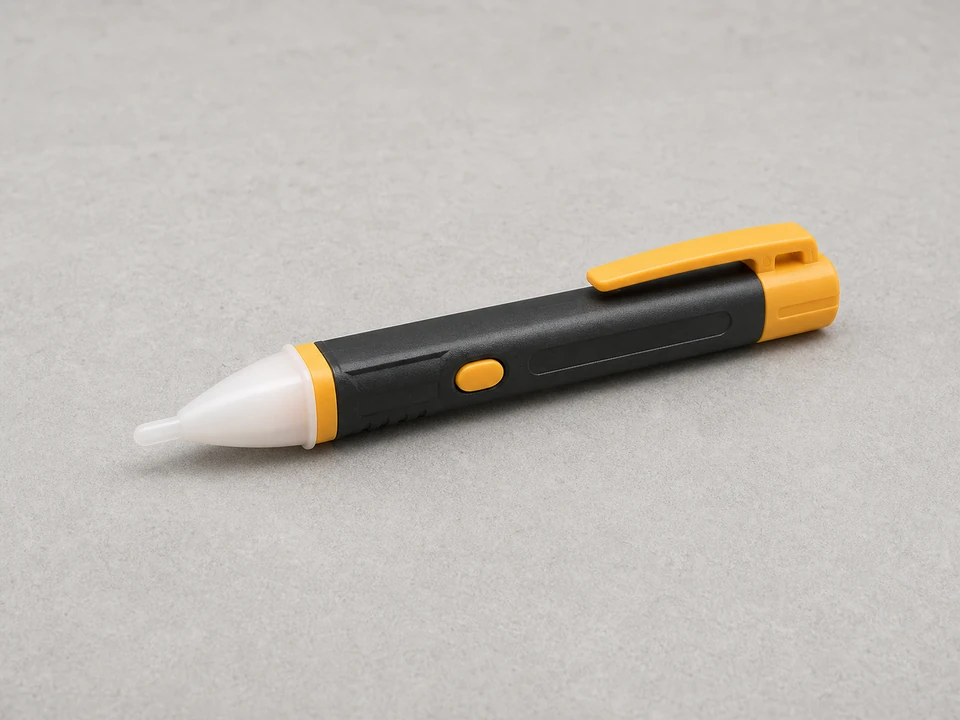
Non contact voltage tester
Use it for: To confirm the outlet box and wires are de-energized before you touch them.
Shop non-contact voltage testersIf your garage GFCI receptacle will not reset, will not provide power, or trips internally after you have confirmed the breaker and wiring are otherwise okay, replacing the receptacle is the usual fix.
This is a moderate electrical repair. The job is mostly about confirming you have the right replacement, shutting off the correct circuit, moving each wire to the matching terminal, and testing the new GFCI before you trust it.
Before you start: Match the device style, amperage, GFCI type, and whether your existing wiring uses both LINE and LOAD terminals before ordering.
Use it for: To confirm the outlet box and wires are de-energized before you touch them.
Shop non-contact voltage testers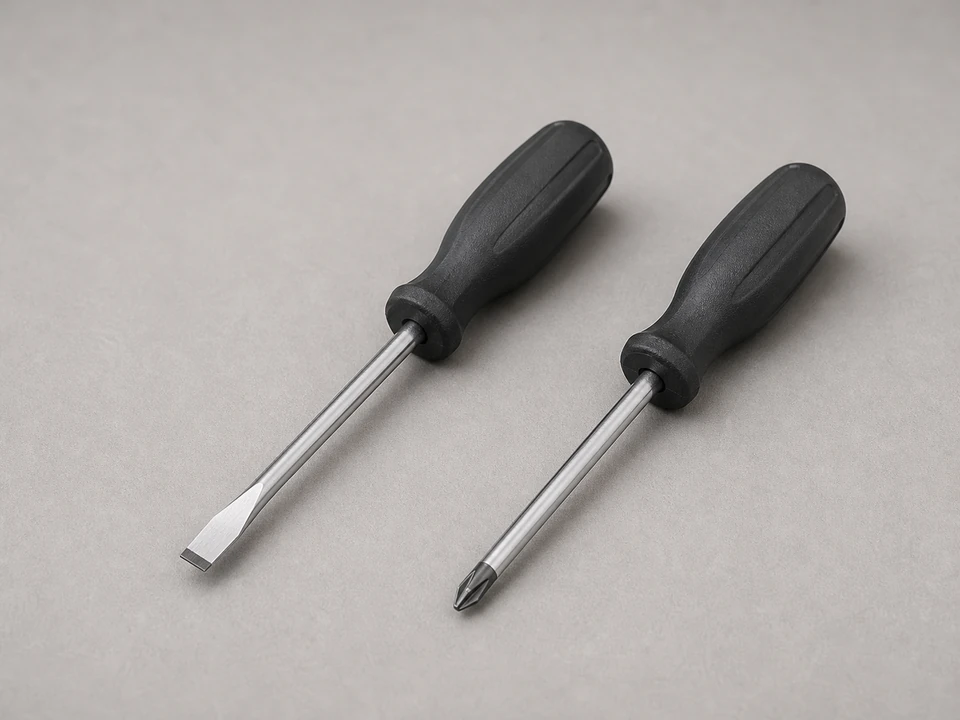
Use it for: To remove the cover plate, device screws, and terminal screws.
Shop screwdrivers
Use it for: To bend wire loops neatly and help move conductors onto the new device.
Shop needle-nose pliers
Use it for: To clean up damaged wire ends if you need to re-strip a conductor.
Shop wire strippers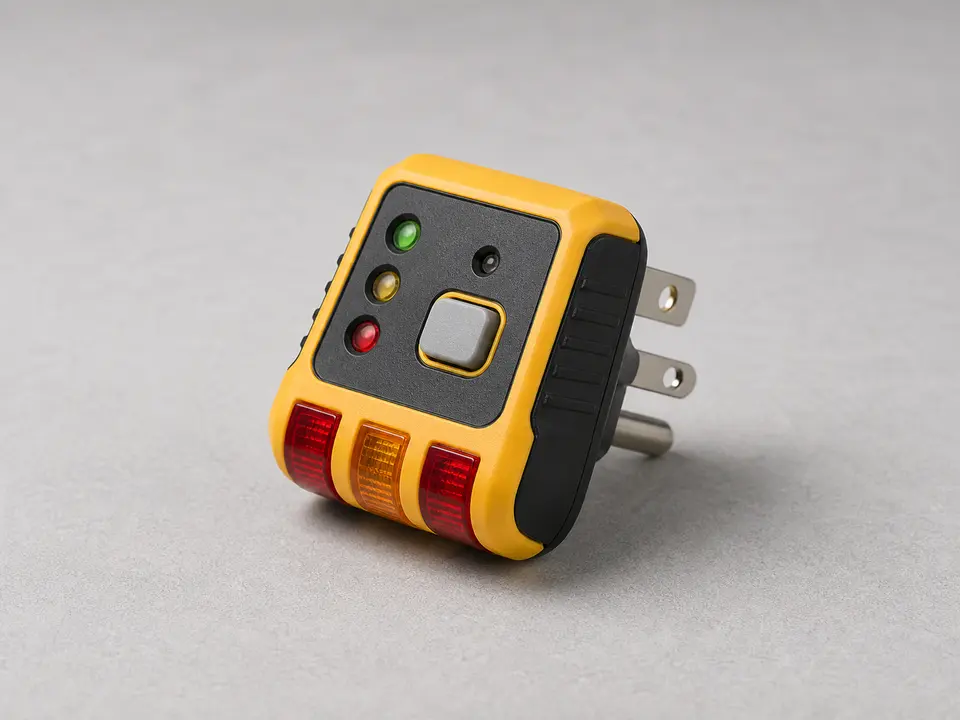
Use it for: To verify the new receptacle powers up and trips properly after installation.
Shop GFCI outlet testersAs an Amazon Associate I earn from qualifying purchases. Repair Riot may earn a commission at no extra cost to you.
If it works: You have a strong reason to replace the garage GFCI receptacle instead of chasing a different problem first.
If it doesn’t: If the outlet works normally after resetting the breaker or another upstream GFCI, you likely do not need to replace this receptacle.
If it works: The receptacle is out far enough to inspect, and you have confirmed the circuit is de-energized.
If it doesn’t: If your tester still shows power, go back to the panel and identify the correct breaker before continuing.
If it works: You know which wires belong on LINE and which, if present, belong on LOAD.
If it doesn’t: If you cannot confidently identify the incoming power wires and any downstream load wires, pause and have the circuit traced before installing the new receptacle.
If it works: The old receptacle is free, and the wires are clean and ready for the new device.
If it doesn’t: If the conductors are too short, badly overheated, or the ground connection is missing, the box may need additional repair before a new receptacle can be installed.
If it works: The new receptacle is wired to the correct terminals, mounted straight, and fully reassembled.
If it doesn’t: If the wires do not fit the terminal layout cleanly, remove the device and recheck your photo, labels, and the LINE versus LOAD markings.
If it works: The new garage GFCI receptacle resets, supplies power, trips when tested, and restores power again after reset.
If it doesn’t: If the new receptacle will not reset or downstream outlets behave oddly, turn the breaker back off and recheck LINE and LOAD wiring before using the circuit.
Match the device style, amperage, GFCI type, and whether your existing wiring uses both LINE and LOAD terminals before ordering.
As an Amazon Associate I earn from qualifying purchases. Repair Riot may earn a commission at no extra cost to you.
A bad GFCI often will not reset, will not deliver power even with the breaker on, or trips internally with no load connected. Visible cracking, looseness, or heat damage also points to replacement.
Match the existing circuit and device rating. Check the old receptacle and the branch circuit before buying a replacement. If you are not sure, do not guess.
LINE is the incoming power from the panel. LOAD is only for wires feeding other outlets that you want this GFCI to protect. Mixing them up is a common reason a new GFCI will not reset or work correctly.
Many homeowners can if they are comfortable shutting off the breaker, testing for no power, and moving wires one at a time to the correct terminals. If the wiring is damaged, confusing, or unsafe, stop and call an electrician.
Immediate tripping usually points to miswired LINE and LOAD connections, a downstream fault, moisture, or damaged wiring. Turn the breaker off and recheck the wiring before using the outlet.