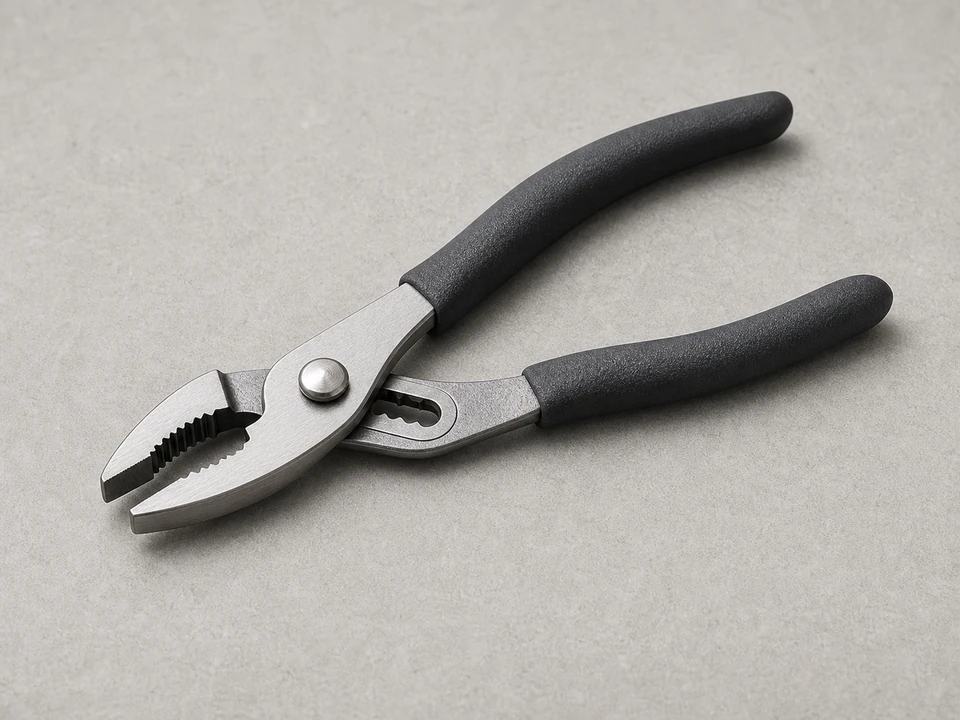
Slip joint pliers
Use it for: To loosen and tighten hose clamps and the mounting nut under the sink.
Shop slip-joint pliersTo replace a garbage disposal air gap assembly, confirm the air gap itself is cracked, loose, or leaking, then remove the old cap, disconnect the hoses under the sink, install the new body through the sink deck, reconnect the hoses, and test for leaks and proper drainage.
This is a manageable homeowner repair if the hoses and sink opening are still in good shape. Most of the work happens under the sink, so give yourself room, keep a towel handy, and replace the assembly only after you are confident the air gap body is the source of the problem.
Before you start: Match the replacement part to your exact garbage disposal before ordering.
Use it for: To loosen and tighten hose clamps and the mounting nut under the sink.
Shop slip-joint pliers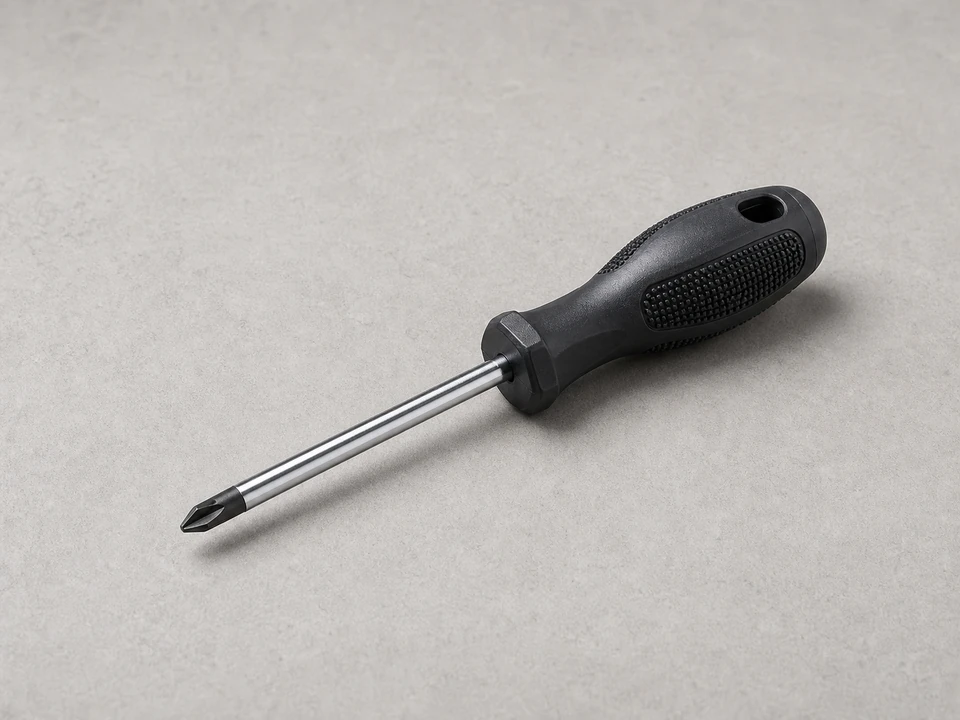
Use it for: To remove or tighten worm-drive hose clamps if your hoses use them.
Shop screwdrivers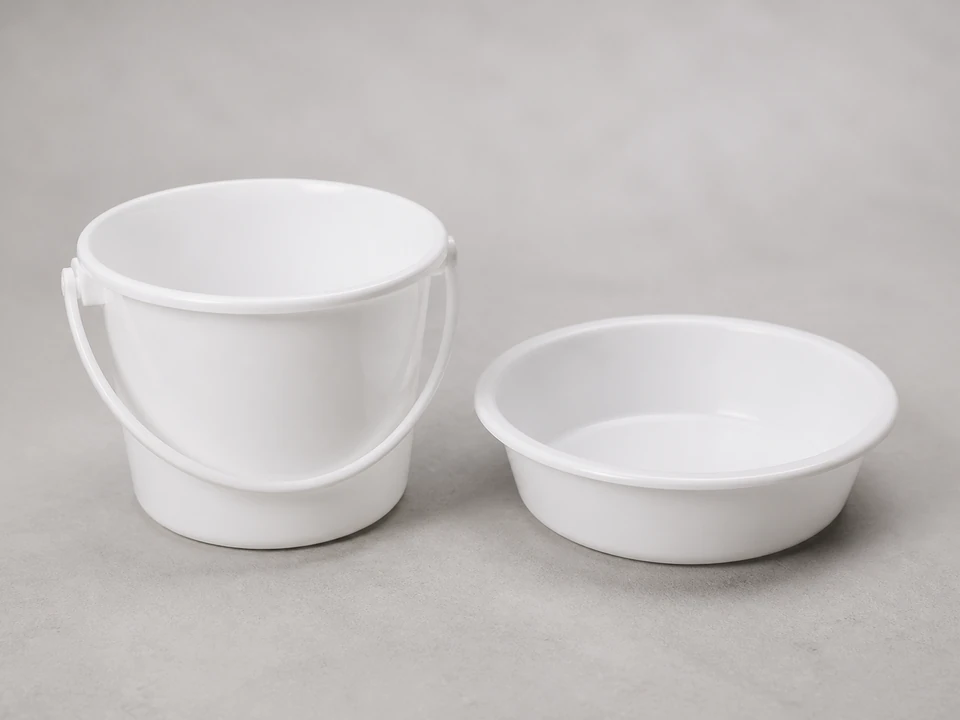
Use it for: To catch water left in the dishwasher and drain hoses when you disconnect them.
Find a small drain bucket
Use it for: To protect the cabinet floor and wipe up drips while you work.
Shop absorbent shop towels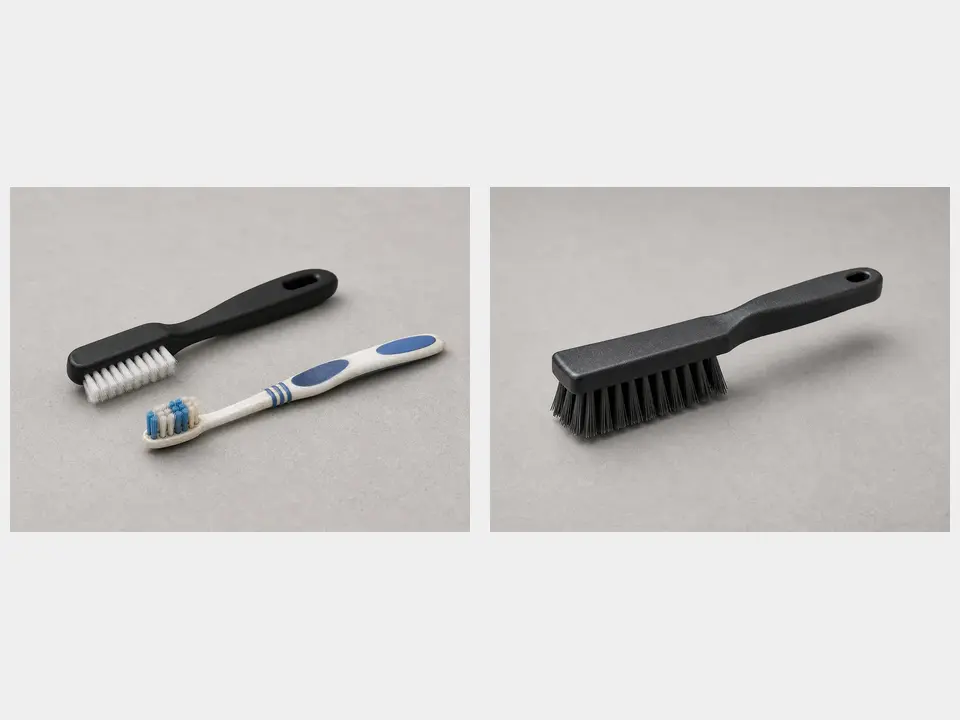
Use it for: To clean the sink opening and hose ends before installing the new assembly.
Find a small cleaning brushAs an Amazon Associate I earn from qualifying purchases. Repair Riot may earn a commission at no extra cost to you.
If it works: You have confirmed the air gap assembly itself is damaged, loose, or leaking and replacement makes sense.
If it doesn’t: If the air gap only overflows when the disposal runs, clean the hose to the disposal and clear the disposal inlet before replacing the assembly.
If it works: The old air gap assembly is disconnected from the hoses and ready to come out.
If it doesn’t: If a hose is stuck, rotate it gently to break it free instead of prying hard against the plastic body.
If it works: The old assembly is out and the sink opening and hose ends are clean and ready for the new part.
If it doesn’t: If the new air gap does not fit through the opening easily, compare the old and new parts before forcing anything.
If it works: The new air gap assembly is mounted firmly, straight, and seated flat at the sink deck.
If it doesn’t: If the body spins or rocks, loosen it, recenter it, and retighten until it sits flat and stable.
If it works: Both hoses are fully seated, clamped, and routed cleanly without kinks.
If it doesn’t: If a hose feels loose even with the clamp tightened, remove it and check for a stretched or cracked hose end before testing.
If it works: The new air gap stays dry at the top, the hose connections stay dry below, and water drains without backing up through the air gap.
If it doesn’t: If water still comes out of the air gap, clear the hose to the disposal and make sure the disposal inlet or drain connection is not blocked.
Match the replacement part to your exact garbage disposal before ordering.
As an Amazon Associate I earn from qualifying purchases. Repair Riot may earn a commission at no extra cost to you.
It creates a break in the dishwasher drain line so dirty sink or disposal water cannot siphon back toward the dishwasher. It also gives you a visible overflow point when the downstream drain path is blocked.
Not always. Overflow at the top often means the larger hose to the disposal or drain connection is clogged or restricted. Replace the air gap when the body is cracked, the mounting is damaged, or the assembly leaks even after the drain path is cleared.
Usually no, because you are working on drain hoses, not a pressurized supply line. You do need to be ready for leftover water in the hoses, and it is smart to turn off disposal power if you are working close to it.
Yes, if they are flexible, clean enough to seal, and not split or hardened. If a hose is brittle, stretched, or cracked at the end, replace it so the new air gap can seal properly.
That usually points to a blockage after the air gap, most often in the larger hose to the disposal, the disposal inlet, or the drain connection. The new air gap cannot fix a downstream clog by itself.