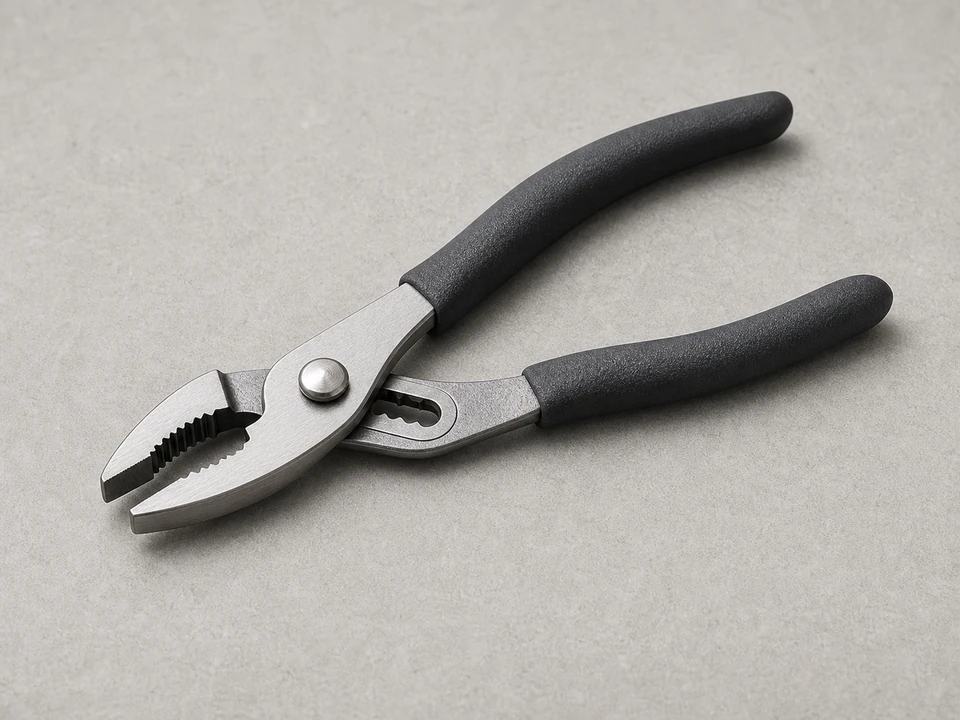
Slip joint pliers
Use it for: To loosen and tighten spring clamps or stubborn hose connections.
Shop slip-joint pliersTo replace a garbage disposal air gap hose, first confirm the hose is the source of the leak or blockage, then remove the old hose from the air gap and disposal or drain connection, install a matching replacement, secure the clamps, and test with a full sink drain cycle.
This is a straightforward under-sink repair if the hose is cracked, split, loose, or too clogged up to clean reliably. The main job is working in a tight space without creating a new leak.
Before you start: Match the replacement hose diameter and length to your existing setup before ordering.
Use it for: To loosen and tighten spring clamps or stubborn hose connections.
Shop slip-joint pliers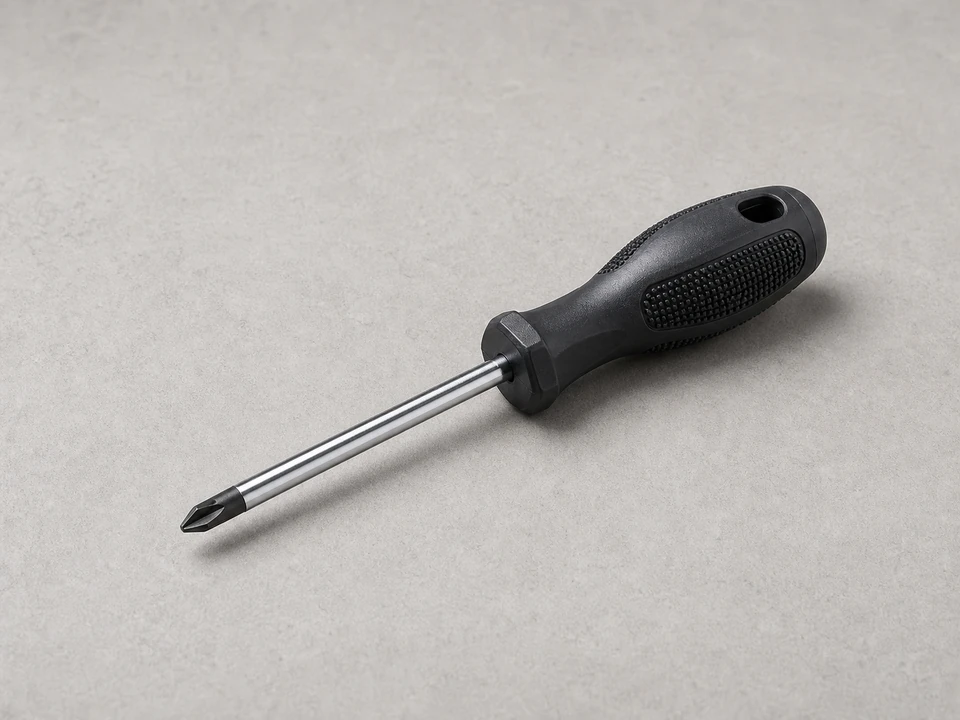
Use it for: To remove worm-drive hose clamps or nearby brackets if needed for access.
Shop screwdrivers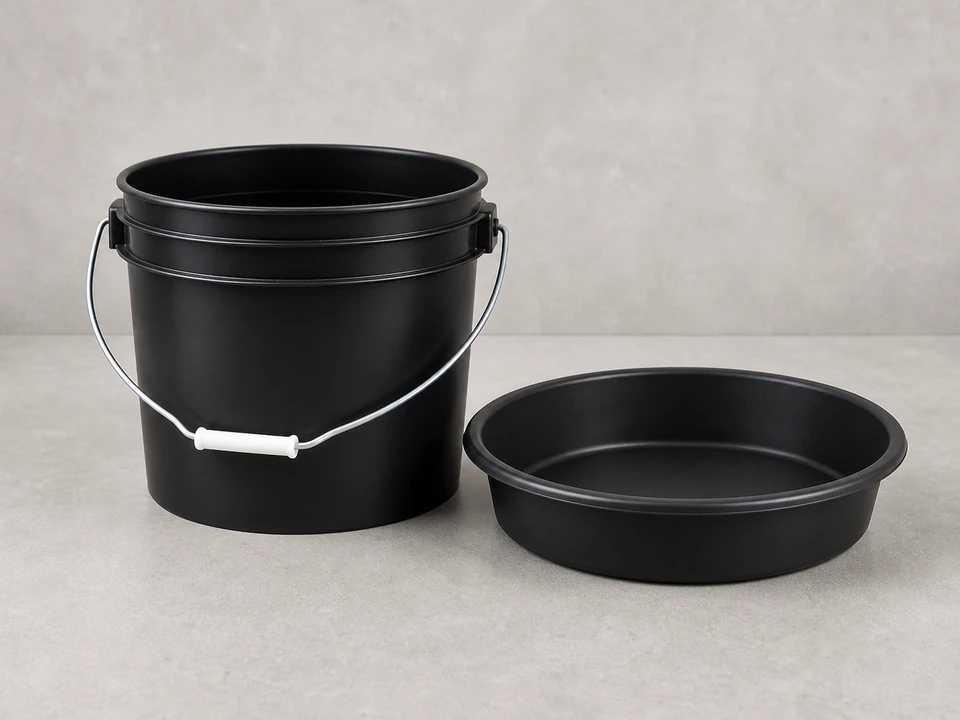
Use it for: To catch water left in the hose when you disconnect it.
Find a drain pan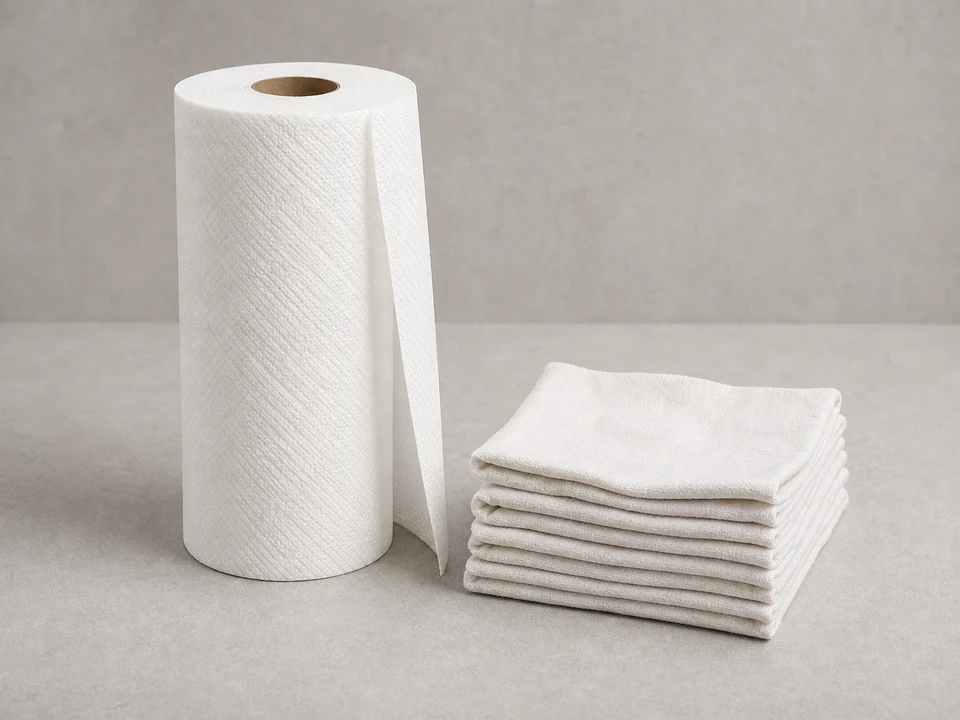
Use it for: To wipe up water and dry the fittings before leak testing.
Shop cleaning rags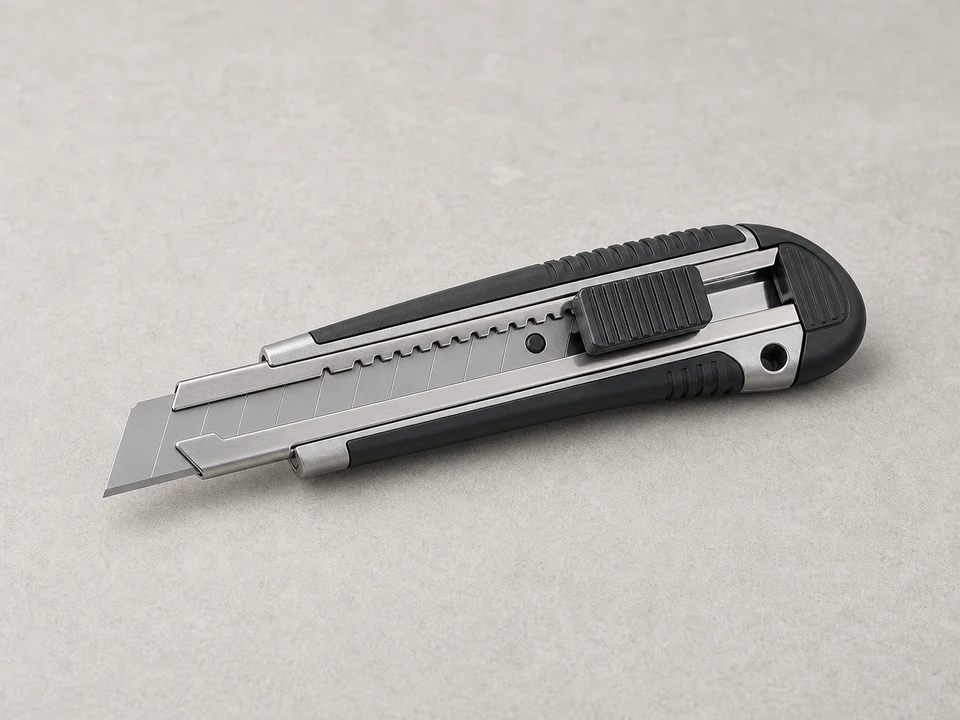
Use it for: To trim replacement hose cleanly if it comes longer than needed.
Shop utility knives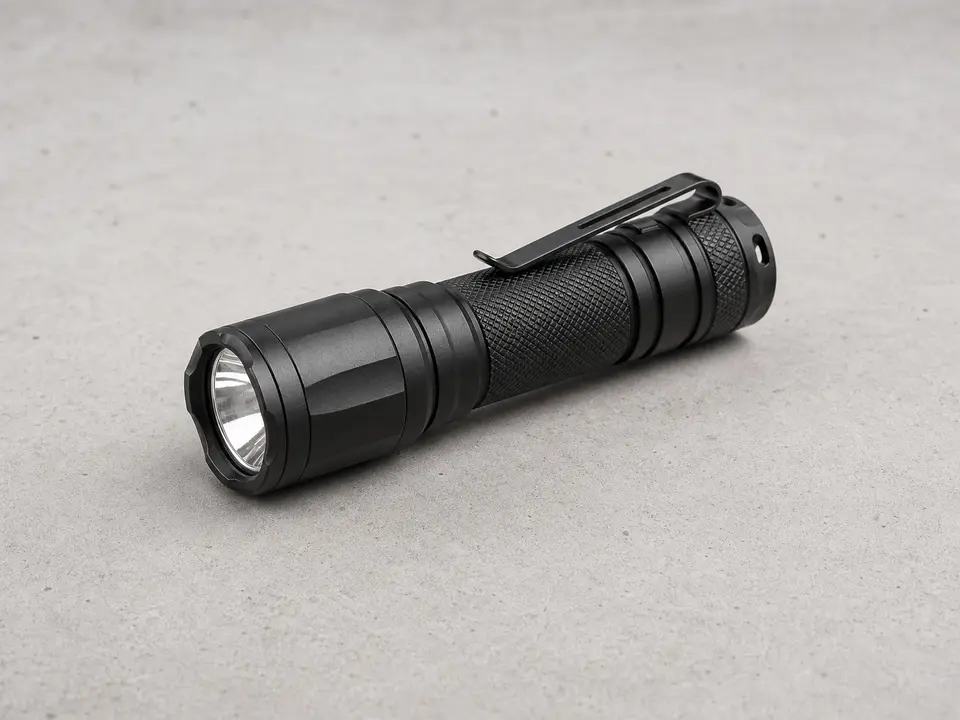
Use it for: To see the air gap, hose routing, and clamp position under the sink.
Find a work flashlightAs an Amazon Associate I earn from qualifying purchases. Repair Riot may earn a commission at no extra cost to you.
If it works: You have confirmed the hose is leaking, damaged, badly kinked, or too deteriorated to trust.
If it doesn’t: If water is coming from the sink drain, dishwasher hose, disposal body, or a loose mounting area instead, diagnose that leak first before replacing the air gap hose.
If it works: The disposal is off, the area is clear, and you are ready to disconnect the hose without making a mess.
If it doesn’t: If you cannot reach the hose clamps or fittings comfortably, improve access first by moving nearby items or using better lighting.
If it works: The old hose is off and both connection points are exposed.
If it doesn’t: If the hose will not come off, keep working it loose with a gentle twist rather than pulling hard enough to crack the fitting.
If it works: The replacement hose is the right size and ready to install with clamps in place.
If it doesn’t: If the new hose does not fit over the fittings snugly or is clearly the wrong diameter, stop and get the correct hose rather than forcing it.
If it works: The new hose is fully seated, clamped at both ends, and routed cleanly.
If it doesn’t: If the hose keeps trying to kink or pull off-center, remove it and shorten or reroute it before testing.
If it works: The sink drains normally, the air gap does not overflow, and the new hose stays dry at both ends and along its length.
If it doesn’t: If the air gap still overflows but the new hose does not leak, clear the disposal inlet or downstream drain path because the root problem may be a blockage rather than the hose itself.
Match the replacement hose diameter and length to your existing setup before ordering.
As an Amazon Associate I earn from qualifying purchases. Repair Riot may earn a commission at no extra cost to you.
It carries discharge water from the air gap to the disposal or drain connection. If it splits, clogs, or comes loose, water can leak under the sink or back up at the air gap on the countertop.
Usually yes, if they still tighten securely and are not rusted or bent. If a clamp feels weak or will not hold even pressure, replace it.
That usually means the hose was not the only problem. The disposal inlet, dishwasher branch, or drain line may still be blocked, so water cannot move through fast enough.
Not always. If the hose material is still solid and flexible, cleaning it may be enough. Replace it if it is cracked, brittle, permanently kinked, or too dirty inside to trust.
Tight enough to seal the hose without cutting into it or cracking the fitting underneath. The hose should not twist or slide off by hand once the clamp is set.