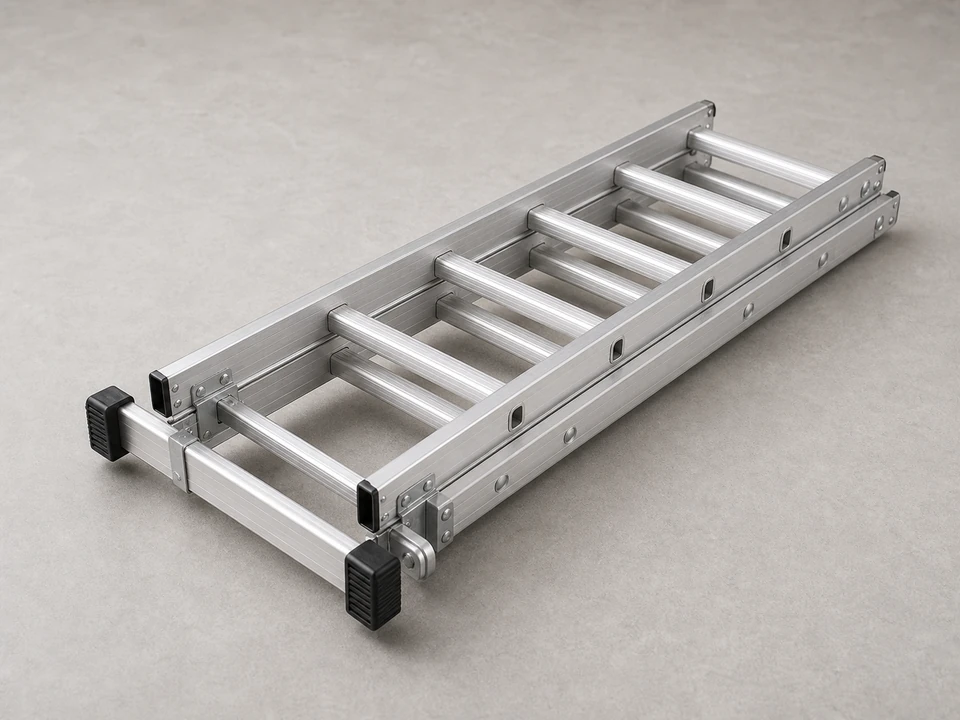
Extension ladder
Use it for: To reach the gutter safely and work one short section at a time.
Shop extension laddersTo replace gutter guards, first confirm the guards are bent, loose, or too clogged to clean, then remove the old sections, clear the gutter channel, and install new guards that match your gutter shape and width.
This is a straightforward repair if you can work safely from a stable ladder. The main job is choosing guards that actually fit your gutter and fastening them so they stay put during rain and wind.
Before you start: Match the replacement part to your exact gutter before ordering.
Use it for: To reach the gutter safely and work one short section at a time.
Shop extension ladders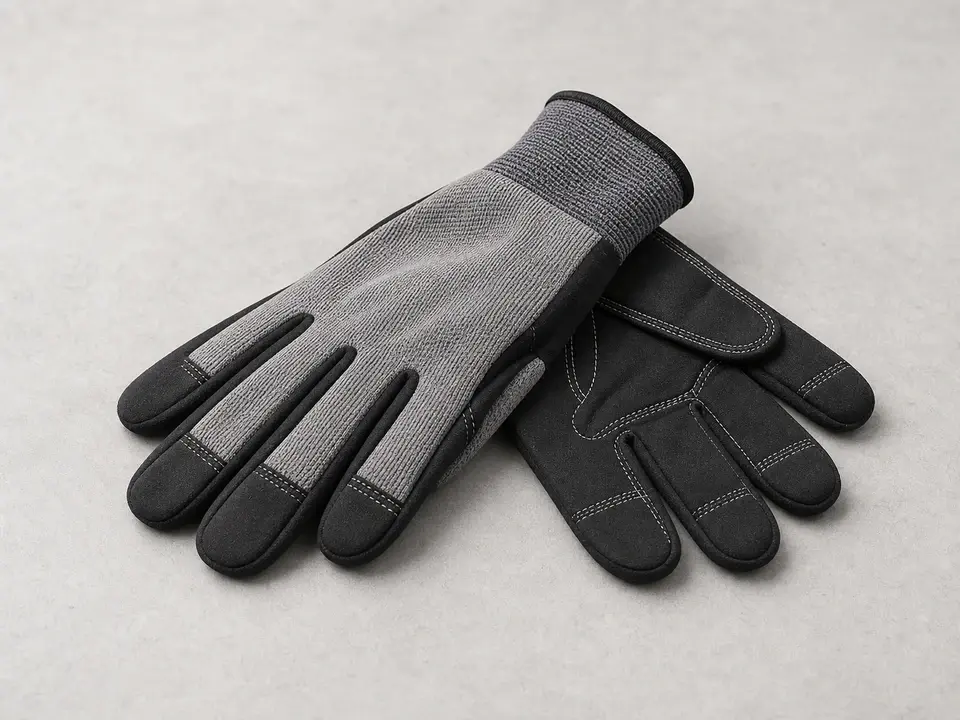
Use it for: To protect your hands from sharp metal edges, screws, and roof grit.
Shop work gloves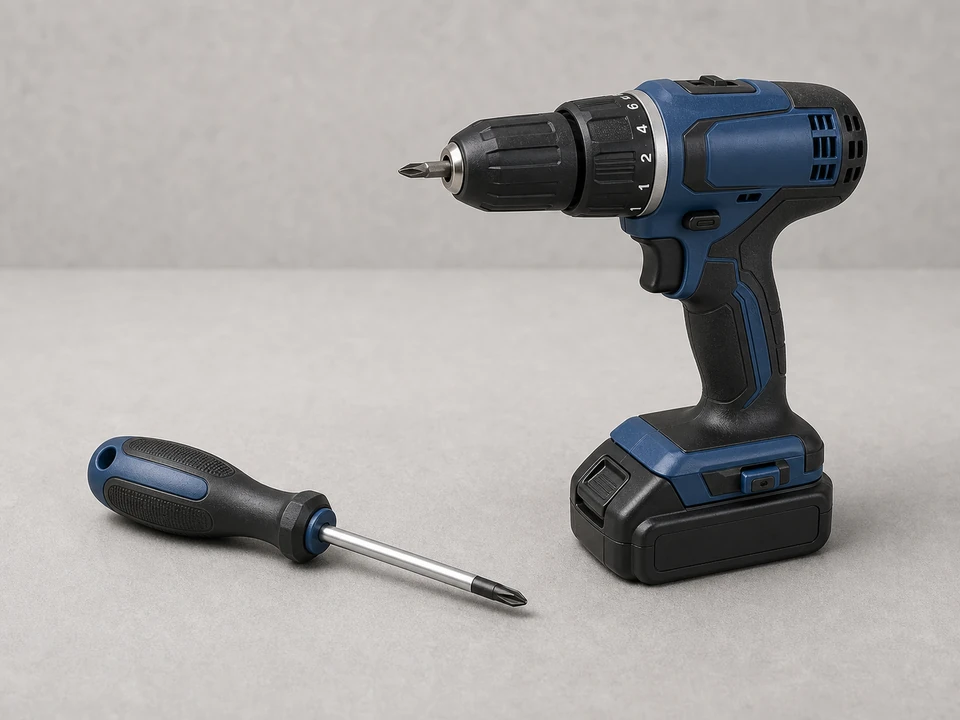
Use it for: To remove old fasteners and secure new gutter guards if your style uses screws.
Shop drills and screwdrivers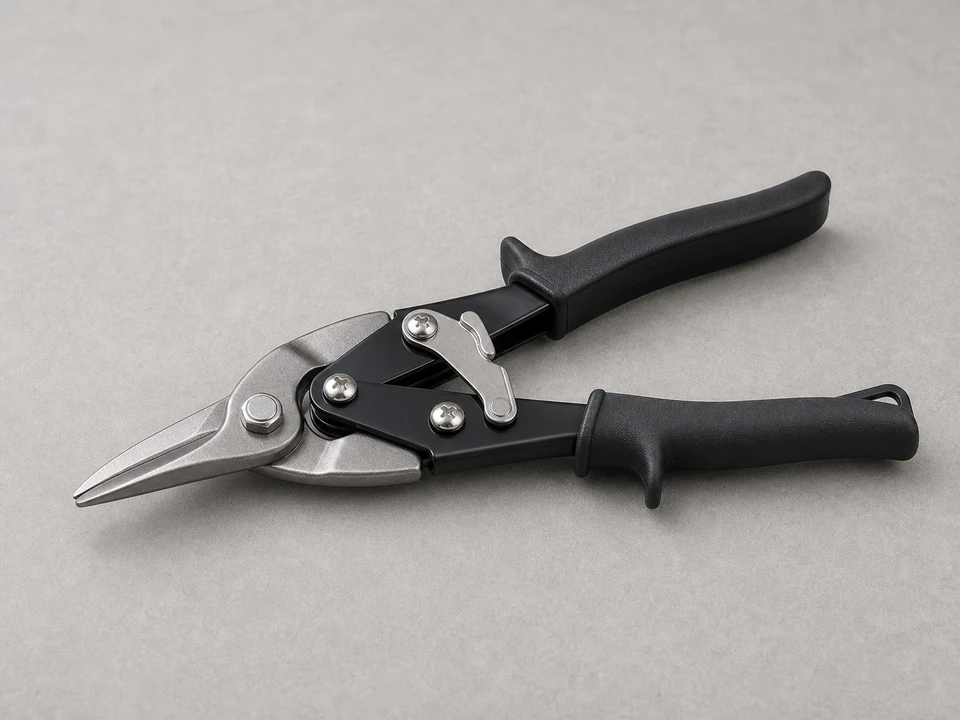
Use it for: To trim metal or plastic guard sections to length.
Shop tin snips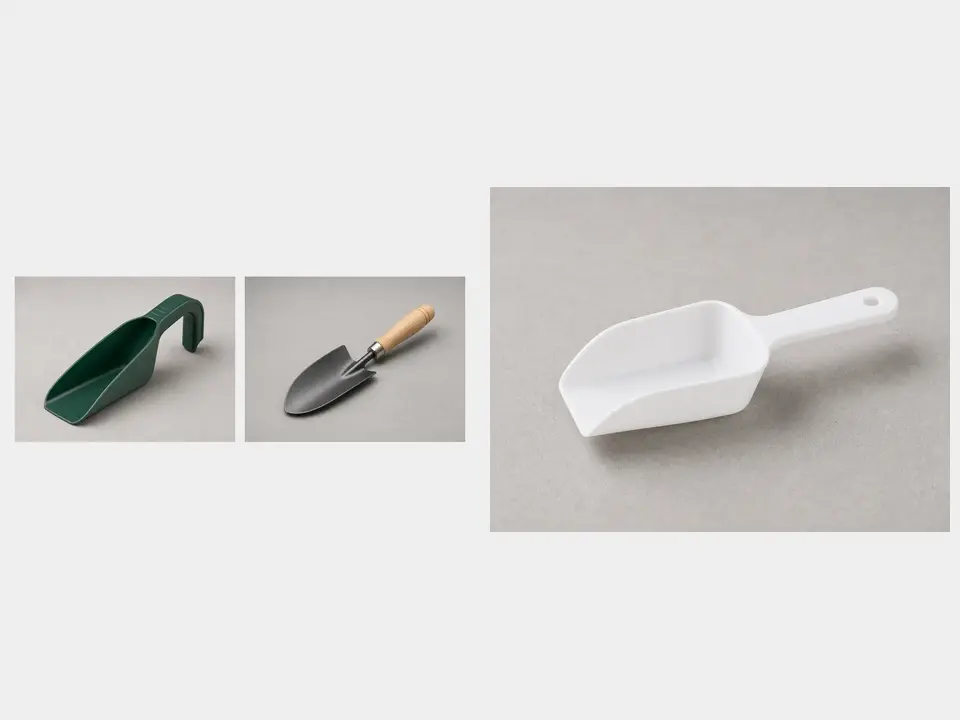
Use it for: To remove packed debris before the new guards go on.
Shop gutter scoops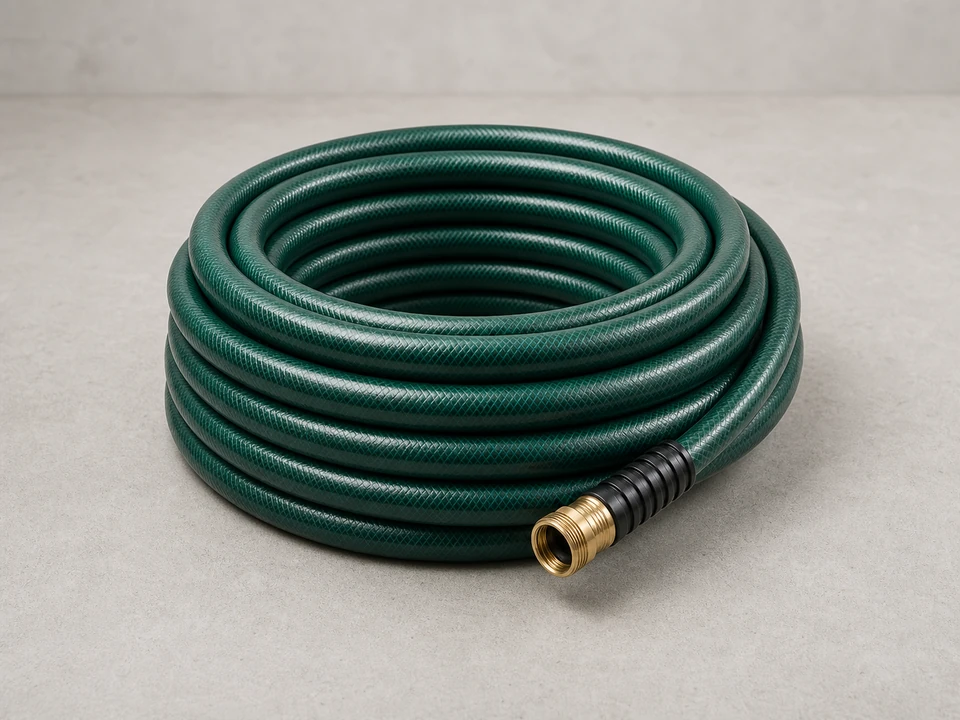
Use it for: To flush the gutter and confirm water flows to the downspout after installation.
Shop garden hosesAs an Amazon Associate I earn from qualifying purchases. Repair Riot may earn a commission at no extra cost to you.
If it works: You know the guards need replacement and you have a clear idea of the size and attachment style to buy.
If it doesn’t: If the guards are intact and just dirty, clean them first instead of replacing them.
If it works: The old gutter guards are off and the gutter itself is still in good shape.
If it doesn’t: If a section will not come free, look again for hidden screws or clips before forcing it.
If it works: The gutter is clean, drains toward the downspout, and is ready for new guards.
If it doesn’t: If water will not drain, clear the downspout or fix the drainage issue before installing new guards.
If it works: The new guards fit the gutter correctly and you know how each section will sit before fastening everything.
If it doesn’t: If the test section rocks, gaps badly, or will not seat correctly, recheck the gutter size and guard style before continuing.
If it works: The new gutter guards are installed evenly and feel secure by hand.
If it doesn’t: If a section feels loose, remove it and reset the fastener or trim the piece for a better fit.
If it works: Water flows into the gutter and out the downspout without obvious overflow, and the guards stay in place after real weather.
If it doesn’t: If one area still overflows, recheck that section for the wrong fit, a clogged downspout, or a gutter slope problem.
Match the replacement part to your exact gutter before ordering.
As an Amazon Associate I earn from qualifying purchases. Repair Riot may earn a commission at no extra cost to you.
Yes, if the rest of the guards are still secure and the replacement matches the same width and attachment style. If several sections are failing, replacing the full run usually gives a cleaner result.
Yes. New guards should go over a clean gutter channel. If debris stays underneath, water can back up and the new guards will not solve the real problem.
Stop and recheck the gutter size, profile, and guard style. A poor fit usually means the wrong replacement was chosen or the gutter itself is bent and needs repair first.
No. They reduce how much debris gets into the gutter, but most systems still need occasional inspection and light cleaning, especially after storms or heavy leaf drop.
Only if the old guards are the actual cause. Overflow can also come from clogged downspouts, poor gutter slope, undersized gutters, or water shooting past the gutter from the roof edge.