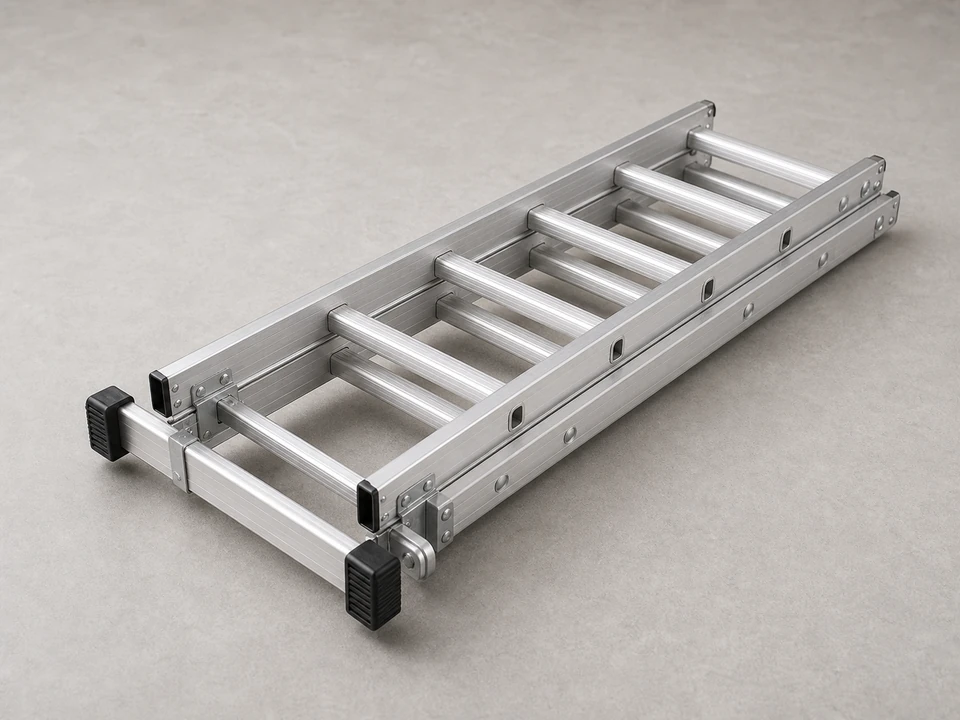
Extension ladder
Use it for: To reach the gutter safely and work at the hanger location.
Shop extension ladderTo replace gutter hanger screws, remove the loose or damaged screws, line the hanger back up, and drive matching exterior-rated replacement screws into solid wood so the gutter sits tight and supported again.
This is a good repair when a section of gutter is sagging, a hanger has pulled away, or the old screws are rusted, stripped, or missing. The goal is not just to put a new screw in the same hole, but to make sure the hanger is fastened into solid backing so the gutter can carry water without dropping again.
Before you start: Match the screw type, length, head style, and material rating before ordering.
Use it for: To reach the gutter safely and work at the hanger location.
Shop extension ladder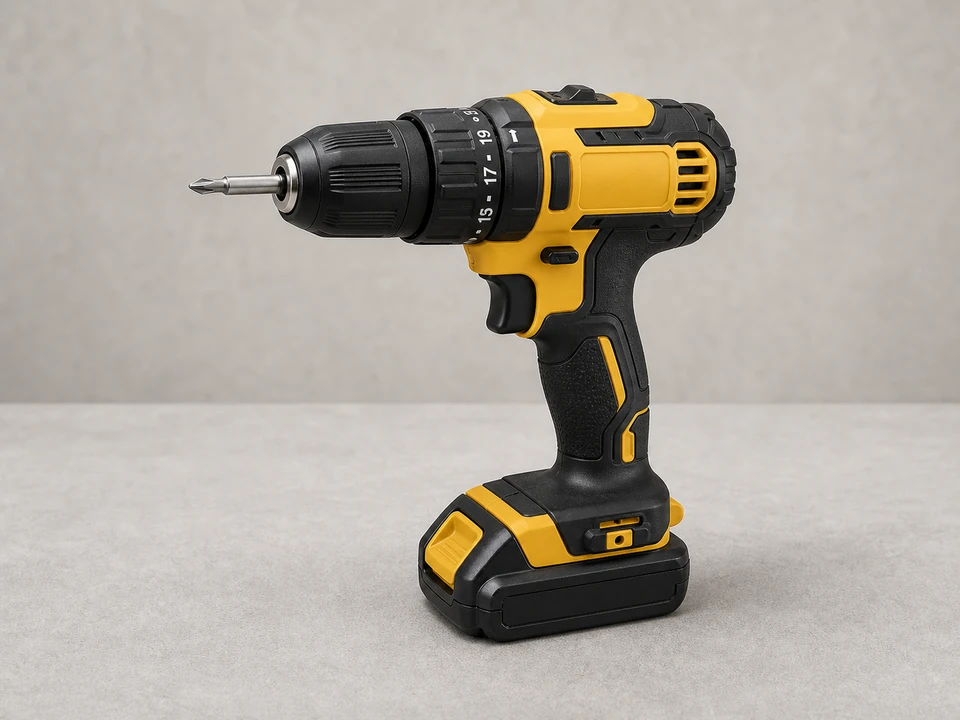
Use it for: To remove old screws and drive the replacement screws cleanly.
Shop drill driver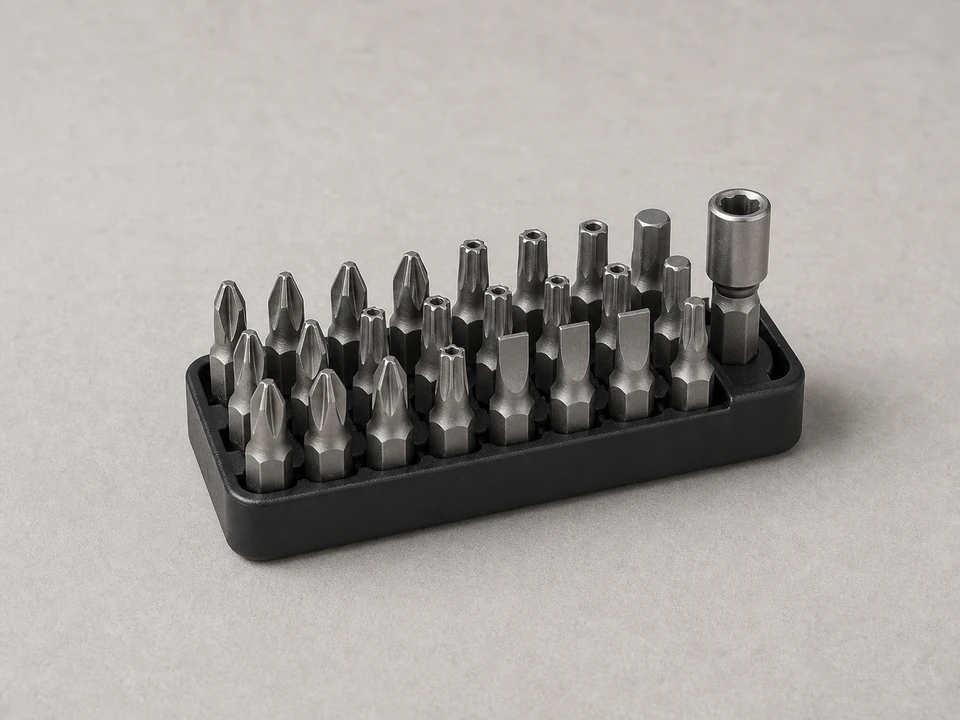
Use it for: To match the screw head and avoid stripping it during removal or installation.
Shop driver bit set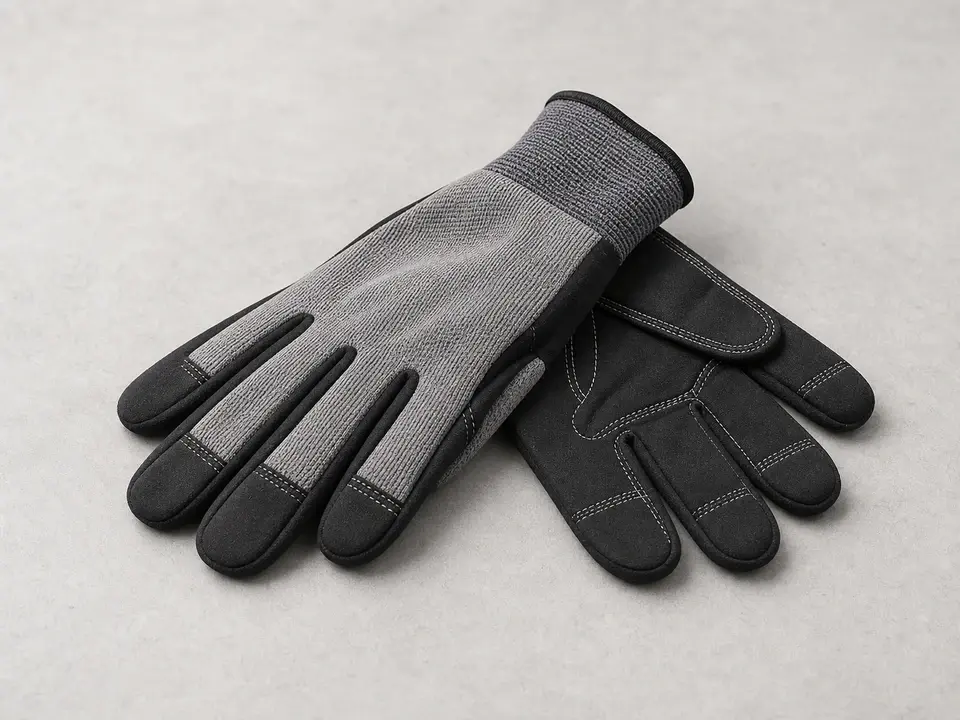
Use it for: To protect your hands from sharp gutter edges and old fasteners.
Shop work gloves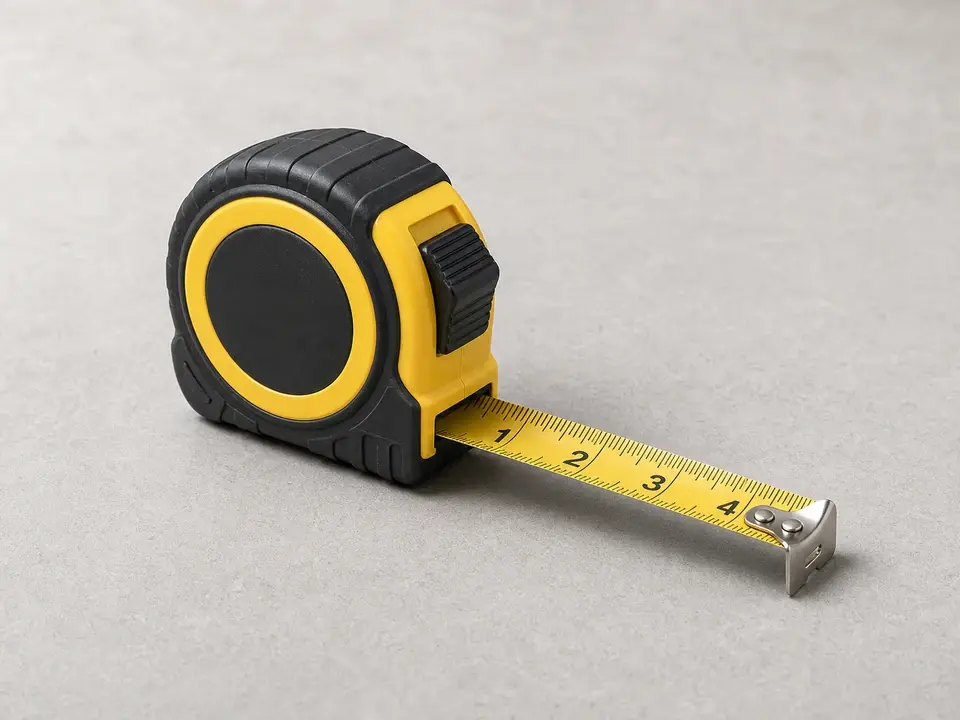
Use it for: To compare the old screw length and help match the replacement.
Shop tape measureAs an Amazon Associate I earn from qualifying purchases. Repair Riot may earn a commission at no extra cost to you.
If it works: You have confirmed the gutter hanger screw is the failed part and the hanger can likely be resecured.
If it doesn’t: If the hanger is bent, the gutter is torn, or the wood behind it is damaged, fix those issues first or replace the damaged hardware instead of only changing the screw.
If it works: You are set up safely and have a replacement screw that fits the hanger and the mounting surface.
If it doesn’t: If you are unsure about the size, take the old screw to a hardware store and match it before installing anything.
If it works: The old fastener is out and the hanger is lined up in the correct position.
If it doesn’t: If the hanger will not sit flat or the gutter stays twisted, straighten the hanger or reposition the gutter before driving the new screw.
If it works: The hanger is tight, the screw is seated cleanly, and the gutter no longer drops at that point.
If it doesn’t: If the screw keeps spinning or will not tighten, the wood behind the hanger is likely damaged or the screw is the wrong size.
If it works: The repaired area is aligned with the rest of the gutter and the nearby supports look stable.
If it doesn’t: If the gutter still sags between hangers, inspect for additional loose hangers or a section that needs more than one screw replaced.
If it works: The gutter stays supported under water load and the new screw holds without loosening.
If it doesn’t: If the hanger loosens again, the root problem is usually stripped or rotten backing, a damaged hanger, or a gutter section that needs broader repair.
Match the screw type, length, head style, and material rating before ordering.
As an Amazon Associate I earn from qualifying purchases. Repair Riot may earn a commission at no extra cost to you.
Sometimes, but only if the new screw still fits the hanger properly and bites into solid wood. If the old hole is stripped and the wood is weak, a bigger screw alone may not hold for long.
Use an exterior-rated screw that matches the original length, head style, and general screw type closely enough to fit the hanger and resist weather exposure.
Common causes are wind load, heavy water or debris weight, rust, stripped wood, or repeated movement from a sagging gutter section.
If nearby screws are rusted, loose, or starting to pull out, it is smart to replace them while you are already set up. One failed screw often means others are not far behind.
That usually means the backing wood is stripped, rotten, or split, or the screw is not the right size. At that point, the repair needs more than a simple screw swap.