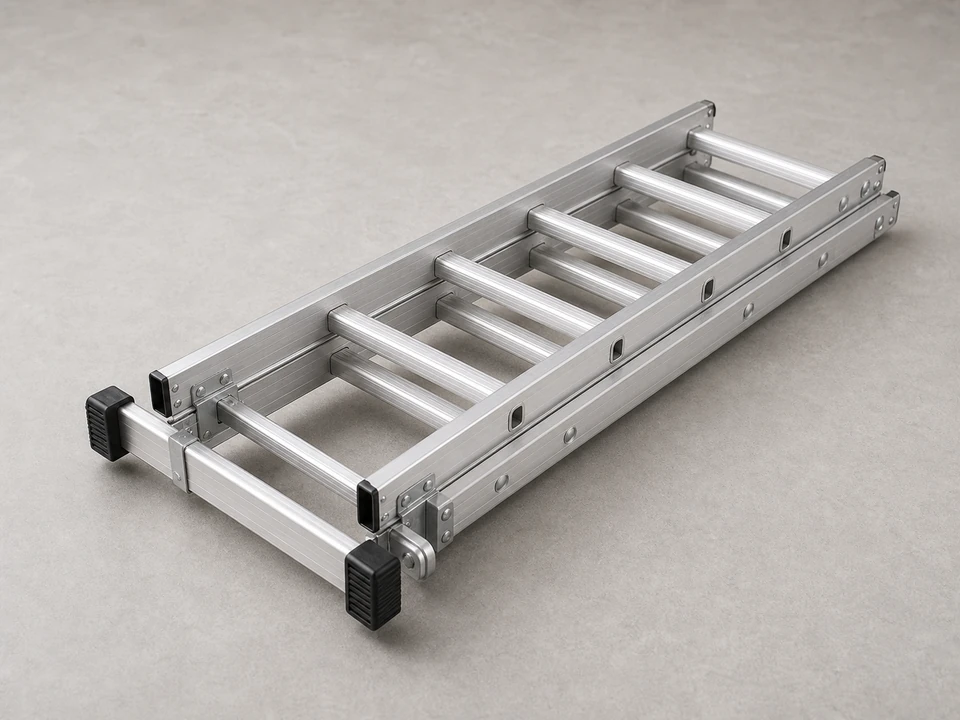
Extension ladder
Use it for: To reach the gutter safely and work at a comfortable height.
Shop extension laddersIf a gutter section is sagging or pulling away because the existing screw fasteners are loose, rusted, or stripped, you can usually fix it by replacing the failed screw style gutter fasteners with new exterior-rated ones that bite firmly into solid wood.
This is a straightforward ladder repair if the fascia is still solid and the gutter itself is not badly bent. Work one fastener at a time so the gutter stays supported and aligned.
Before you start: Match the screw type, length, head style, and material rating before ordering.
Use it for: To reach the gutter safely and work at a comfortable height.
Shop extension ladders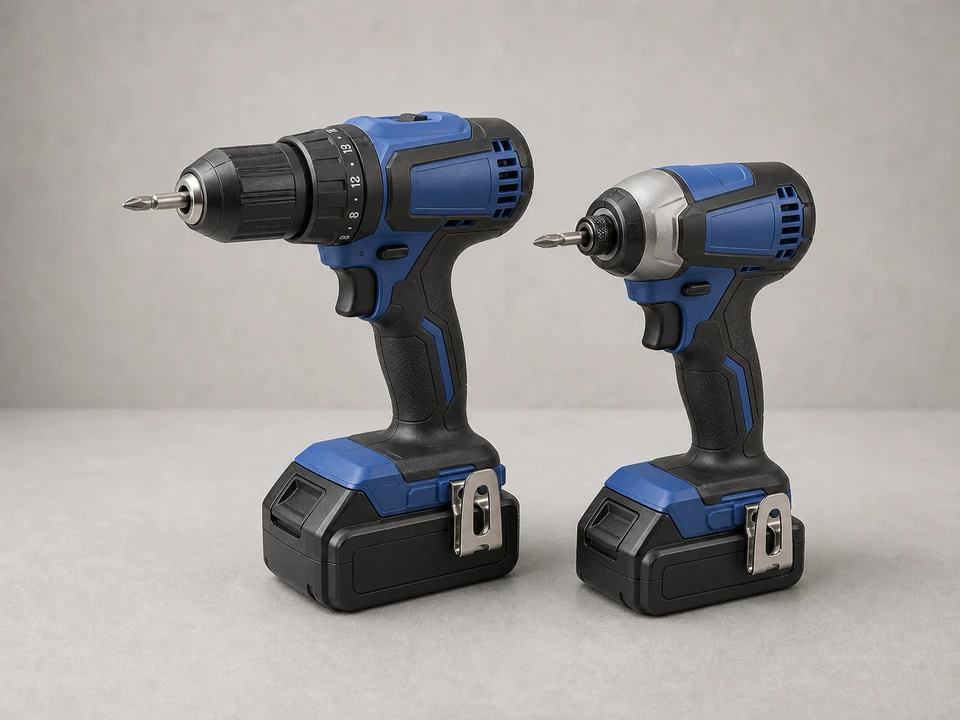
Use it for: To remove old screws and drive the new fasteners.
Shop drill drivers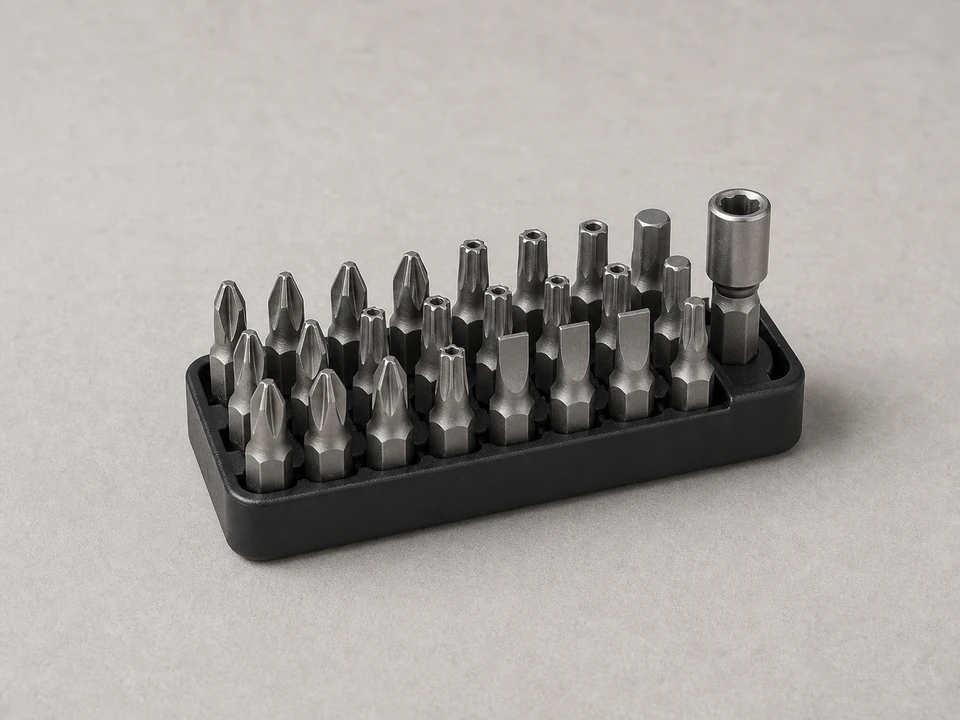
Use it for: To match the screw head and avoid stripping it during removal or installation.
Shop driver bit sets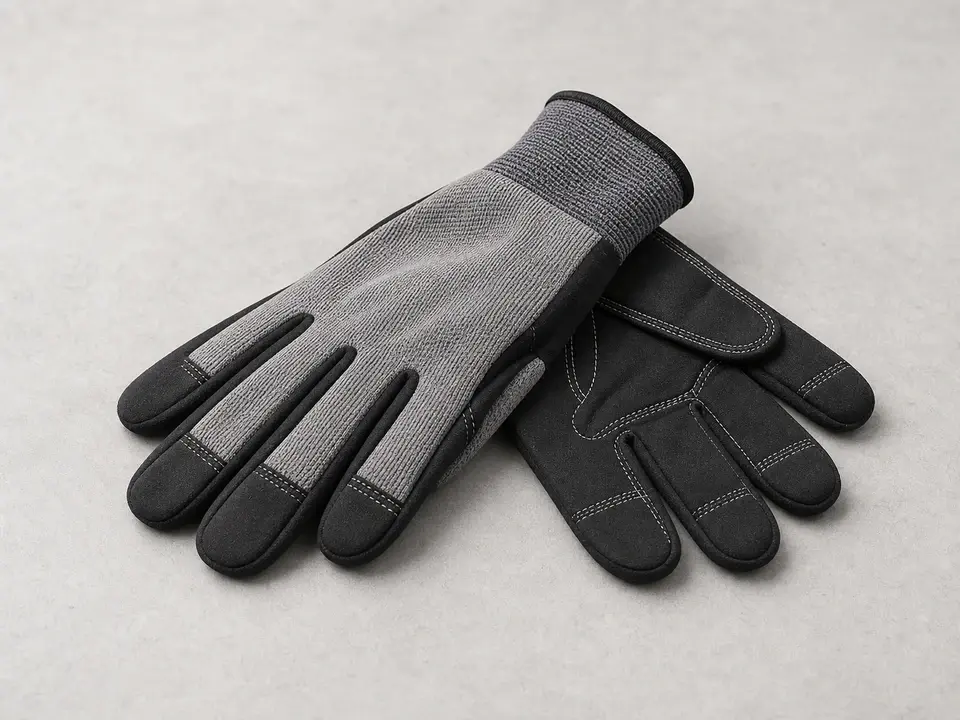
Use it for: To protect your hands from sharp gutter edges and old hardware.
Shop work gloves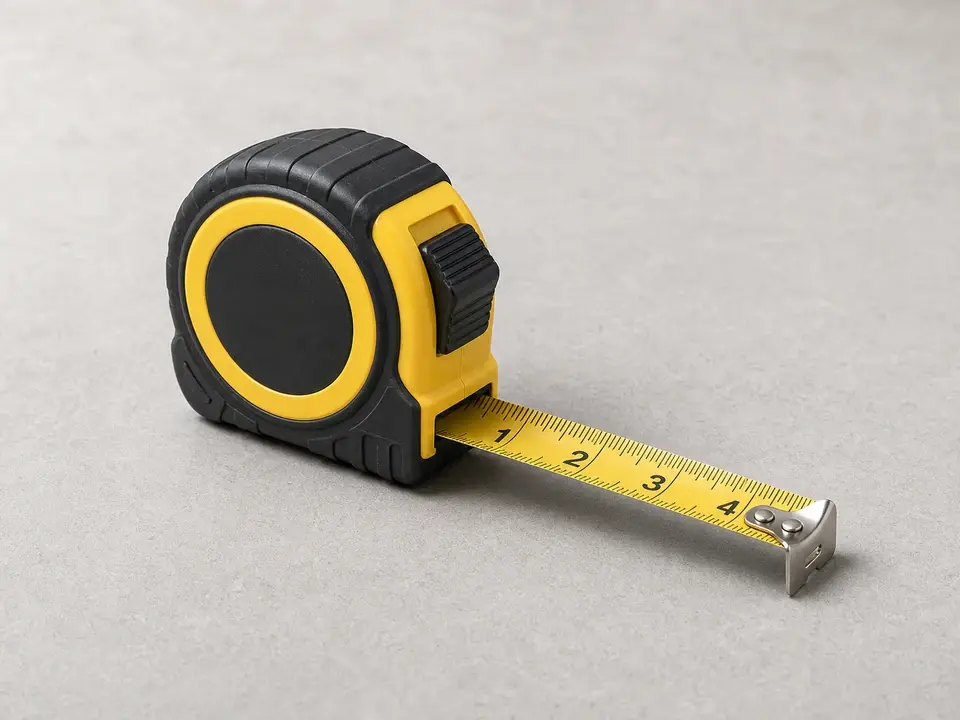
Use it for: To compare screw length and spacing before installing replacements.
Shop tape measuresAs an Amazon Associate I earn from qualifying purchases. Repair Riot may earn a commission at no extra cost to you.
If it works: You have confirmed the gutter is loose because the screw fasteners failed or lost their grip, and the gutter and fascia appear serviceable enough for a simple fastener replacement.
If it doesn’t: If the gutter is still tight and the leak or overflow is coming from a seam, clog, or slope problem, switch to the repair that matches that issue instead.
If it works: You have the right replacement hardware ready and a clear work area around the loose gutter section.
If it doesn’t: If the new fasteners do not match the old style closely enough to seat properly through the gutter or hanger, pause and get a better match before installing anything.
If it works: The old fastener is out, the gutter is back in position, and you have a solid spot ready for the new screw.
If it doesn’t: If the screw will not come out because the head is stripped, try a better-fitting bit and steady pressure before moving on.
If it works: The new fastener is tight, the gutter is supported again, and the repaired section looks straight and secure.
If it doesn’t: If the screw keeps spinning without tightening, remove it and try a nearby solid location that still keeps the gutter aligned.
If it works: The repaired area is evenly supported, aligned with the rest of the gutter, and ready for a water test.
If it doesn’t: If one spot still moves more than the rest, add or replace the next failed fastener in that weak section.
If it works: The gutter stays attached, holds its shape under water load, and drains without the repaired section pulling loose again.
If it doesn’t: If the gutter still sags or pulls away under water weight, the fascia or additional fastener points likely need repair before the gutter can stay secure.
Match the screw type, length, head style, and material rating before ordering.
As an Amazon Associate I earn from qualifying purchases. Repair Riot may earn a commission at no extra cost to you.
Yes. If the rest of the gutter is solid and only one point has failed, replacing that fastener may be enough. If nearby screws are also loose or rusted, it usually makes sense to replace those at the same time.
That usually means the old hole is stripped or the wood behind it is weak. Try a nearby spot with solid wood if the gutter or hanger still lines up correctly. If there is no solid wood, the fascia likely needs repair first.
Usually not. For a simple fastener replacement, work one point at a time and keep the gutter supported. Full removal is more common when the gutter is badly bent or the fascia behind it is damaged.
Common causes are weathered wood, repeated water load, corrosion, loose hardware, or a gutter that has been carrying too much debris and standing water. Replacing the screw helps, but the repair lasts longer if you also keep the gutter clean.
Only if they still fit the gutter or hanger correctly and can bite into solid wood without causing other problems. The safer approach is to match the original style closely and make sure the new fastener is exterior rated.