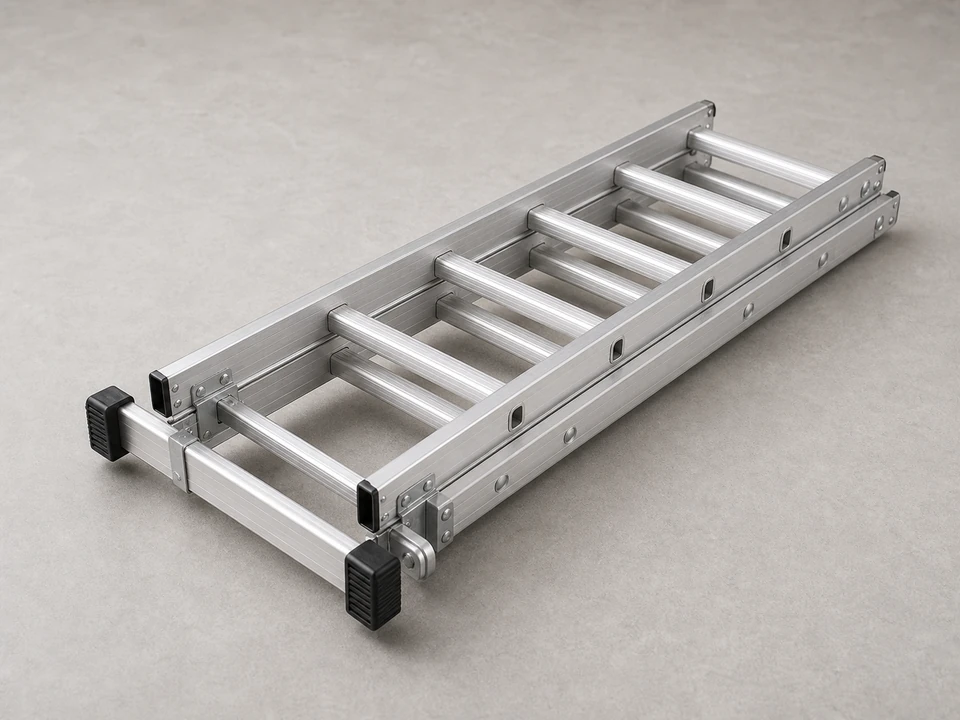
Extension ladder
Use it for: To reach the gutter safely and work with both hands near the hanger location.
Shop extension laddersIf a section of gutter is sagging, pulling away from the fascia, or moving when you press on it, replacing the hidden gutter hanger with screw is often the right fix.
This is a straightforward ladder repair if the gutter itself is still in good shape. The goal is to remove the failed hanger, install a matching replacement, and make sure the gutter is supported without changing its slope.
Before you start: Match the gutter style, hanger width, screw length, head style, and corrosion resistant material before ordering.
Use it for: To reach the gutter safely and work with both hands near the hanger location.
Shop extension ladders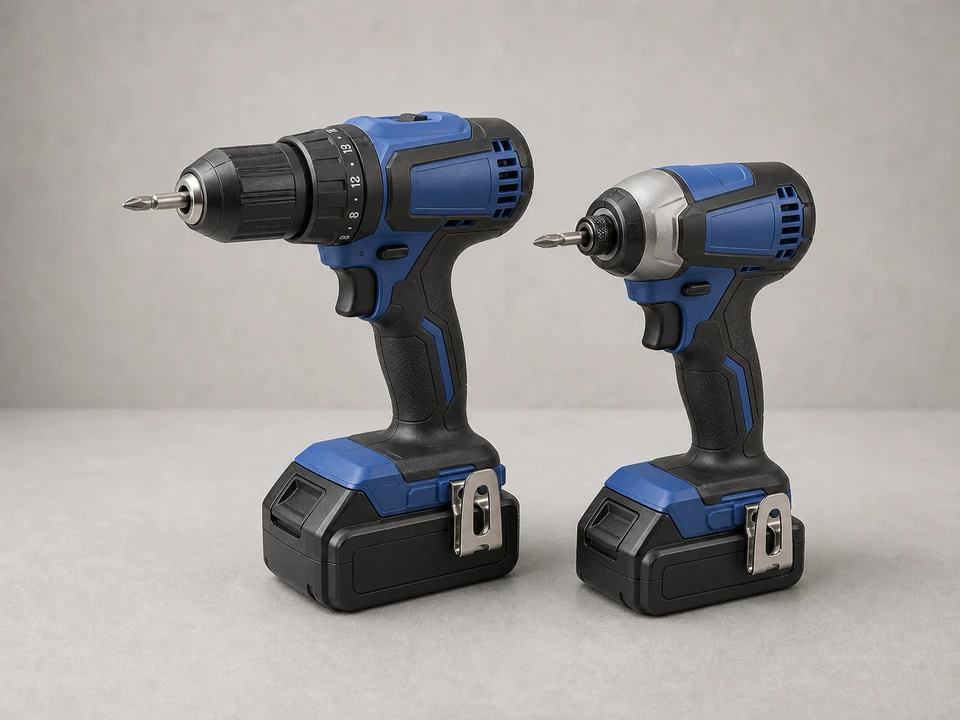
Use it for: To remove the old screw and drive the new hanger screw into the fascia.
Shop drill drivers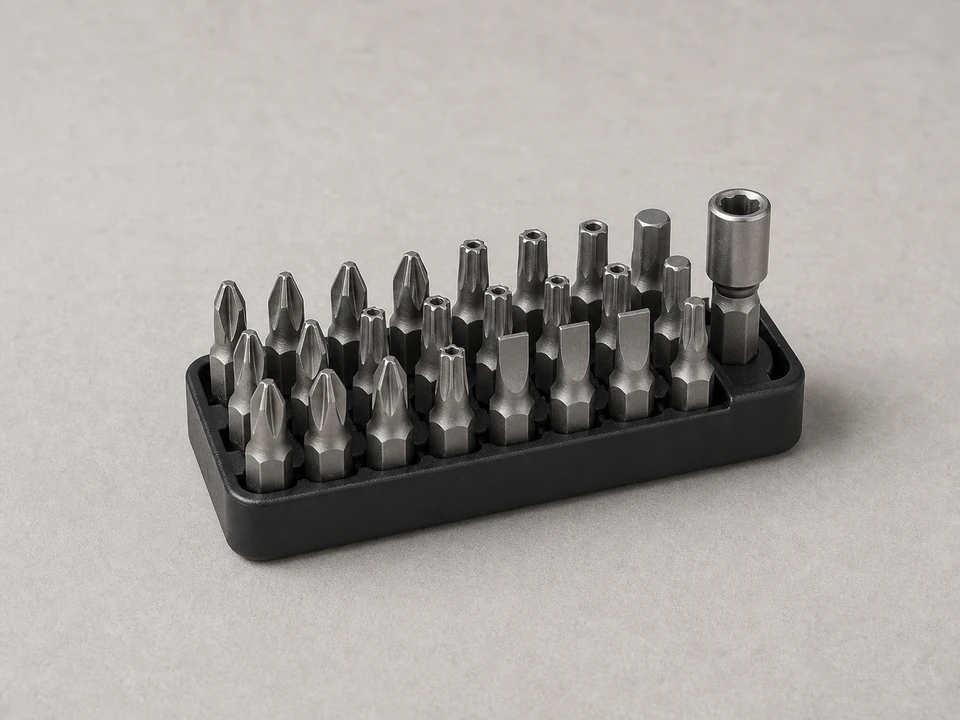
Use it for: To match the screw head on the old and new hanger screws.
Shop driver bit sets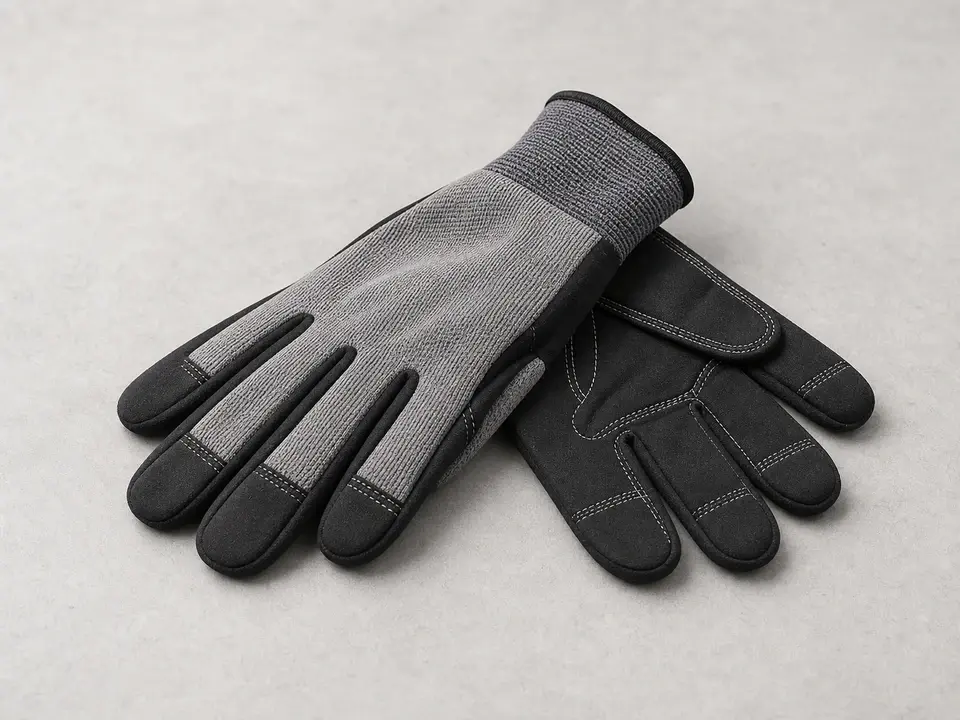
Use it for: To protect your hands from sharp gutter edges and metal burrs.
Shop work gloves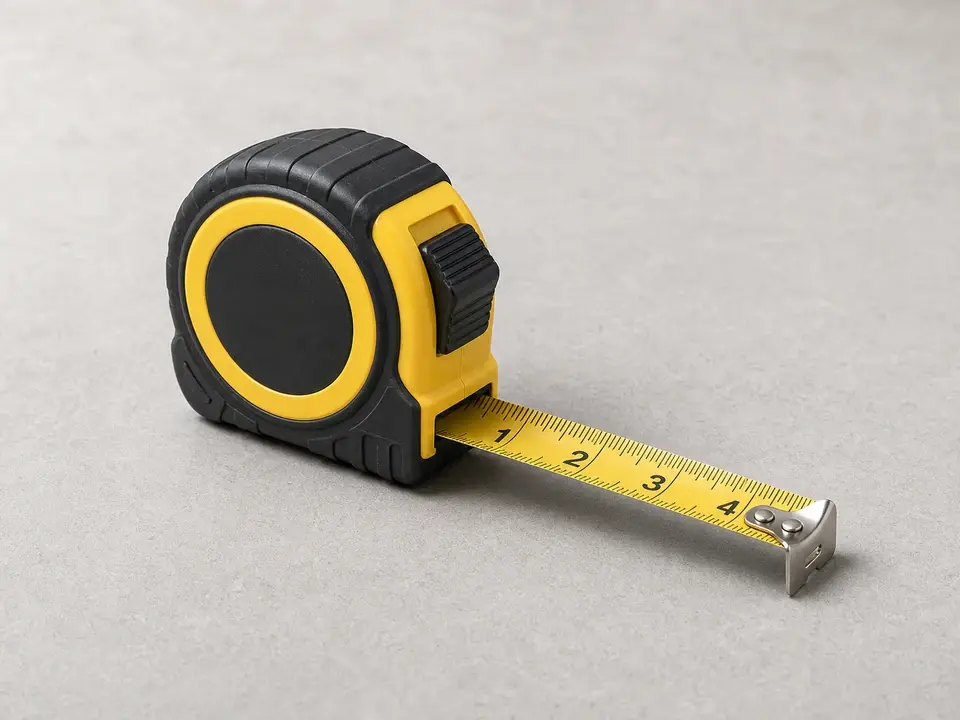
Use it for: To compare the old hanger size and place the new one in the right spot.
Shop tape measuresAs an Amazon Associate I earn from qualifying purchases. Repair Riot may earn a commission at no extra cost to you.
If it works: You found one or more hidden hangers that are loose, damaged, or missing, and the gutter itself still looks repairable.
If it doesn’t: If the gutter metal is torn, the fascia is rotten, or the whole run has lost its slope, fix those problems first before replacing hangers.
If it works: You can reach the hanger comfortably, and the area around it is clear enough to remove and replace the bracket.
If it doesn’t: Reposition the ladder until you can work without overreaching.
If it works: The damaged hanger is out, and the gutter section is ready for a matching replacement.
If it doesn’t: If the screw spins without backing out, pull gently on the hanger while reversing the screw to help it release.
If it works: The new hanger is seated correctly, the screw is holding firmly, and the gutter edge looks straight instead of sagging.
If it doesn’t: If the old hole does not hold well, move the hanger slightly to solid wood while keeping the gutter aligned with the surrounding section.
If it works: The repaired area has even support, and the gutter line looks smooth without a dip between hangers.
If it doesn’t: If one new hanger fixed the movement and the surrounding supports are solid, move on to testing.
If it works: The gutter stays secure under light pressure and while carrying water, and the repaired section no longer sags or pulls away.
If it doesn’t: If the gutter still moves or holds water, inspect the next hangers and the fascia for a larger support problem.
Match the gutter style, hanger width, screw length, head style, and corrosion resistant material before ordering.
As an Amazon Associate I earn from qualifying purchases. Repair Riot may earn a commission at no extra cost to you.
If the gutter metal is mostly intact but the section sags between supports or pulls away where a bracket sits, the hanger is usually the failed part. If the gutter is torn, split, or badly crushed, replacing hangers alone will not solve it.
Yes, if the surrounding hangers are still solid and the gutter returns to its proper line after one replacement. If nearby hangers are loose or rusted too, replacing a few in the same area usually gives a longer-lasting repair.
You can if the screw still bites firmly in solid wood. If the hole is stripped, move slightly to fresh wood while keeping the gutter aligned with the rest of the run.
Use a replacement that fits your gutter style and width and seats properly on the front lip and rear wall. A poor fit can twist the gutter or leave the support point weak.
That usually means the issue is bigger than one failed support. The gutter may have the wrong slope, a bent section, a clog farther down, or multiple weak hangers allowing the run to dip.