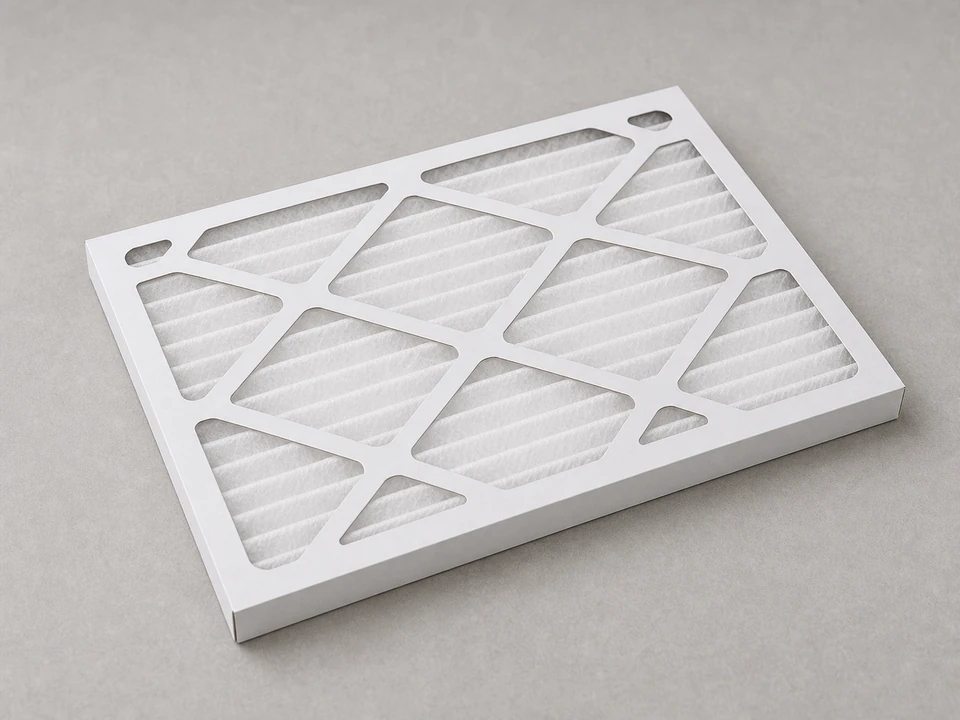
Replacement air filter
Use it for: This is the new filter that restores normal airflow through the system.
Shop replacement air filtersTo replace a heat pump air filter, locate the filter slot or return grille, confirm the old filter size and airflow direction, slide in the new filter the same way, and then run the system to make sure airflow improves.
A clogged filter can choke airflow, reduce heating and cooling performance, and make the system work harder than it should. This is usually a quick homeowner job as long as you use the right size filter and install it facing the correct direction.
Before you start: Match the filter size, thickness, and airflow direction before ordering.
Use it for: This is the new filter that restores normal airflow through the system.
Shop replacement air filters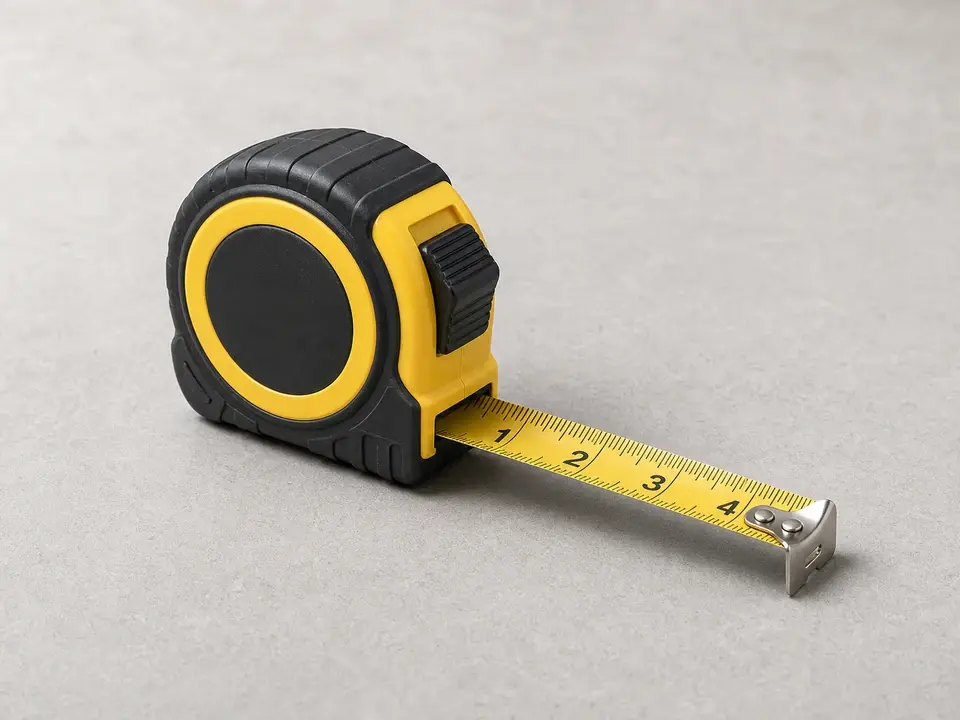
Use it for: Use it to confirm the filter's actual length, width, and thickness if the old label is faded or missing.
Get a tape measure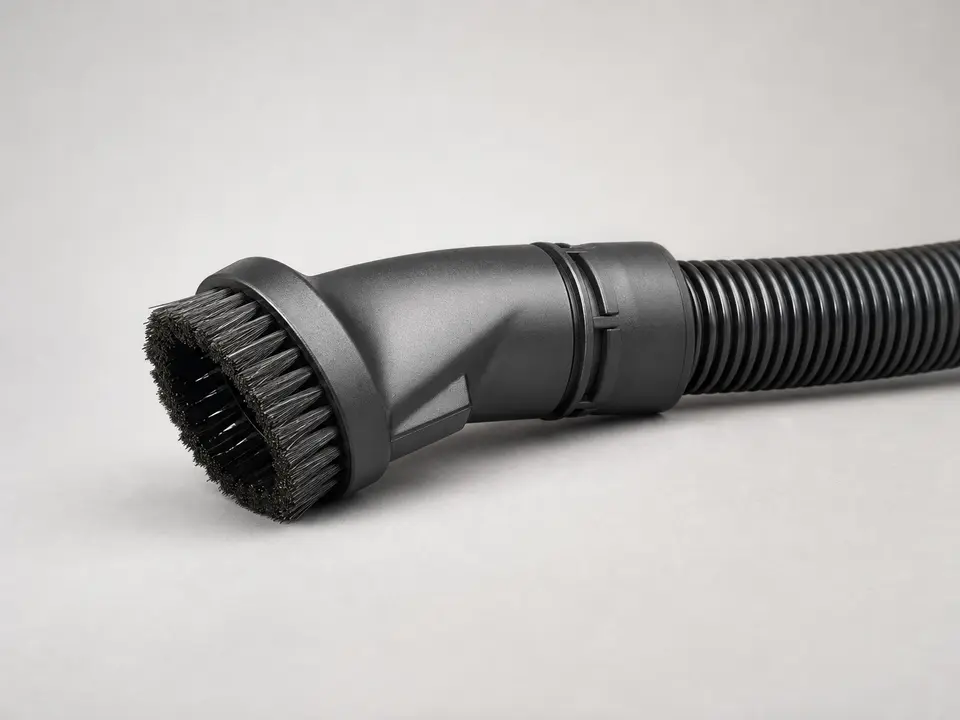
Use it for: Helps remove dust from the filter slot or return grille before the new filter goes in.
Find a vacuum brush attachment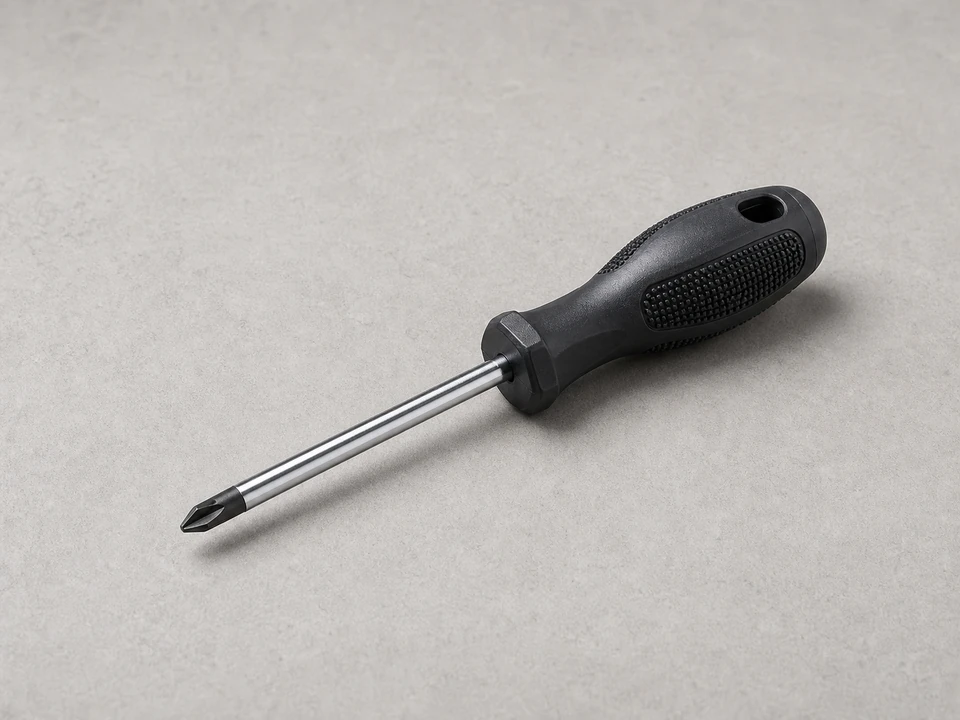
Use it for: Needed if your return grille or filter access cover is held by screws.
Pick up a screwdriverAs an Amazon Associate I earn from qualifying purchases. Repair Riot may earn a commission at no extra cost to you.
If it works: You found the filter and confirmed it is dirty enough to justify replacement.
If it doesn’t: If you cannot find a filter at the return or near the indoor unit, check the owner's literature or look for a labeled filter rack on the air handler cabinet.
If it works: You have a replacement filter that matches the old filter size and thickness and you know which way the airflow arrow should face.
If it doesn’t: If the new filter is too thick, too loose, or a different size, exchange it before installing it. A poor fit can let dust bypass the filter or restrict airflow.
If it works: The old filter is out and the filter area is clean enough for the new filter to seal properly.
If it doesn’t: If dust buildup is heavy, vacuum again and wipe the surrounding metal or grille frame dry before installing the new filter.
If it works: The new filter is fully seated, facing the right direction, and the access panel is closed securely.
If it doesn’t: If the filter bows, catches, or will not sit flat, remove it and recheck the size and orientation before trying again.
If it works: The heat pump starts normally and airflow feels more consistent after the new filter is installed.
If it doesn’t: If airflow is still weak after replacing a badly clogged filter, the system may have another airflow problem such as a dirty coil, blocked return, blower issue, or closed dampers.
If it works: The new filter stays secure during operation and the system is moving air normally in real use.
If it doesn’t: If comfort or airflow still has not improved after a full cycle, move on to a broader heat pump airflow diagnosis instead of replacing filters repeatedly.
Match the filter size, thickness, and airflow direction before ordering.
As an Amazon Associate I earn from qualifying purchases. Repair Riot may earn a commission at no extra cost to you.
It depends on the filter type, system use, pets, and dust levels in the home. A good habit is to check it monthly and replace it when it looks loaded with dust or airflow starts to drop.
The arrow should point toward the indoor unit or blower, which is the direction air is moving through the filter.
It is better not to. Running without a filter can let dust collect on internal components and create a bigger airflow or cleaning problem later.
Measure the old filter's length, width, and thickness, then compare those measurements to the replacement before installing it.
A clogged filter is only one common airflow restriction. If the new filter fits correctly and airflow is still weak, the system may have a dirty indoor coil, blower problem, blocked return, closed vents, or another issue.