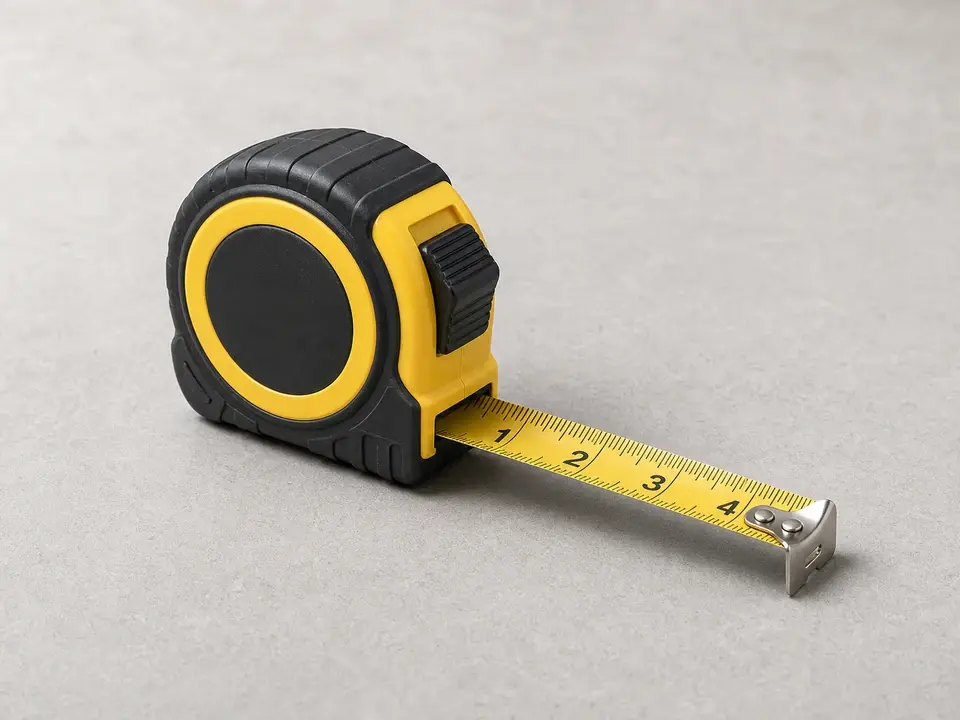
Tape measure
Use it for: To measure the inside opening and the outer face so you order the right grille size.
Shop tape measuresTo replace a HVAC return grille, first confirm the grille itself is bent, noisy, rusted, or damaged rather than the duct behind it. Then measure the duct opening, remove the old grille, install the new one without overtightening, and test airflow and noise with the system running.
This is usually a straightforward swap, but the new grille has to match the opening size and mount cleanly to the wall or ceiling. A bad fit can whistle, rattle, or leave gaps that pull in dust.
Before you start: Match the replacement part to your exact ductwork vent before ordering.
Use it for: To measure the inside opening and the outer face so you order the right grille size.
Shop tape measures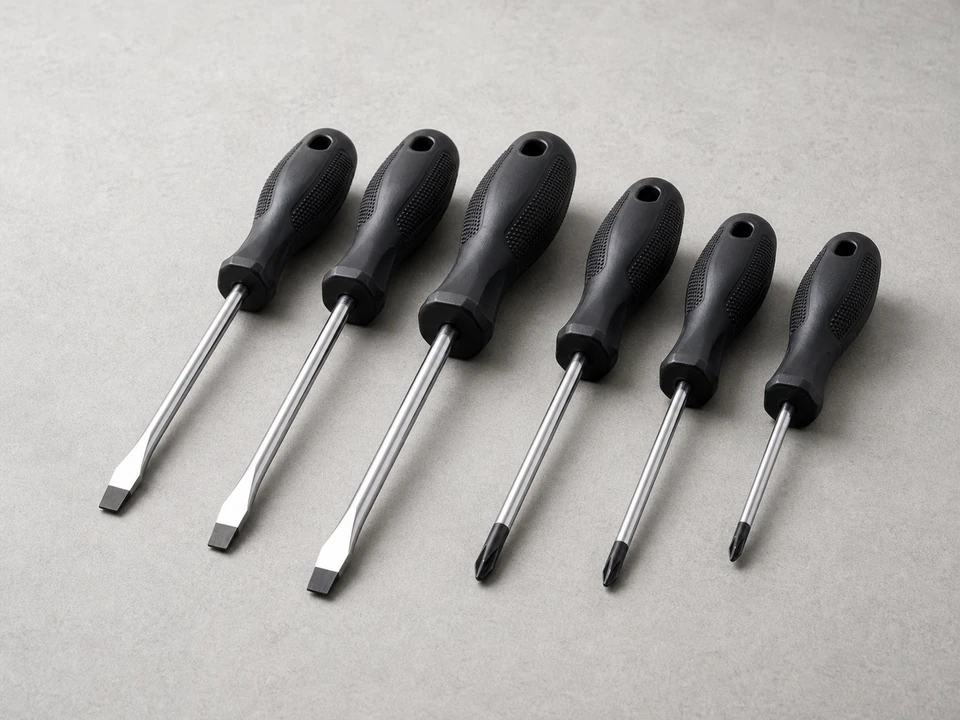
Use it for: To remove the old mounting screws and install the new grille.
Shop screwdriver sets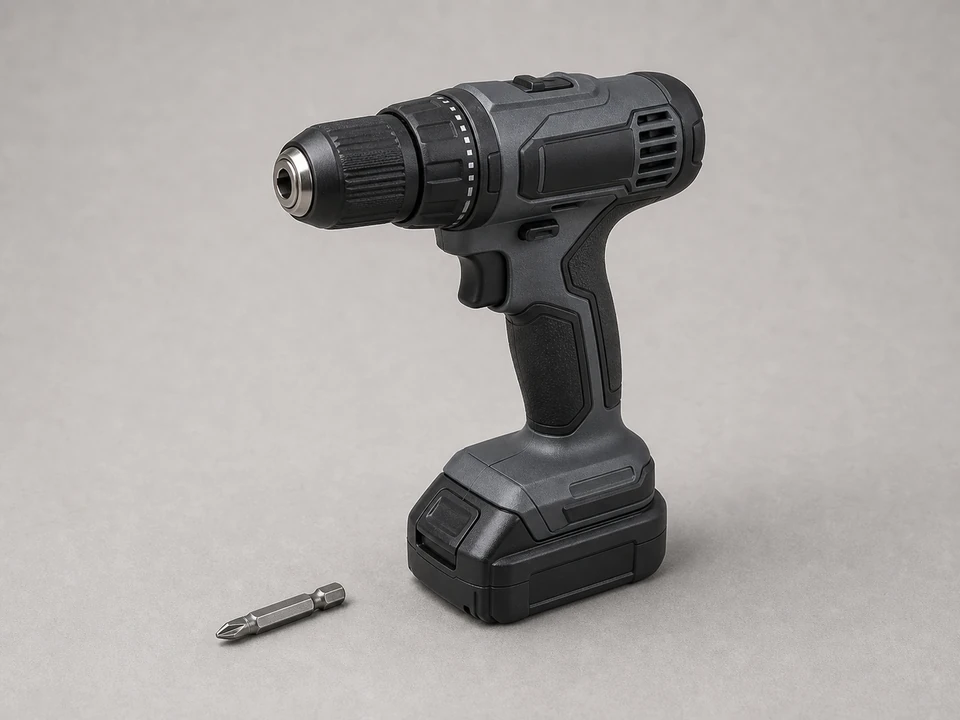
Use it for: To drive screws more easily, especially on ceiling grilles or stubborn fasteners.
Shop drill drivers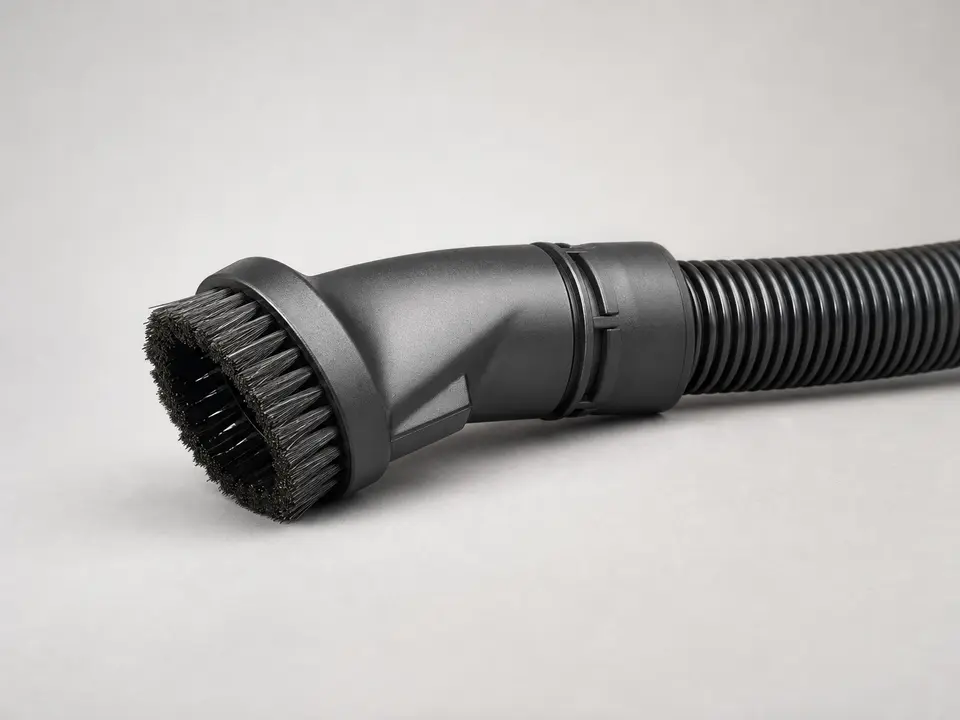
Use it for: To clean dust from the opening and surrounding trim before the new grille goes on.
Shop vacuums with brush tools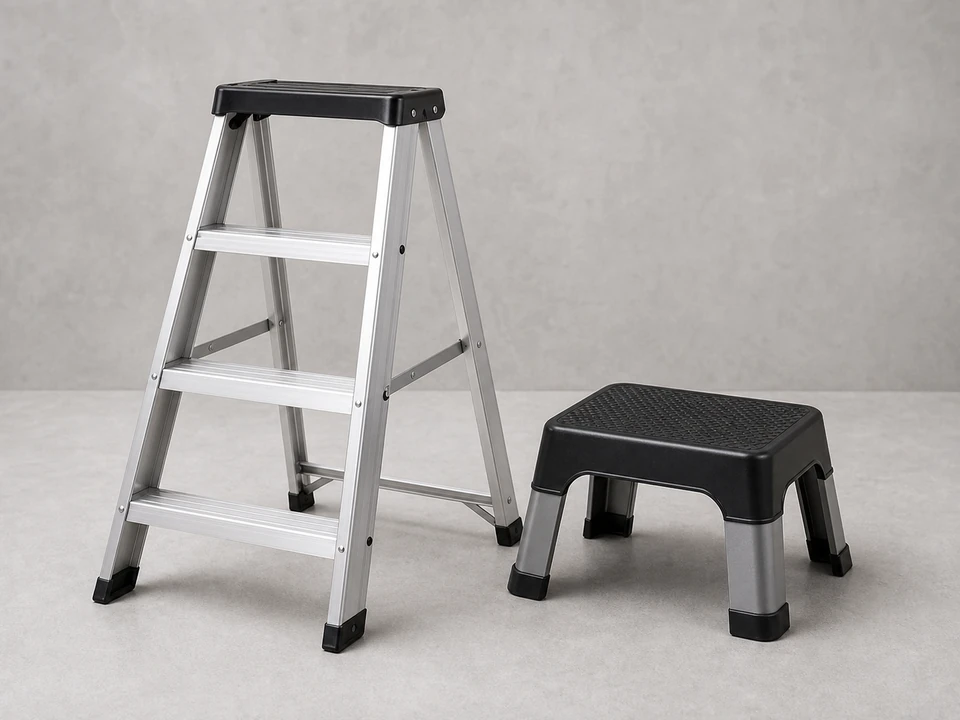
Use it for: To safely reach a ceiling or high wall return grille.
Shop step ladders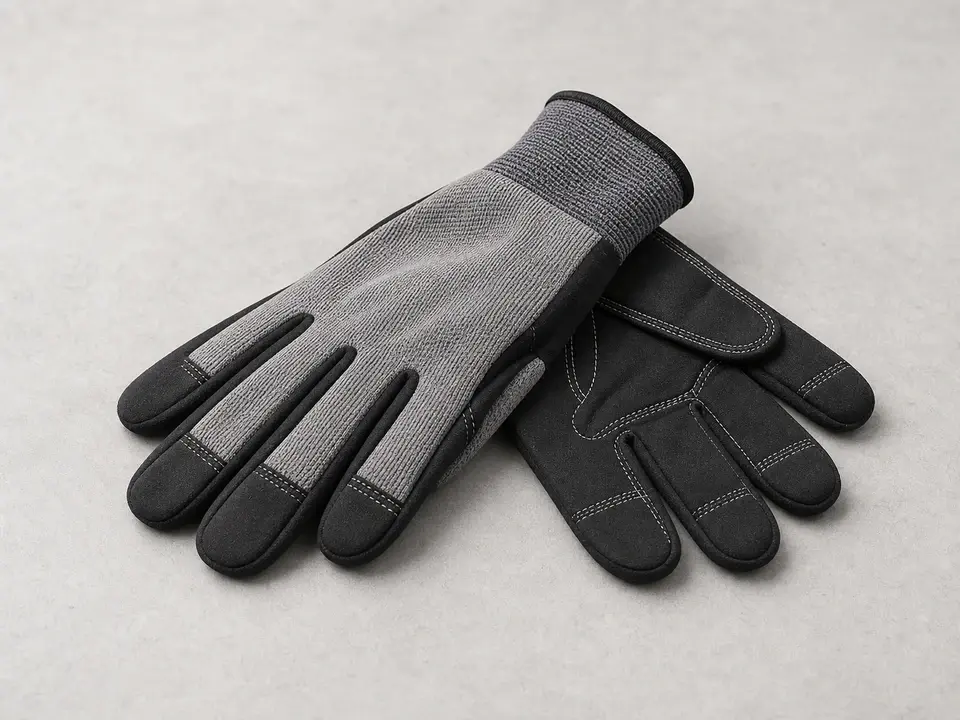
Use it for: To protect your hands from sharp sheet metal edges and old screws.
Shop work glovesAs an Amazon Associate I earn from qualifying purchases. Repair Riot may earn a commission at no extra cost to you.
If it works: You have a good reason to replace the grille, not just clean it or change the filter.
If it doesn’t: If the grille is intact and the problem seems to come from inside the duct, the filter slot, or the blower airflow, diagnose that issue before buying a replacement grille.
If it works: You know the opening size, face size, and mounting style needed for the new grille.
If it doesn’t: If the old grille size is unusual or the opening is not square, bring the old grille measurements with you and compare face dimensions before ordering.
If it works: The old grille is off and the mounting area is clean and ready for the new part.
If it doesn’t: If a screw spins without backing out, pull gently on the grille while turning the screw, or switch to hand tools for better control.
If it works: The new grille sits flat against the surface and covers the opening cleanly.
If it doesn’t: If the grille rocks or leaves a gap, recheck for debris, uneven drywall, or a replacement face that is too small for the old opening marks.
If it works: The new grille is mounted straight, secure, and flush without bending the frame.
If it doesn’t: If the grille shifts or rattles, loosen the screws slightly, recenter it, and retighten evenly.
If it works: Air moves normally, the grille stays secure, and the original noise or damage issue is gone in real use.
If it doesn’t: If the new grille still whistles or rattles, the root cause may be high airflow, a loose duct boot, an undersized return, or a poor fit between the grille and opening.
Match the replacement part to your exact ductwork vent before ordering.
As an Amazon Associate I earn from qualifying purchases. Repair Riot may earn a commission at no extra cost to you.
Measure the inside duct opening width and height, since that is the size the grille is meant to fit. Then check the outer face dimensions too, so the new grille covers the existing opening neatly.
Usually yes, because you are not working on wiring or internal equipment. It is still smart to avoid doing the swap while the system is actively pulling air, especially if there is a loose filter behind the grille.
Whistling often comes from a bent grille, a grille that is too restrictive for the airflow, loose mounting that leaves gaps, or a dirty filter behind the grille. Replacing the grille helps only if the grille itself is the restriction or fit problem.
No. Some returns use a filter at the grille, while others use a filter at the air handler or in a separate filter slot. Match the replacement to the way your system is already set up.
That usually means the face size is too small even if the opening size is correct. You may need the same opening size with a larger outer frame, or you may need to touch up the surrounding surface before reinstalling.