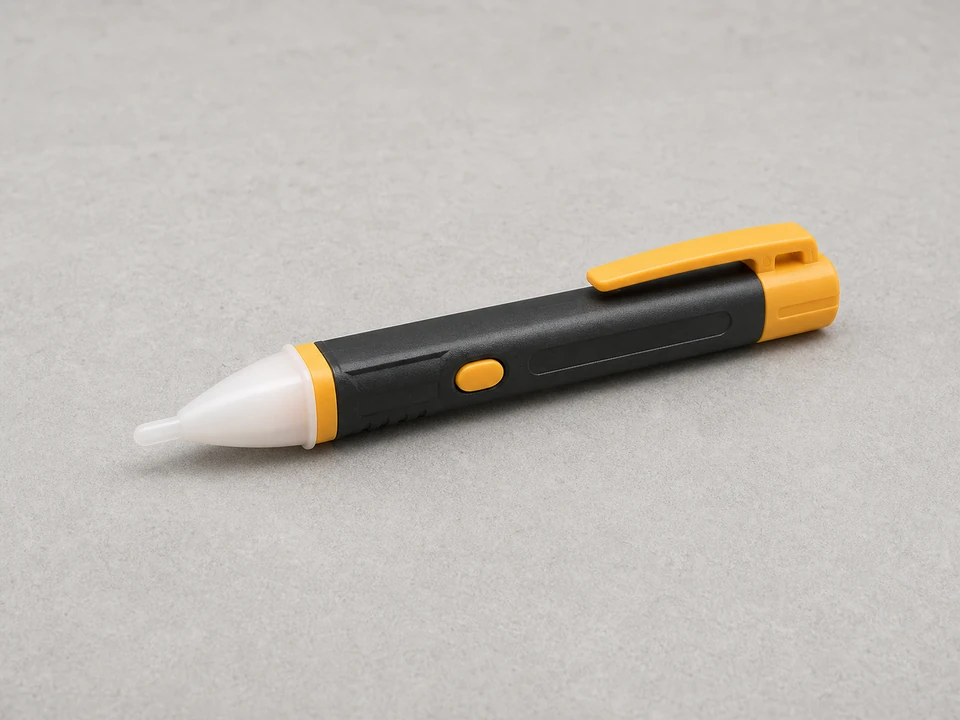
Non contact voltage tester
Use it for: To confirm the fixture is actually de-energized before you touch any wires.
Shop non-contact voltage testersIf a fluorescent-style light fixture hums, smells hot, flickers with good bulbs, or will not start even after basic bulb checks, replacing the light fixture ballast is often the right repair.
This job is manageable for a careful homeowner, but it does involve house wiring. Work with the power off, match the new ballast to the fixture and lamp type, and stop if you find burned wiring or damage beyond the ballast itself.
Before you start: Match the replacement part to your exact light before ordering.
Use it for: To confirm the fixture is actually de-energized before you touch any wires.
Shop non-contact voltage testers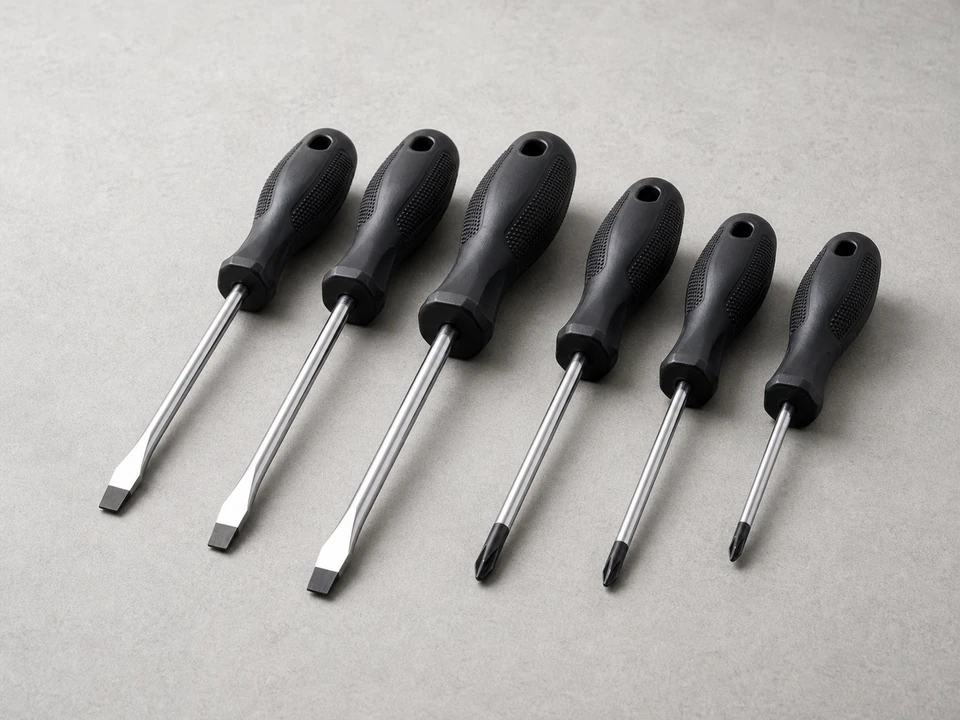
Use it for: To remove the lens, bulbs, cover plate, and ballast mounting screws.
Shop screwdriver sets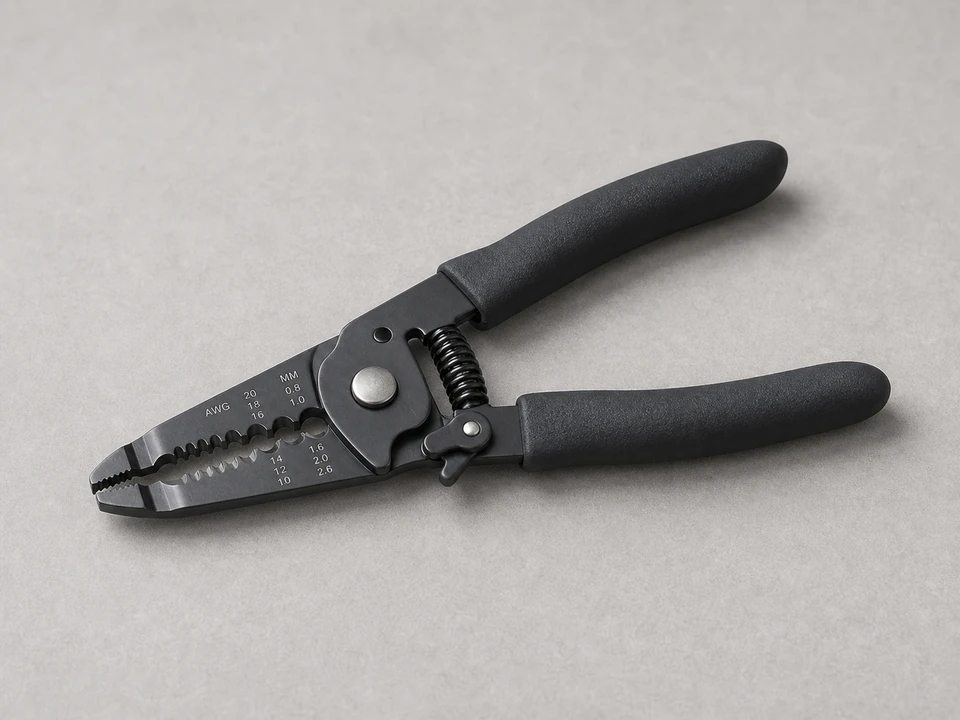
Use it for: To cut out the old ballast and strip wire ends for the new connections.
Shop wire strippers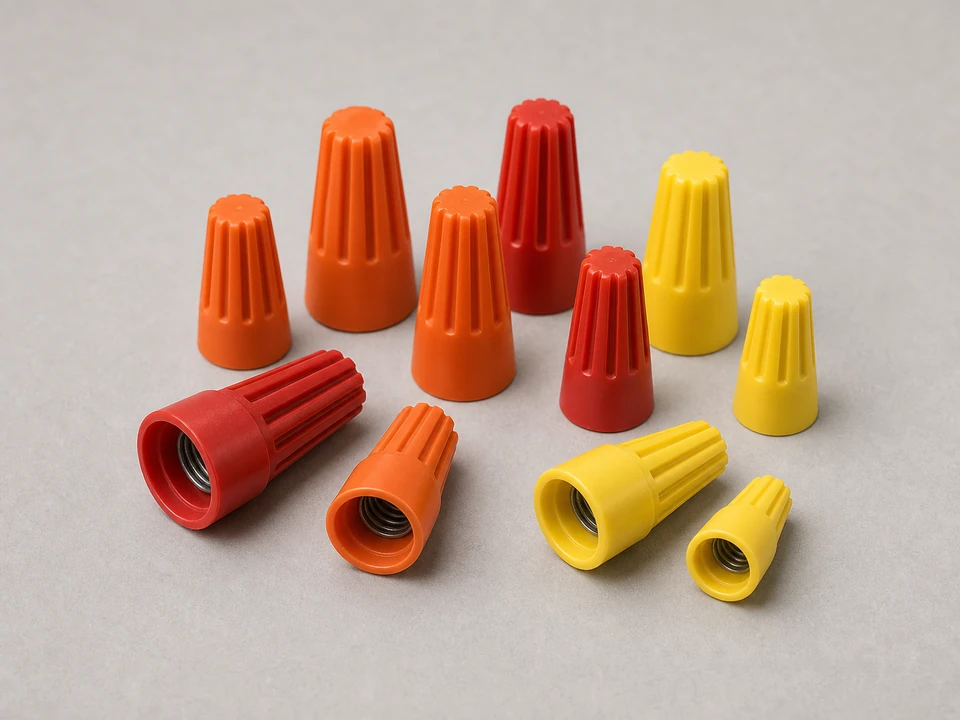
Use it for: To make secure splices between the new ballast leads and fixture wiring.
Shop wire connectors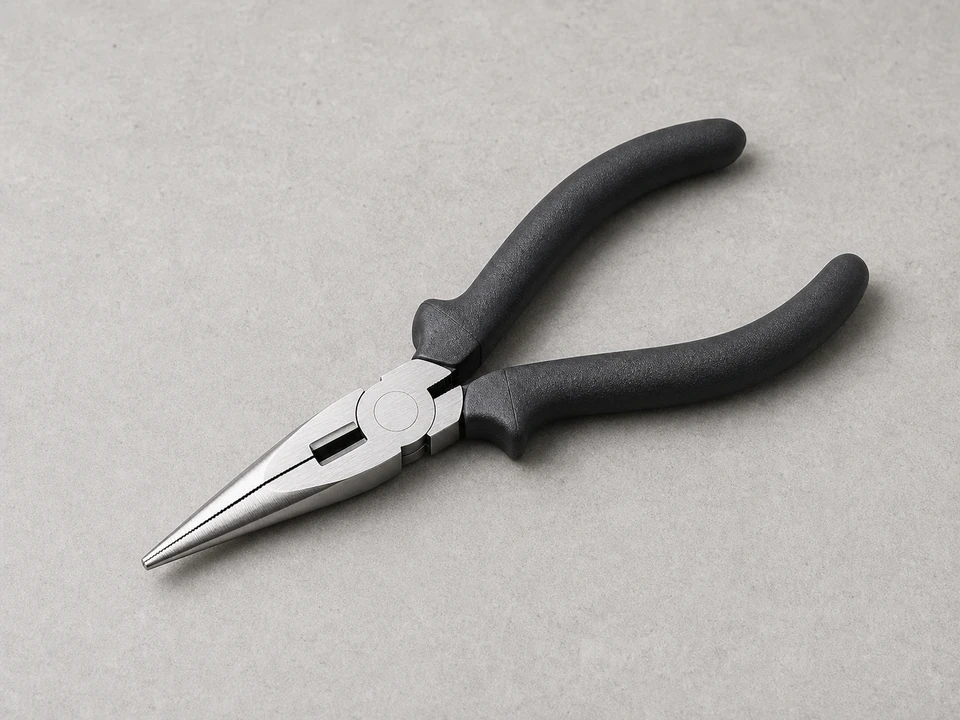
Use it for: To help pull wires, twist conductors neatly, and handle tight connections.
Shop needle-nose pliers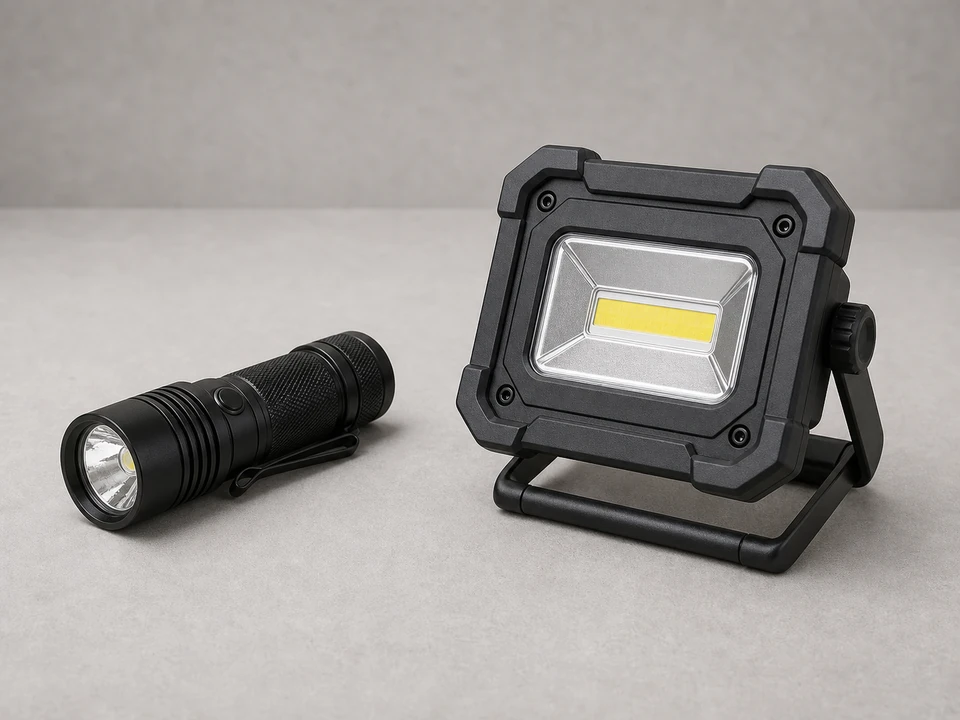
Use it for: To see wire colors and labels clearly once the circuit is off.
Shop work lightsAs an Amazon Associate I earn from qualifying purchases. Repair Riot may earn a commission at no extra cost to you.
If it works: You have good reason to suspect the ballast and you know what replacement to buy.
If it doesn’t: If the fixture has no ballast, uses a different driver system, or the symptoms point to a bad switch, bad bulbs, or no power to the fixture, diagnose that issue before replacing parts.
If it works: The fixture is open, de-energized, and documented so you can reconnect the new ballast correctly.
If it doesn’t: If the tester still shows power, go back and identify the correct breaker before continuing.
If it works: The old ballast is out and the fixture wires are accessible for the new part.
If it doesn’t: If the ballast will not come free, check again for hidden screws, retaining tabs, or a cover plate still in place.
If it works: The new ballast is mounted firmly and all wire connections are made according to the ballast diagram.
If it doesn’t: If the wire colors do not match exactly, follow the printed wiring diagram on the ballast rather than guessing from color alone.
If it works: The fixture turns on normally and stays lit without obvious noise or flicker.
If it doesn’t: If the fixture still does not work, turn the power back off and recheck bulb seating, wire connections, and ballast compatibility.
If it works: The fixture starts reliably, runs normally, and shows no signs of overheating or repeat failure.
If it doesn’t: If the same symptoms return, the fixture may also have bad sockets, supply wiring problems, or be a better candidate for full fixture replacement.
Match the replacement part to your exact light before ordering.
As an Amazon Associate I earn from qualifying purchases. Repair Riot may earn a commission at no extra cost to you.
Bad bulbs are the simpler failure, so start there. If known-good bulbs still flicker, fail to start, hum, or the fixture smells hot, the ballast becomes a strong suspect.
Usually yes, as long as the fixture body, sockets, and wiring are still in good shape and you can get a matching ballast.
You need to match the lamp type, number of lamps, and input voltage shown on the old ballast or fixture. Do not guess if the labels do not line up.
Follow the wiring diagram printed on the new ballast. Wire colors can vary, so the diagram matters more than color alone.
No. A hot or burning smell is a common reason to replace a failing ballast, but it can also mean there is damage elsewhere in the fixture. Inspect carefully before installing the new part.