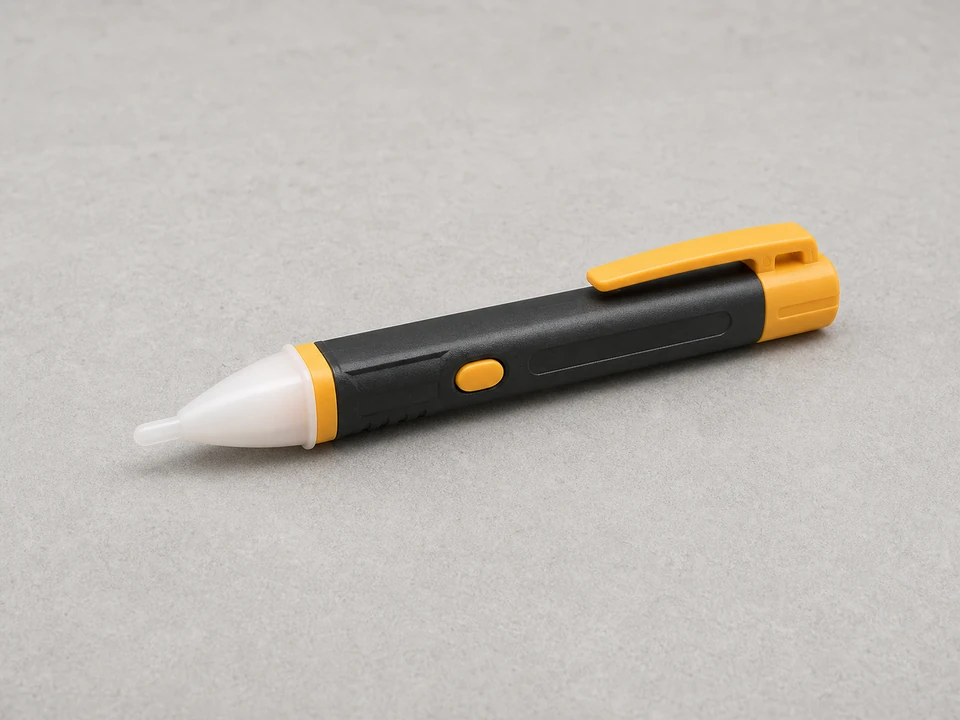
Non contact voltage tester
Use it for: To confirm power is actually off before touching fixture wiring.
Shop non-contact voltage testersIf the fixture has power but flickers, flashes, hums, stays dim, or shuts off after starting, the ballast or driver may have failed and can usually be replaced with a matching part.
This repair is mostly about safe power shutoff, matching the replacement correctly, and moving each wire one connection at a time. If the fixture body is burned, wet, or badly damaged, stop and plan on replacing the whole fixture instead.
Before you start: Match the replacement part to your exact light before ordering.
Use it for: To confirm power is actually off before touching fixture wiring.
Shop non-contact voltage testers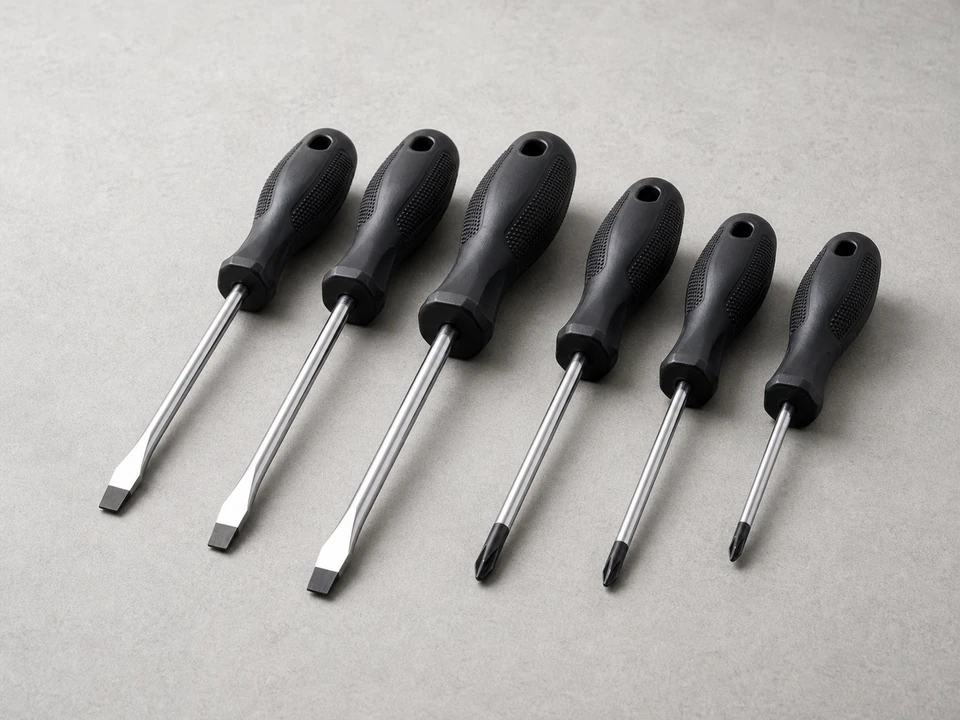
Use it for: To remove the fixture cover, ballast or driver mounting screws, and wire compartment cover.
Shop screwdriver sets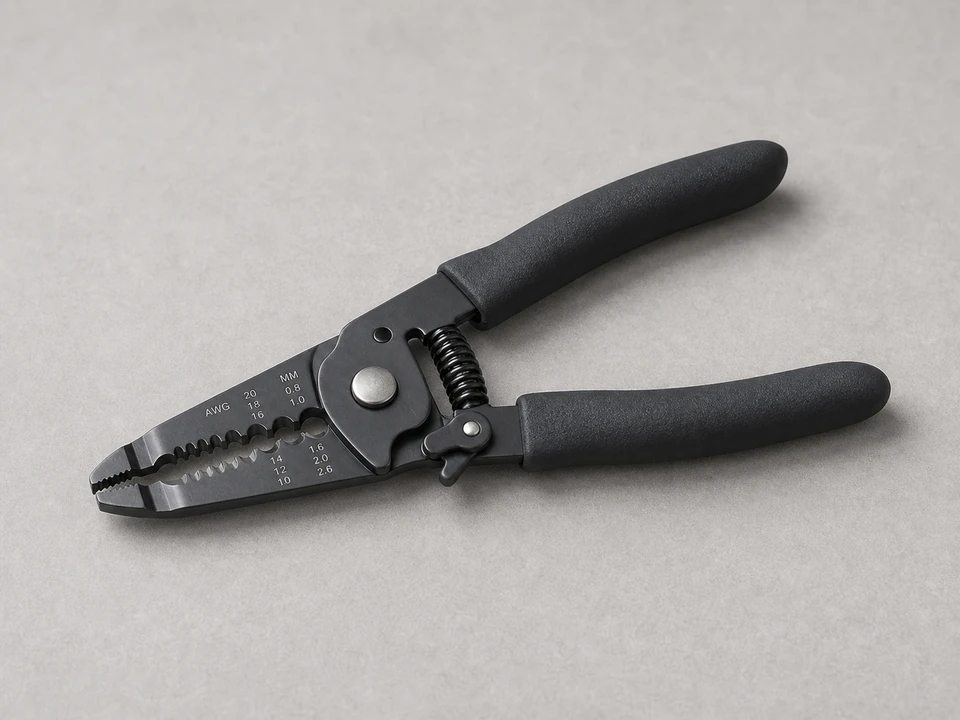
Use it for: To trim and strip wire ends cleanly if the old connections are damaged.
Shop wire strippers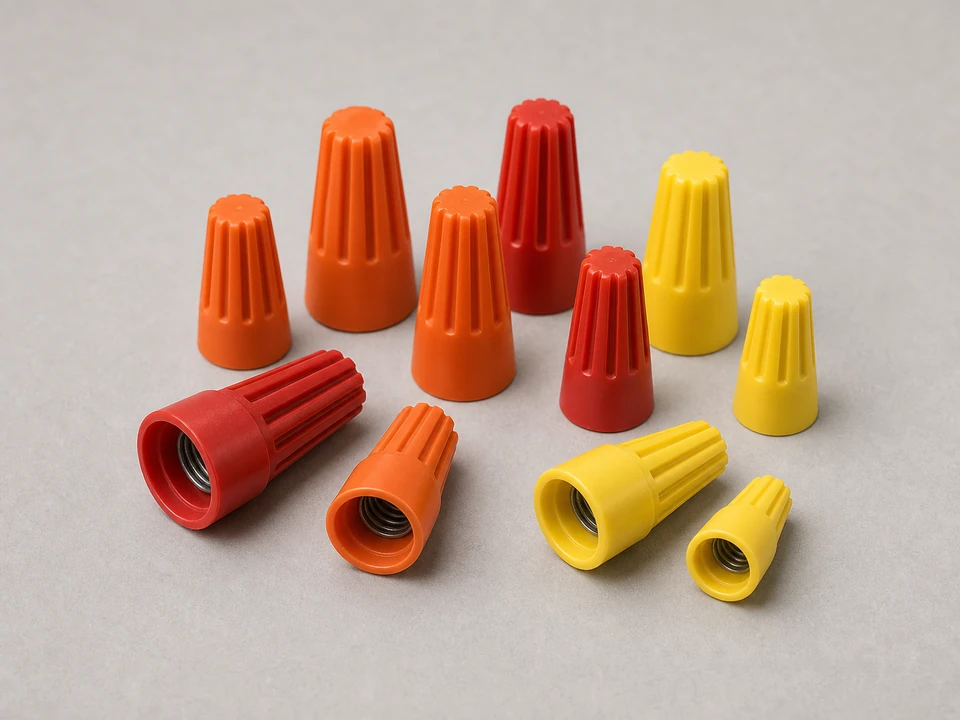
Use it for: To make secure new wire connections if the old connectors cannot be reused.
Shop wire connectors
Use it for: To photograph the original wiring before disconnecting anything.
Shop inspection cameras and work lights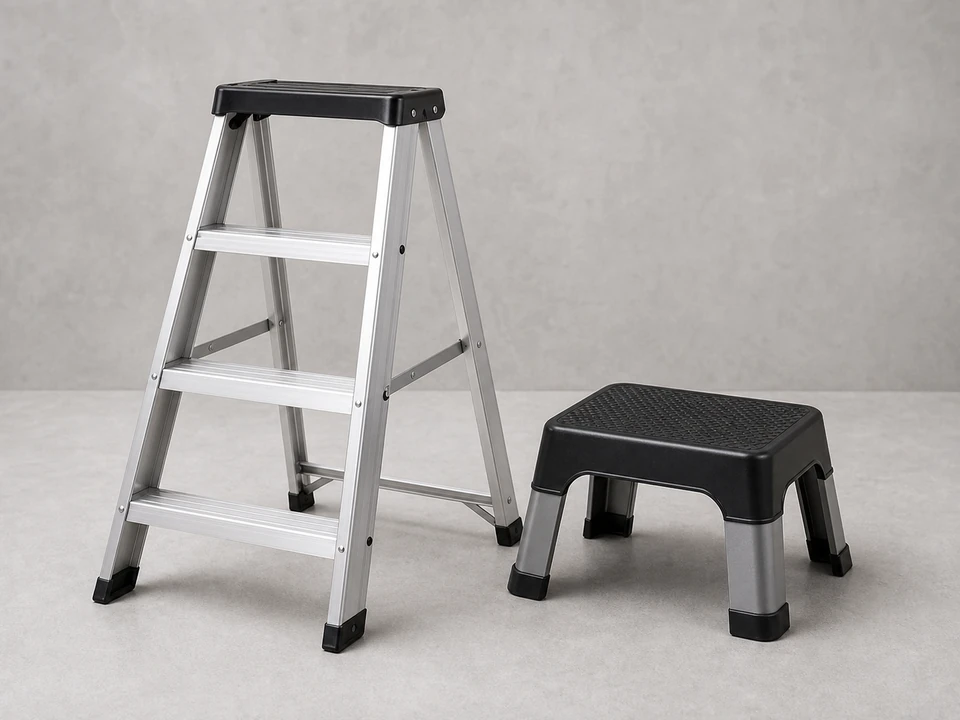
Use it for: To reach the fixture safely and work with both hands free.
Shop step laddersAs an Amazon Associate I earn from qualifying purchases. Repair Riot may earn a commission at no extra cost to you.
If it works: You have a good reason to suspect the ballast or driver and the fixture itself appears worth repairing.
If it doesn’t: If a new lamp or bulb fixes the problem, or the fixture has no power at all, solve that issue first before replacing the ballast or driver.
If it works: The fixture is open, power is off, and you have a clear record of the original wiring.
If it doesn’t: If the tester still shows power, go back and identify the correct breaker before continuing.
If it works: The old part is out and the new one is confirmed to be a proper match for the fixture.
If it doesn’t: If the labels do not match closely enough to give you confidence, pause and get the exact replacement or replace the entire fixture.
If it works: The new part is mounted securely and all wire connections are tight, organized, and covered.
If it doesn’t: If the wiring colors do not line up clearly, rely on the labels and diagram on the part rather than color alone.
If it works: The fixture turns on and stays on with normal brightness and no obvious noise or flicker.
If it doesn’t: If the light still does not work, recheck the wiring against your photos and the new part's diagram, then confirm the lamp or bulb and incoming power are good.
If it works: The light starts reliably and runs normally in real use, confirming the ballast or driver replacement solved the problem.
If it doesn’t: If the same symptoms return, the fixture may have additional internal damage or the wrong replacement part may have been installed.
Match the replacement part to your exact light before ordering.
As an Amazon Associate I earn from qualifying purchases. Repair Riot may earn a commission at no extra cost to you.
Fixtures with fluorescent lamps typically use a ballast. Many LED fixtures use a driver. The easiest way to tell is to open the fixture and read the label on the installed part.
Usually yes, if the fixture body, sockets, and wiring are still in good shape and you can get a matching replacement. If the fixture is burned, wet, or badly deteriorated, replacing the whole fixture is often the better repair.
You need to match the important electrical and application details closely enough for the fixture it is in. Do not guess based only on size or wire color. Use the label on the old part and the fixture's lamp type as your guide.
Common reasons are a wiring mistake, a bad lamp or bulb, no incoming power, damaged sockets, or using the wrong replacement part. Recheck the wiring diagram and confirm the fixture is actually getting power.
A mild flicker from a failing ballast or driver can get worse quickly. If the fixture hums, smells hot, flashes and goes out, or shows burn marks, leave it off until you repair or replace it.