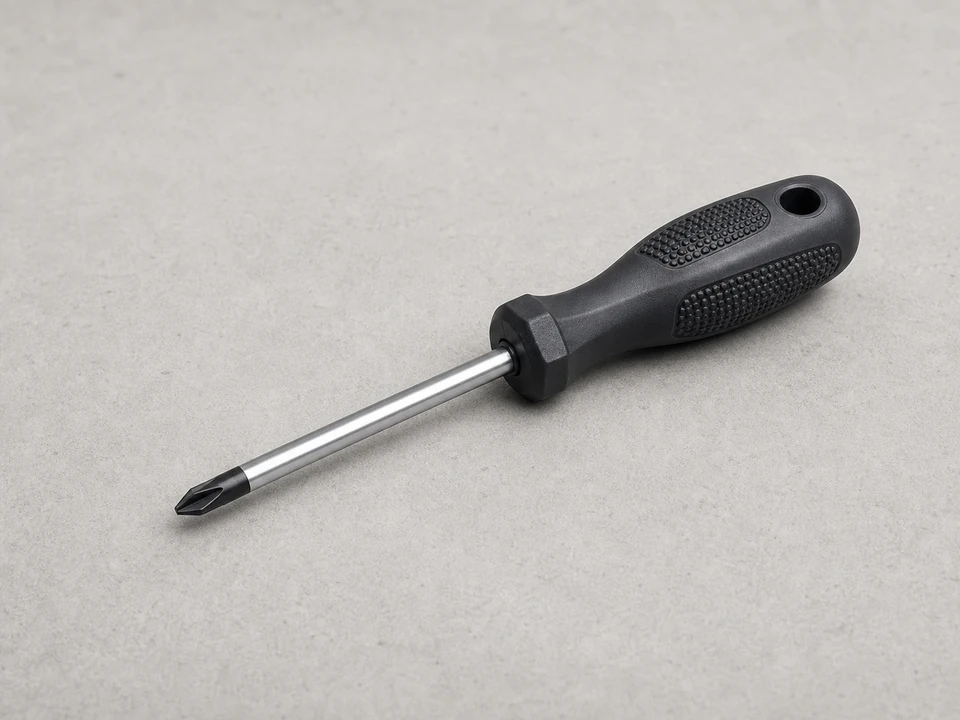
Phillips screwdriver
Use it for: Removes door or trim screws if your microwave uses them.
Shop Phillips screwdriversTo replace a microwave door latch, unplug the microwave, confirm the latch is cracked, loose, or not engaging the door switches, remove the inner door trim or latch cover, swap in the matching new latch, then reassemble and test that the door closes and starts normally.
A worn or broken door latch can keep a microwave from starting, make the door feel loose, or cause intermittent operation. This repair is usually manageable for a careful homeowner because the latch is in the door area, but you should work gently around plastic trim and stop if the door frame or switch area is damaged.
Before you start: Match the replacement part to your exact microwave before ordering.
Use it for: Removes door or trim screws if your microwave uses them.
Shop Phillips screwdrivers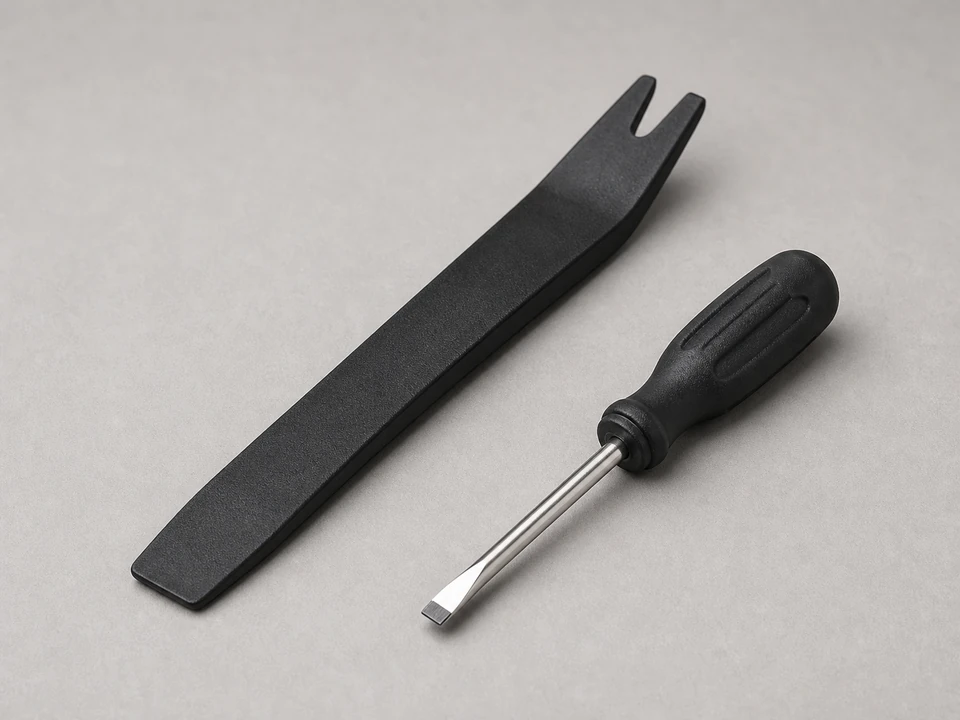
Use it for: Helps release the inner door trim or latch cover without forcing it.
Shop pry tools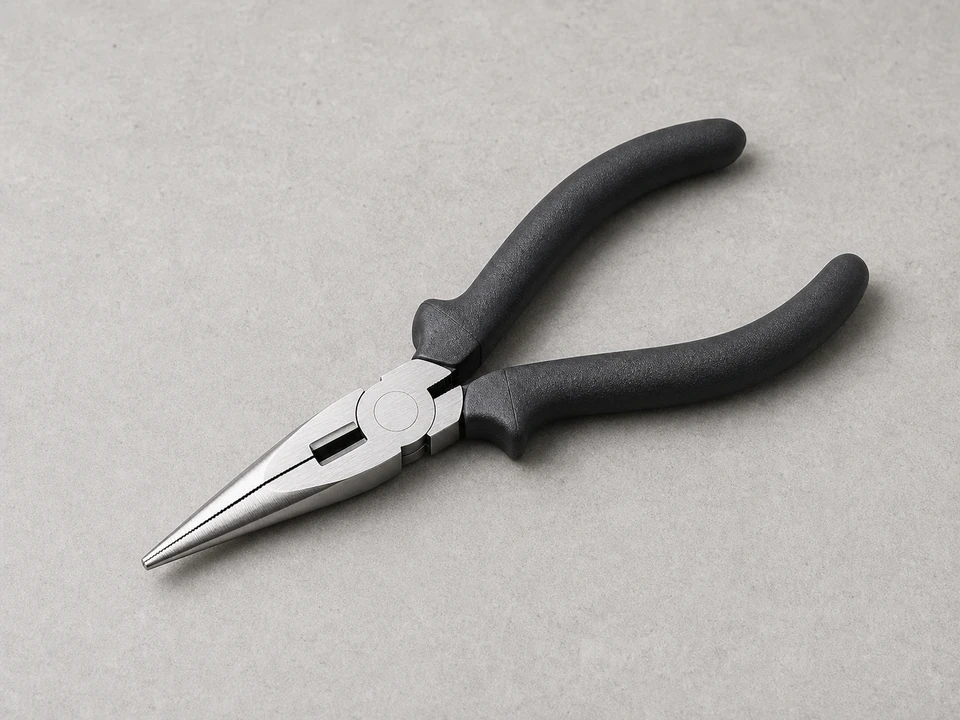
Use it for: Useful for lifting clips, springs, or the old latch if space is tight.
Shop needle-nose pliers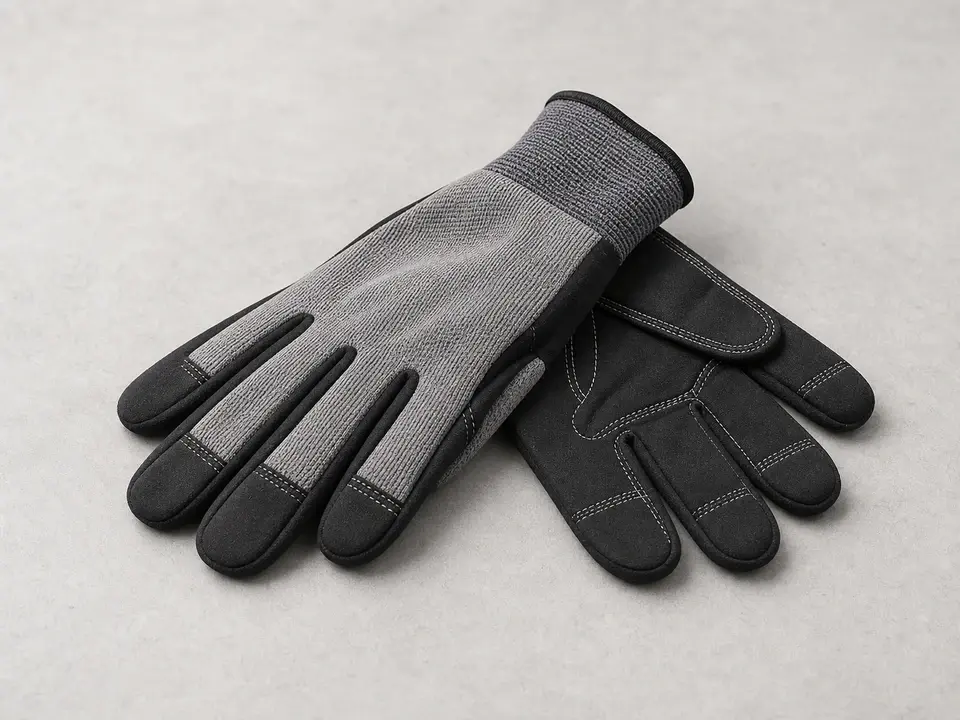
Use it for: Protects your hands from sharp metal edges around the door frame.
Shop work glovesAs an Amazon Associate I earn from qualifying purchases. Repair Riot may earn a commission at no extra cost to you.
If it works: You have a clear reason to replace the microwave door latch, such as visible damage, poor engagement, or a latch that no longer holds its position.
If it doesn’t: If the latch looks solid and the problem seems to be inside the cabinet where the door switches mount, this may not be the right repair path.
If it works: The door is supported, the trim style is identified, and you can reach the latch area without straining the hinges or cracking plastic.
If it doesn’t: If the trim will not move, look again for hidden screws or tabs instead of forcing it.
If it works: The latch is visible and accessible without damaging the surrounding door parts.
If it doesn’t: If you still cannot see the full latch, continue removing only the minimum trim needed to expose its mounting points.
If it works: The new latch is seated correctly, secured, and moves smoothly without binding.
If it doesn’t: If the new latch does not sit the same way as the old one, recheck the part fit before reassembling the door.
If it works: The door is back together, aligned, and closing with normal pressure.
If it doesn’t: If the door rubs, sits crooked, or needs extra force, reopen the trim area and make sure the latch is fully seated and the trim is not interfering.
If it works: The microwave starts and stops normally, the door closes securely, and the latch works the same way every time.
If it doesn’t: If the microwave still does not respond consistently, the door switch assembly or switch mount may also be faulty and should be checked next.
Match the replacement part to your exact microwave before ordering.
As an Amazon Associate I earn from qualifying purchases. Repair Riot may earn a commission at no extra cost to you.
A bad latch is often cracked, loose, bent, or no longer lines up with the opening in the microwave frame. The door may feel sloppy, fail to click shut properly, or only let the microwave start when you push on the door.
Usually, yes. If only the latch is damaged and the door frame, trim, and glass are intact, replacing the latch is the normal repair. If the door is cracked or warped, replacing the latch alone may not solve the problem.
The latch may not be the only failed part. A worn door switch, broken switch mount, or damaged door alignment can cause the same symptom. If the new latch fits and moves correctly but the microwave still acts up, check the switch area next.
No. This repair is usually done at the door itself. In many cases you only remove the inner door trim or latch cover to reach the part.
No. If the door does not close and engage properly, stop using the microwave until it is repaired. A damaged latch can keep the door from sealing or from operating the door switches correctly.