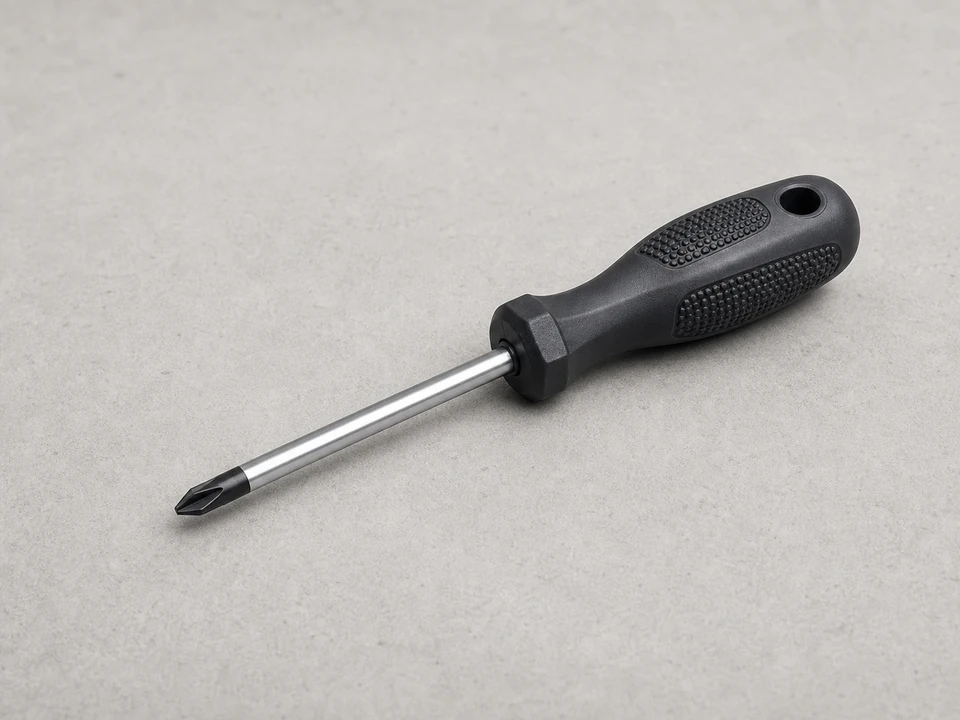
Phillips screwdriver
Use it for: Removes common screws on the door trim, grille, or latch access area.
Shop Phillips screwdriversTo replace a microwave door latch assembly, unplug the microwave, confirm the latch is cracked, loose, or not engaging the door switches, remove the inner door trim or access cover as needed, swap in the matching new latch assembly, and test that the door closes and the microwave starts normally.
A worn or broken latch assembly can keep the door from closing securely, stop the microwave from starting, or make it shut off when the door moves. This repair is usually manageable for a careful homeowner, but work slowly around the door and stop if you run into damaged wiring, broken door structure, or anything that requires opening high-voltage sections of the microwave cabinet.
Before you start: Match the replacement part to your exact microwave before ordering.
Use it for: Removes common screws on the door trim, grille, or latch access area.
Shop Phillips screwdrivers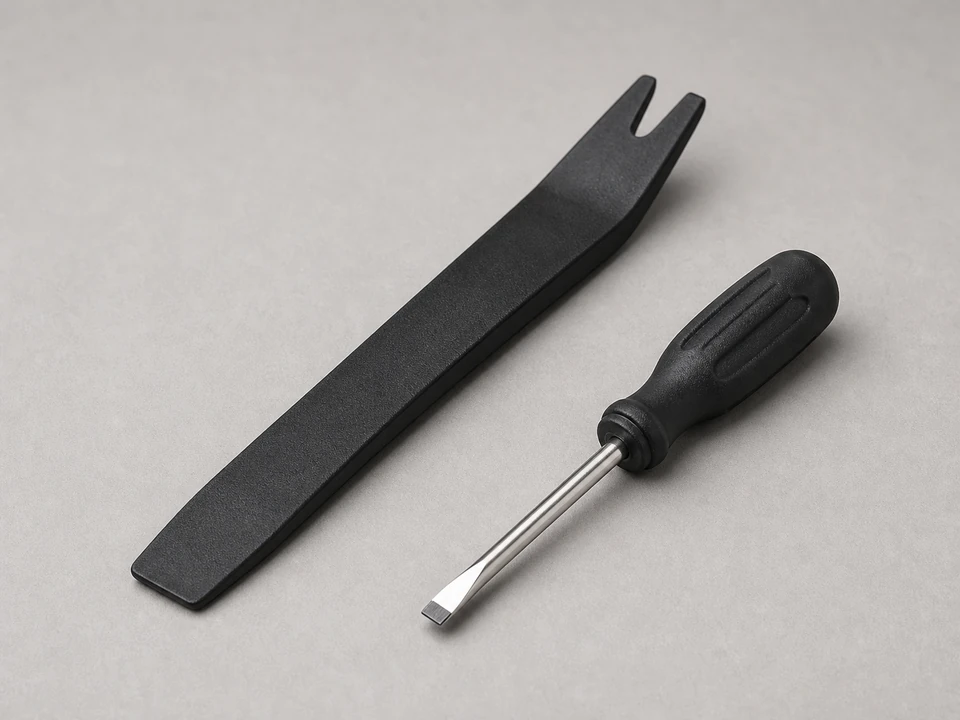
Use it for: Helps release trim clips without cracking the door frame.
Shop trim pry tools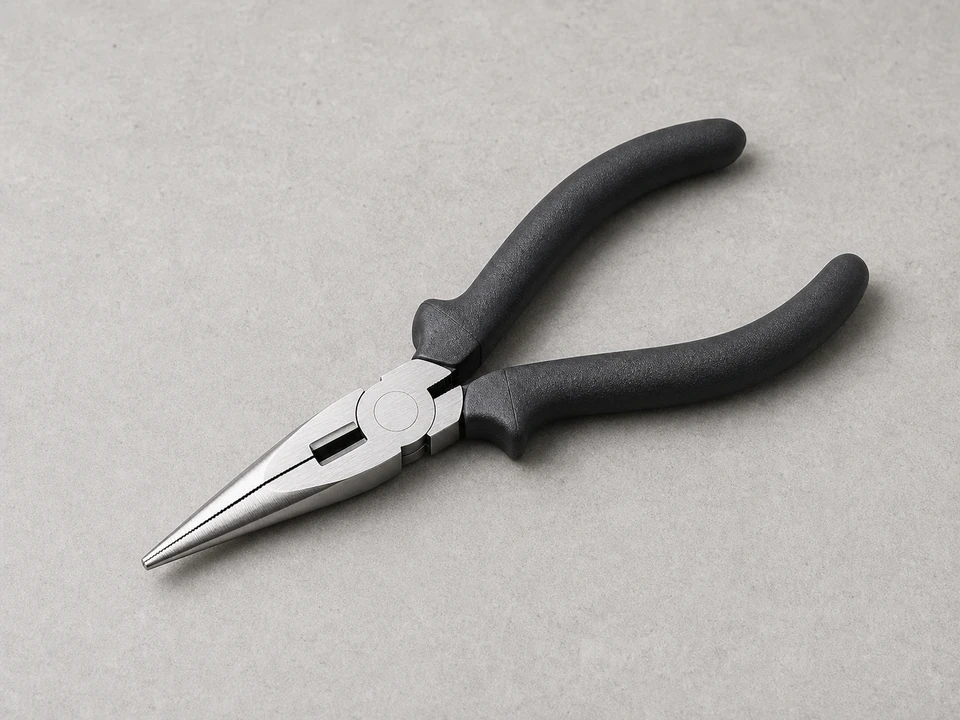
Use it for: Useful for handling small clips, springs, or tight latch parts.
Shop needle-nose pliers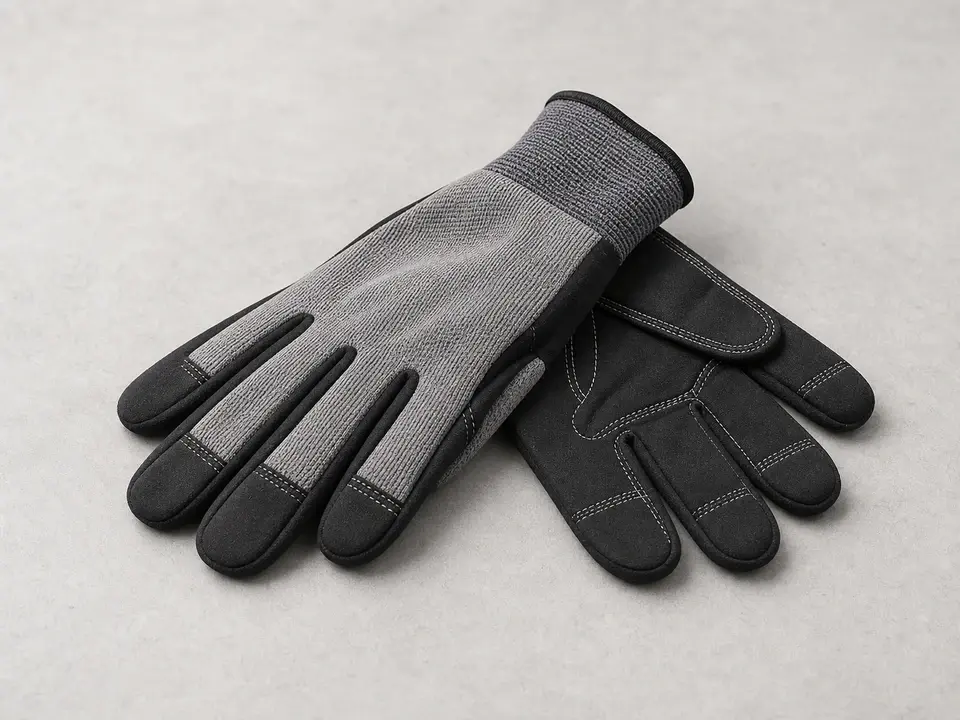
Use it for: Protects your hands from sharp metal edges and brittle plastic.
Shop work glovesAs an Amazon Associate I earn from qualifying purchases. Repair Riot may earn a commission at no extra cost to you.
If it works: You have a clear latch-related symptom and a matching replacement part ready.
If it doesn’t: If the door closes firmly and the latch parts look intact, the problem may be with the door switches, hinges, or door alignment instead of the latch assembly.
If it works: You can see or reach the latch assembly without forcing the door apart.
If it doesn’t: If the trim will not release with gentle pressure, look again for hidden screws instead of prying harder.
If it works: The old latch assembly is out and the mounting area is clean and intact.
If it doesn’t: If the latch assembly will not come free, check again for one missed screw, hidden tab, or retaining clip.
If it works: The new latch assembly is secure, aligned, and moves smoothly.
If it doesn’t: If the latch binds or sits crooked, remove it and reseat it before putting the door back together.
If it works: The door is back together, closes evenly, and the microwave is ready for testing.
If it doesn’t: If the door rubs, pops open, or feels uneven, reopen the access area and check latch alignment and trim seating.
If it works: The microwave starts and runs normally, and the door latches and opens the way it should.
If it doesn’t: If the microwave still will not start or shuts off when the door moves, the door switches, switch mount, or door alignment may also need attention.
Match the replacement part to your exact microwave before ordering.
As an Amazon Associate I earn from qualifying purchases. Repair Riot may earn a commission at no extra cost to you.
Common signs are a door that will not stay shut, a latch that feels loose or jammed, or a microwave that only starts when you press on the door. Visible cracks or broken latch hooks are also strong clues.
Sometimes the hook is sold separately, but many repairs are more reliable when you replace the full microwave door latch assembly if that is the confirmed part for your model.
The latch may not have been the only problem. Door switches, a broken switch mount, hinge misalignment, or damage in the door frame can cause similar symptoms.
Not always. If the latch area is accessible from the door trim or front access pieces, you may be able to do the repair with the microwave still mounted.
Replacing a door latch assembly is usually safer than internal electrical repairs because it often stays in the door area. Still, unplug the microwave and stop if the repair requires opening high-voltage sections or if the door structure is damaged.